
De kruisdraging — History & Facts
Who listens when art speaks of silence? In De kruisdraging, the weight of grief hangs palpably in the air, echoing the collective mourning of humanity. Look to the center of the composition, where the figure of Christ, heavy with the burden of the cross, commands your attention. The stark contrast between the darkness of the background and the light illuminating his pained visage creates a haunting interplay of shadow and illumination. Notice how the figures surrounding him are rendered with intricate detail, their expressions ranging from sorrowful resignation to profound empathy, each face a testament to the emotional gravity of the moment. Delve deeper into the painting’s subtleties, where every element contributes to the profound narrative.
The flowing drapery of Christ’s garment juxtaposes the rigid forms of those who carry the weight of his sacrifice. The tension is palpable, not just in the physical struggle but in the spiritual anguish reflected in their eyes—an acknowledgment of impending loss. Here, the interplay of gestures, from outstretched arms to bowed heads, encapsulates the spectrum of grief, suggesting that mourning is both collective and deeply personal. Lucas van Leyden painted this work in 1509 during a period of significant artistic evolution in Northern Europe.
At the time, he was influenced by the burgeoning Renaissance movement, which emphasized realism and human emotion. His focus on human suffering and the emotional depth of religious subjects marked a departure from the more rigid styles of earlier periods, reflecting both his innovative spirit and the tumultuous socio-political landscape of the time.
More Artworks by Lucas van Leyden
Browse all →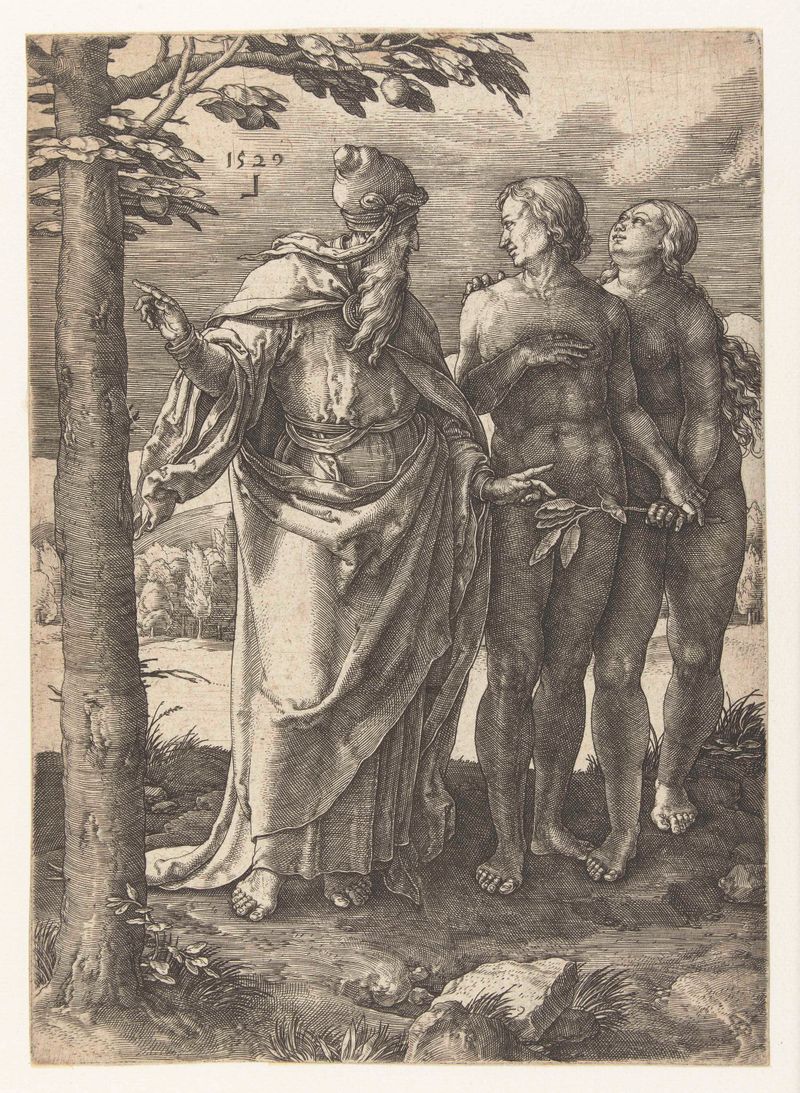
Het eerste verbod
Lucas van Leyden
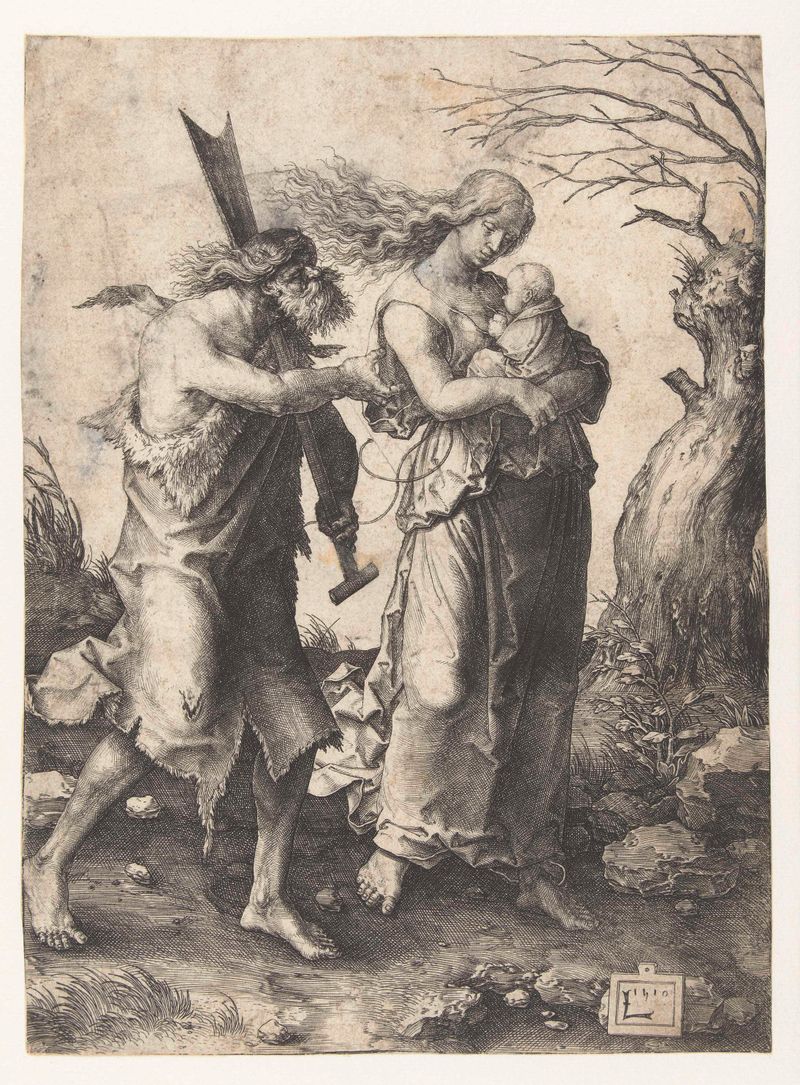
Adam en Eva na de verdrijving uit het paradijs
Lucas van Leyden
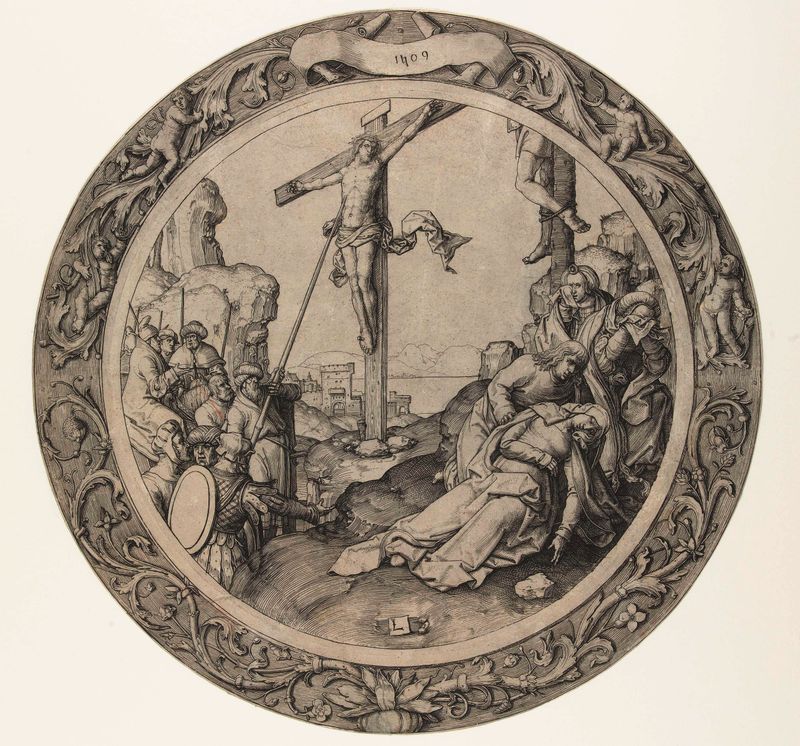
De kruisiging
Lucas van Leyden
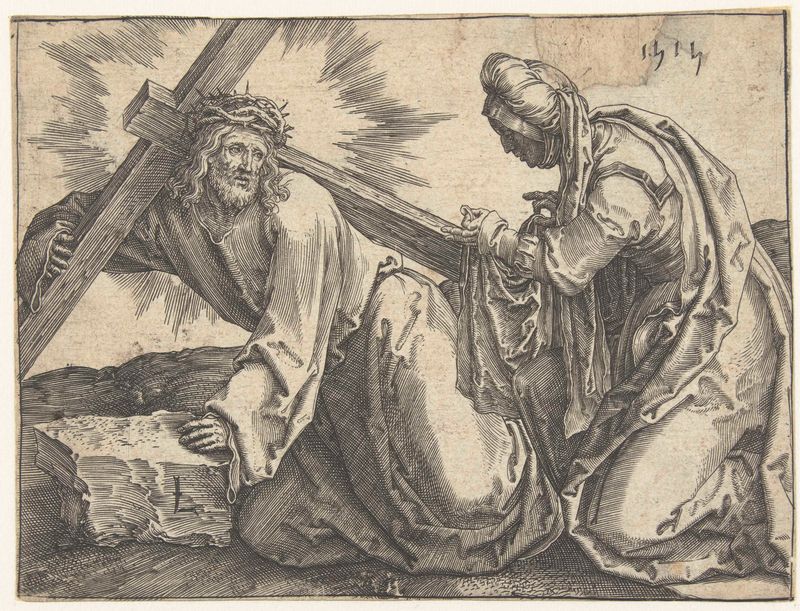
Kruisdraging
Lucas van Leyden
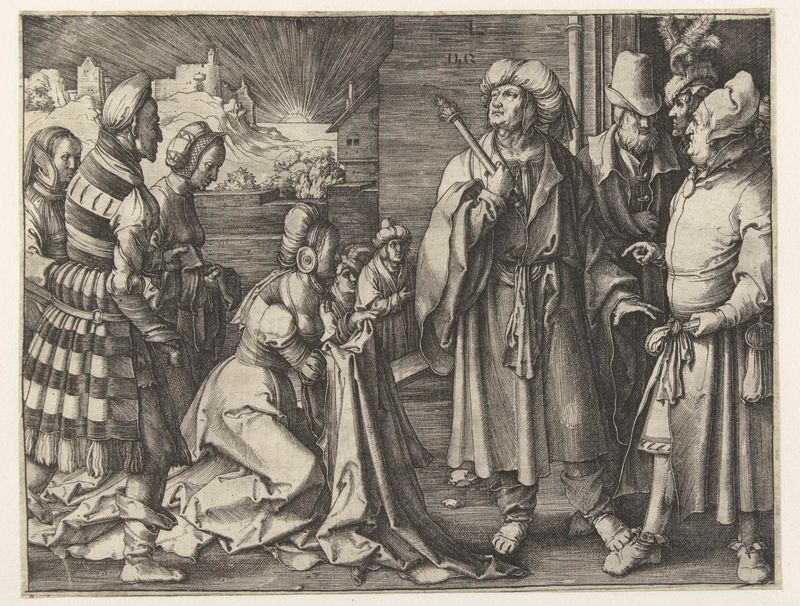
De vrouw van Potifar beschuldigt Jozef
Lucas van Leyden
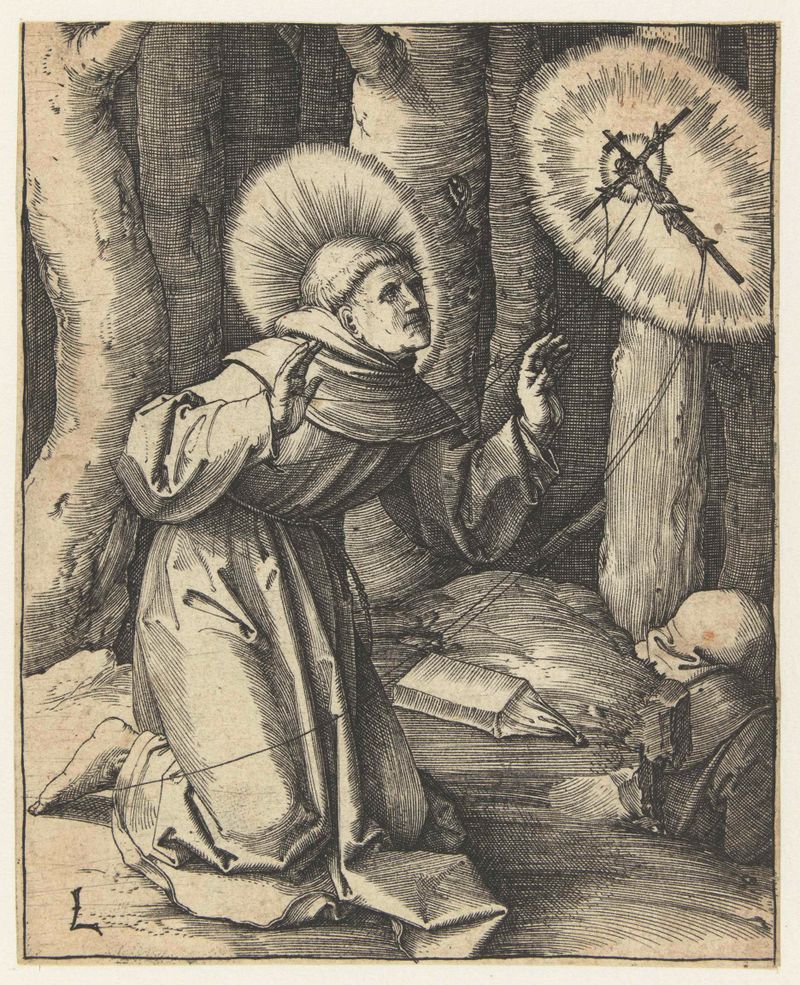
De stigmatisatie van de heilige Franciscus
Lucas van Leyden
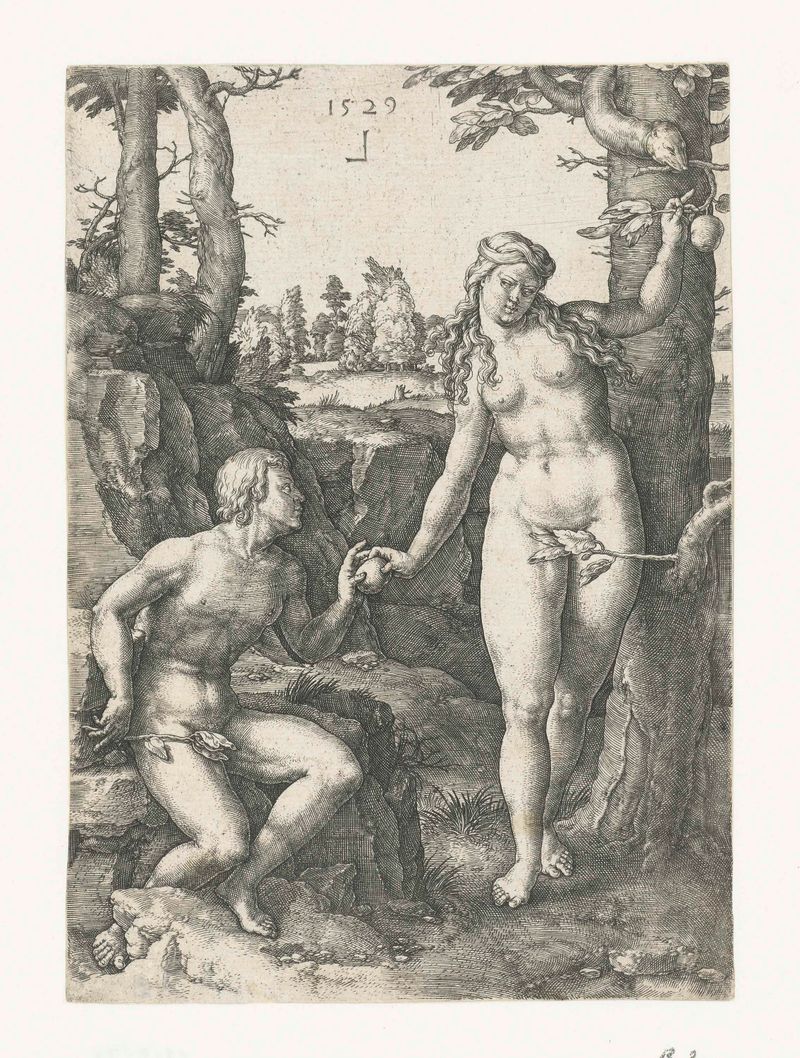
De zondeval
Lucas van Leyden
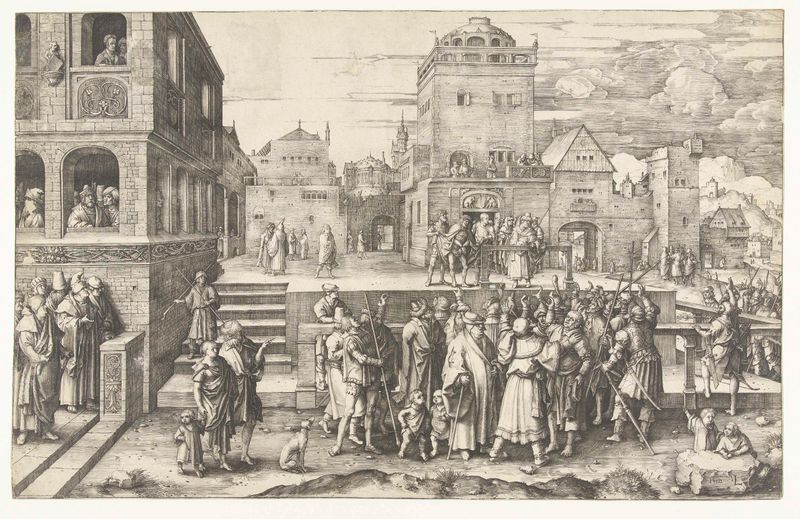
De grote Ecce Homo
Lucas van Leyden
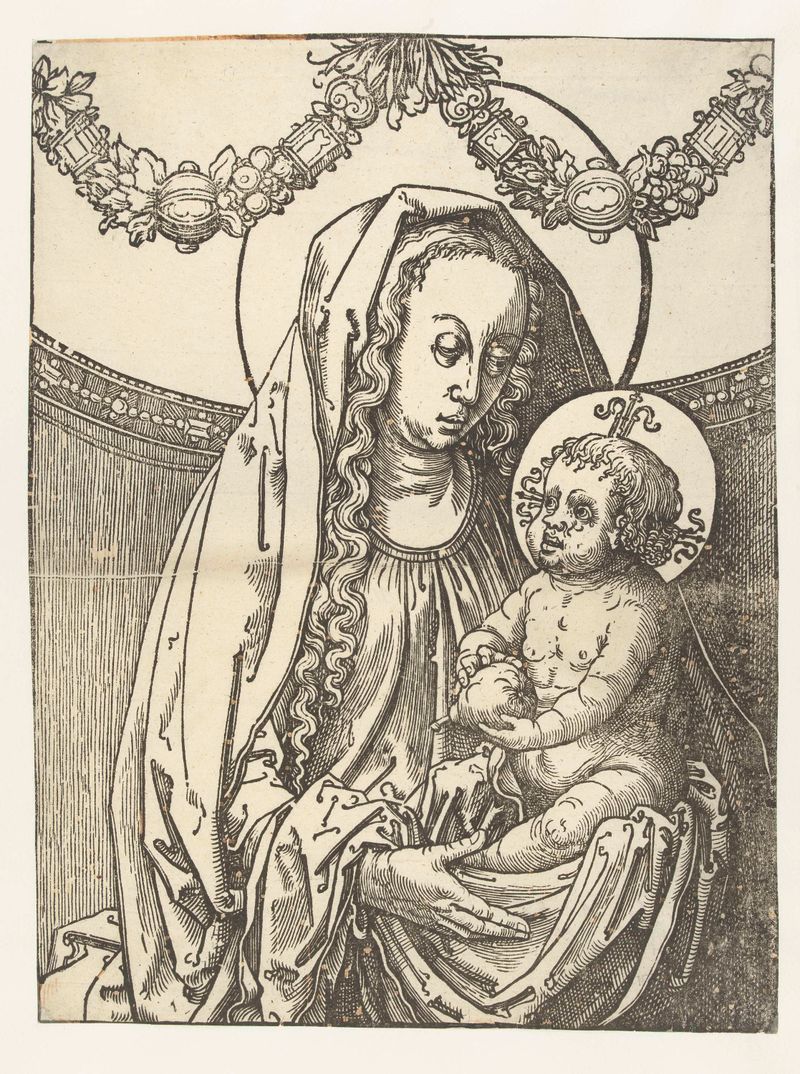
Maria met kind
Lucas van Leyden

Doornenkroning
Lucas van Leyden
More Religious Art
Browse all →
The Return of the Prodigal Son
Rembrandt van Rijn

The Garden of Earthly Delights
El Bosco

Count Orgaz’ funeral
El Greco

The Hundred Guilder Print: the central piece with Christ preaching, the plate arched
Rembrandt van Rijn

The Descent from the Cross
Rogier van der Weyden

The return of the prodigal son
Rembrandt van Rijn