
De ongelovige Tomas — History & Facts
In the stillness of De ongelovige Tomas, serenity hangs heavy in the air, inviting the viewer into a moment suspended in time. The whisper of faith and doubt dances lightly across the surface, beckoning contemplation and introspection. Focus on the figure of Thomas, slightly to the left, with his hand reaching toward Christ’s wound, a gesture that embodies both curiosity and hesitation. Notice how the warm light illuminates his face, casting soft shadows that deepen the sense of inquiry.
The rich colors of the robes envelop the scene — deep reds and muted blues create an atmosphere of reverence, while the background fades into darkness, drawing attention to this poignant interaction. Hidden within the details, contrasts emerge. The tactile flesh of Christ juxtaposes Thomas’s hesitant touch, highlighting the struggle between belief and skepticism. Each figure, bathed in divine light, reveals a profound emotional tension: the unwavering faith of the apostles surrounding Thomas verses the internal conflict of his disbelief.
This moment encapsulates the human experience, where vulnerability meets the quest for truth. Created in 1503, this piece reflects the influences of the Northern Renaissance, a time when art flourished in the Low Countries. The artist, part of a small but significant workshop, was exploring themes of devotion and doubt, illustrating the broader cultural shift toward personal faith in an era rich with religious transformation. This work embodies the complexities of belief, bridging art and spirituality in a manner that resonates deeply today.
More Artworks by Meester van de Delbecq-Schreiber-Passie
Browse all →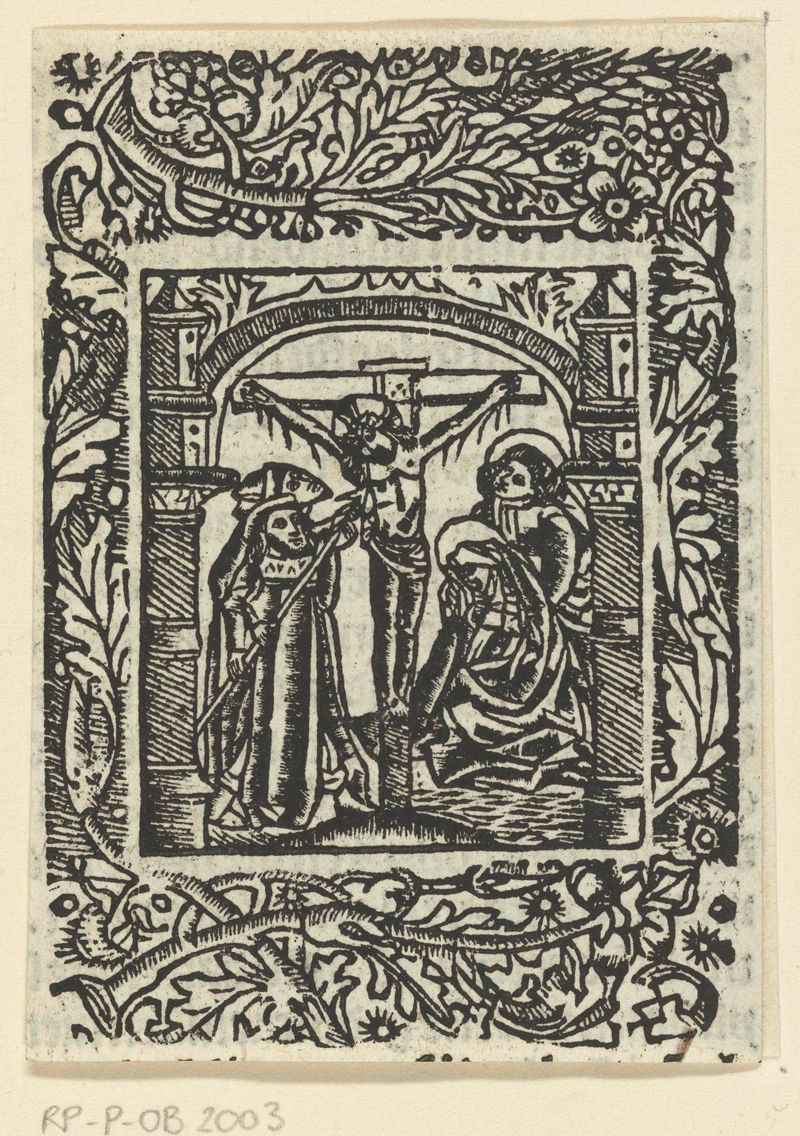
Christus aan het kruis
Meester van de Delbecq-Schreiber-Passie

Christus aan het kruis
Meester van de Delbecq-Schreiber-Passie

Christus wordt aan het kruis genageld
Meester van de Delbecq-Schreiber-Passie

De hemelvaart van Christus
Meester van de Delbecq-Schreiber-Passie

De maaltijd te Emmaüs
Meester van de Delbecq-Schreiber-Passie
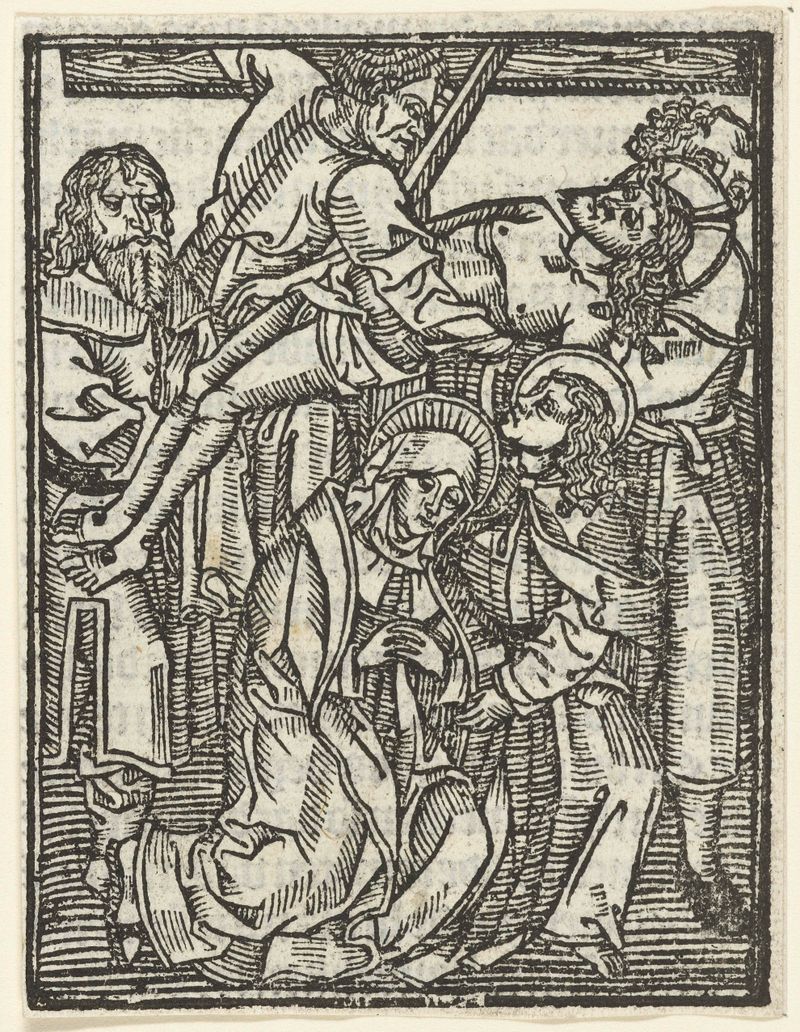
De kruisafname
Meester van de Delbecq-Schreiber-Passie
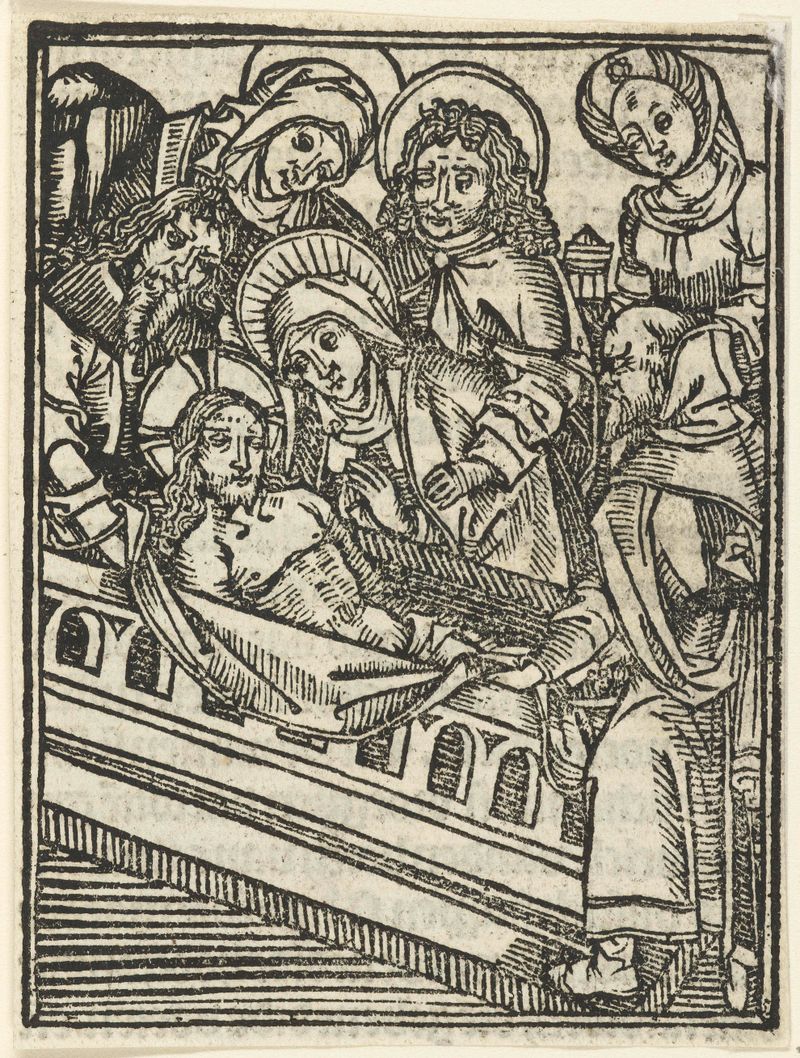
De graflegging
Meester van de Delbecq-Schreiber-Passie

Het Christuskind kastijdt zichzelf.
Meester van de Delbecq-Schreiber-Passie

Opstanding van Christus
Meester van de Delbecq-Schreiber-Passie
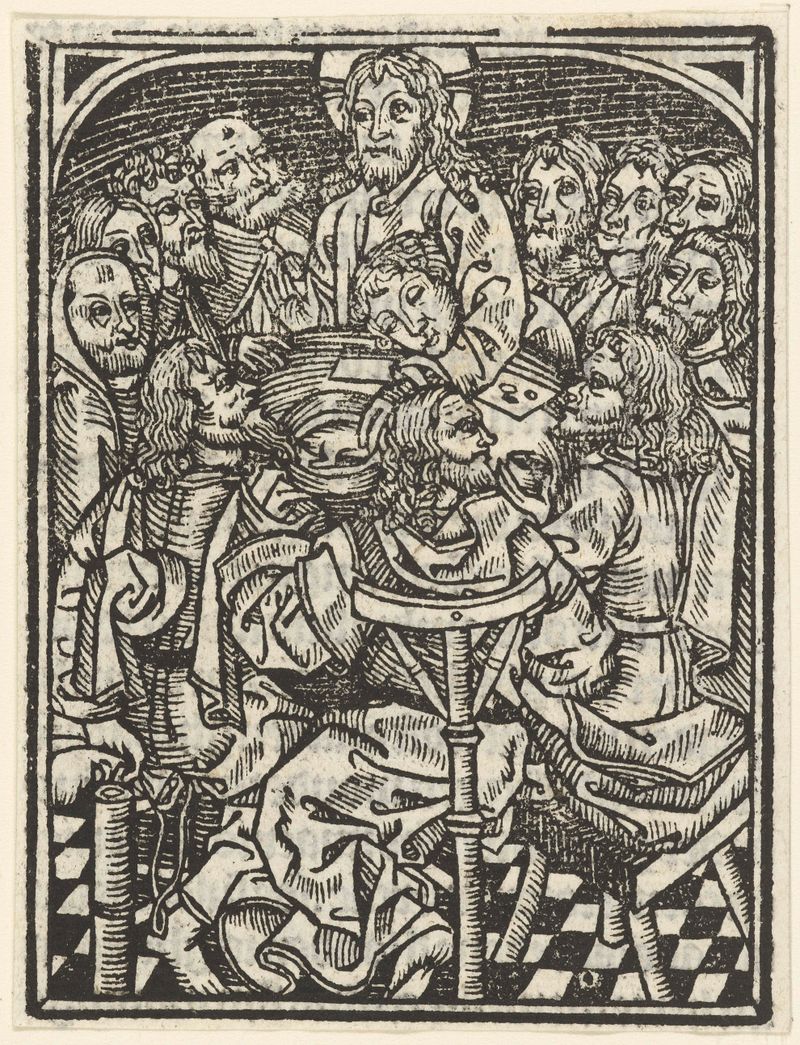
Het laatste avondmaal
Meester van de Delbecq-Schreiber-Passie
More Religious Art
Browse all →
The Return of the Prodigal Son
Rembrandt van Rijn

The Garden of Earthly Delights
El Bosco

Count Orgaz’ funeral
El Greco

The Hundred Guilder Print: the central piece with Christ preaching, the plate arched
Rembrandt van Rijn

The Descent from the Cross
Rogier van der Weyden

The return of the prodigal son
Rembrandt van Rijn