
De opstanding — History & Facts
Is this a mirror — or a memory? A haunting reflection of life and decay, De opstanding captures the viewer in a moment fraught with tension and transformation. Look to the center, where the figure emerges from the shroud of death, illuminated against a backdrop of muted earth tones. The artist’s meticulous attention to detail is evident in the fine textures of skin and cloth, inviting the eye to explore every crease and fold. The soft play of light emphasizes the figure's luminous quality, contrasting sharply with the surrounding darkness, creating a poignant sense of hope amid despair. Hidden beneath the surface are themes of resurrection and the passage of time.
The foliage at the base, withering yet lush, serves as a metaphor for life’s cyclical nature, revealing the duality of existence. The juxtaposition of the stark, almost spectral figure and the organic decay surrounding it invites contemplation on mortality, faith, and the promise of rebirth—each brushstroke whispering tales of spiritual undertaking. In 1521, Lucas van Leyden painted De opstanding amidst the burgeoning Renaissance, a period marked by profound changes in art and spirituality. Working in his native Leiden, he was influenced by the concurrent rise of humanism, exploring themes that bridged the sacred and the human experience.
During this time, the tension between traditional religious narratives and emerging individual perspectives deeply shaped artistic expression, reflecting the artist’s evolving vision.
More Artworks by Lucas van Leyden
Browse all →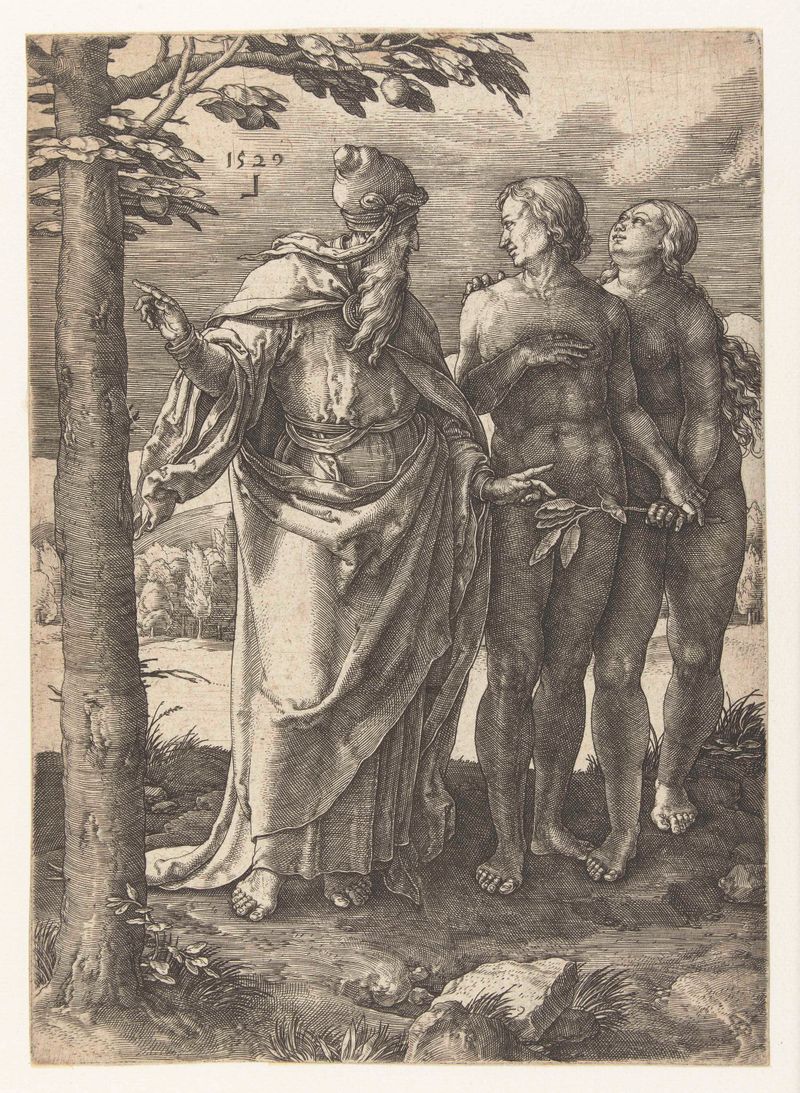
Het eerste verbod
Lucas van Leyden
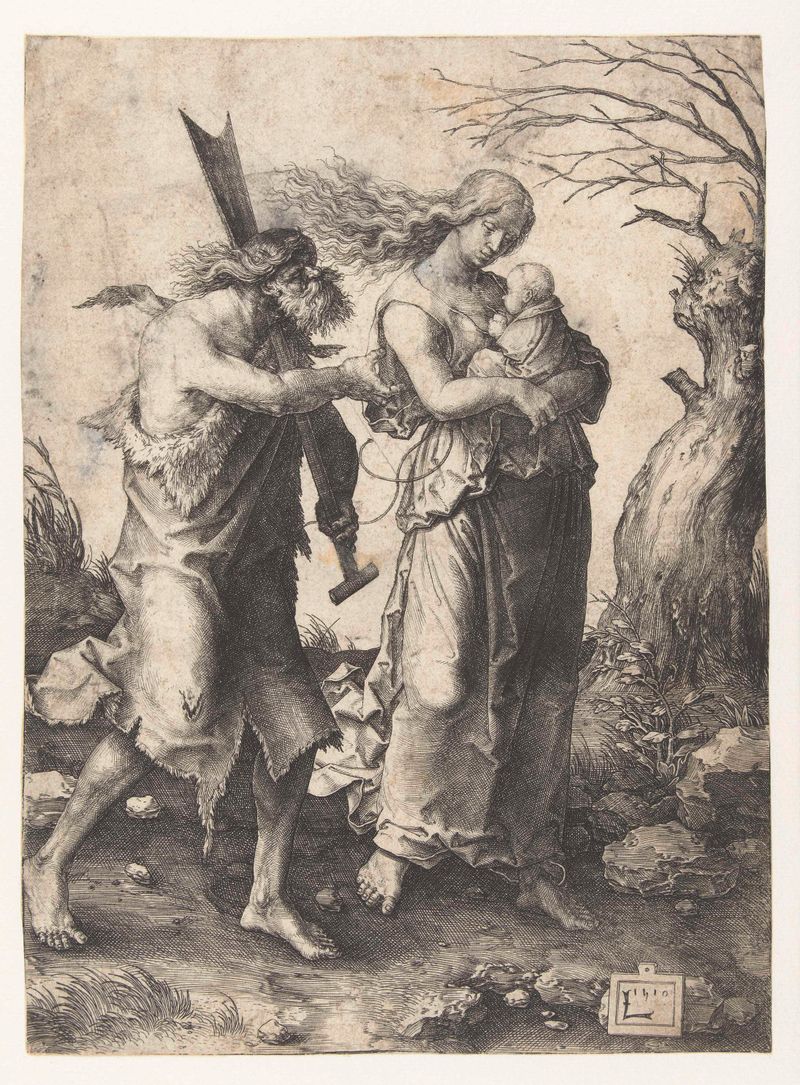
Adam en Eva na de verdrijving uit het paradijs
Lucas van Leyden
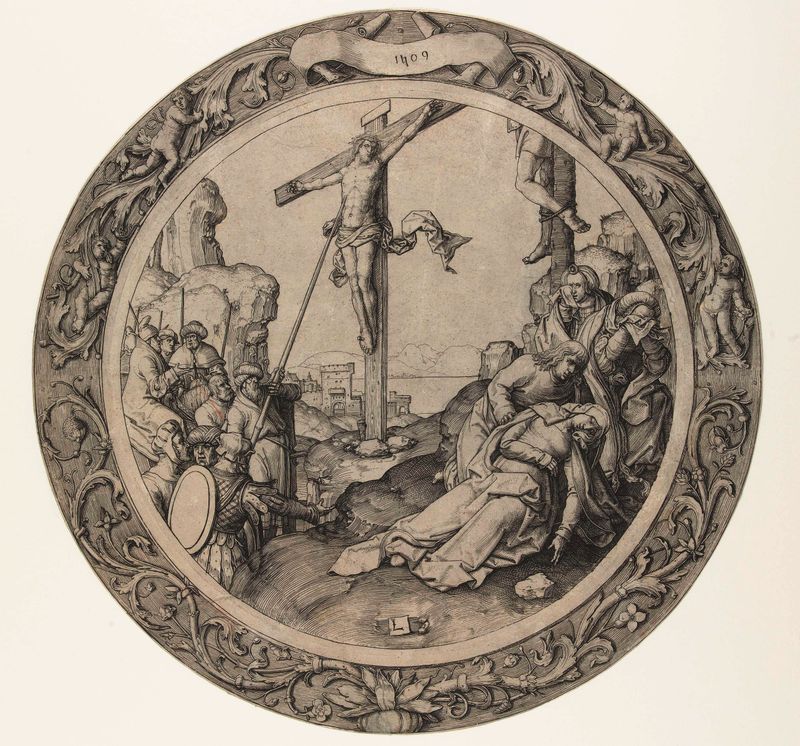
De kruisiging
Lucas van Leyden
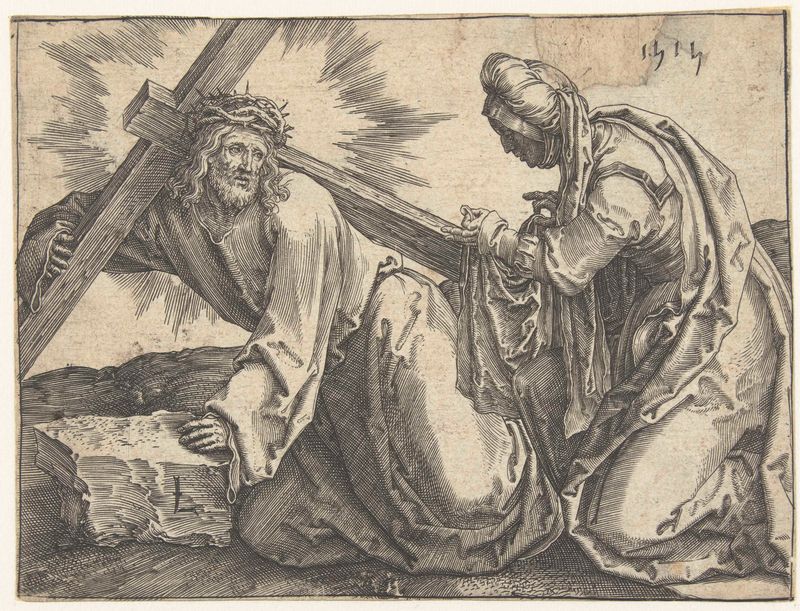
Kruisdraging
Lucas van Leyden
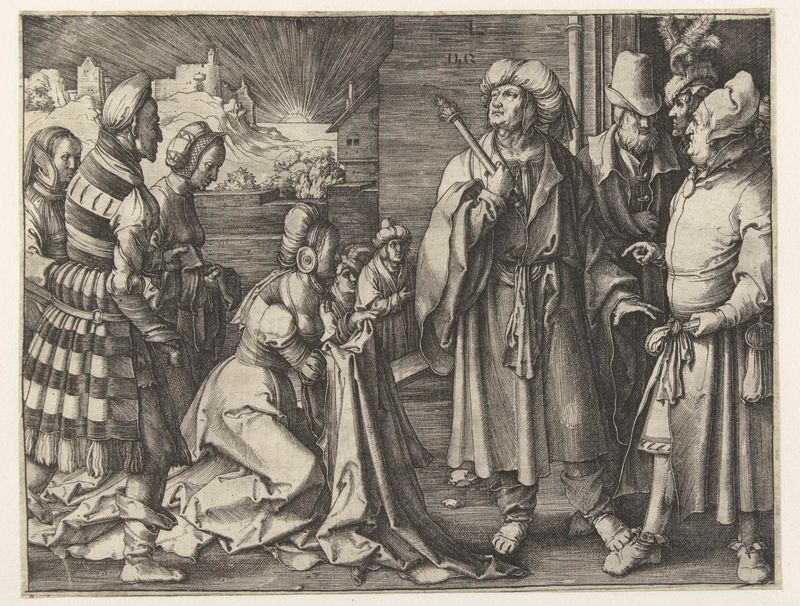
De vrouw van Potifar beschuldigt Jozef
Lucas van Leyden
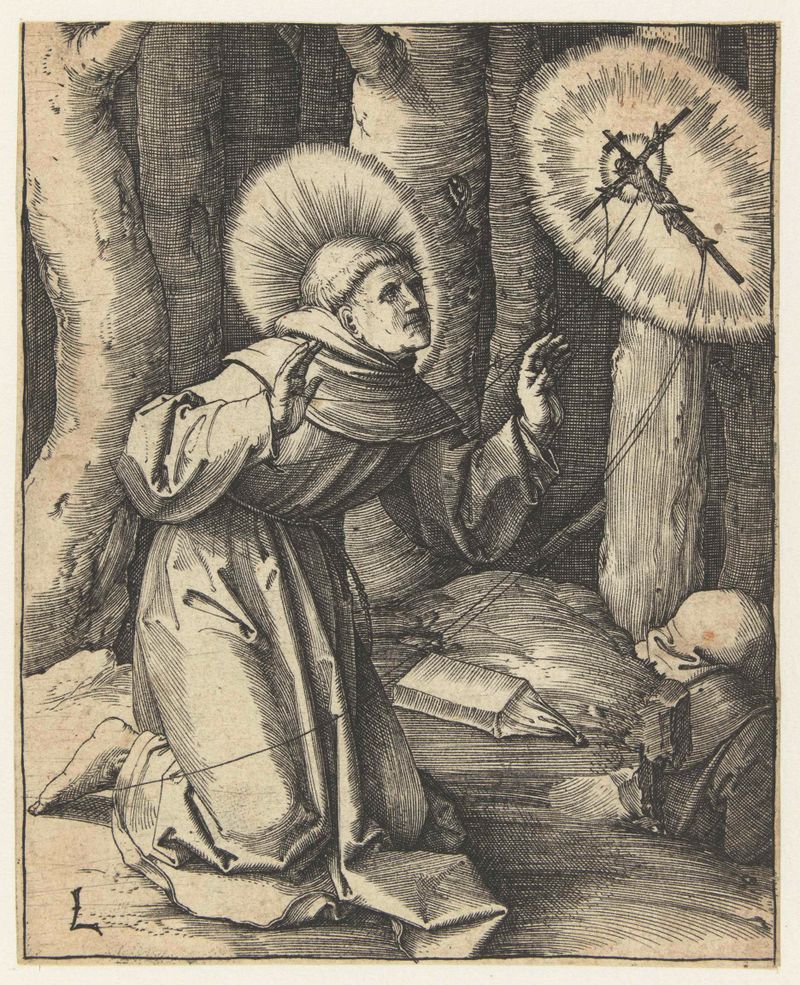
De stigmatisatie van de heilige Franciscus
Lucas van Leyden
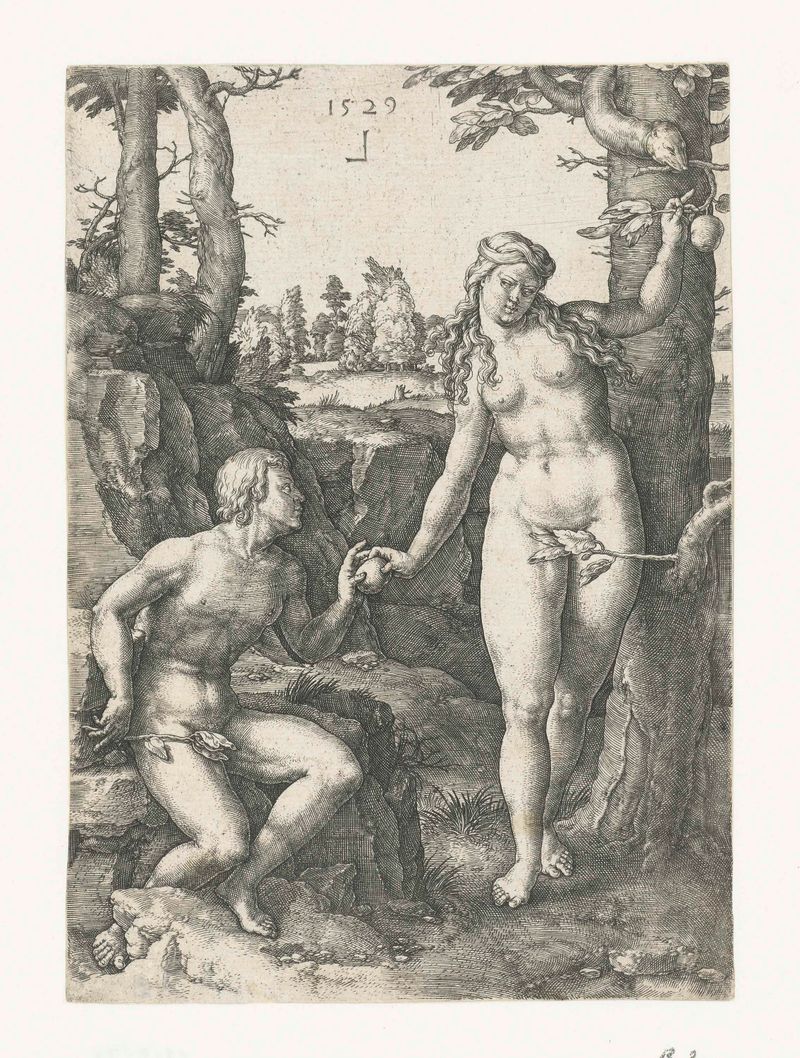
De zondeval
Lucas van Leyden
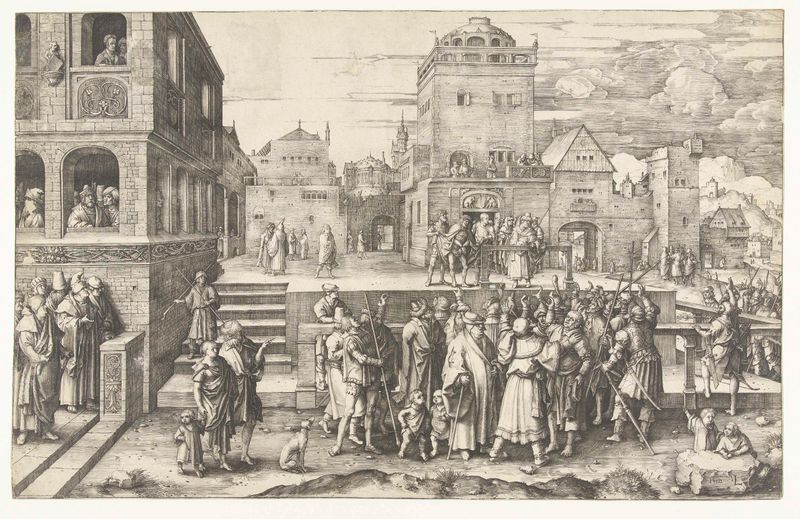
De grote Ecce Homo
Lucas van Leyden
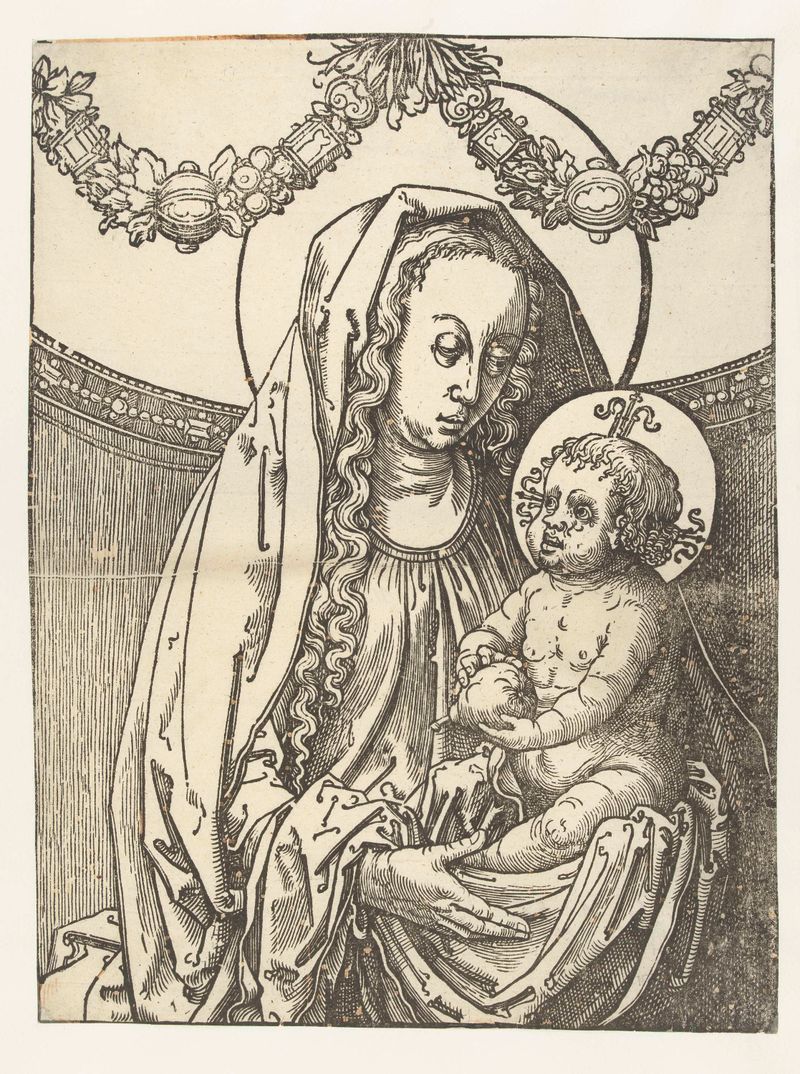
Maria met kind
Lucas van Leyden

Doornenkroning
Lucas van Leyden
More Religious Art
Browse all →
The Return of the Prodigal Son
Rembrandt van Rijn

The Garden of Earthly Delights
El Bosco

Count Orgaz’ funeral
El Greco

The Hundred Guilder Print: the central piece with Christ preaching, the plate arched
Rembrandt van Rijn

The Descent from the Cross
Rogier van der Weyden

The return of the prodigal son
Rembrandt van Rijn