
De opstanding — History & Facts
Can paint confess what words never could? In De opstanding, Lucas van Leyden captures the very essence of movement through figures poised in dynamic expression, each gesture evoking a visceral response from the viewer. Look to the center of the composition, where the majestic figure of Christ rises triumphantly, illuminated by a radiant light. Notice how the contrasting dark hues encircle him, heightening the sense of his divine emergence. The intricate details in the figures surrounding him—angels, witnesses, and the faintest sense of atmosphere—invite you to explore the narrative unfolding around this pivotal moment, each brushstroke meticulously adding to the drama of resurrection. At first glance, the vibrant colors evoke a sense of hope, yet a closer inspection reveals the tension between despair and jubilation present in the faces of the onlookers.
The slightly distorted postures and flowing drapery hint at an underlying movement, as if they are caught between the realms of earthly sorrow and heavenly promise. This duality invites contemplation of the transformative power of faith—how one can embody both grief and joy simultaneously. Created in the early 1530s, De opstanding emerged during a time of profound change in the artist's life and the broader landscape of European art. Van Leyden was influenced by the emerging Protestant Reformation, which led him to explore biblical themes anew.
The painting reflects not only his technical prowess but also a deep engagement with the spiritual questions of the era, paralleling the quest for meaning in a rapidly transforming world.
More Artworks by Lucas van Leyden
Browse all →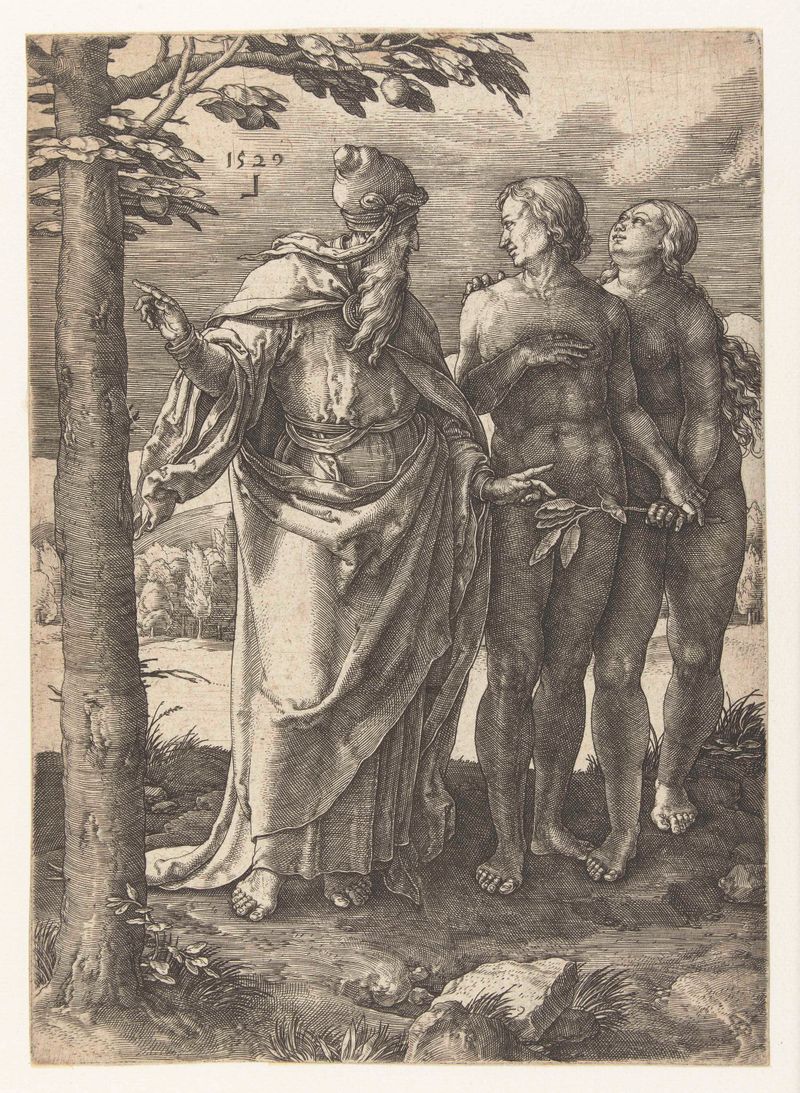
Het eerste verbod
Lucas van Leyden
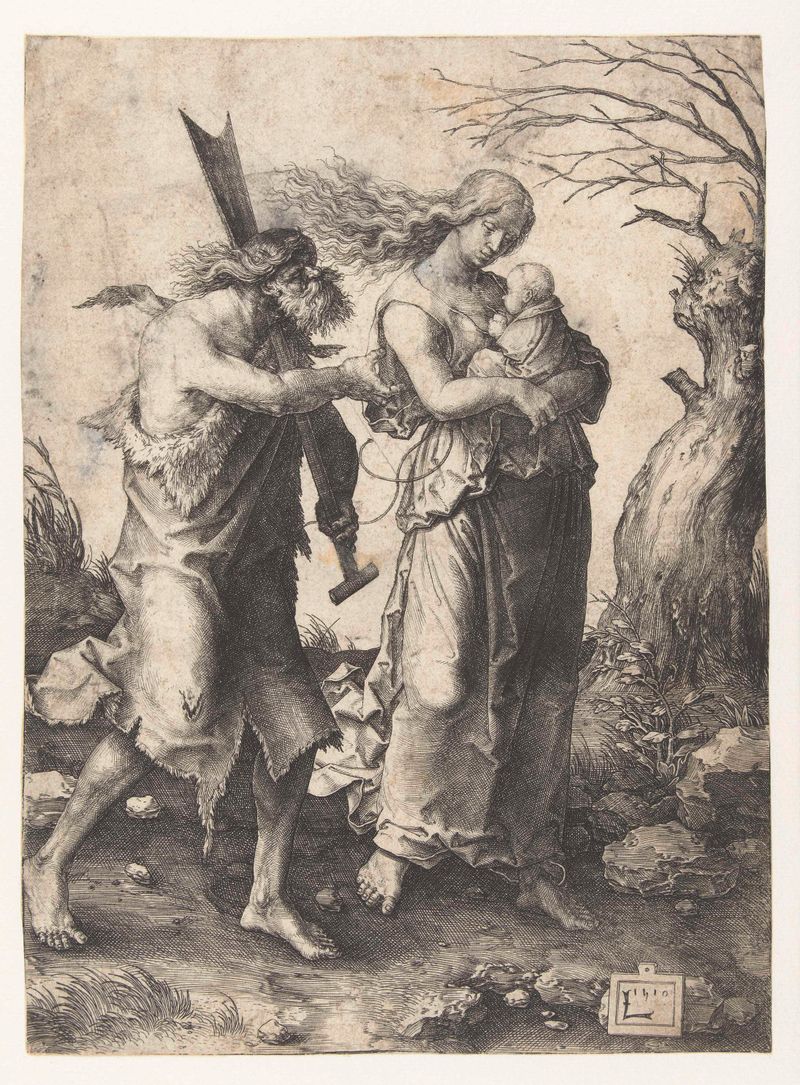
Adam en Eva na de verdrijving uit het paradijs
Lucas van Leyden
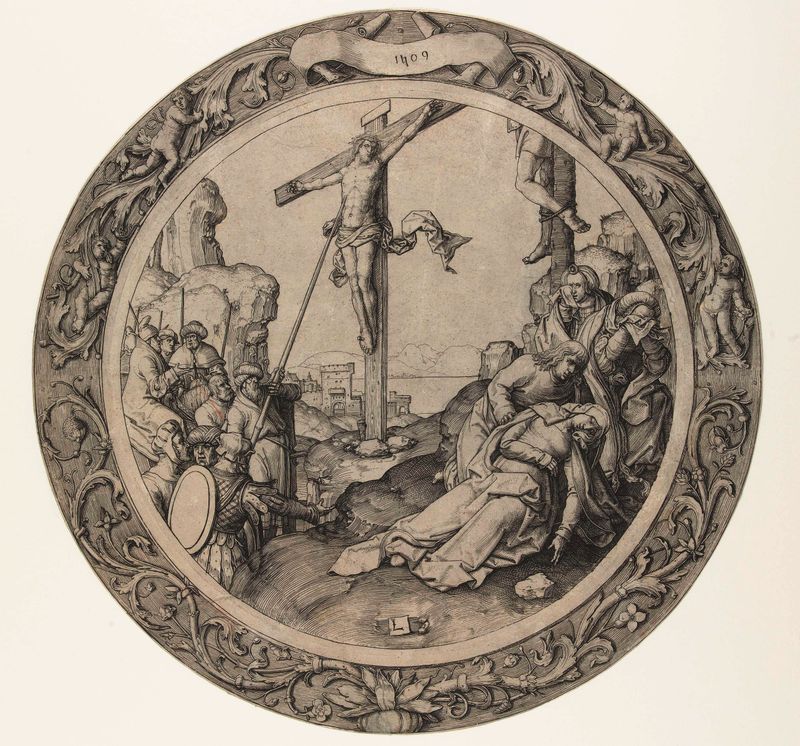
De kruisiging
Lucas van Leyden
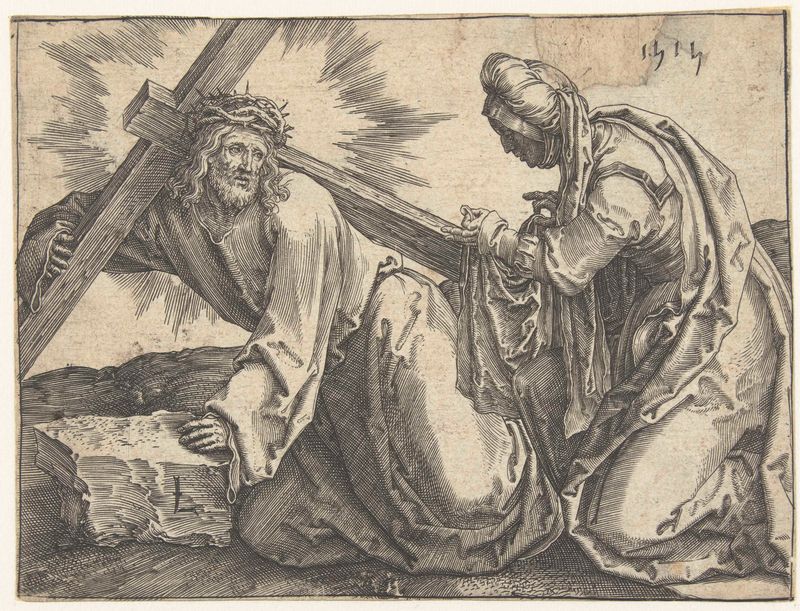
Kruisdraging
Lucas van Leyden
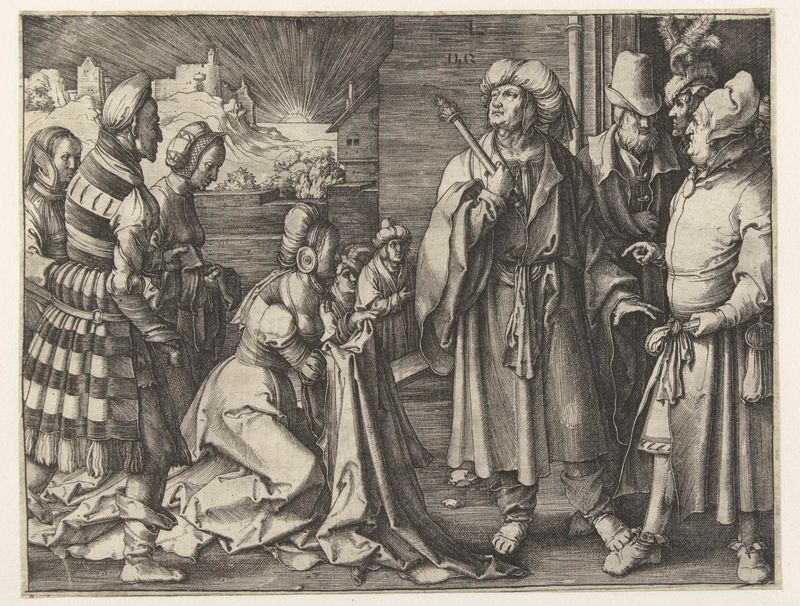
De vrouw van Potifar beschuldigt Jozef
Lucas van Leyden
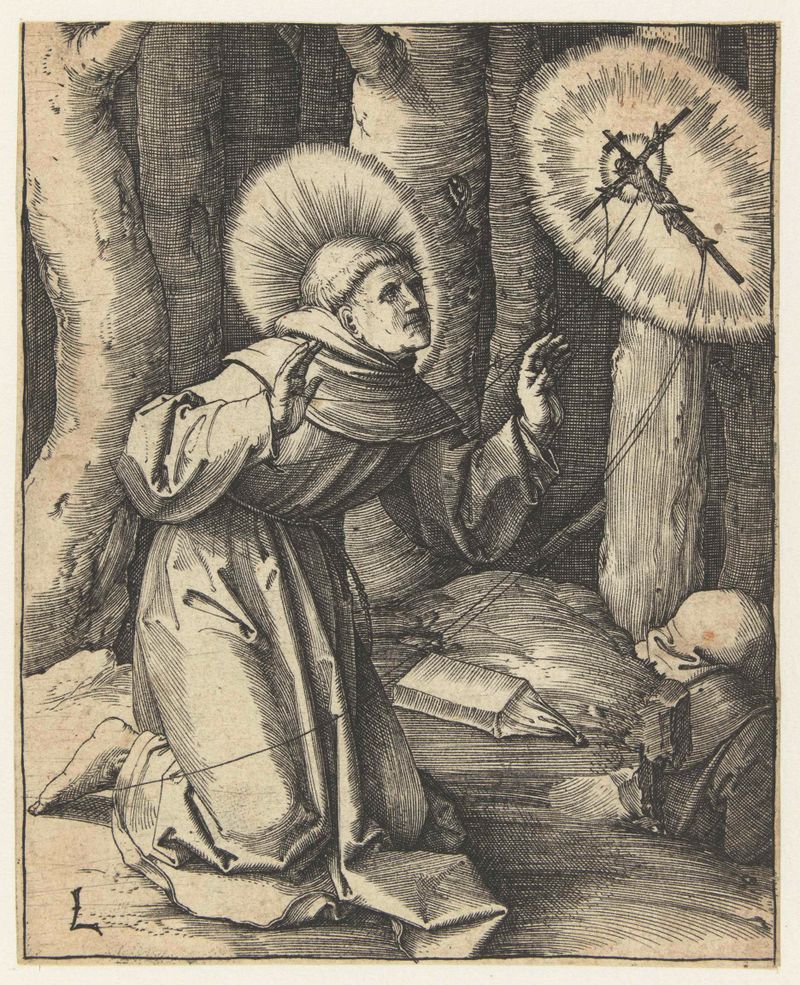
De stigmatisatie van de heilige Franciscus
Lucas van Leyden
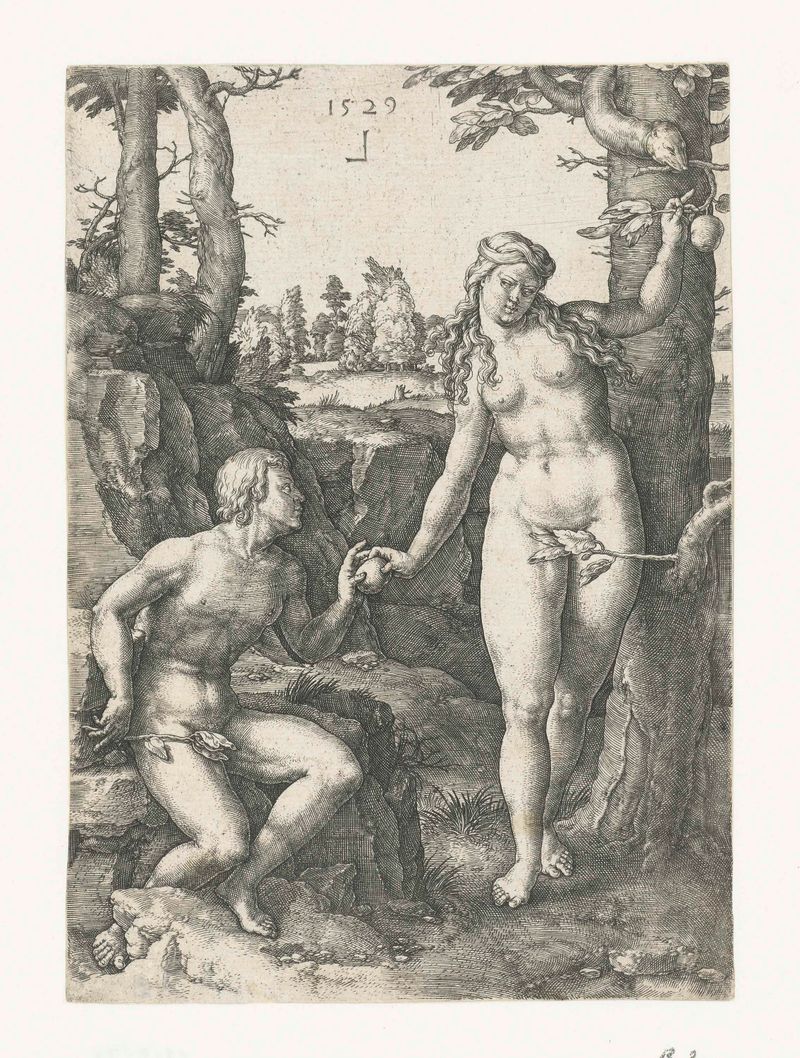
De zondeval
Lucas van Leyden
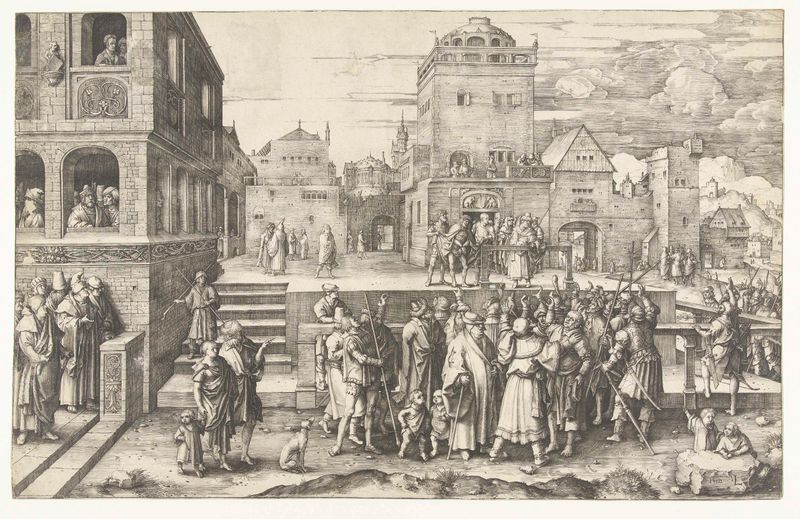
De grote Ecce Homo
Lucas van Leyden
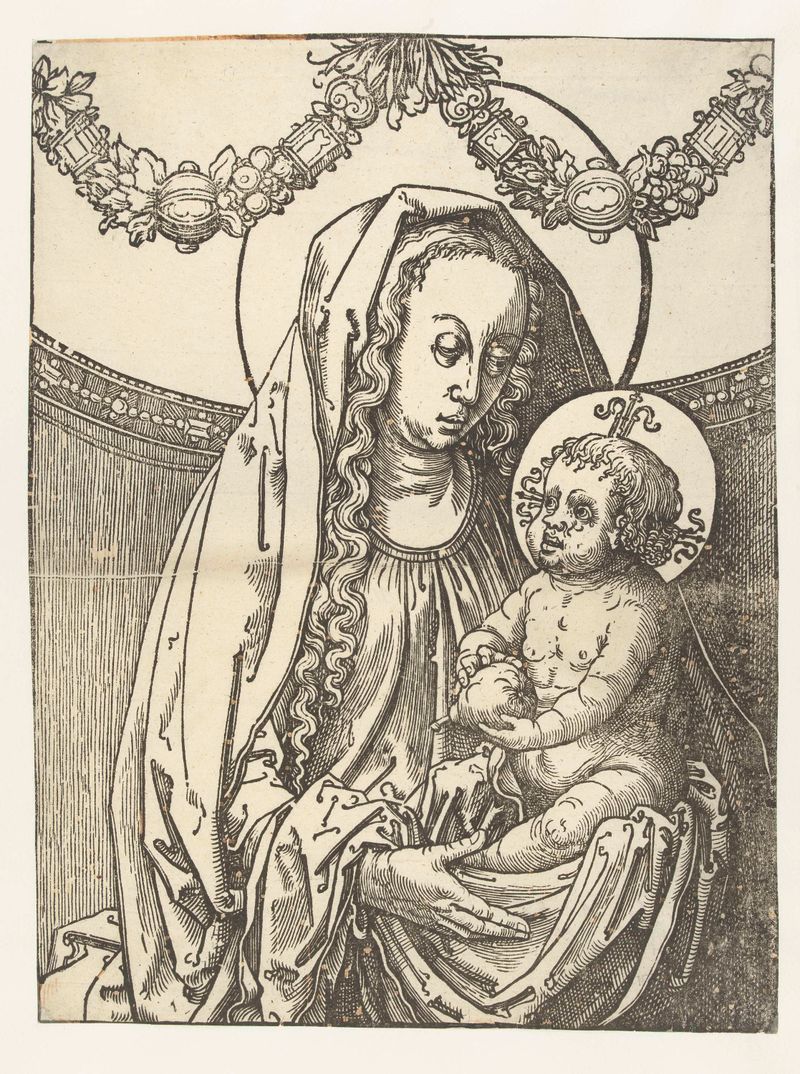
Maria met kind
Lucas van Leyden

Doornenkroning
Lucas van Leyden
More Religious Art
Browse all →
The Return of the Prodigal Son
Rembrandt van Rijn

The Garden of Earthly Delights
El Bosco

Count Orgaz’ funeral
El Greco

The Hundred Guilder Print: the central piece with Christ preaching, the plate arched
Rembrandt van Rijn

The Descent from the Cross
Rogier van der Weyden

The return of the prodigal son
Rembrandt van Rijn