
De opwekking van Lazarus — History & Facts
This paradox encapsulates the serene yet poignant essence of resurrection, where hope intertwines with sorrow in the most profound of ways. Focus on the serene figures gathered around the central scene. Notice how the light elegantly illuminates Lazarus, his pale skin almost radiant against the surrounding vibrancy. The artist’s delicate brushwork captures not only the physicality of the figures but also their emotional states, with expressions that oscillate between astonishment and reverence.
The rich palette of earthy tones contrasts beautifully with the ethereal light, drawing the viewer's eye to the miraculous event unfolding in the center. There is a quiet tension in the stillness of the crowd. The raised hands of Christ signal divine intervention, yet the somber faces of onlookers reveal their struggle between disbelief and longing. The interplay of light and shadow crafts a space that feels both sacred and intimate, suggesting that this moment transcends mere spectacle.
Each figure embodies the complexities of grief and joy, evoking a sense of collective hope in the face of mortality. Created between 1505 and 1509, this work emerged during a pivotal time in Northern Renaissance art, as artists explored themes of humanism, faith, and individual emotion. Lucas van Leyden, a prodigious talent from the Netherlands, was at the forefront of this movement. His technical prowess and innovative compositions marked a significant shift in how biblical narratives were rendered, intertwining spiritual depth with human experience, which reflected both his personal convictions and the evolving artistic landscape of his era.
More Artworks by Lucas van Leyden
Browse all →
Het eerste verbod
Lucas van Leyden
Adam en Eva na de verdrijving uit het paradijs
Lucas van Leyden
De kruisiging
Lucas van Leyden
Kruisdraging
Lucas van Leyden
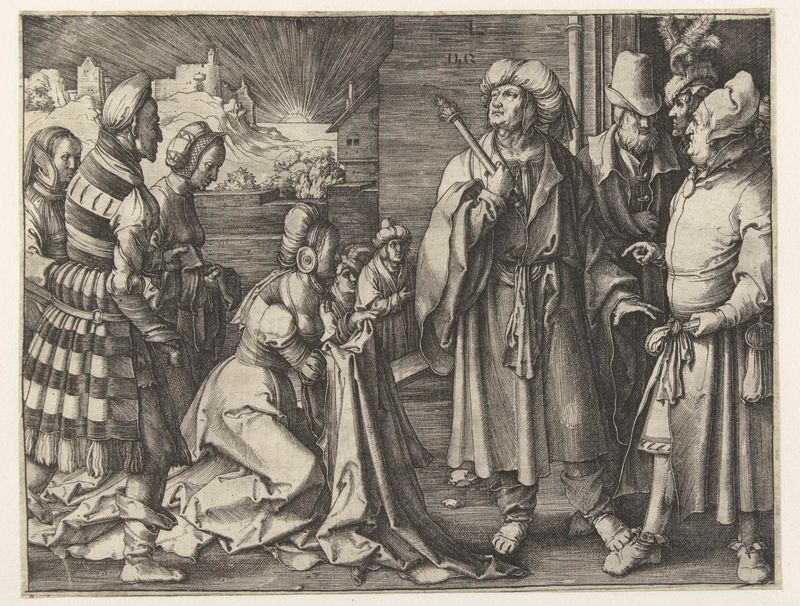
De vrouw van Potifar beschuldigt Jozef
Lucas van Leyden
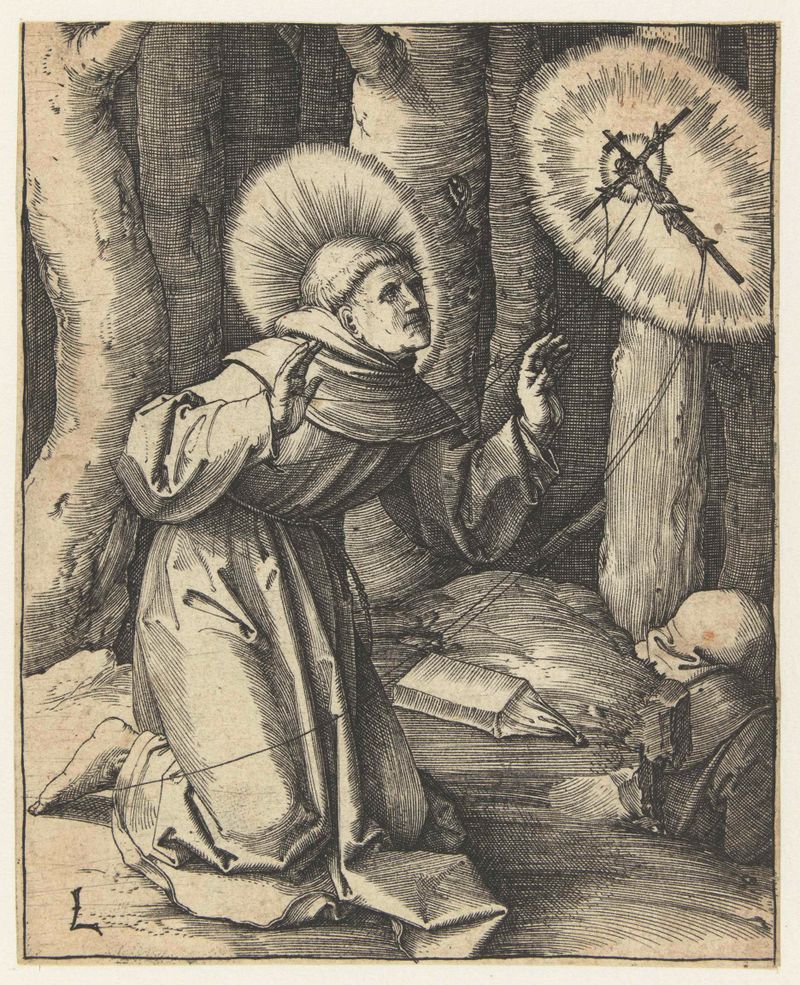
De stigmatisatie van de heilige Franciscus
Lucas van Leyden
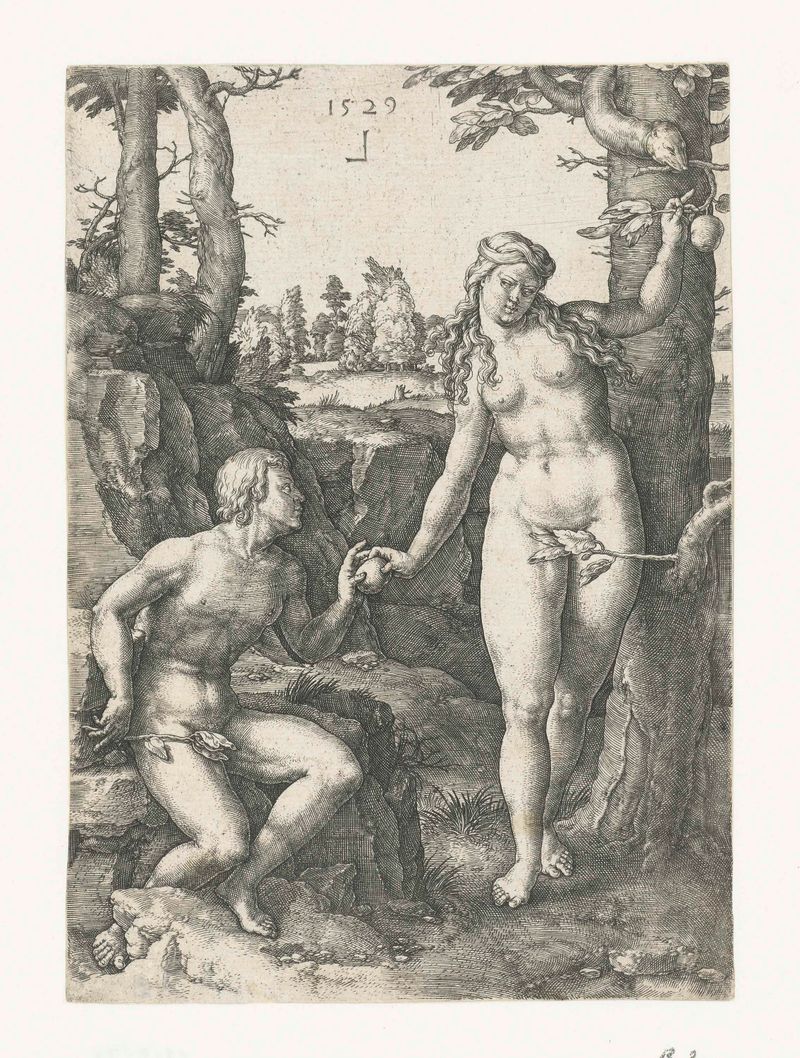
De zondeval
Lucas van Leyden
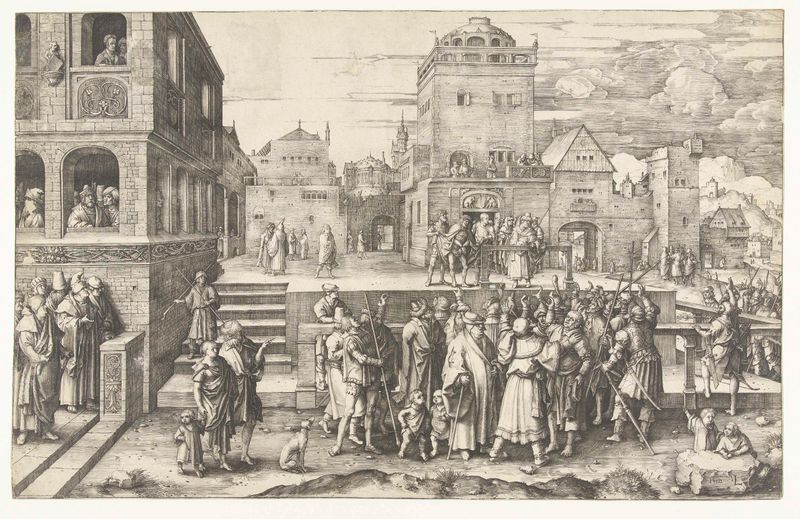
De grote Ecce Homo
Lucas van Leyden
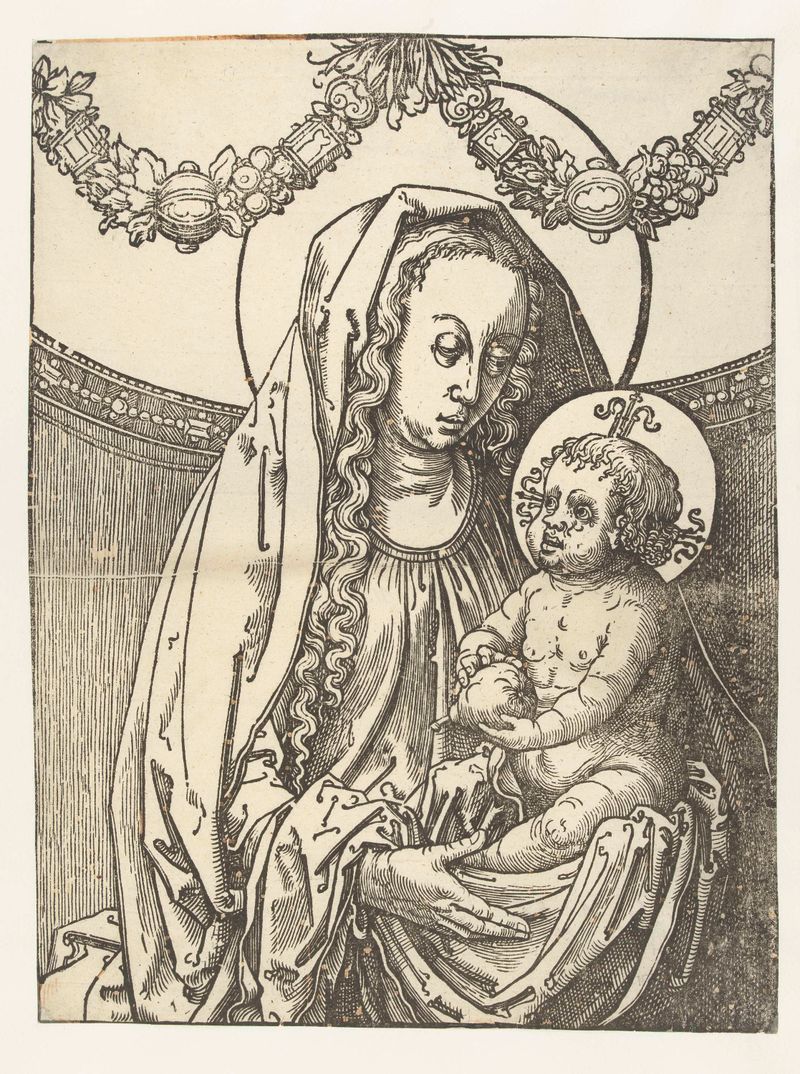
Maria met kind
Lucas van Leyden

Doornenkroning
Lucas van Leyden
More Religious Art
Browse all →
The Return of the Prodigal Son
Rembrandt van Rijn

The Garden of Earthly Delights
El Bosco

Count Orgaz’ funeral
El Greco

The Hundred Guilder Print: the central piece with Christ preaching, the plate arched
Rembrandt van Rijn

The Descent from the Cross
Rogier van der Weyden

The return of the prodigal son
Rembrandt van Rijn