
De paus doet zijn superioriteit over de keizer gelden en verspert hem de weg tot de stad — History & Facts
What secret hides in the quiet of the canvas? In the interplay of power and faith, Lucas Cranach captures a moment that transcends mere politics to evoke deep nostalgia for an era of certainty and authority. Look to the left at the imposing figure of the Pope, resplendent in vivid robes that shimmer with authority, casting a palpable shadow over the emperor. The rich reds and golds of his garments contrast starkly with the subdued tones of the surrounding landscape, emphasizing his dominance. Notice how the architectural lines of the city loom in the background, almost as if retreating from the divine presence.
The light illuminates the Pope's face with an ethereal glow, heightening the tension between the sacred and the secular. Yet, within this portrayal lies a complex dialogue of emotions. The emperor, caught in a moment of reverence and defiance, embodies the struggle between earthly power and spiritual supremacy. Their gestures, locked in a silent confrontation, hark back to an age where faith dictated the course of human affairs.
The sparse backgrounds amplify a sense of nostalgia, inviting viewers to reflect on the fragility of power and the weight of history that lingers in the air. During the early 1520s, Cranach was deeply entrenched in the heart of the Reformation, navigating the tumultuous landscape of German politics and religion. In Wittenberg, where he created this piece, the artist was influenced by the shifting tides of authority, as Martin Luther questioned the Papal dominance and redefined the role of faith in civic life. This painting serves as a poignant testament to that moment, encapsulating both the conflict and the transformation of an era.
More Artworks by Lucas Cranach (I)
Browse all →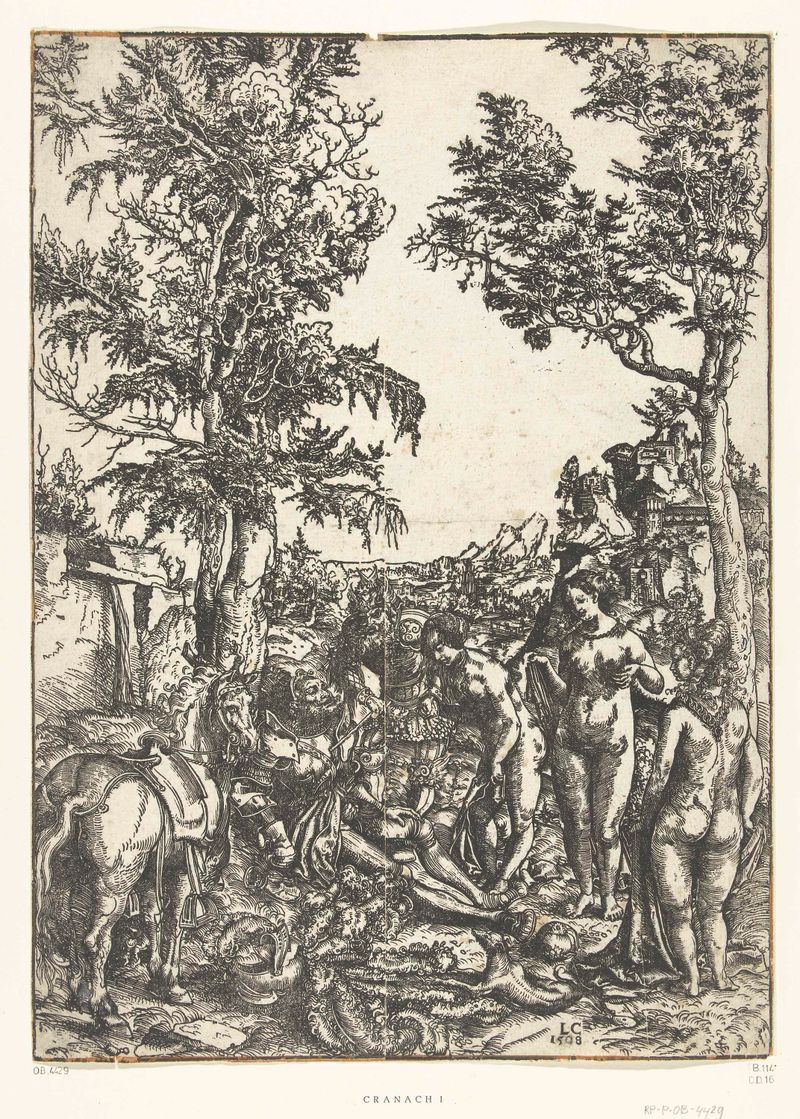
Oordeel van Paris
Lucas Cranach (I)
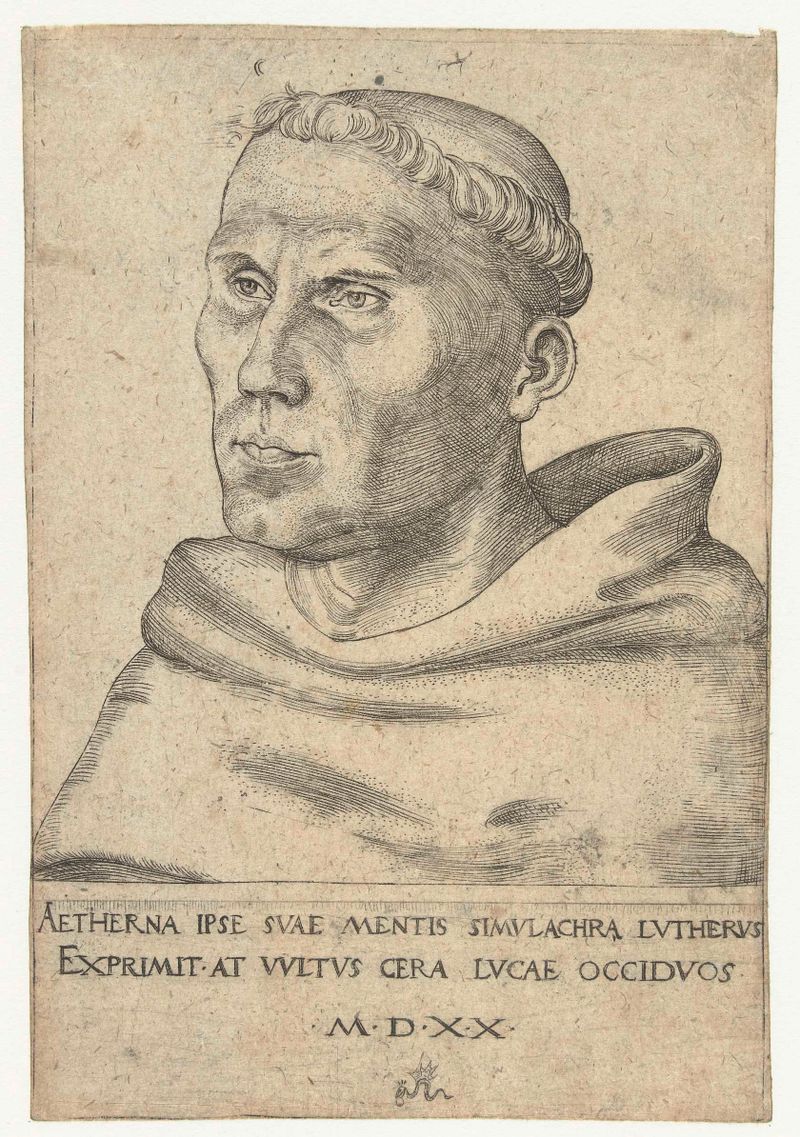
Portret van Martin Luther als Augustijner monnik
Lucas Cranach (I)
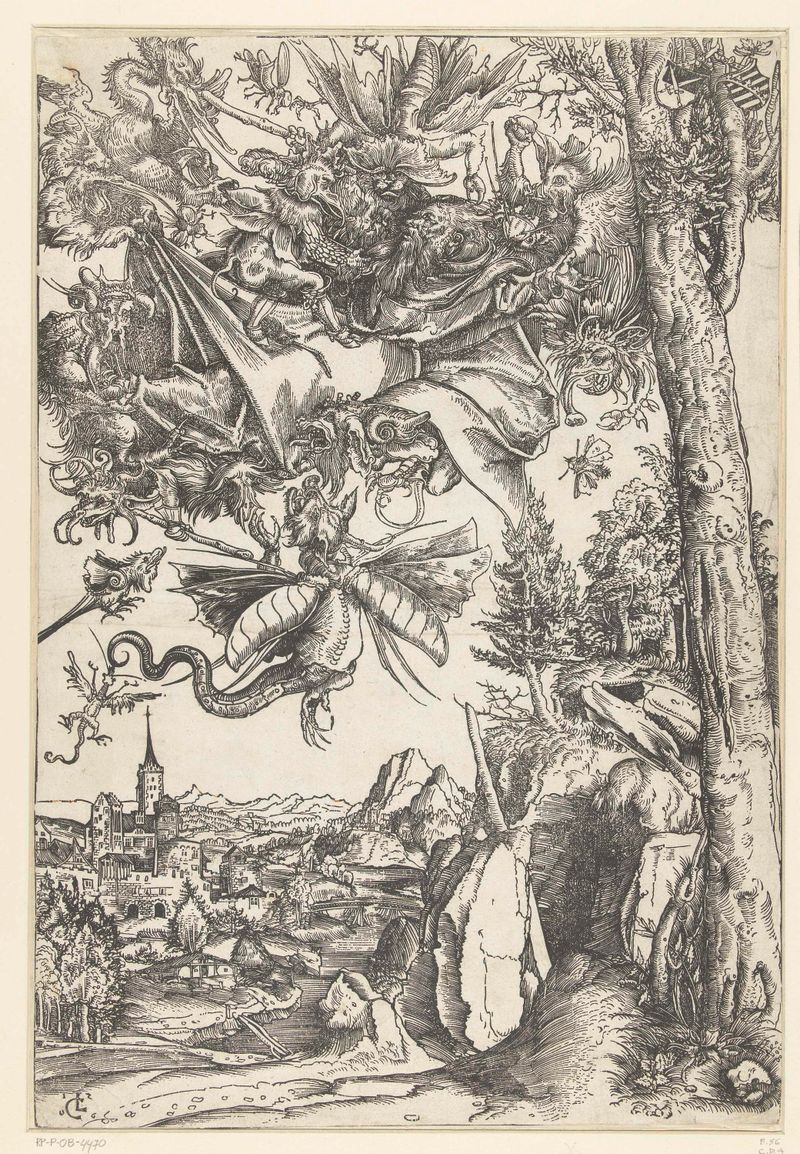
Verzoeking van Antonius met aanval door demonen
Lucas Cranach (I)

Christus en de Samaritaanse vrouw
Lucas Cranach (I)

Duits toernooi met twee edelmannen als ridders te paard
Lucas Cranach (I)
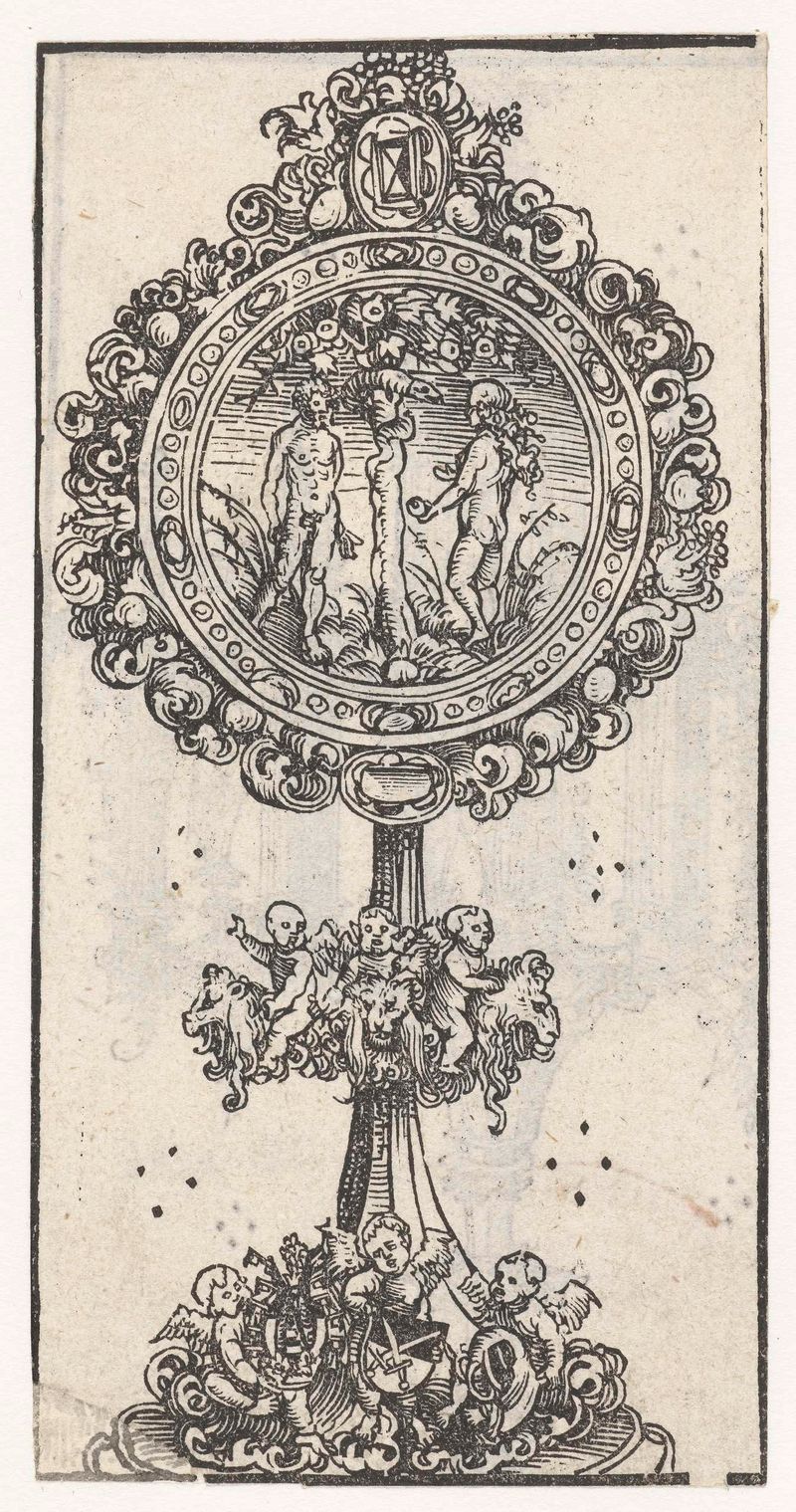
Reliekhouder met de verzoeking van Adam en Eva
Lucas Cranach (I)

Intocht van Christus in Jerusalem
Lucas Cranach (I)
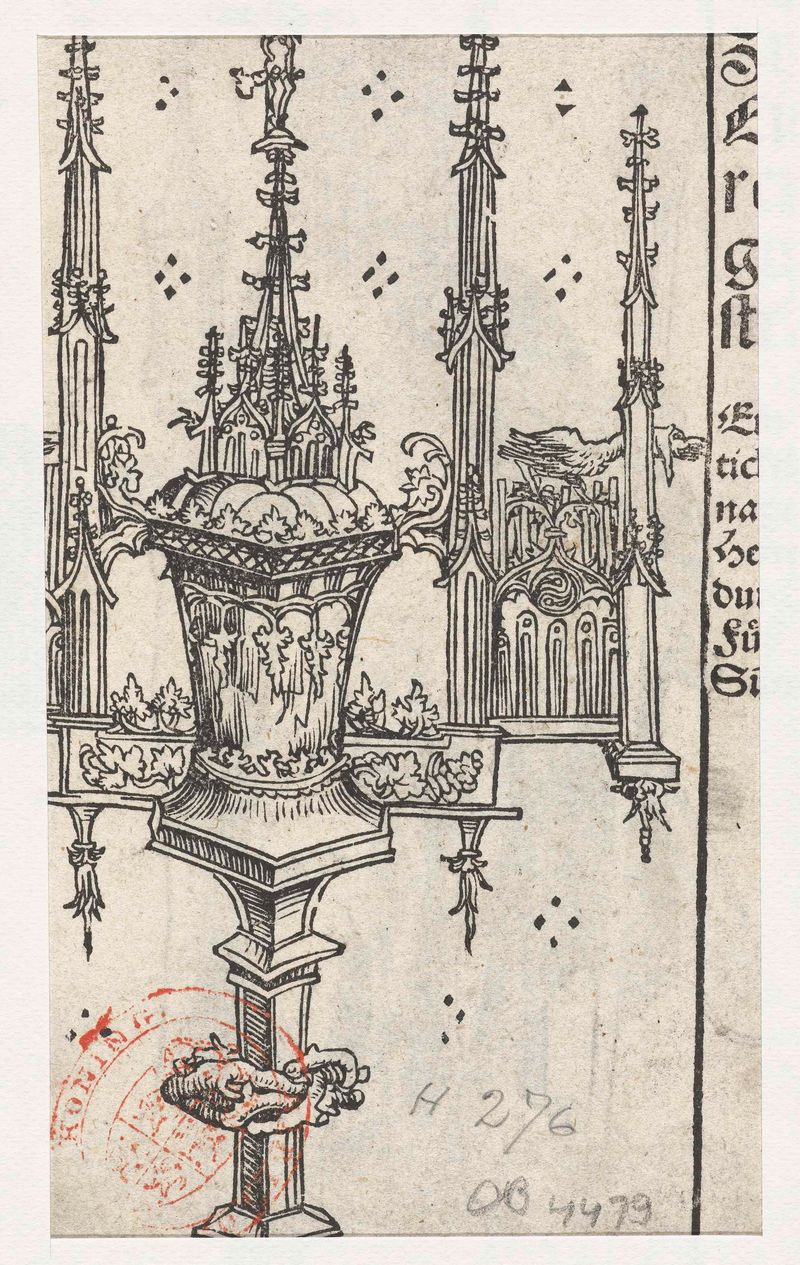
Monstrans met vogel (pelikaan)
Lucas Cranach (I)
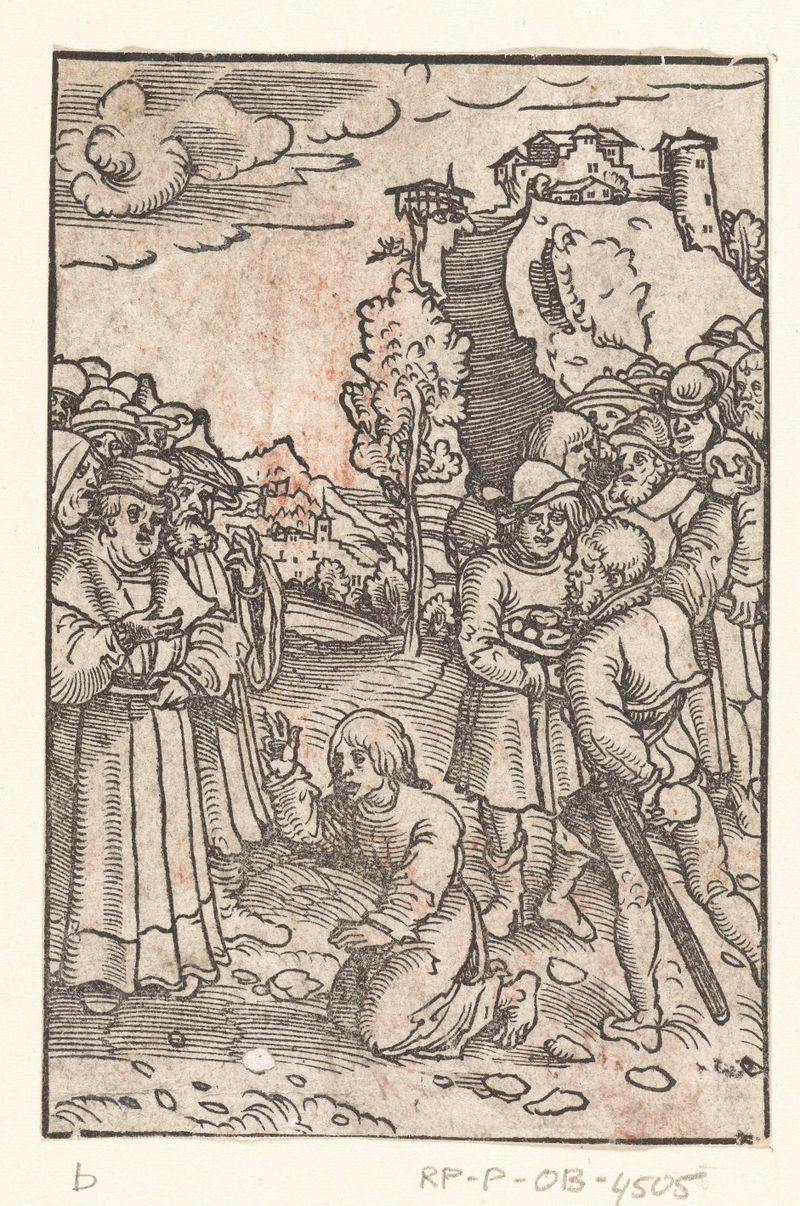
Steniging van Stefanus
Lucas Cranach (I)
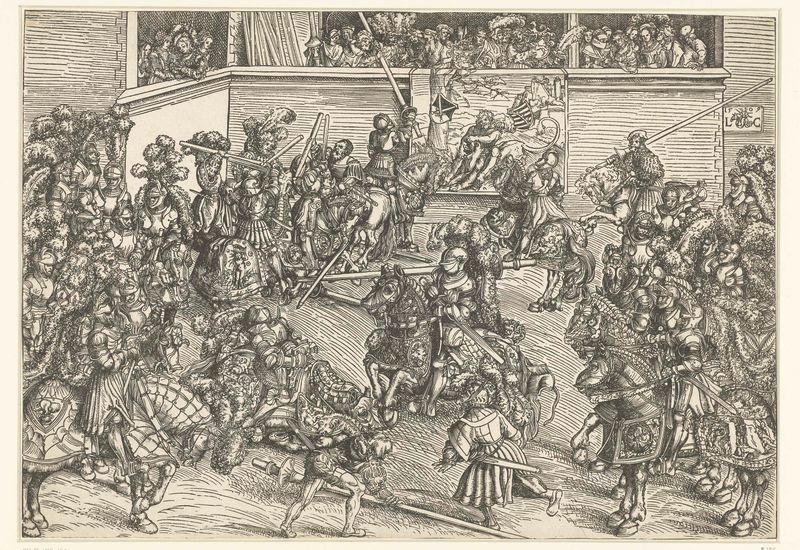
Toernooi van het keurvorstelijk hof van Saksen met wandtapijt Simson doodt de leeuw
Lucas Cranach (I)
More Historical Art
Browse all →
The Night Watch Militia Company of District II under the Command of Captain Frans Banninck Cocq
Rembrandt van Rijn

Lincoln Memorial
Henry Bacon

The Third of May 1808
Francisco de Goya

Isaac and Rebecca, Known as ‘The Jewish Bride’
Rembrandt van Rijn

The Charge of the Mamelukes (1814)
Francisco de Goya

De vier ruiters van de apocalyps
Albrecht Dürer