
De Raaks tussen de Jacobstraat en de Gedempte Oude Gracht te Haarlem — History & Facts
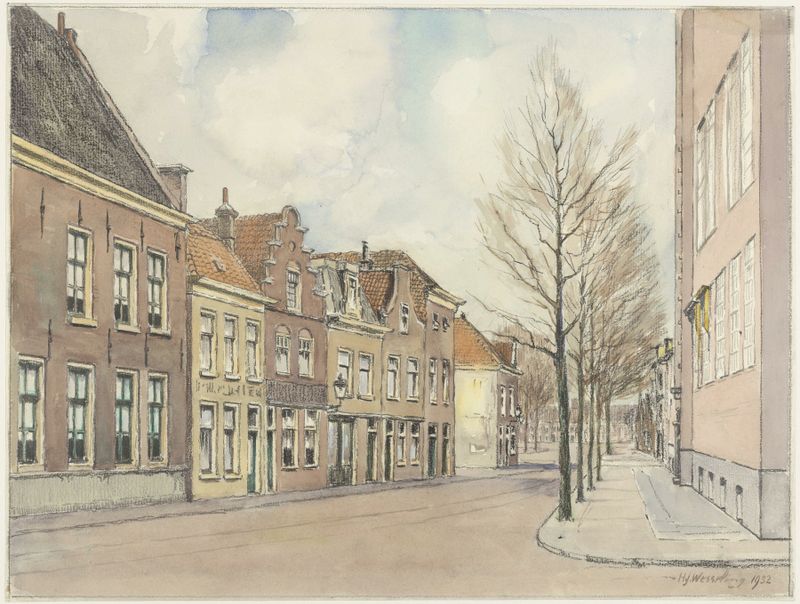
What if silence could speak through light? In the quiet stillness of a Haarlem street, whispers hang in the air, laden with the weight of unspoken betrayals and faded memories. Look to the center of the canvas where the soft glow of the early morning sun illuminates the buildings, casting long shadows that stretch like secrets across the cobblestone. The muted palette of ochres and grays captures the somber mood, while the sharp angles of the architecture create a sense of confinement, as if the viewer is peering into a world trapped in time. The brushwork is delicate, revealing Wesseling’s meticulous attention to detail—each window, each brick, is painted with a reverence that invites contemplation. Beneath the serene façade lies a tension ripe with emotional depth.
The juxtaposition of light and shadow speaks to the duality of existence—moments of beauty often conceal deeper truths. The absence of life in the scene amplifies the feeling of isolation, suggesting perhaps that the silence is a haunting echo of past interactions. Was this once a bustling neighborhood, now reduced to a mere shell of its former self? The viewer is left to ponder the stories that unfold within its walls, the betrayals hidden beneath their surfaces. In 1932, Wesseling was reflecting the changing tides of Dutch society, marked by the aftermath of World War I and the looming specter of economic uncertainty.
Living in Haarlem, he was increasingly aware of the emotional weight that architecture can carry—structures holding memories of both joy and sorrow. This period in his life was characterized by a desire to capture the essence of place, making De Raaks tussen de Jacobstraat en de Gedempte Oude Gracht te Haarlem a poignant exploration of silence and the gaps left by time.
More Artworks by Hendrik Jan Wesseling
Browse all →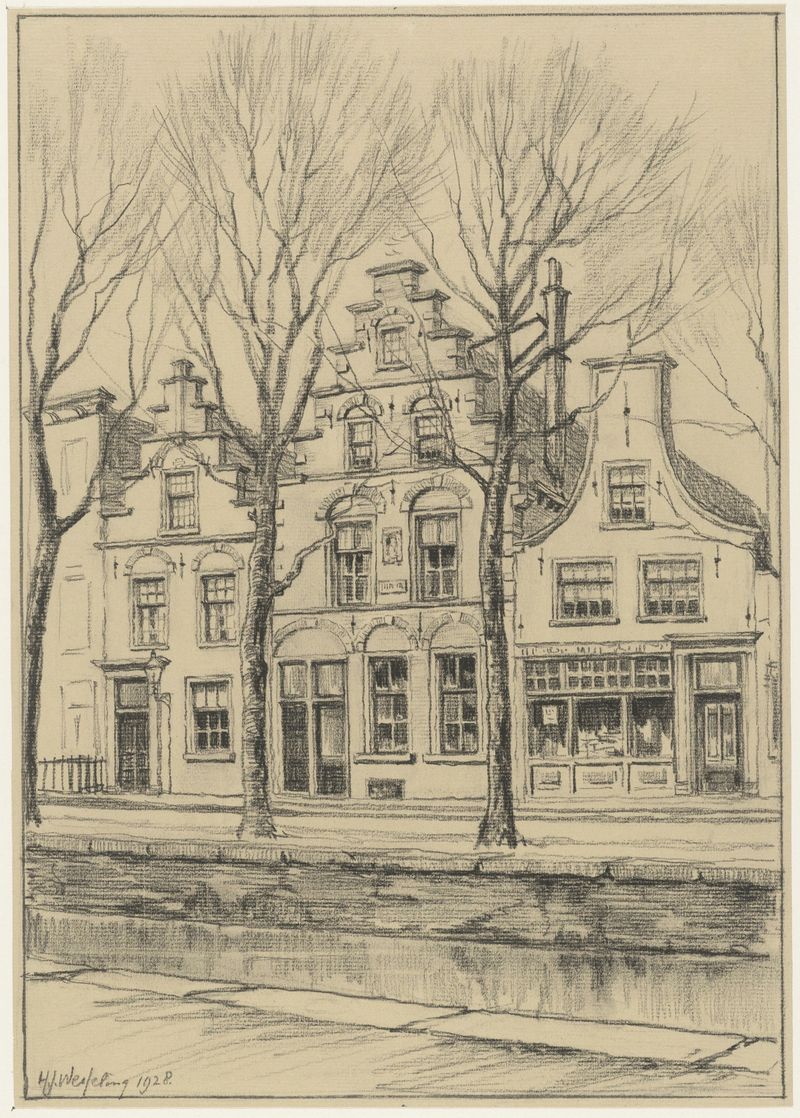
Bakenessergracht 55 (huis van Ph.Wouwerman) en aangrenzende huizen
Hendrik Jan Wesseling
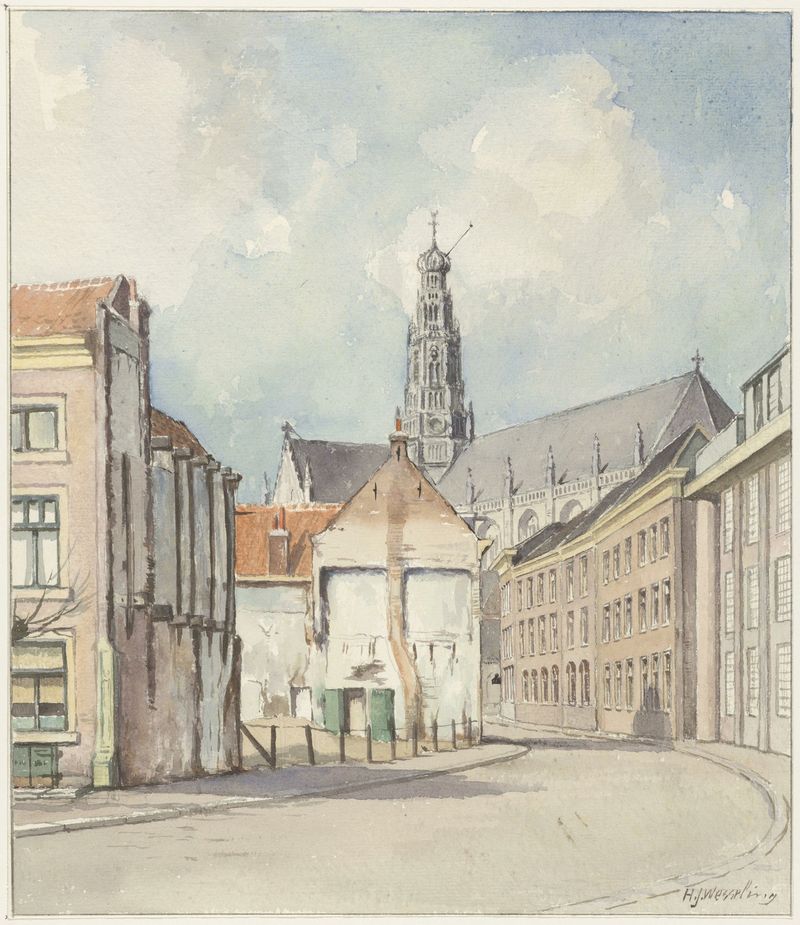
Damstraat, ziende naar het westen (tijdens afbraak der huizen aan de zuidzijde)
Hendrik Jan Wesseling

Lange Brug, zuidwestzijde en omgeving
Hendrik Jan Wesseling
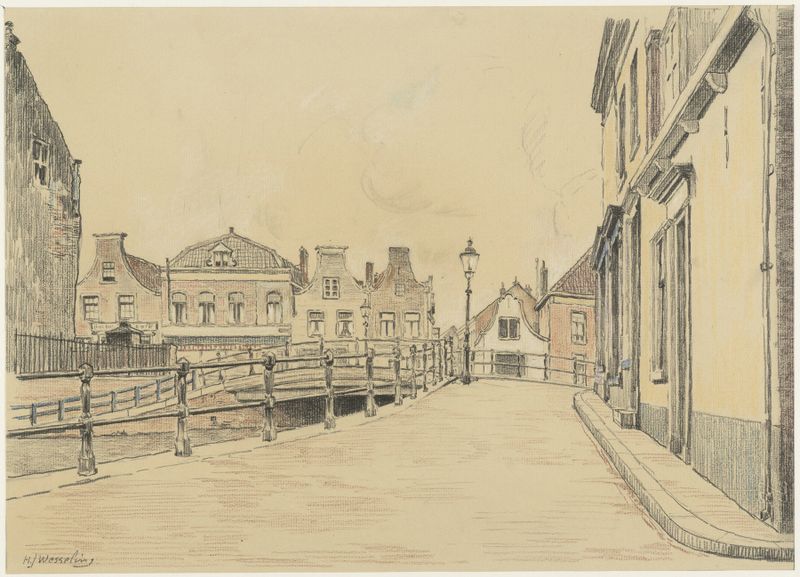
Korte Brug, westzijde, met Korte Spaarne en Burgwal
Hendrik Jan Wesseling
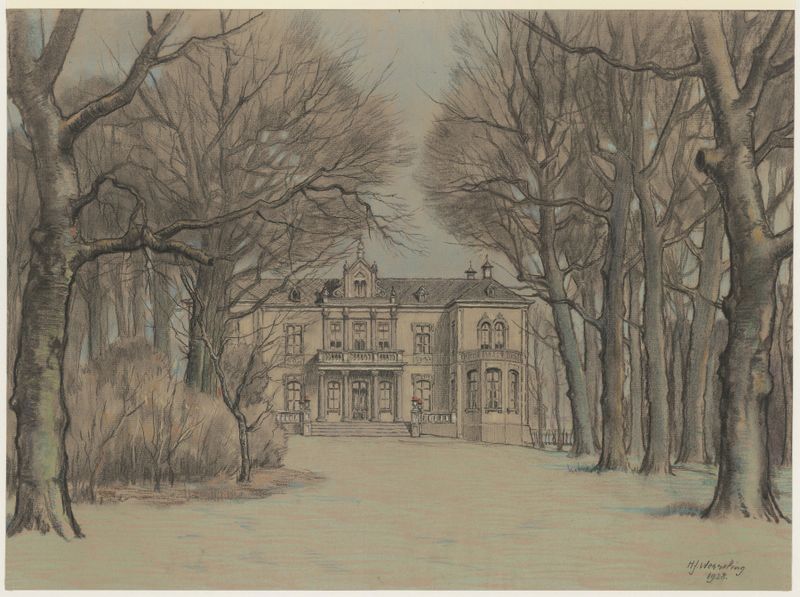
Gezicht op de voorgevel van de buitenplaats Spaar en Hout vanuit de tuin
Hendrik Jan Wesseling
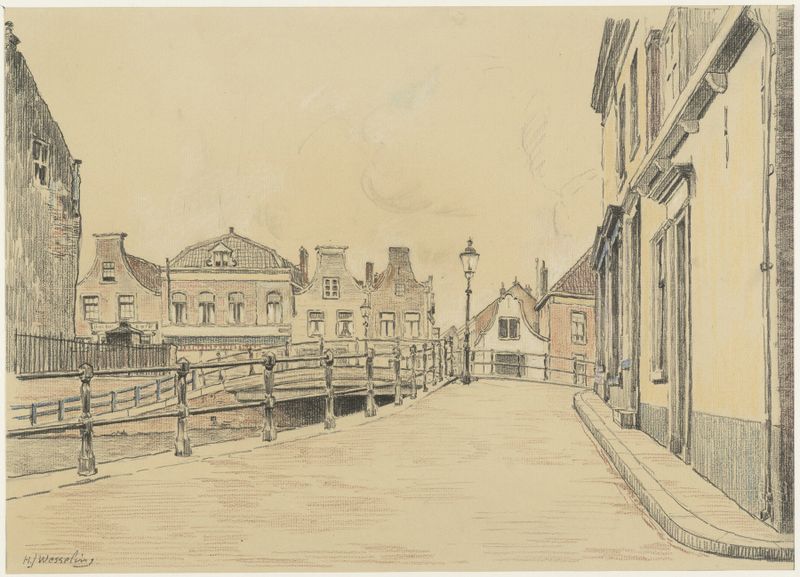
Korte Brug Westzijde Met Korte Spaarne en Burgwal
Hendrik Jan Wesseling
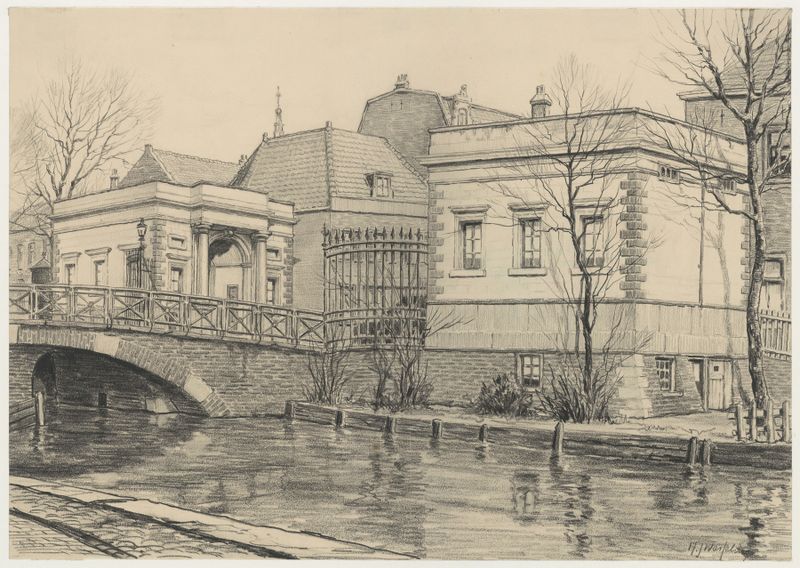
Kommiezenhuisjes, zuidoostzijde, en gedeelte der Grote Houtbrug
Hendrik Jan Wesseling
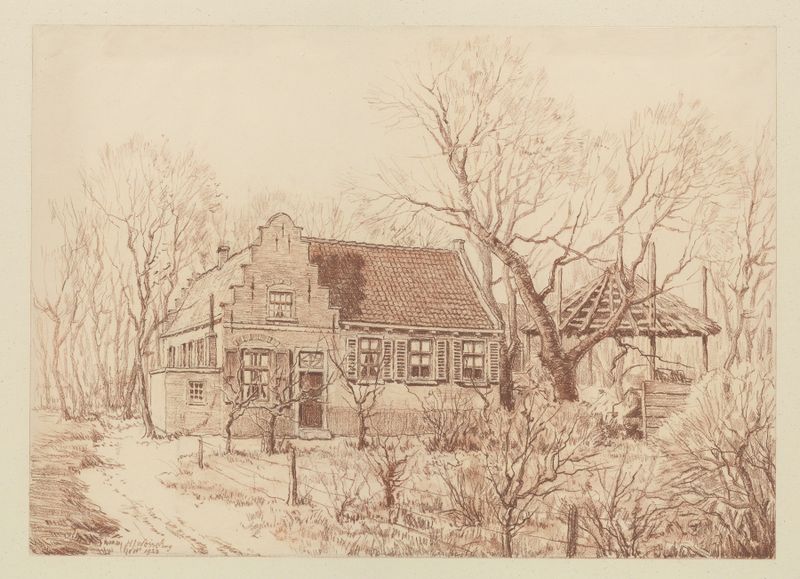
Gezicht op de boerderij Schoterbosch.
Hendrik Jan Wesseling
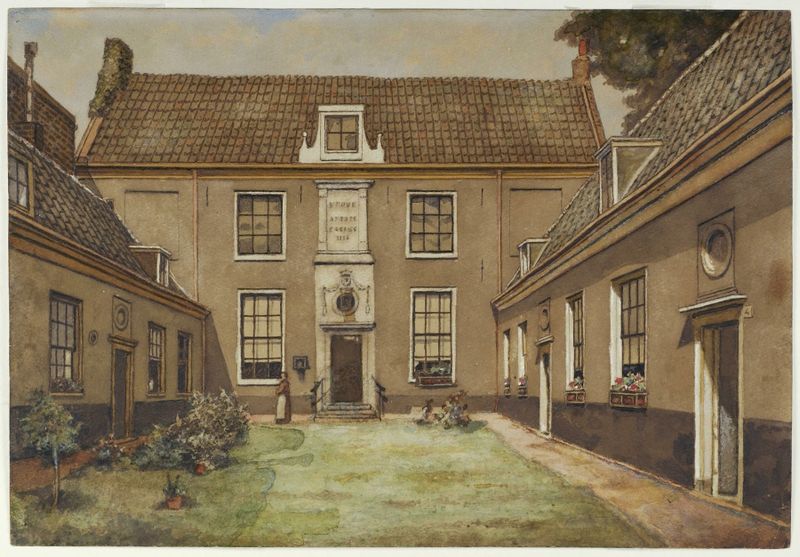
Het Vrouwe- en Antoniegasthuis aan het Klein Heiligland 64 te Haarlem
Hendrik Jan Wesseling
Raaks, ziende naar het westen
Hendrik Jan Wesseling
More Architecture Art
Browse all →
The statue of Liberty
Frédéric Auguste Bartholdi

View of Houses in Delft, Known as ‘The Little Street’
Johannes Vermeer

View of Houses in Delft, Known as ‘The Little Street’
Johannes Vermeer

The Cathedral in Rouen. The portal, Grey Weather
Claude Monet

The yellow house
Vincent van Gogh

The Church in Auvers-sur-Oise, View from the Chevet
Vincent van Gogh