
Korte Brug, westzijde, met Korte Spaarne en Burgwal — History & Facts
Is this a mirror — or a memory? The stillness of the water reflects a world both familiar and elusive, suggesting that fear often lies in the spaces we cannot fully grasp. Look to the center, where the bridge arches gracefully, its curves drawing the eye across the canvas. Notice how Wesseling employs soft blues and muted browns, capturing not only the scene’s physical elements but also the interplay of light and shadow. The gentle ripples in the water echo the shapes above, creating a harmonious balance that belies an underlying tension.
Each brushstroke invites the viewer to wander, yet remains firmly rooted in the moment. As you explore the composition, consider the interplay of the bridge and its reflection. The subtle distortions in the water hint at the fragility of memory, suggesting that what we see is not always what is real. There’s a palpable contrast between the sharp lines of the architecture and the fluidity of the water, evoking the fear that memories can twist and transform over time.
The absence of figures amplifies this emotion, leaving viewers alone with their thoughts, confronting the void between past and present. Painted in 1930, Wesseling's work emerges from a period marked by economic and social upheaval in Europe. Living in Haarlem, he captured local scenes that resonated with both nostalgia and uncertainty. This intersection of personal and collective experience reflects the broader movement in Dutch art toward a more introspective approach, seeking to convey the complexities beneath the surface of everyday life.
More Artworks by Hendrik Jan Wesseling
Browse all →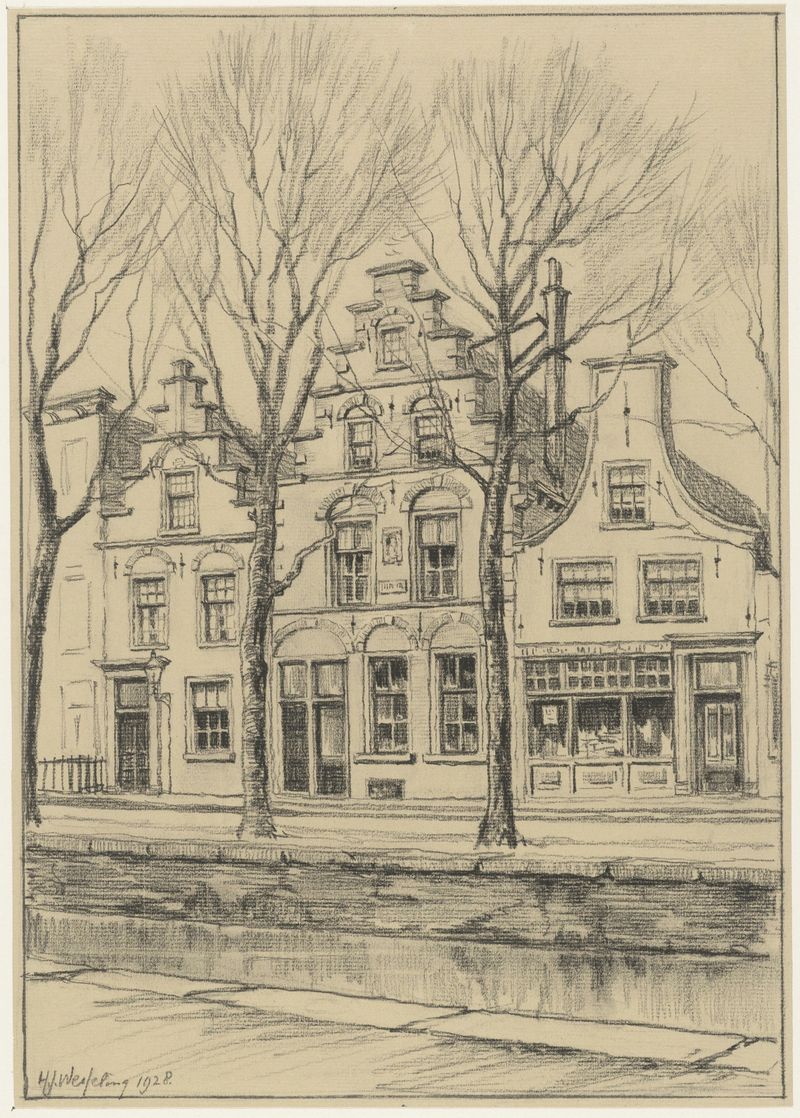
Bakenessergracht 55 (huis van Ph.Wouwerman) en aangrenzende huizen
Hendrik Jan Wesseling
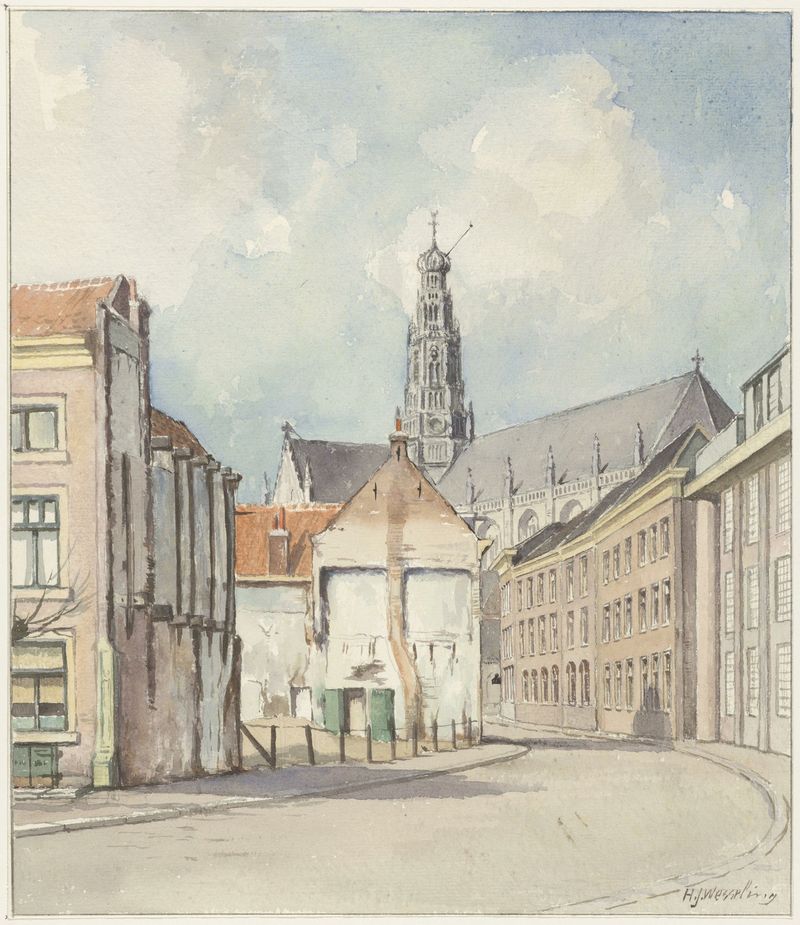
Damstraat, ziende naar het westen (tijdens afbraak der huizen aan de zuidzijde)
Hendrik Jan Wesseling

Lange Brug, zuidwestzijde en omgeving
Hendrik Jan Wesseling
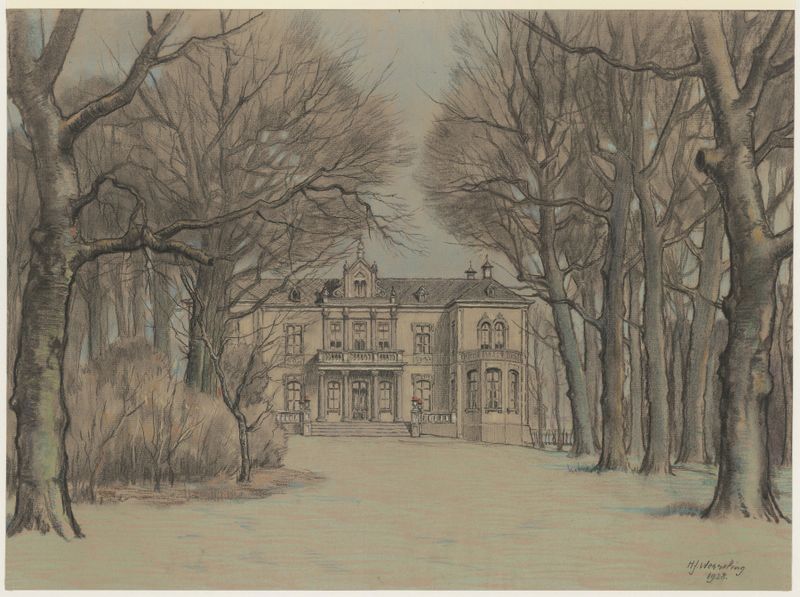
Gezicht op de voorgevel van de buitenplaats Spaar en Hout vanuit de tuin
Hendrik Jan Wesseling
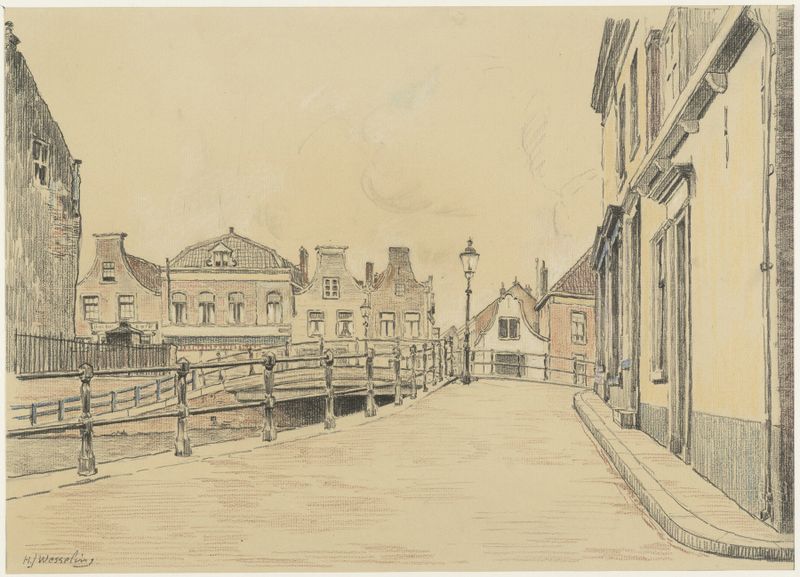
Korte Brug Westzijde Met Korte Spaarne en Burgwal
Hendrik Jan Wesseling
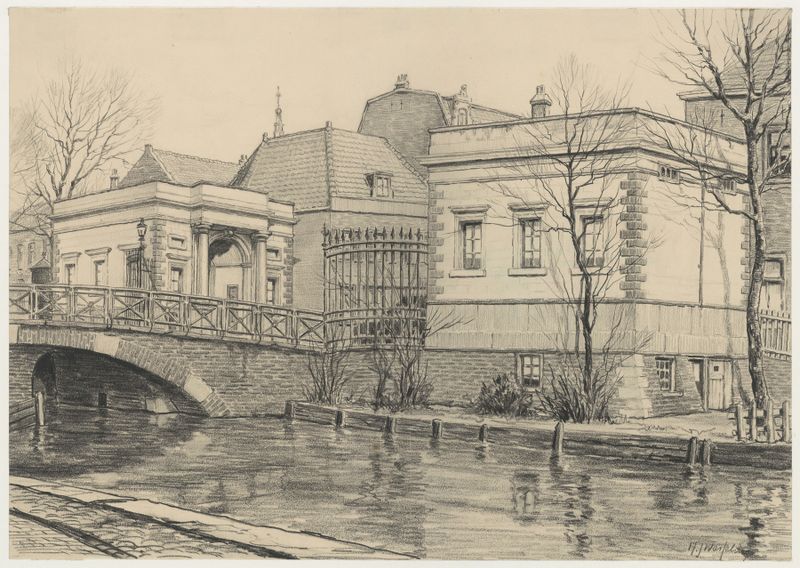
Kommiezenhuisjes, zuidoostzijde, en gedeelte der Grote Houtbrug
Hendrik Jan Wesseling
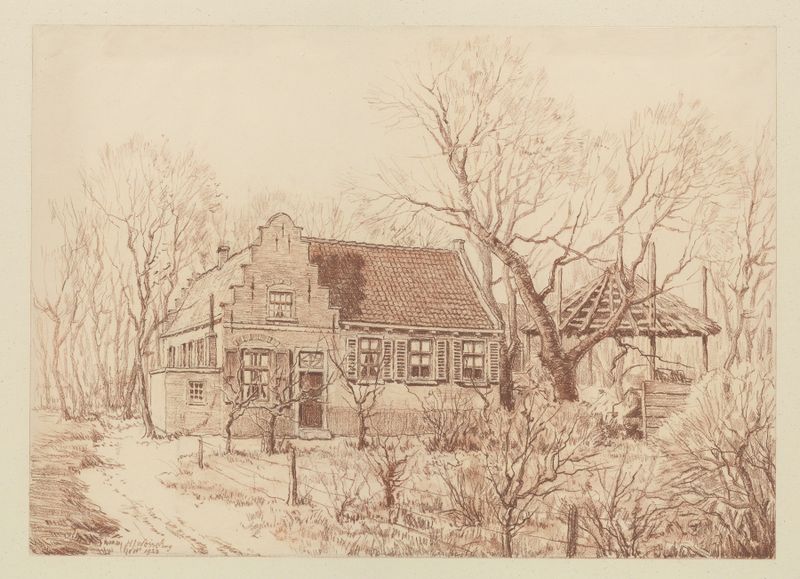
Gezicht op de boerderij Schoterbosch.
Hendrik Jan Wesseling
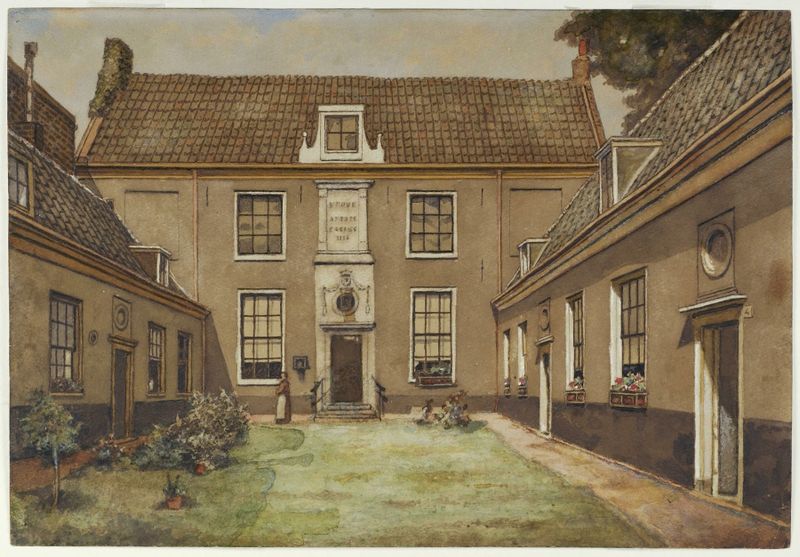
Het Vrouwe- en Antoniegasthuis aan het Klein Heiligland 64 te Haarlem
Hendrik Jan Wesseling
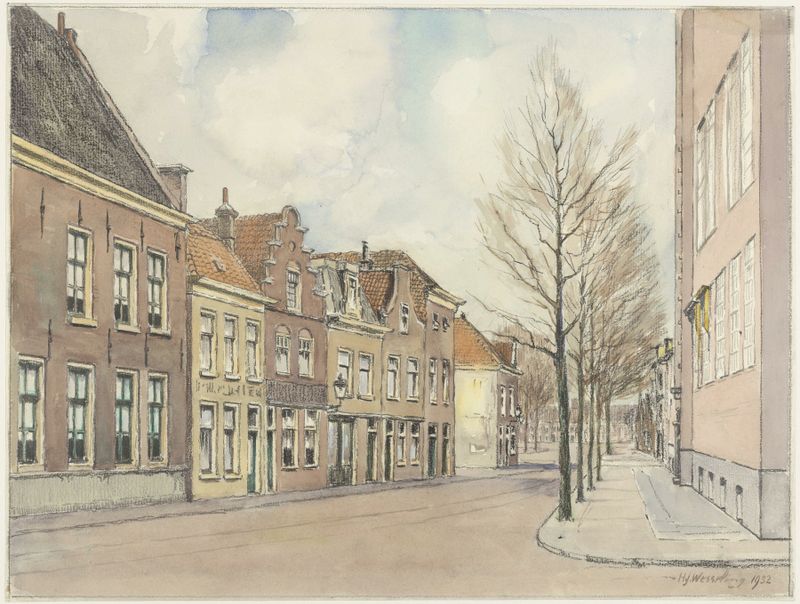
Raaks, ziende naar het westen
Hendrik Jan Wesseling
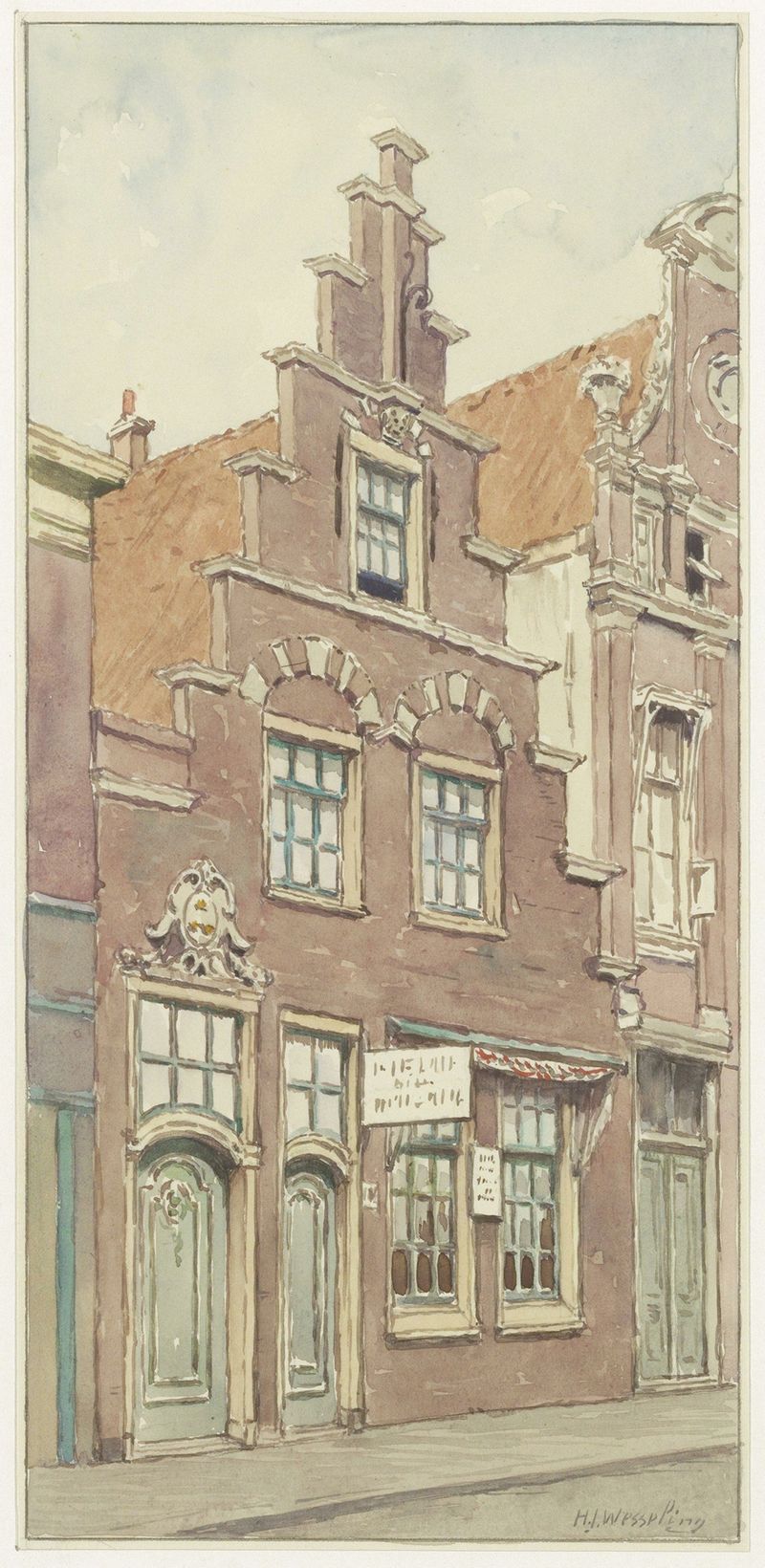
Kleine Houtstraat 116
Hendrik Jan Wesseling





