
Raaks, ziende naar het westen — History & Facts
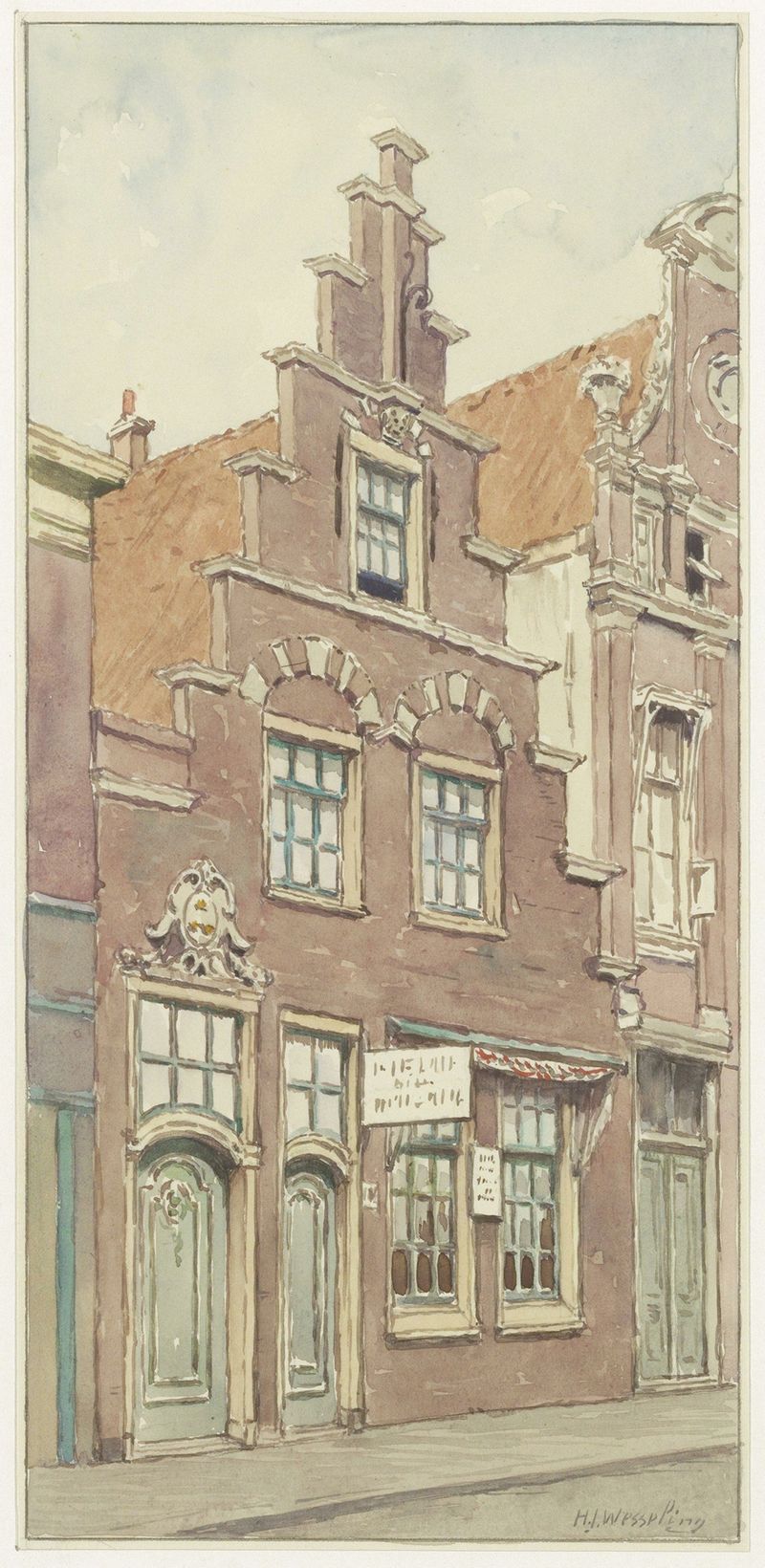
What secret hides in the quiet of the canvas? Yearning whispers through every brushstroke, echoing the deep desire for connection, for understanding, that lingers in our souls. Look to the left at the gentle curve of the horizon, where the soft hues of twilight blend—a delicate transition from day to night. The muted colors, with their shades of blue and gold, create a serene yet poignant atmosphere. Notice how the figures are positioned, their gazes fixed to the west, embodying a collective longing.
Each contour of their faces tells a story, as if time has momentarily paused to witness the beauty and melancholy of the fading light. The contrast between the figures and the vastness of the landscape emphasizes the isolation inherent in their yearning. The distant mountains loom large and unyielding, suggesting the barriers that separate them from what they seek. Subtle details, such as the delicate play of light on their clothing, hint at the warmth of memories intertwined with their current plight, creating a tension between the past and the present.
Together, these elements invite the viewer to reflect on their own aspirations and the often unattainable nature of those dreams. Hendrik Jan Wesseling created Raaks, ziende naar het westen in 1932 during a tumultuous period in Europe, marked by economic instability and a shift in artistic movements. As he navigated the complexities of post-World War I sentiments, Wesseling sought to capture human emotions in the face of external adversity, cultivating a style that blended realism with a touch of emotive abstraction. This work stands as a testament to his ability to evoke universal feelings of longing and hope amidst the chaos of the age.
More Artworks by Hendrik Jan Wesseling
Browse all →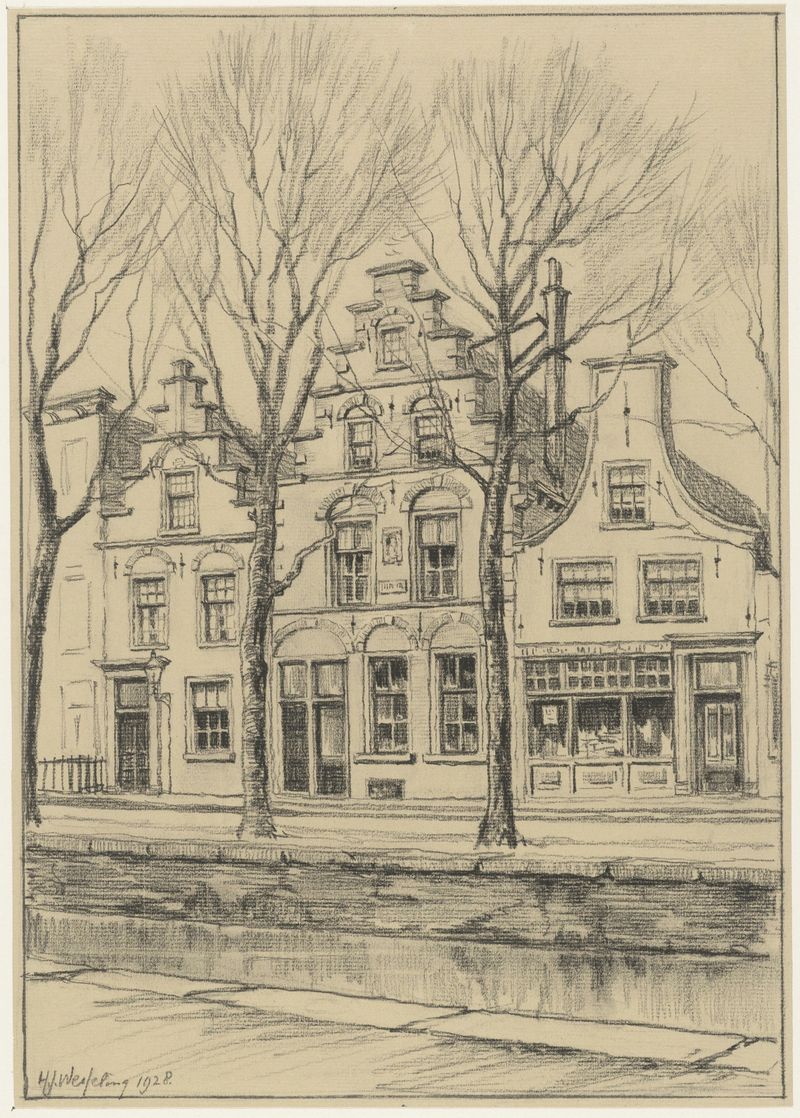
Bakenessergracht 55 (huis van Ph.Wouwerman) en aangrenzende huizen
Hendrik Jan Wesseling
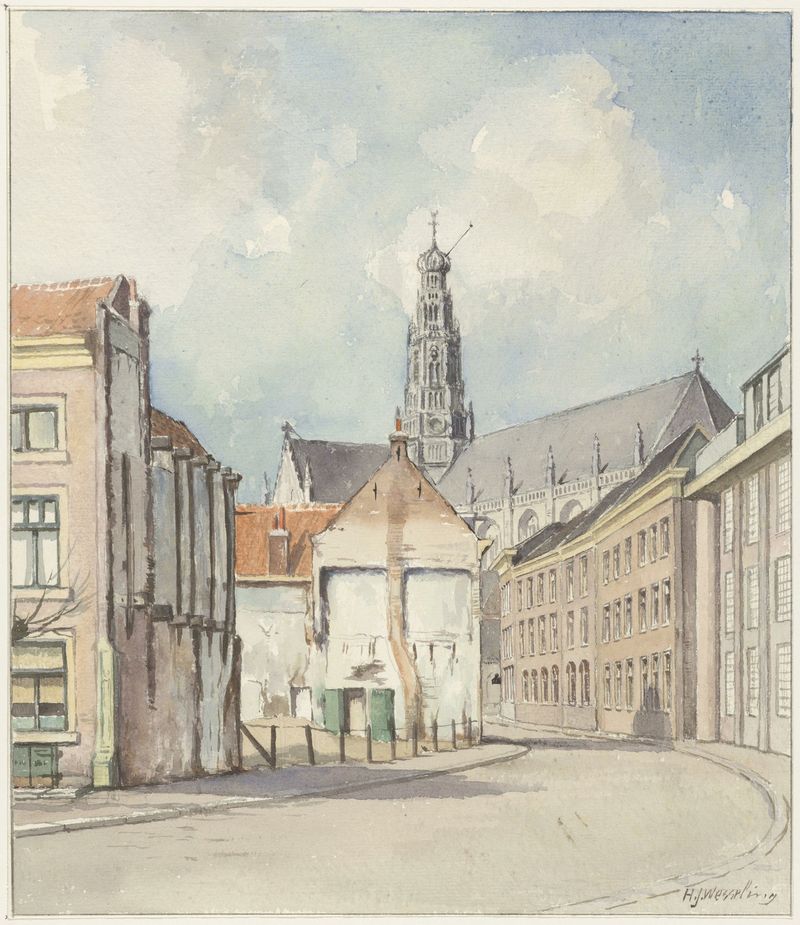
Damstraat, ziende naar het westen (tijdens afbraak der huizen aan de zuidzijde)
Hendrik Jan Wesseling

Lange Brug, zuidwestzijde en omgeving
Hendrik Jan Wesseling
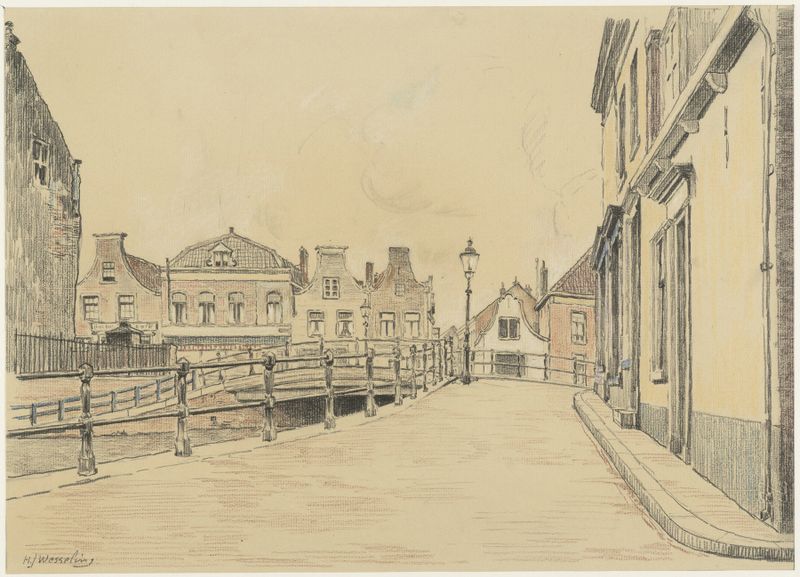
Korte Brug, westzijde, met Korte Spaarne en Burgwal
Hendrik Jan Wesseling
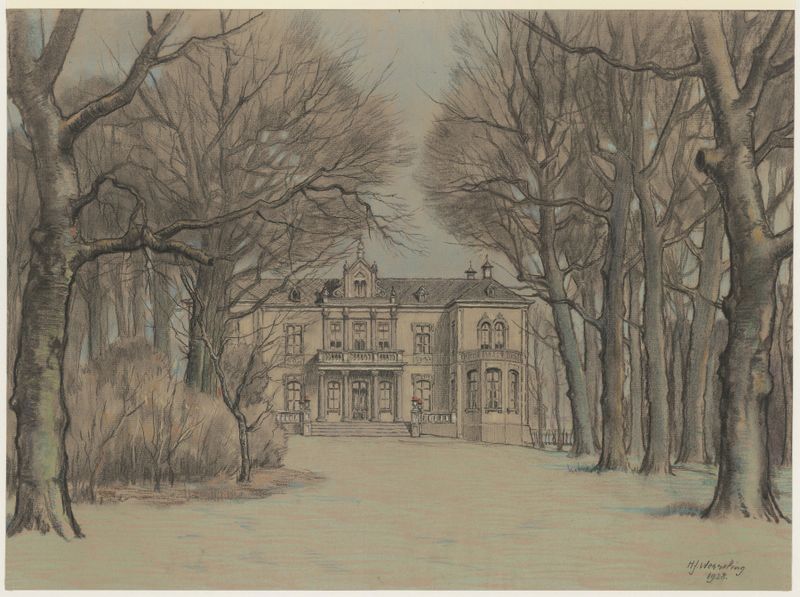
Gezicht op de voorgevel van de buitenplaats Spaar en Hout vanuit de tuin
Hendrik Jan Wesseling
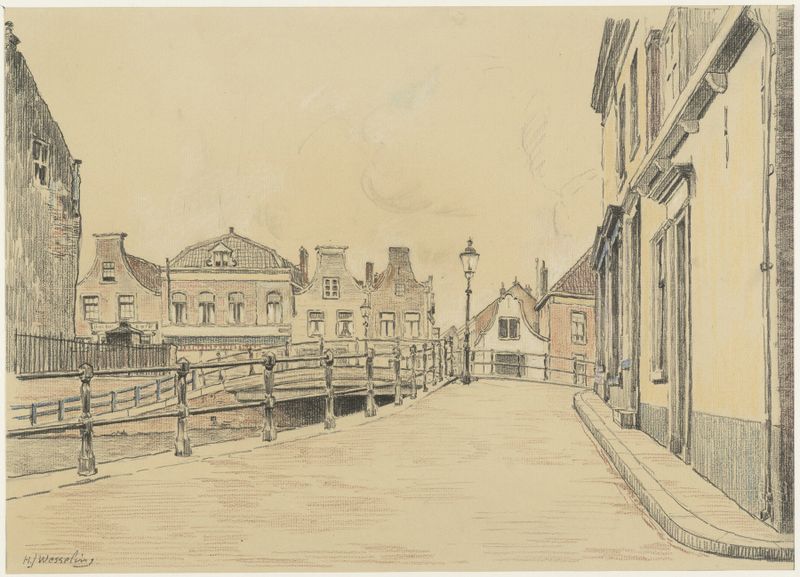
Korte Brug Westzijde Met Korte Spaarne en Burgwal
Hendrik Jan Wesseling
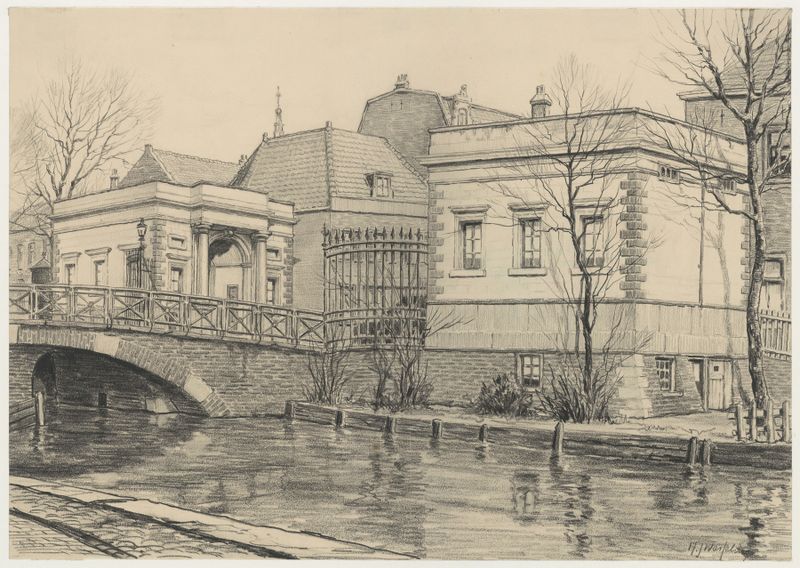
Kommiezenhuisjes, zuidoostzijde, en gedeelte der Grote Houtbrug
Hendrik Jan Wesseling
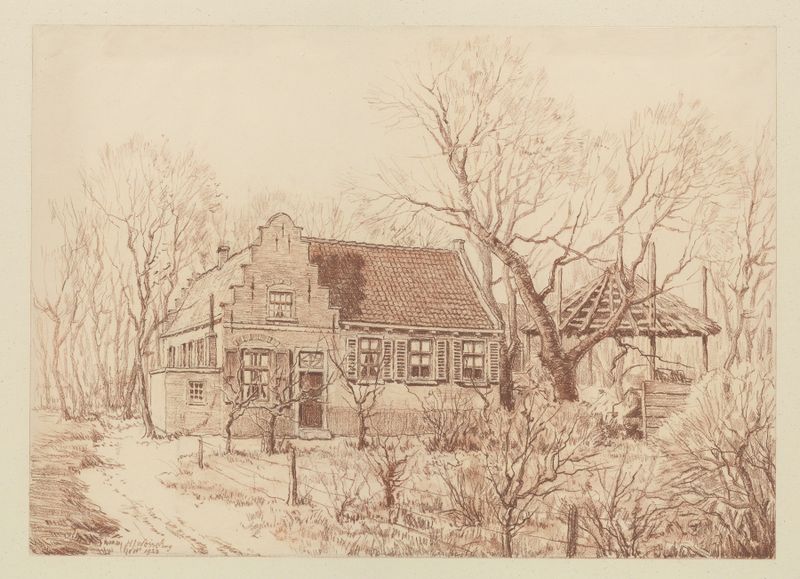
Gezicht op de boerderij Schoterbosch.
Hendrik Jan Wesseling
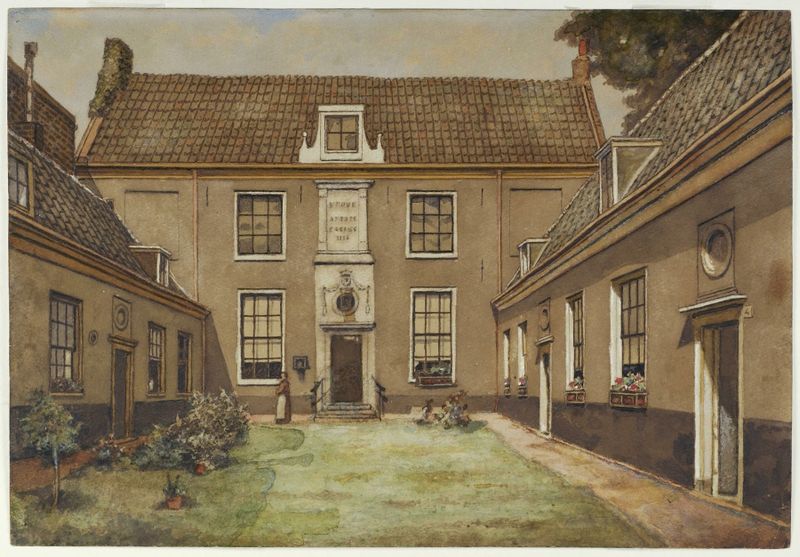
Het Vrouwe- en Antoniegasthuis aan het Klein Heiligland 64 te Haarlem
Hendrik Jan Wesseling
Kleine Houtstraat 116
Hendrik Jan Wesseling





