
Gezicht op de voorgevel van de buitenplaats Spaar en Hout vanuit de tuin — History & Facts
This yearning evokes an inner world where emotions converge, reflected through the landscapes we inhabit. It is within this delicate balance that the heart finds its home, resonating with the essence of a place like no other. Look closely at the foreground of Gezicht op de voorgevel van de buitenplaats Spaar en Hout vanuit de tuin, where meticulously painted greens embrace the soft contours of the garden. The eye is drawn first to the stately façade of the estate, its rich, warm hues contrasting with the cool, serene blues of the sky above.
The artist’s technique captures an ethereal quality, revealing dappled sunlight filtering through leaves, creating a dance of light and shadow that invites contemplation. Underneath the surface of this idyllic scene lies a tension between permanence and transience. The grandeur of the estate stands as a testament to human aspiration, yet the fragile beauty of the garden suggests the fleeting nature of life. Each petal, every blade of grass, sways gently in an unseen breeze, whispering secrets of both hope and nostalgia.
The harmony between the structured architecture and the wildness of nature speaks to the deep yearning for connection with our surroundings. In 1928, Hendrik Jan Wesseling painted this work during a period marked by a transitional phase in Dutch art, where traditional themes began reshaping towards modernism. Wesseling, influenced by the lush landscapes of his native Netherlands, sought to capture the relationship between man and nature at a time when society was grappling with the aftermath of World War I. His brushwork reflects both a personal and collective quest for beauty and solace amidst change.
More Artworks by Hendrik Jan Wesseling
Browse all →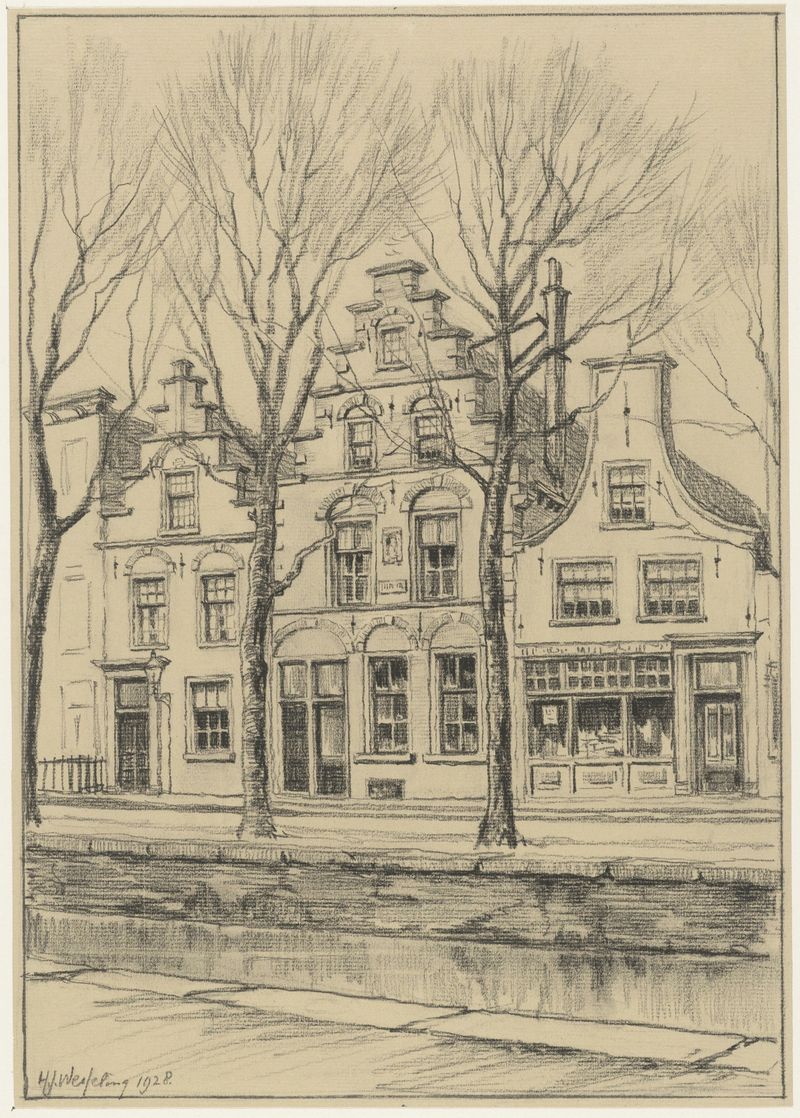
Bakenessergracht 55 (huis van Ph.Wouwerman) en aangrenzende huizen
Hendrik Jan Wesseling
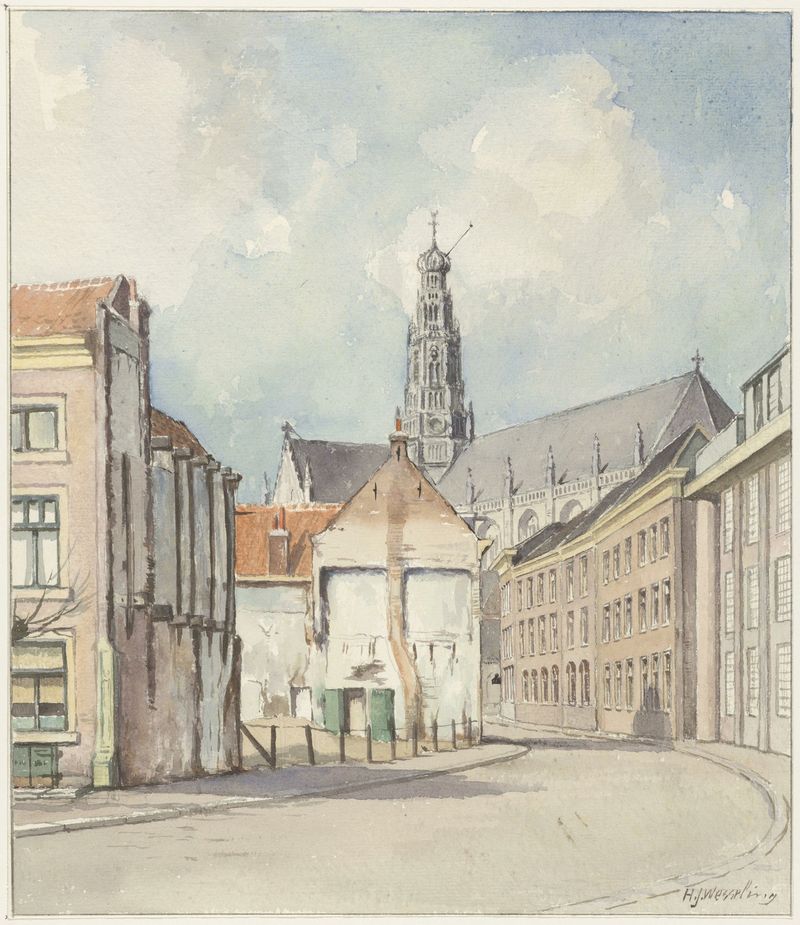
Damstraat, ziende naar het westen (tijdens afbraak der huizen aan de zuidzijde)
Hendrik Jan Wesseling

Lange Brug, zuidwestzijde en omgeving
Hendrik Jan Wesseling
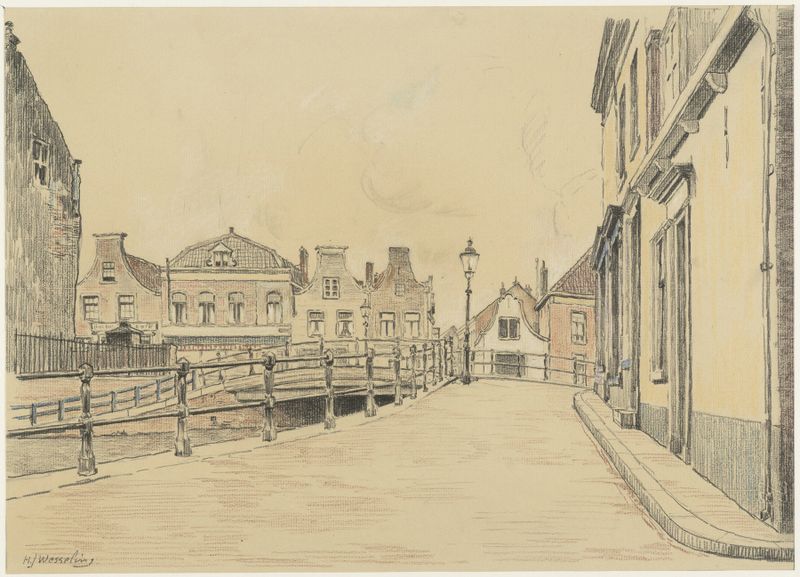
Korte Brug, westzijde, met Korte Spaarne en Burgwal
Hendrik Jan Wesseling
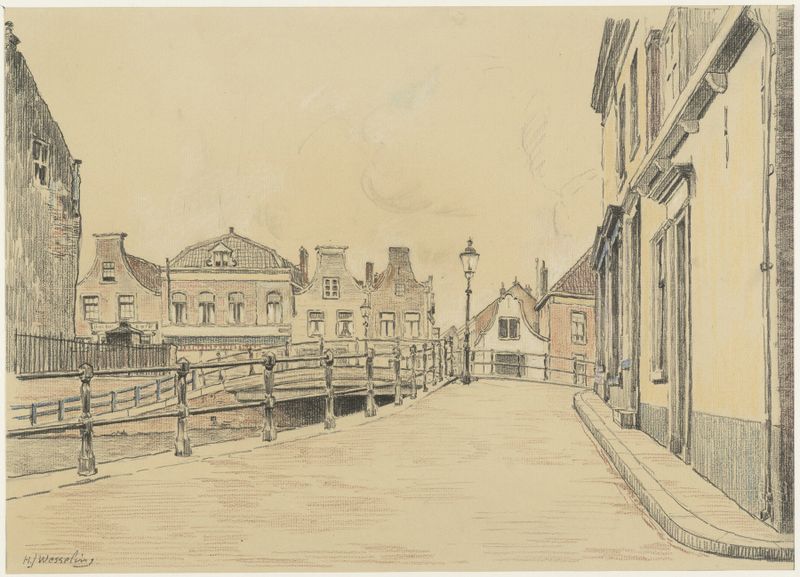
Korte Brug Westzijde Met Korte Spaarne en Burgwal
Hendrik Jan Wesseling
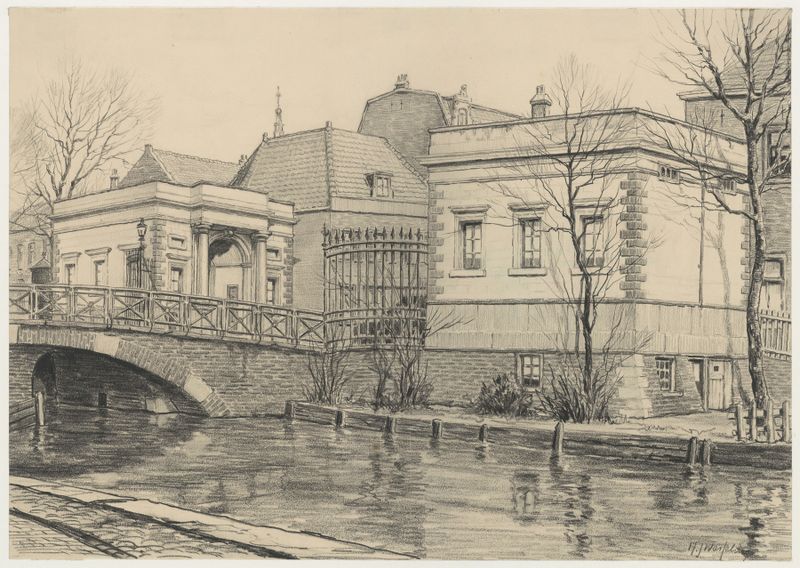
Kommiezenhuisjes, zuidoostzijde, en gedeelte der Grote Houtbrug
Hendrik Jan Wesseling
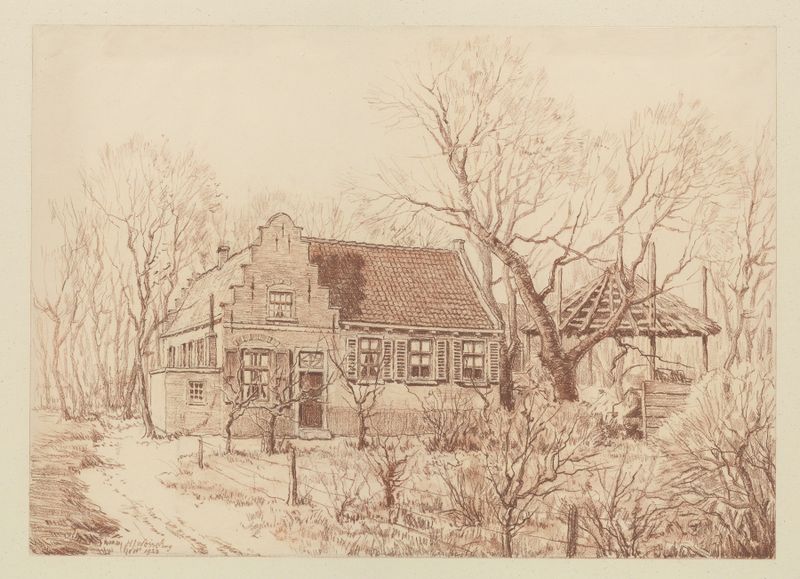
Gezicht op de boerderij Schoterbosch.
Hendrik Jan Wesseling
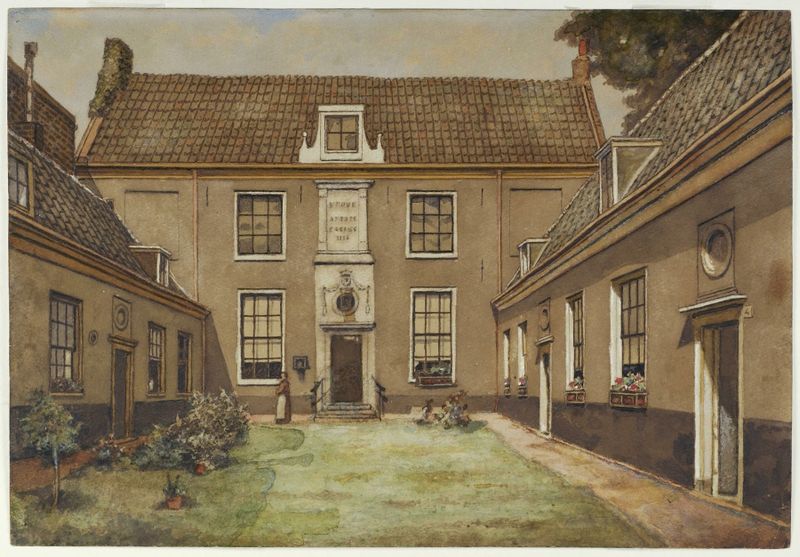
Het Vrouwe- en Antoniegasthuis aan het Klein Heiligland 64 te Haarlem
Hendrik Jan Wesseling
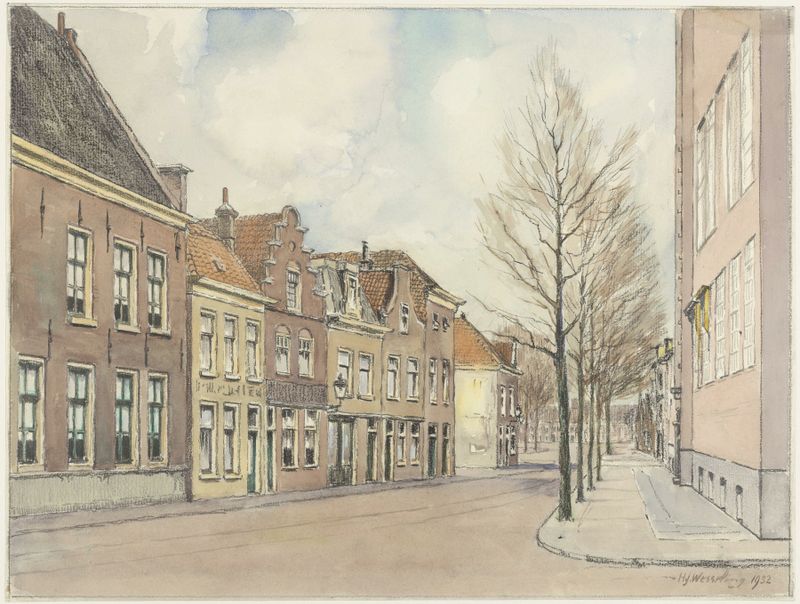
Raaks, ziende naar het westen
Hendrik Jan Wesseling
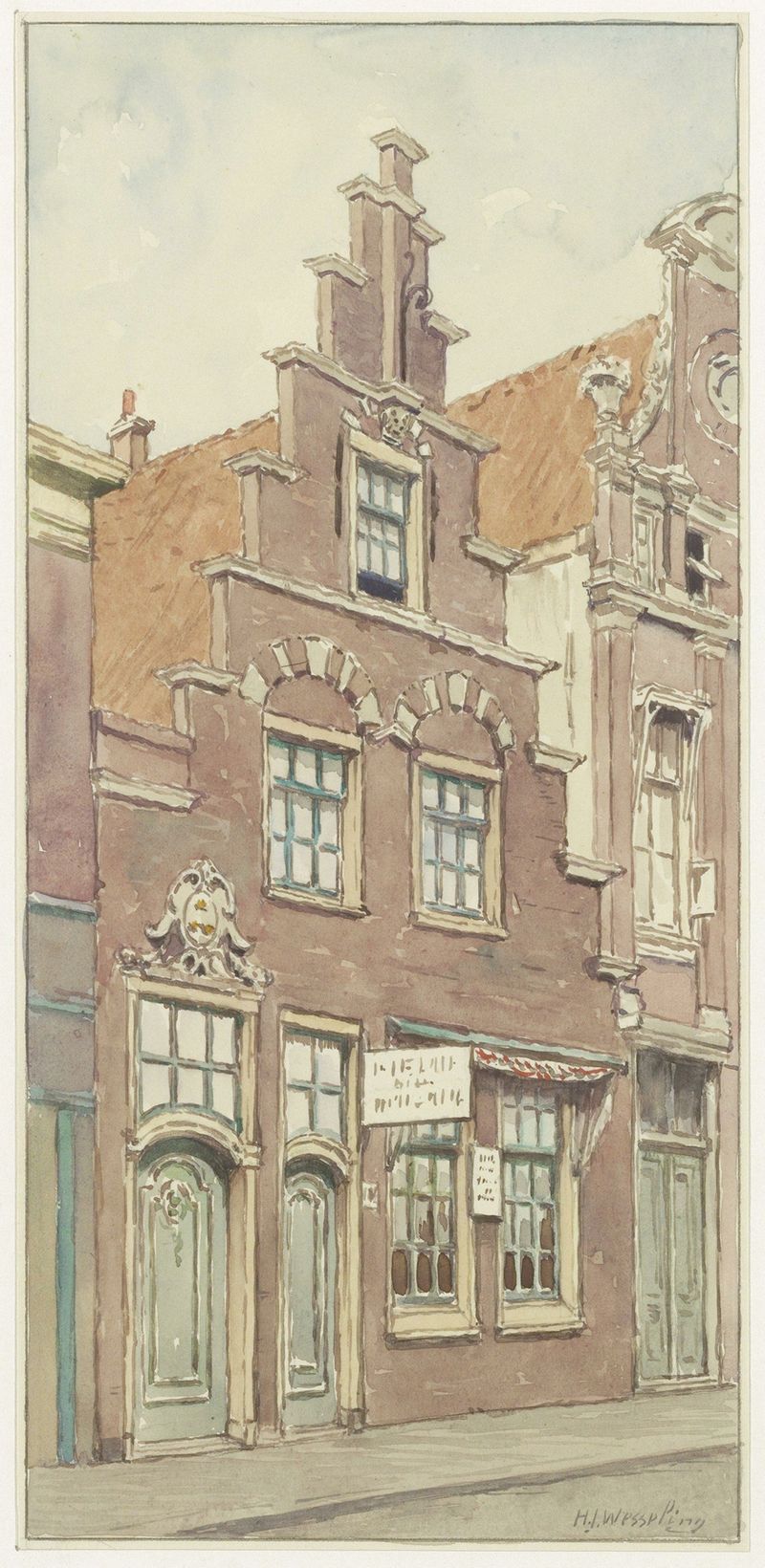
Kleine Houtstraat 116
Hendrik Jan Wesseling
More Architecture Art
Browse all →
The statue of Liberty
Frédéric Auguste Bartholdi

View of Houses in Delft, Known as ‘The Little Street’
Johannes Vermeer

View of Houses in Delft, Known as ‘The Little Street’
Johannes Vermeer

The Cathedral in Rouen. The portal, Grey Weather
Claude Monet

The yellow house
Vincent van Gogh

The Church in Auvers-sur-Oise, View from the Chevet
Vincent van Gogh