
Kommiezenhuisjes, zuidoostzijde, en gedeelte der Grote Houtbrug — History & Facts
Could beauty survive in a century of chaos? In Kommiezenhuisjes, zuidoostzijde, en gedeelte der Grote Houtbrug, the answer unfurls with a haunting elegance, whispering of a world where simplicity holds profound meaning. Look to the left, where the soft, muted colors breathe life into the houses, their facades glowing under a tender sky. The delicate interplay of light and shadow gives a palpable warmth to stone and timber, inviting the viewer to step closer. Notice the intricate details of the bridge, arching gracefully over the water, its gentle curvature mirroring the natural world around it.
Each brushstroke reveals the artist’s precision, capturing not just the scene, but an atmosphere — a moment in time where architectural stability meets the fluidity of nature. The work resonates with a sense of yearning, a longing for peace amidst the complexities of life. The calm waters reflect not only the structures above but also a deeper contemplation of human existence in a changing world. The juxtaposition of the solid, anchored houses against the ephemeral ebb of the river evokes a striking contrast; it prompts reflection on what endures and what fades away.
Here, beauty is both a reprieve and a reminder, suggesting that even in times of upheaval, there is solace to be found. In 1927, Hendrik Jan Wesseling created this piece during a period of significant artistic experimentation in the Netherlands. The aftermath of World War I had left many artists grappling with new realities, and Wesseling, influenced by the rise of modernism, sought to capture the essence of his surroundings through an impressionistic lens. His brushwork and palette reflect a desire to find harmony in the chaos, a search for beauty that resonates deeply with our contemporary context.
More Artworks by Hendrik Jan Wesseling
Browse all →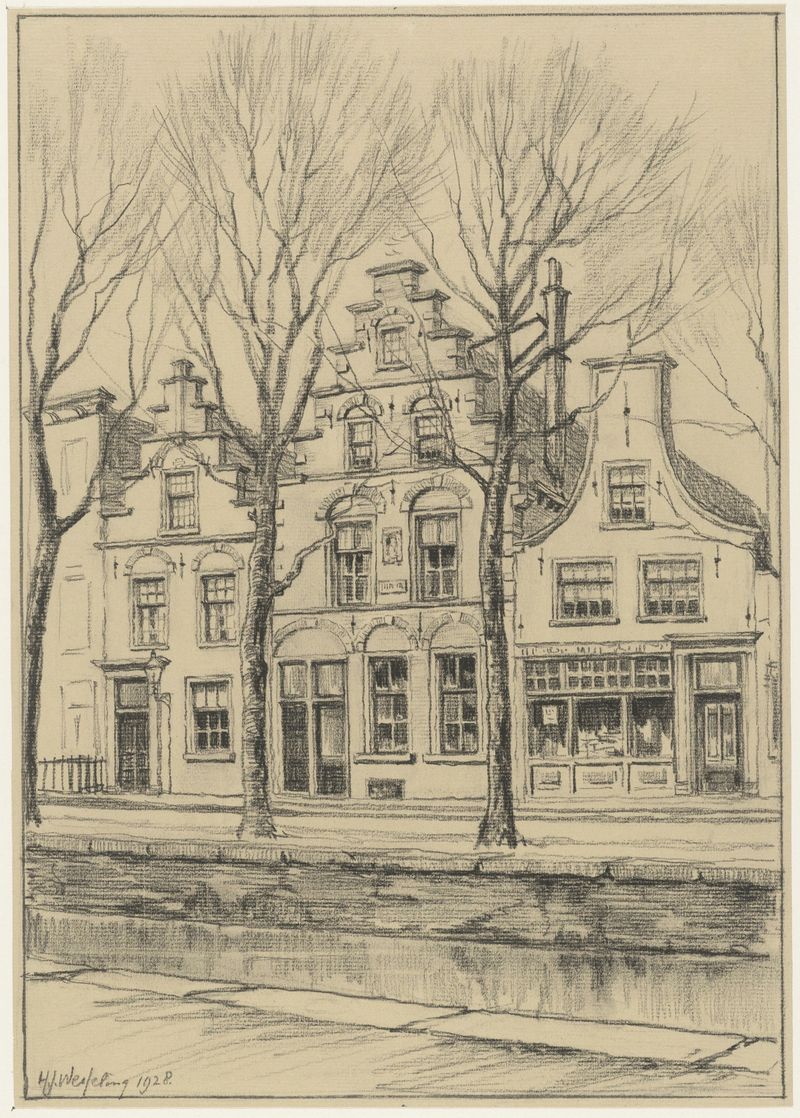
Bakenessergracht 55 (huis van Ph.Wouwerman) en aangrenzende huizen
Hendrik Jan Wesseling
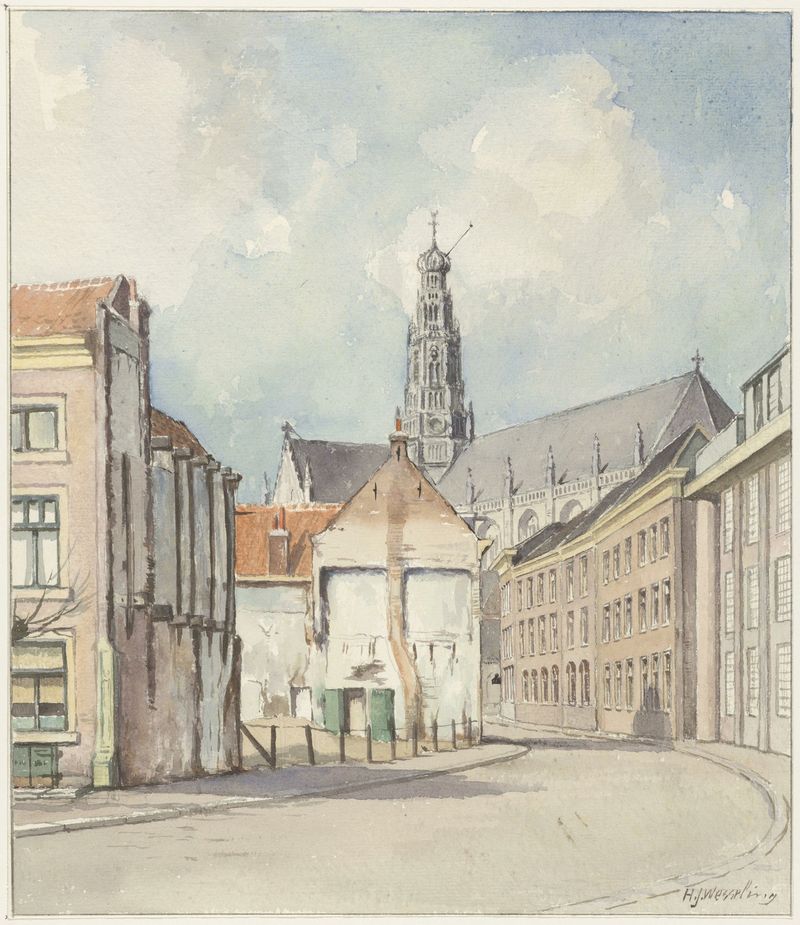
Damstraat, ziende naar het westen (tijdens afbraak der huizen aan de zuidzijde)
Hendrik Jan Wesseling

Lange Brug, zuidwestzijde en omgeving
Hendrik Jan Wesseling
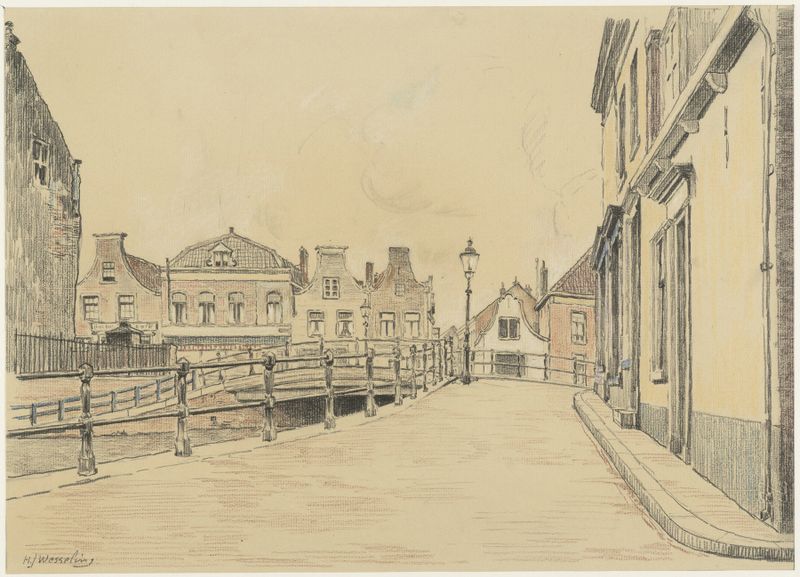
Korte Brug, westzijde, met Korte Spaarne en Burgwal
Hendrik Jan Wesseling
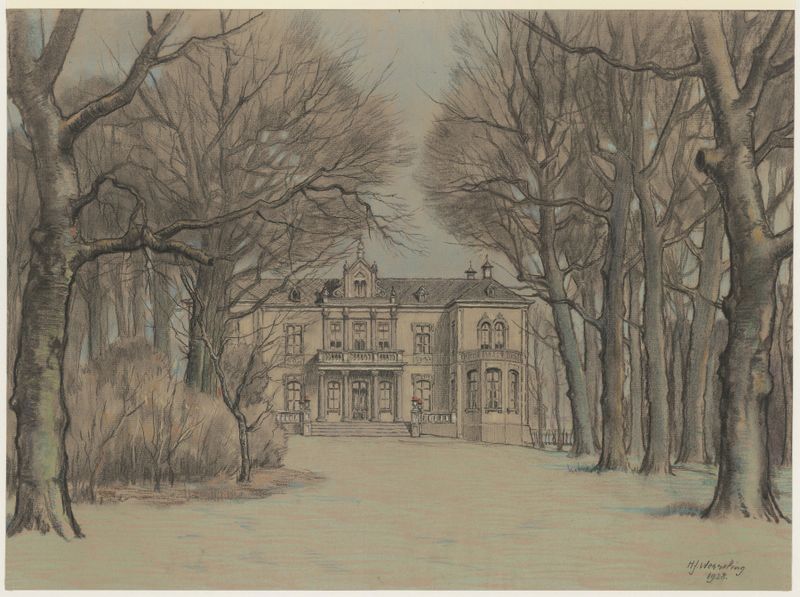
Gezicht op de voorgevel van de buitenplaats Spaar en Hout vanuit de tuin
Hendrik Jan Wesseling
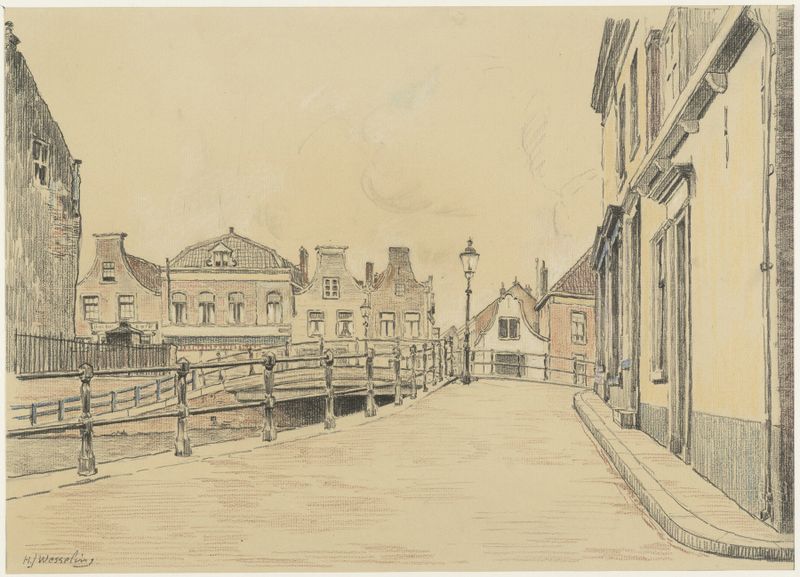
Korte Brug Westzijde Met Korte Spaarne en Burgwal
Hendrik Jan Wesseling
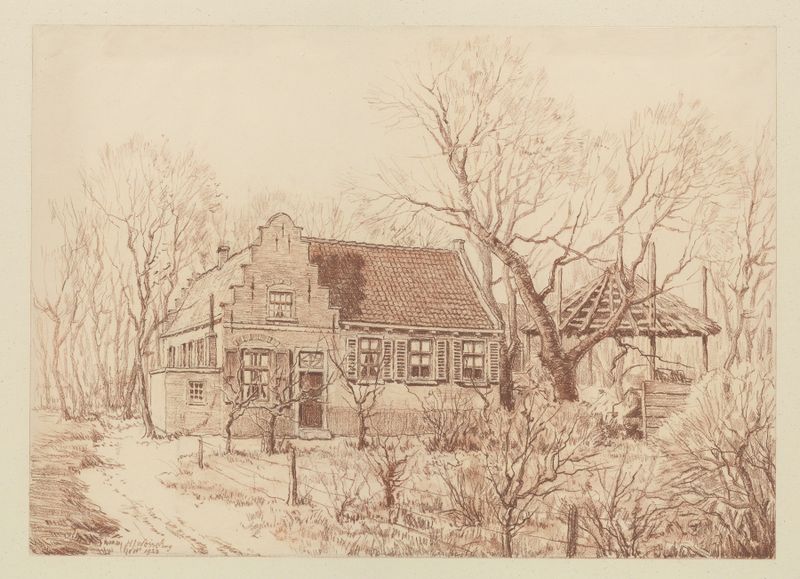
Gezicht op de boerderij Schoterbosch.
Hendrik Jan Wesseling
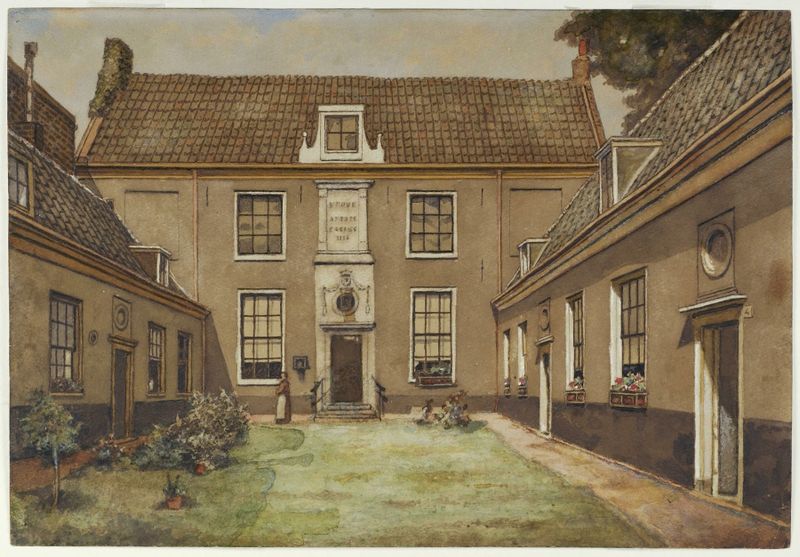
Het Vrouwe- en Antoniegasthuis aan het Klein Heiligland 64 te Haarlem
Hendrik Jan Wesseling
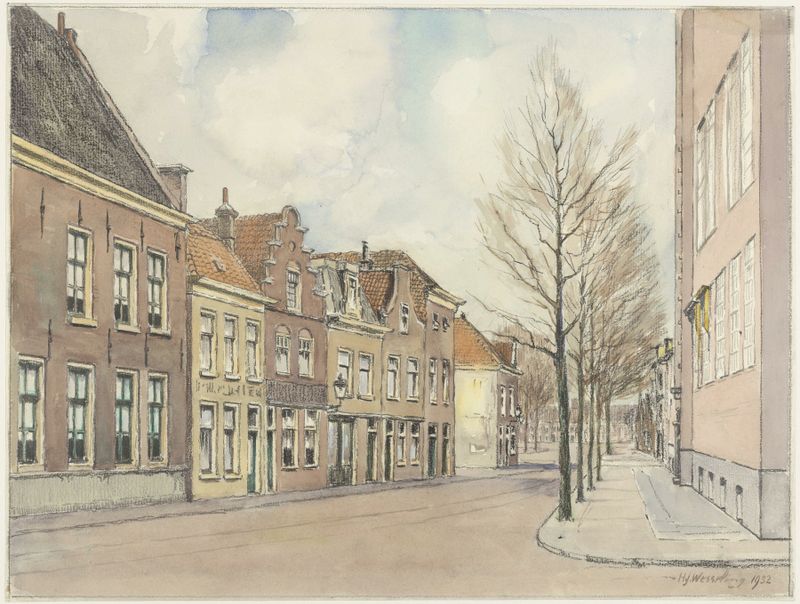
Raaks, ziende naar het westen
Hendrik Jan Wesseling
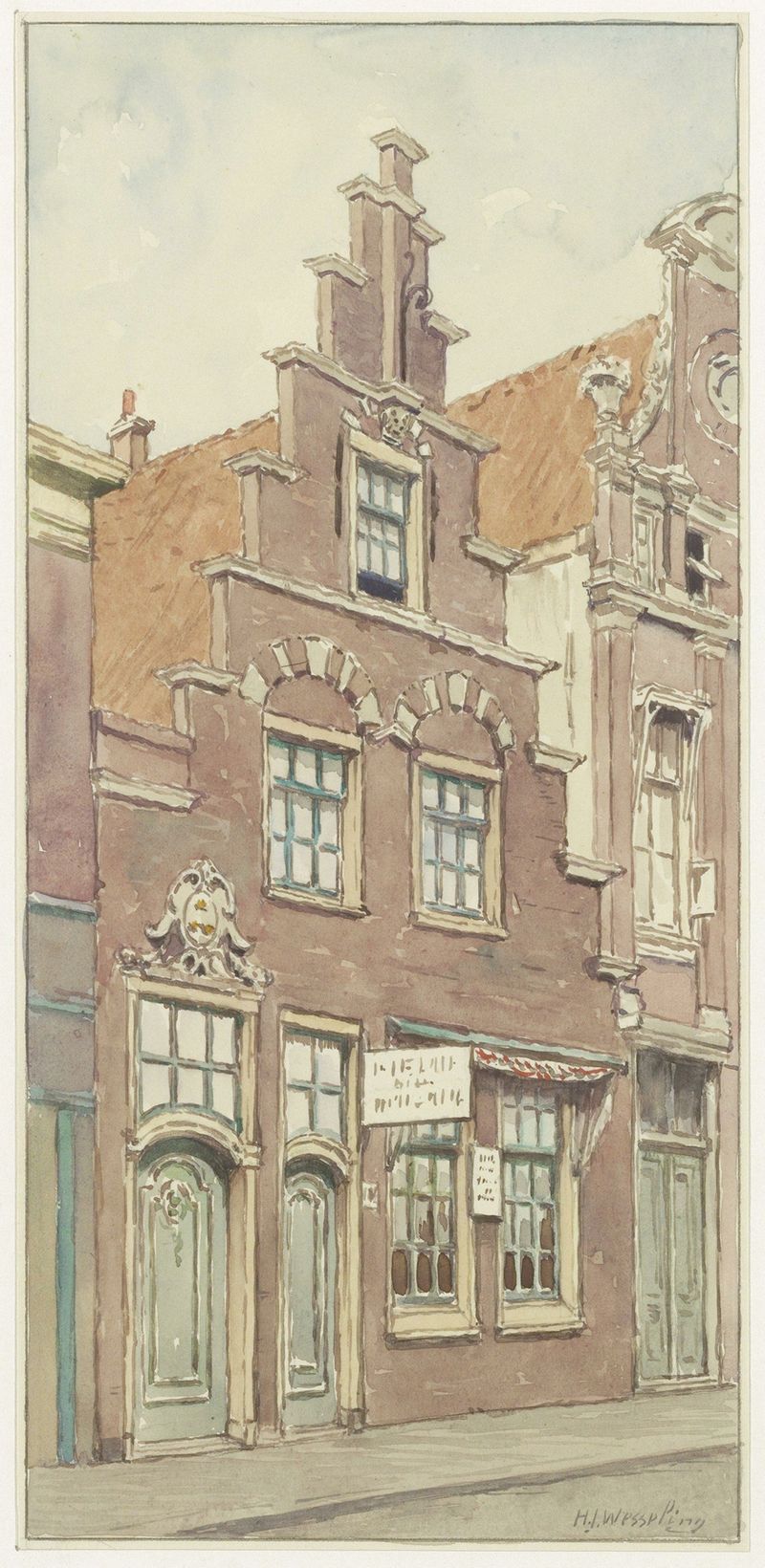
Kleine Houtstraat 116
Hendrik Jan Wesseling





