
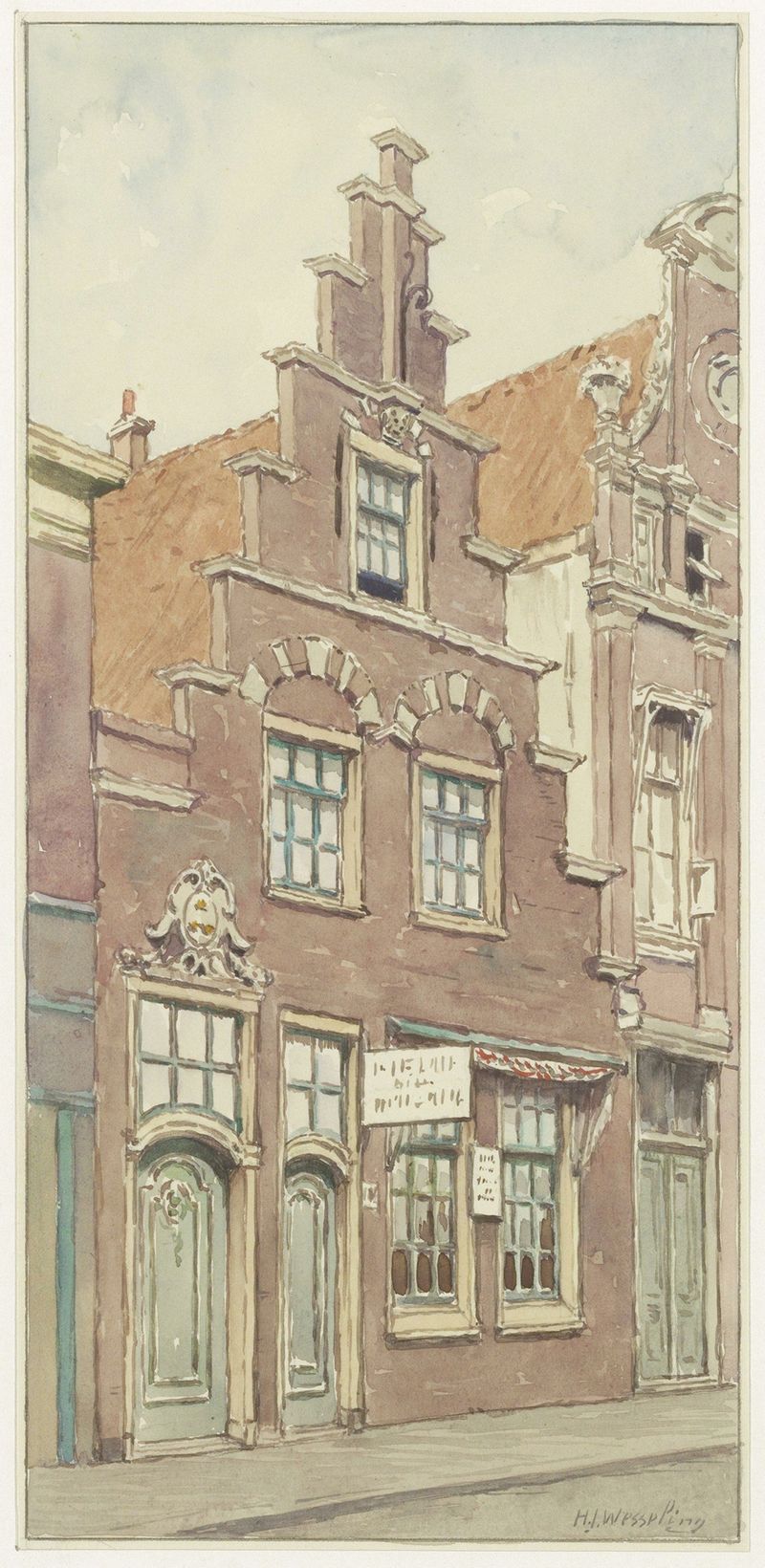
Gezicht op de boerderij Schoterbosch. — History & Facts
Could a single brushstroke hold eternity? In Gezicht op de boerderij Schoterbosch, the tension between memory and reality is palpable, as if the land itself could whisper secrets of betrayal. Look to the left at the vibrant green pastures, where the brushwork evokes a sense of life teeming beneath a serene exterior. The farmhouse, standing stoic in the center, draws the eye with its warm tones contrasting against the cool blues of the sky. Notice how the interplay of light and shadow defines both the structure and the surrounding landscape, creating a harmonious balance that belies the deeper emotional undercurrents at play. Beneath its tranquil facade, the painting hints at underlying conflicts—the inconspicuous cracks in the farmhouse façade may symbolize the fragility of trust, while the wildflowers scattered throughout suggest untamed emotions that disrupt the pastoral calm.
Each stroke serves as a reminder of what lies beneath, questioning the integrity of appearances and the nature of loyalty, contrasting the idyllic setting with the potential for hidden turmoil. In 1923, Hendrik Jan Wesseling created this work while living in the Netherlands, a time marked by post-war recovery and change in the art world. He was influenced by the broader movements of Dutch landscape painting, embracing more modern techniques while grappling with the remnants of a fractured society. This period fostered a complex relationship with the land, as artists sought to reconcile beauty with the shadows of human experience.
More Artworks by Hendrik Jan Wesseling
Browse all →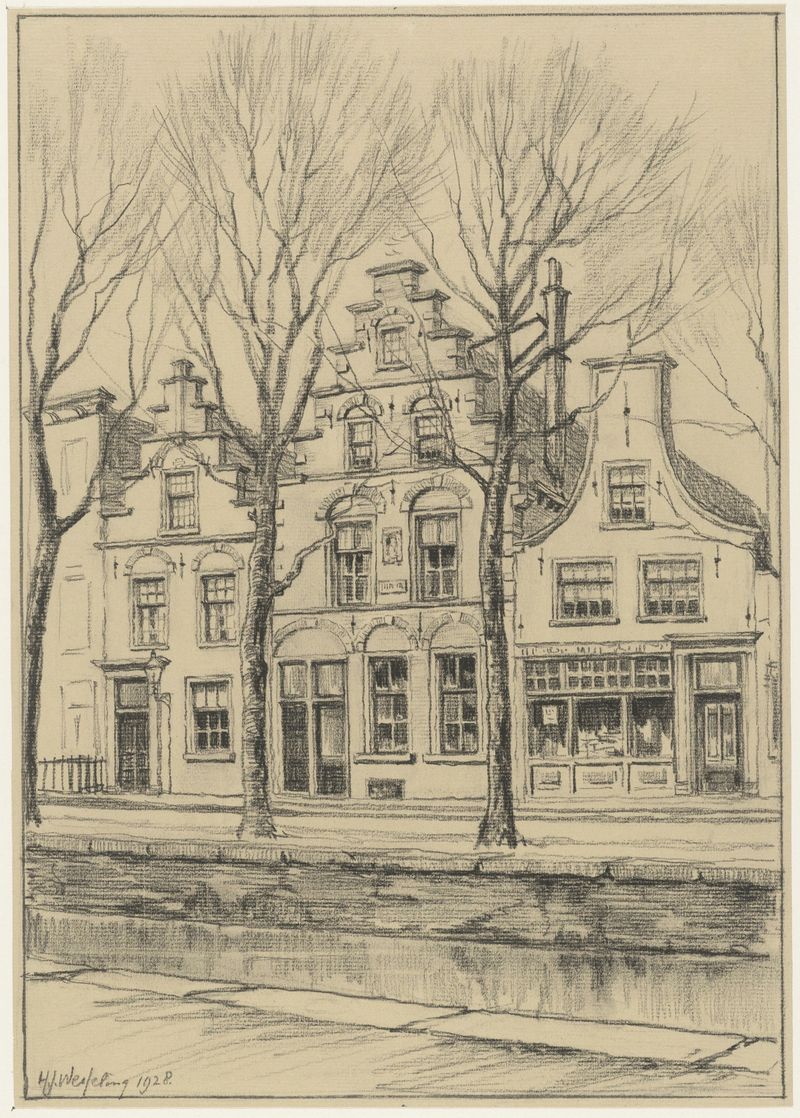
Bakenessergracht 55 (huis van Ph.Wouwerman) en aangrenzende huizen
Hendrik Jan Wesseling
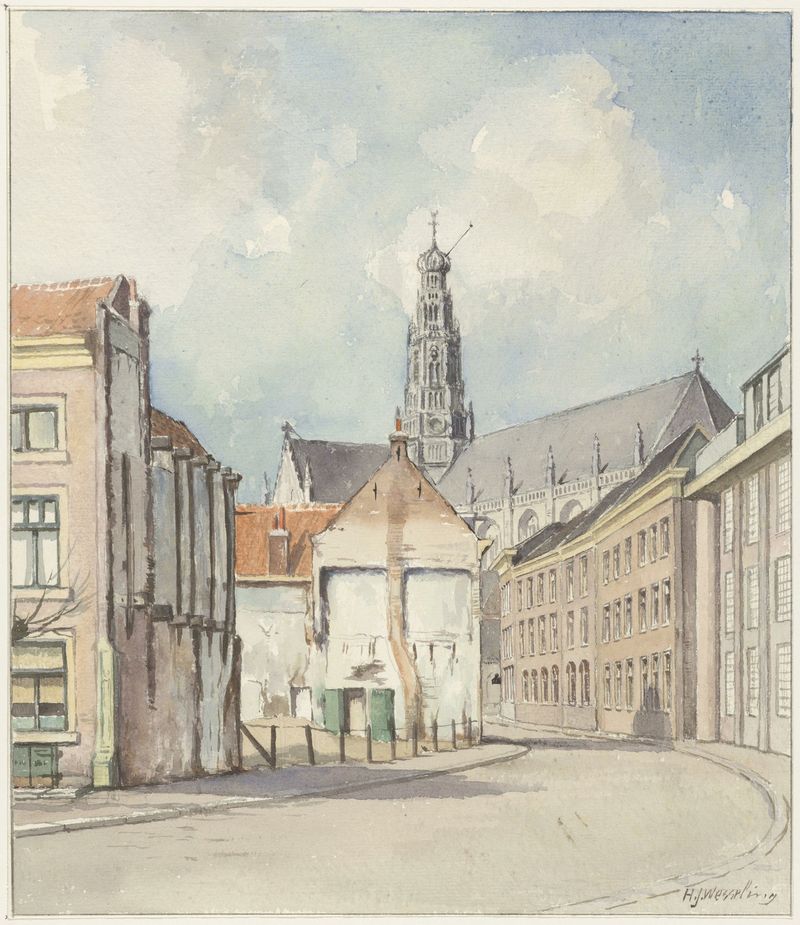
Damstraat, ziende naar het westen (tijdens afbraak der huizen aan de zuidzijde)
Hendrik Jan Wesseling

Lange Brug, zuidwestzijde en omgeving
Hendrik Jan Wesseling
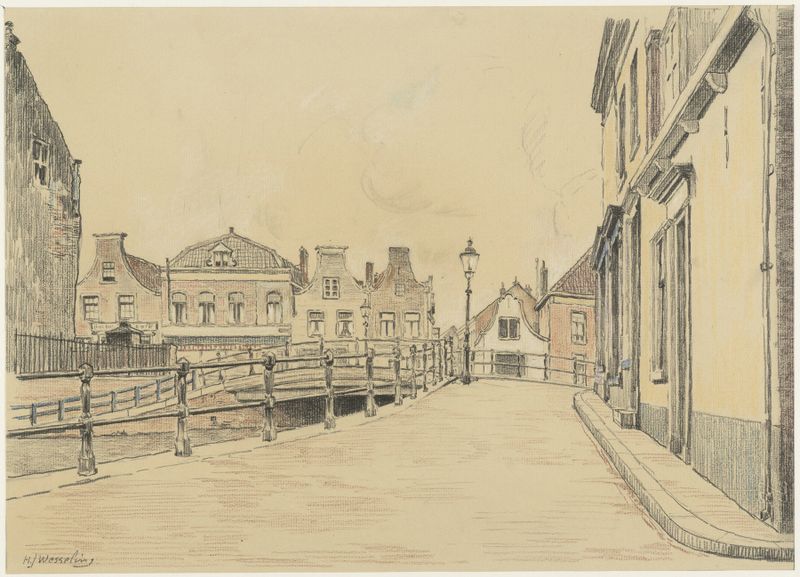
Korte Brug, westzijde, met Korte Spaarne en Burgwal
Hendrik Jan Wesseling
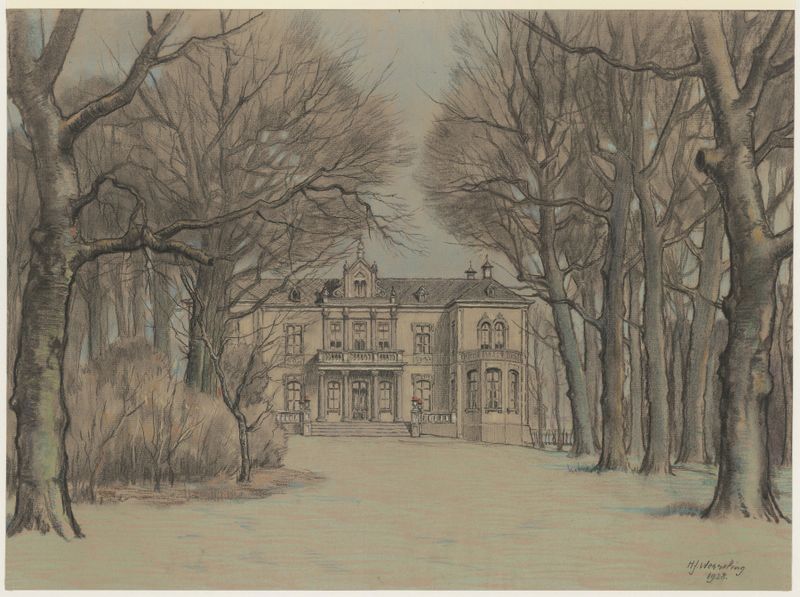
Gezicht op de voorgevel van de buitenplaats Spaar en Hout vanuit de tuin
Hendrik Jan Wesseling
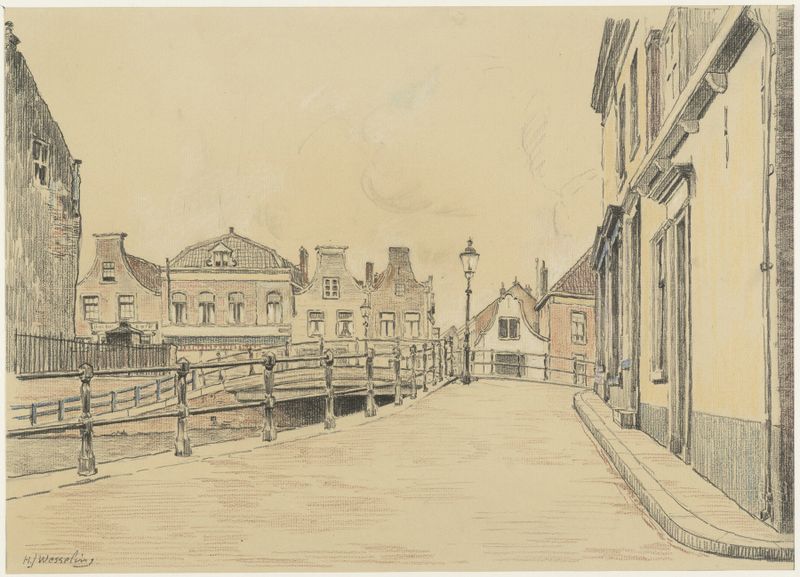
Korte Brug Westzijde Met Korte Spaarne en Burgwal
Hendrik Jan Wesseling
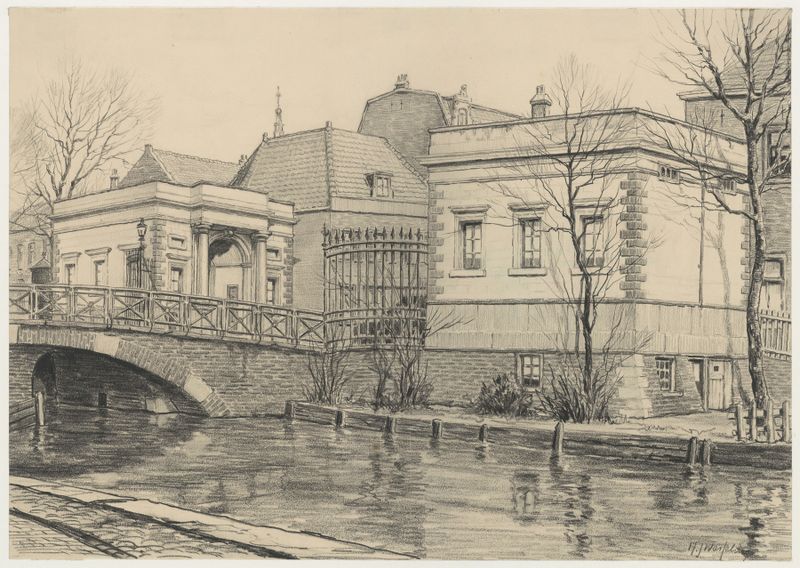
Kommiezenhuisjes, zuidoostzijde, en gedeelte der Grote Houtbrug
Hendrik Jan Wesseling
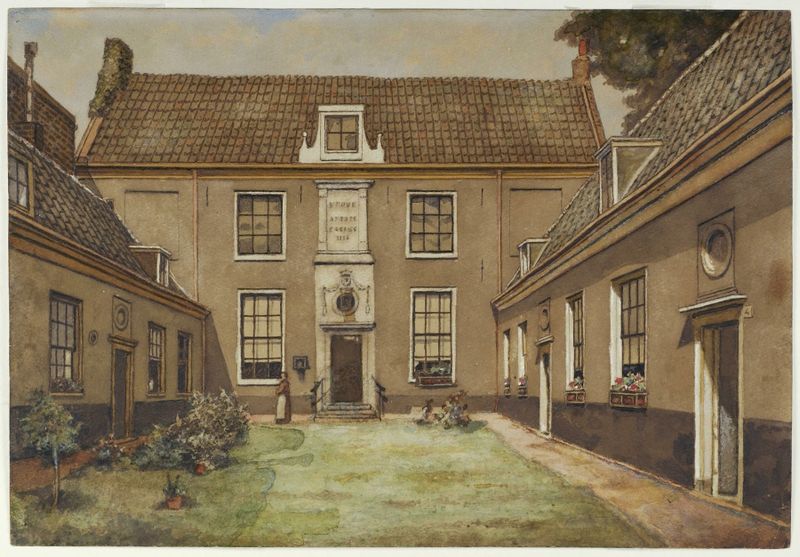
Het Vrouwe- en Antoniegasthuis aan het Klein Heiligland 64 te Haarlem
Hendrik Jan Wesseling
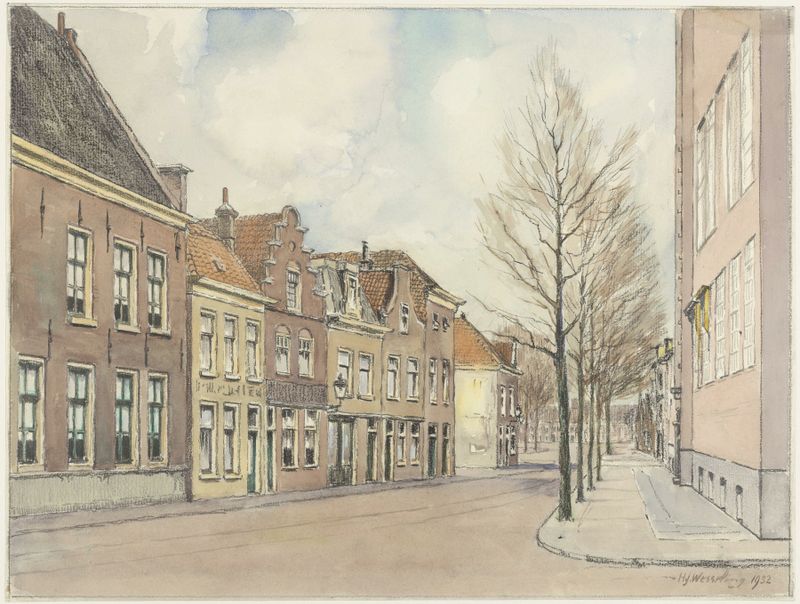
Raaks, ziende naar het westen
Hendrik Jan Wesseling
Kleine Houtstraat 116
Hendrik Jan Wesseling





