
Korte Brug Westzijde Met Korte Spaarne en Burgwal — History & Facts
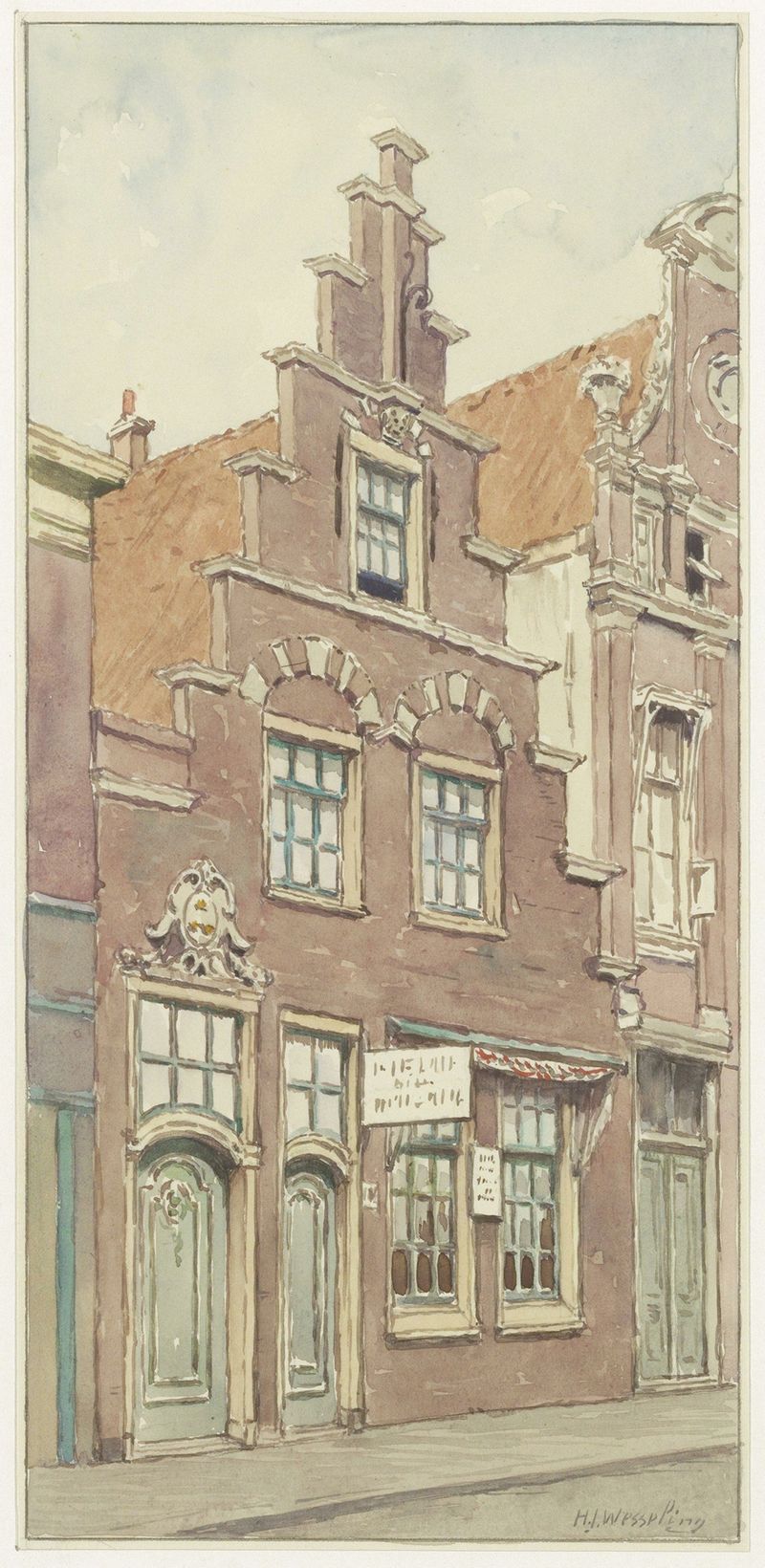
In a world poised on the cusp of revolution, colors dance not just with light but with meaning, begging to be explored. Look to the center of the canvas, where the bridge rises with a gentle curve, inviting viewers to traverse the space between past and future. The deep blues of the water shimmer beneath a hazy sky, while the soft browns of the buildings frame a scene both timeless and transient. The careful brushstrokes create a rhythm that pulls your eye along the water's edge, leading to the horizon where the urban landscape converges with nature, suggesting the delicate balance of change. As you continue to examine the details, notice the subtle tension between the structured lines of architecture and the fluidity of the river below.
The juxtaposition of the solid stone and the ever-changing water reflects the societal shifts brewing in 1930. Each element seems to whisper a story of transformation, hinting at the deeper currents of thought and unrest that were stirring in the hearts of many, echoing the broader upheavals of the era. Wesseling created this piece in the midst of a fluctuating political landscape in the Netherlands, a time marked by economic struggle and the burgeoning seeds of change. Working in Haarlem, he captured not only a picturesque view but also the essence of a society on the verge of awakening.
This artwork serves as a reflection, both of the physical space depicted and the emotional landscape of a nation ready for revolution.
More Artworks by Hendrik Jan Wesseling
Browse all →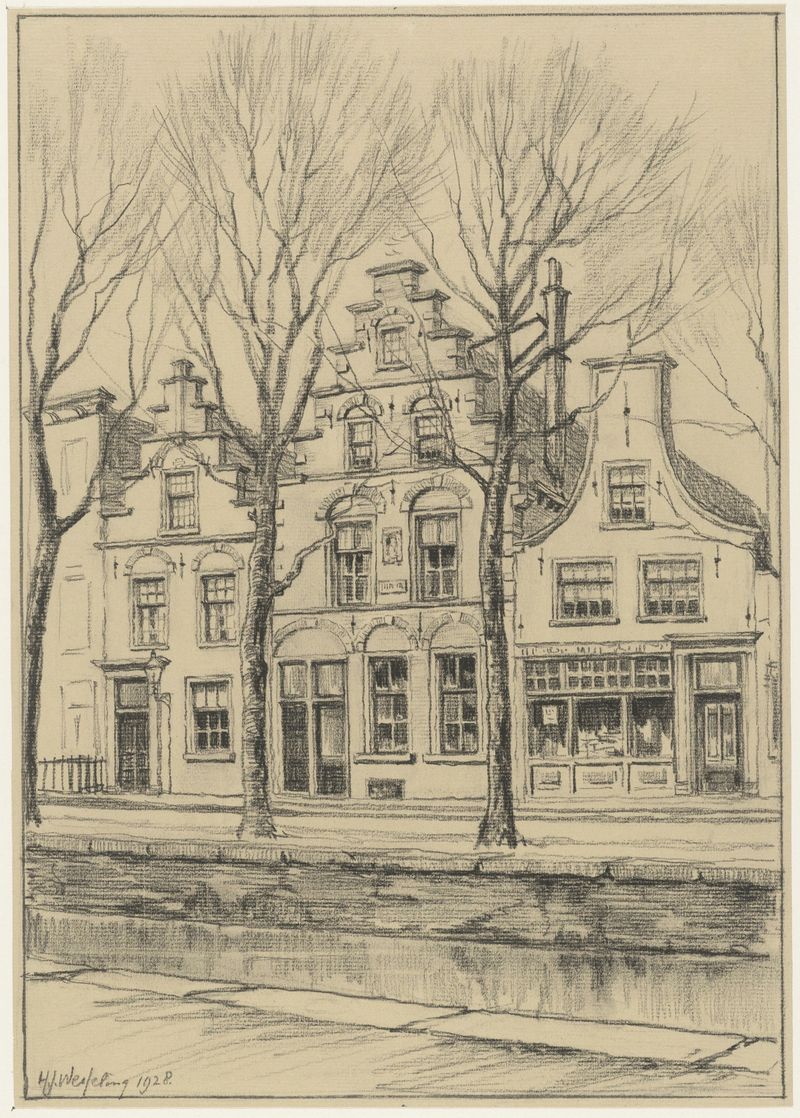
Bakenessergracht 55 (huis van Ph.Wouwerman) en aangrenzende huizen
Hendrik Jan Wesseling
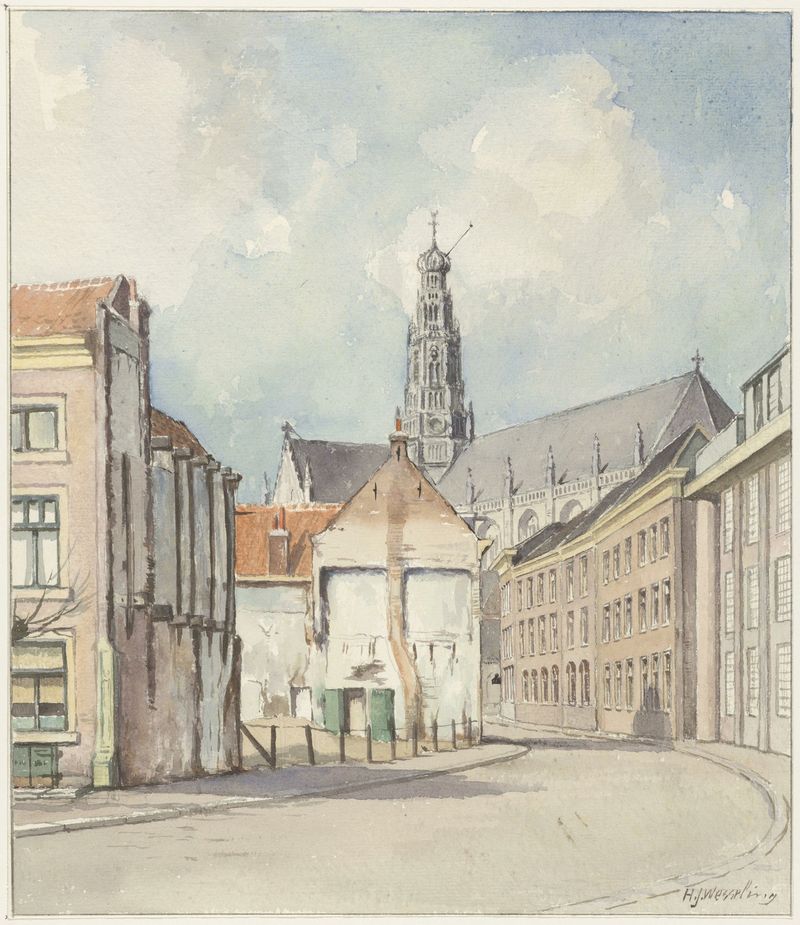
Damstraat, ziende naar het westen (tijdens afbraak der huizen aan de zuidzijde)
Hendrik Jan Wesseling

Lange Brug, zuidwestzijde en omgeving
Hendrik Jan Wesseling
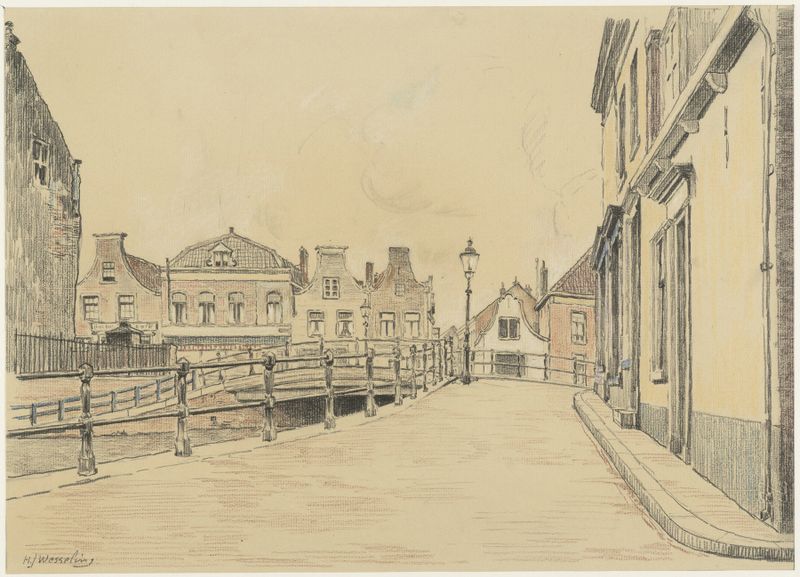
Korte Brug, westzijde, met Korte Spaarne en Burgwal
Hendrik Jan Wesseling
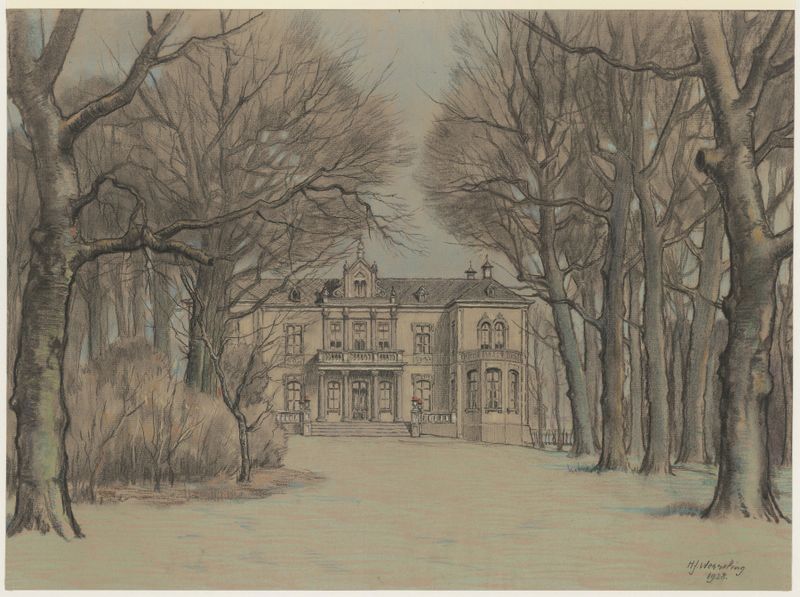
Gezicht op de voorgevel van de buitenplaats Spaar en Hout vanuit de tuin
Hendrik Jan Wesseling
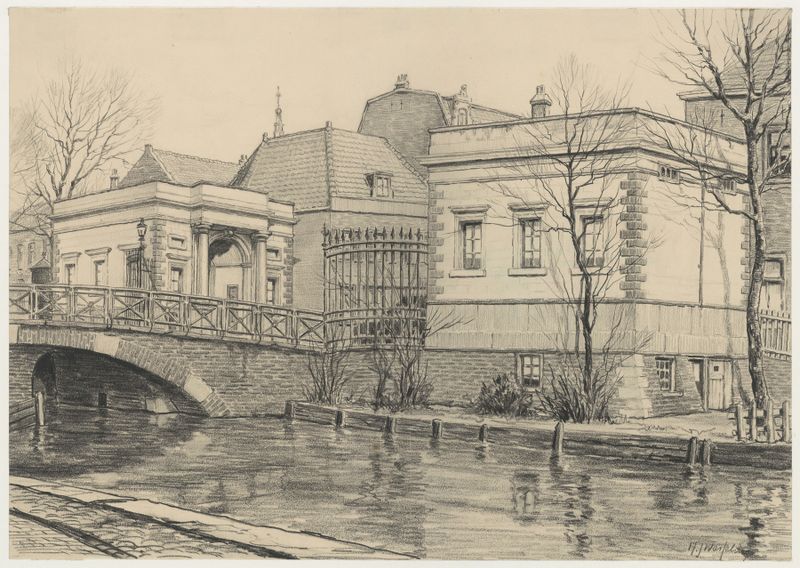
Kommiezenhuisjes, zuidoostzijde, en gedeelte der Grote Houtbrug
Hendrik Jan Wesseling
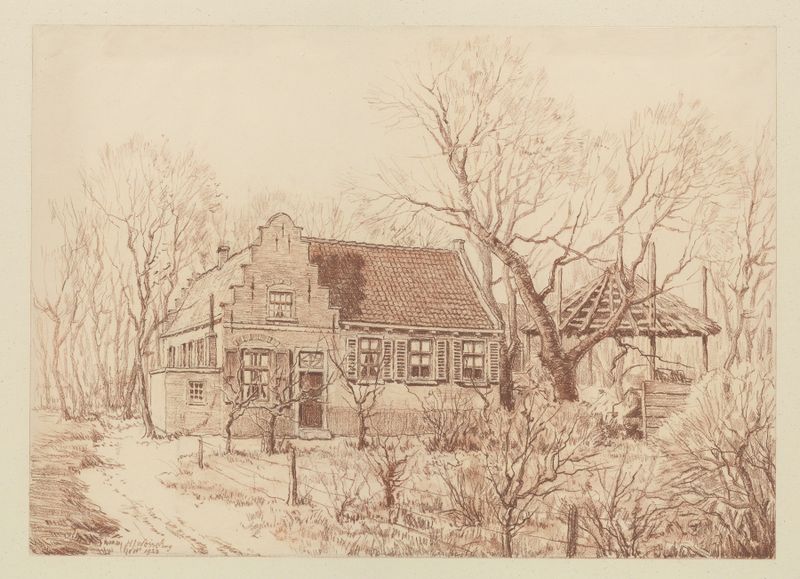
Gezicht op de boerderij Schoterbosch.
Hendrik Jan Wesseling
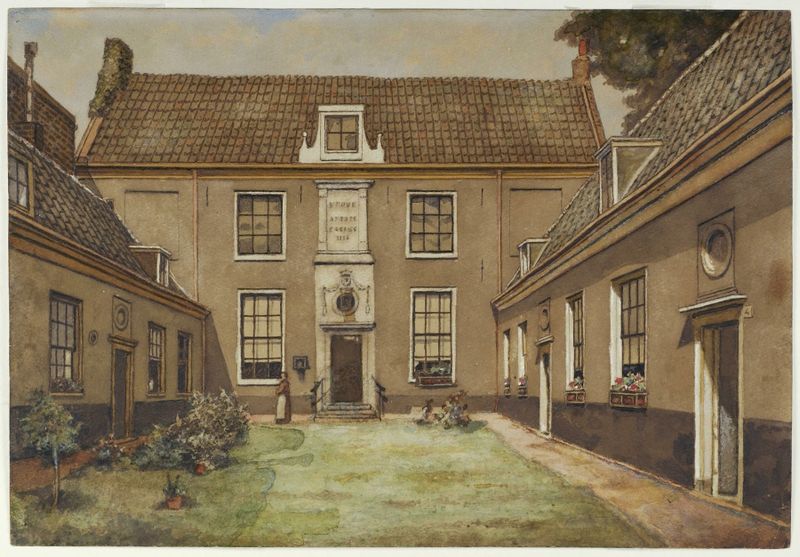
Het Vrouwe- en Antoniegasthuis aan het Klein Heiligland 64 te Haarlem
Hendrik Jan Wesseling
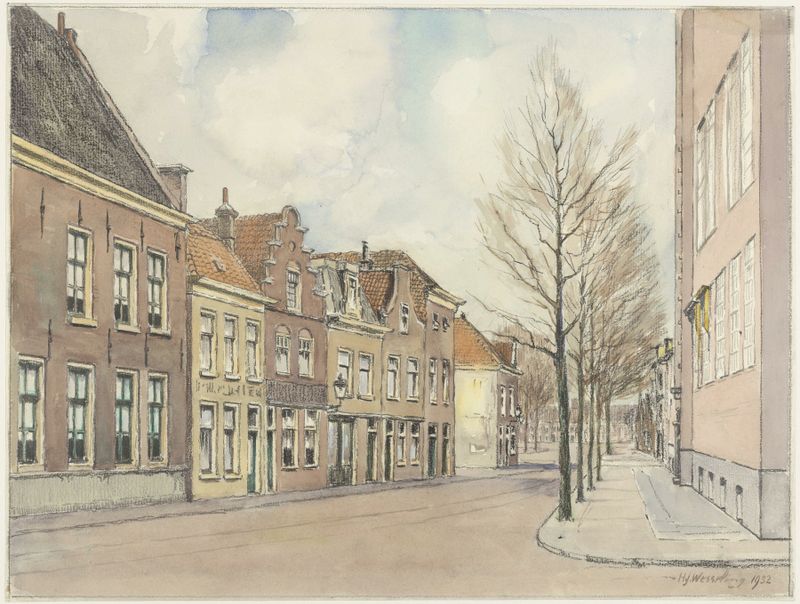
Raaks, ziende naar het westen
Hendrik Jan Wesseling
Kleine Houtstraat 116
Hendrik Jan Wesseling





