
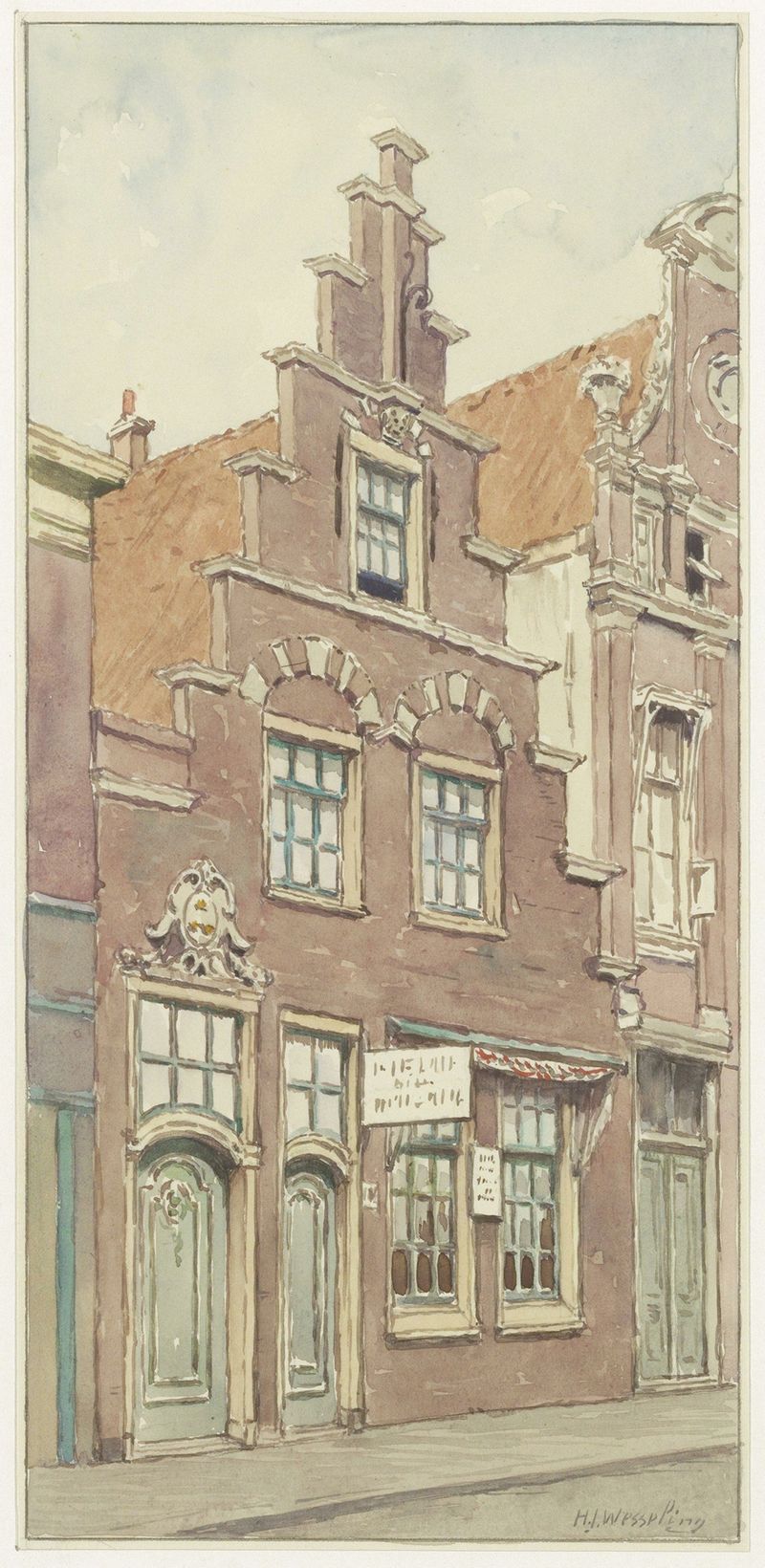
Het Vrouwe- en Antoniegasthuis aan het Klein Heiligland 64 te Haarlem — History & Facts
In the stillness of a moment captured in paint, one can feel the pulse of a world on the brink of transformation, where every brushstroke breathes the spirit of revolution. Look closely at the left side of the canvas, where the grand facade of the building stands proudly against the sky. Notice how the meticulous details of the architecture are brought to life by the warm hues of gold and amber, wrapping the structure in an embrace of nostalgia and promise. The interplay of light and shadow creates depth, inviting the viewer to explore the textures and forms that define the scene. As you absorb the composition, consider the contrasts at play—between the stoic permanence of the building and the subtle hints of change that ripple through the environment.
The swirling clouds overhead seem to echo the unrest brewing in society, while the serene gardens below whisper of a fleeting peace. Each window reflects not only the light of the day but also the hopes and dreams of those who find solace within its walls, making the space a sanctuary amid the turmoil outside. In 1925, the artist was deeply engaged in capturing the architectural beauty of his native Haarlem while also responding to the social upheavals of his time. The post-World War I period was marked by a search for identity and meaning, as artists, including Wesseling, grappled with the rapid changes sweeping across Europe.
This work not only showcases the elegance of the building but also serves as a commentary on the era’s complex emotional landscape, revealing his commitment to both art and societal reflection.
More Artworks by Hendrik Jan Wesseling
Browse all →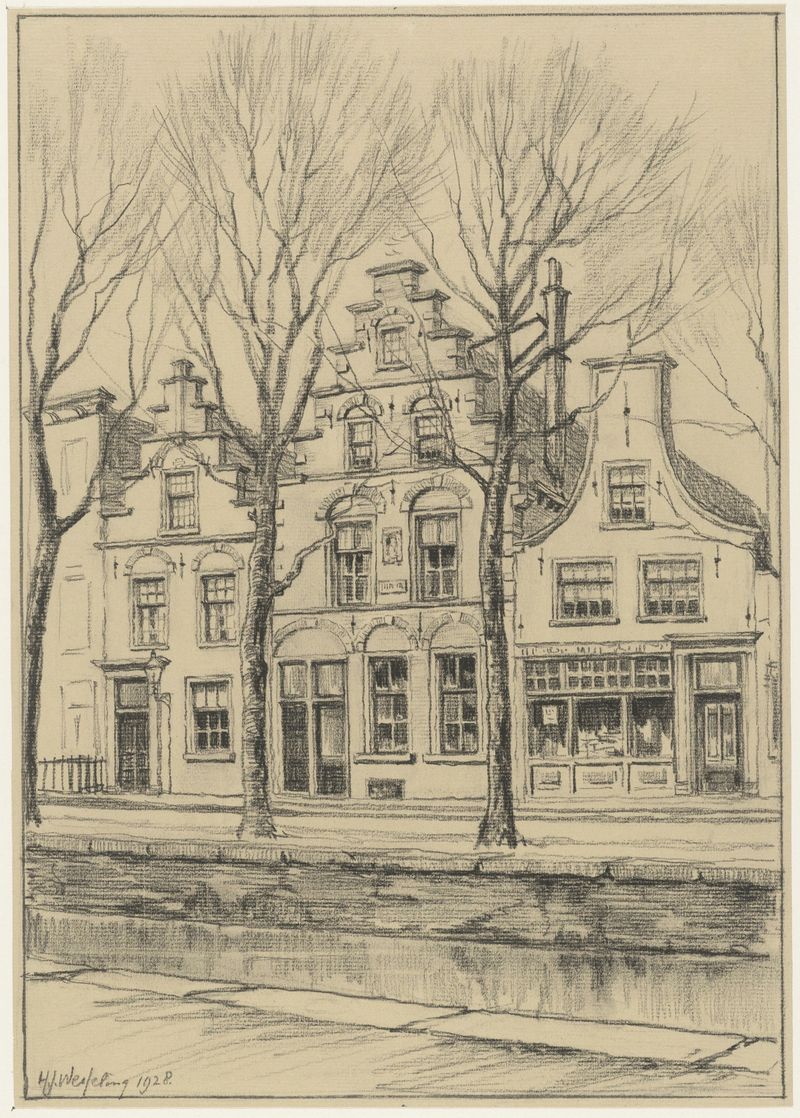
Bakenessergracht 55 (huis van Ph.Wouwerman) en aangrenzende huizen
Hendrik Jan Wesseling
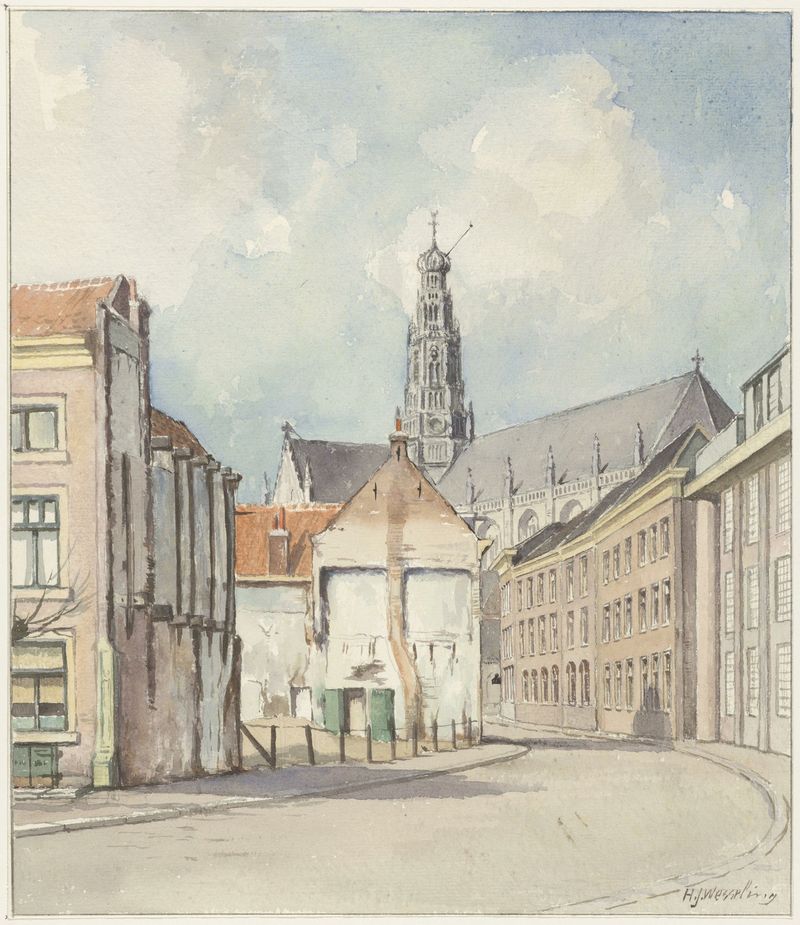
Damstraat, ziende naar het westen (tijdens afbraak der huizen aan de zuidzijde)
Hendrik Jan Wesseling

Lange Brug, zuidwestzijde en omgeving
Hendrik Jan Wesseling
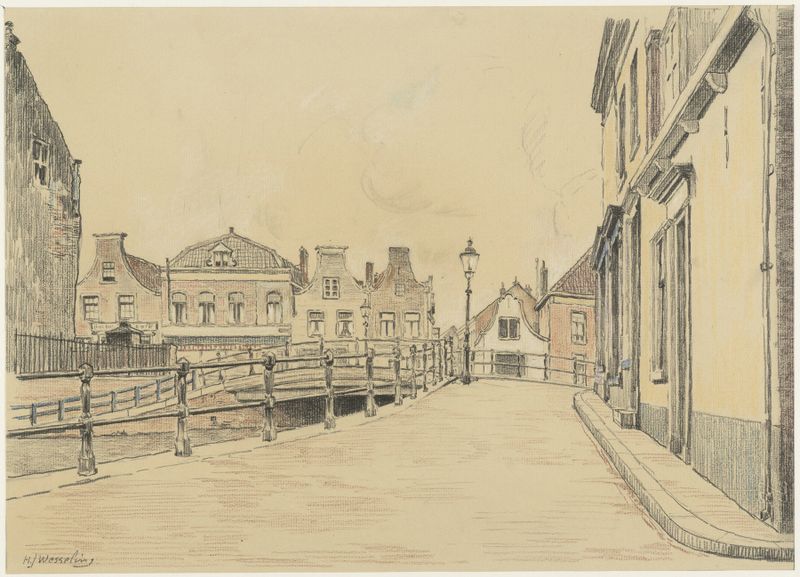
Korte Brug, westzijde, met Korte Spaarne en Burgwal
Hendrik Jan Wesseling
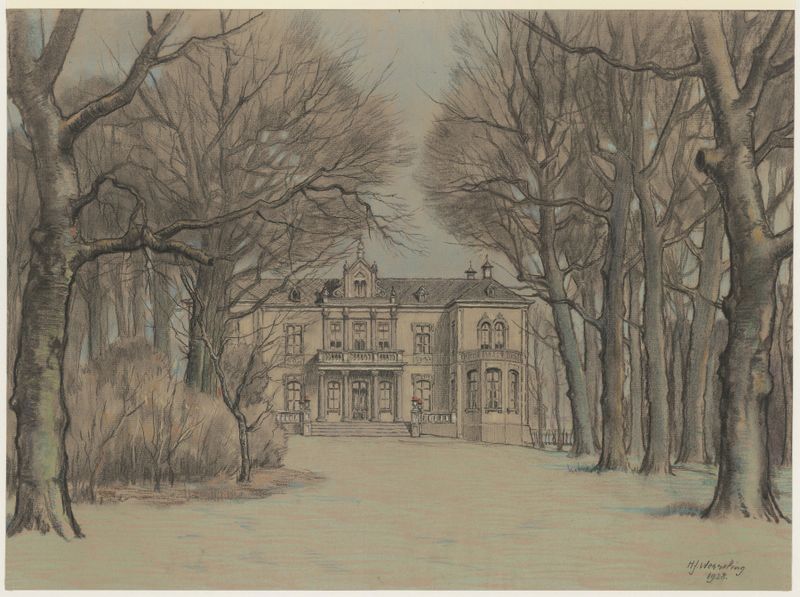
Gezicht op de voorgevel van de buitenplaats Spaar en Hout vanuit de tuin
Hendrik Jan Wesseling
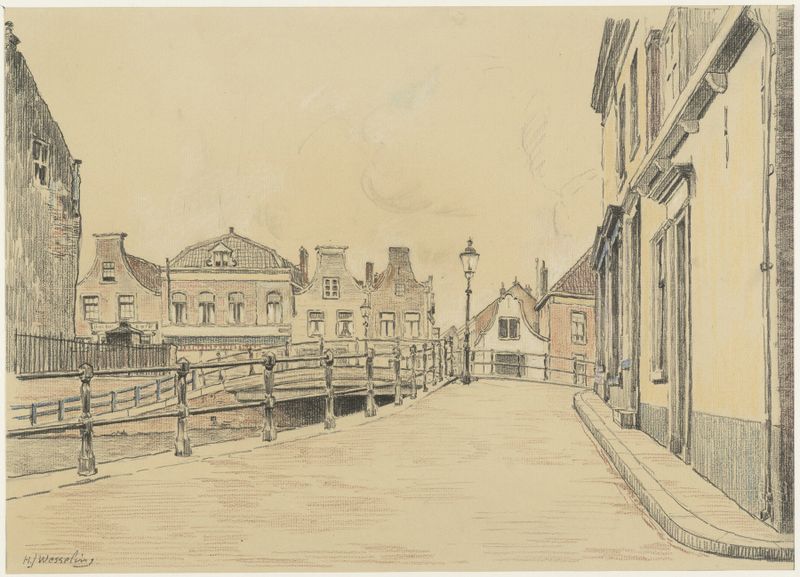
Korte Brug Westzijde Met Korte Spaarne en Burgwal
Hendrik Jan Wesseling
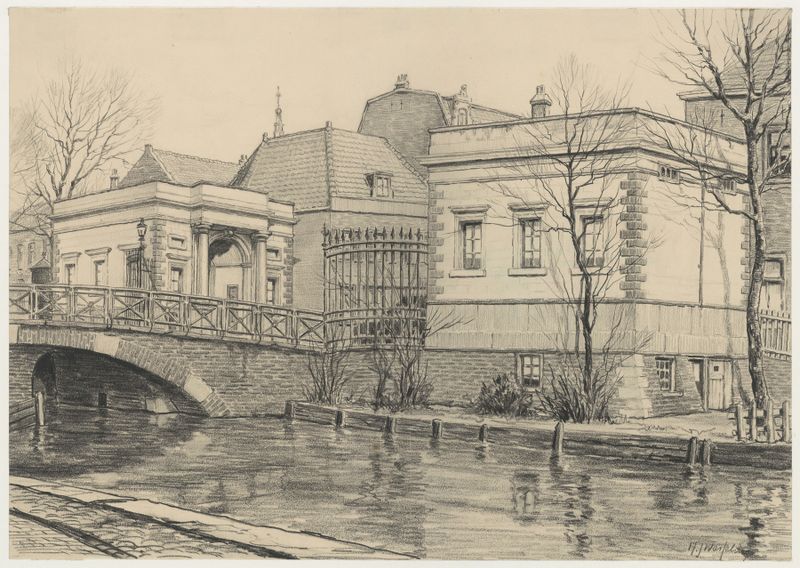
Kommiezenhuisjes, zuidoostzijde, en gedeelte der Grote Houtbrug
Hendrik Jan Wesseling
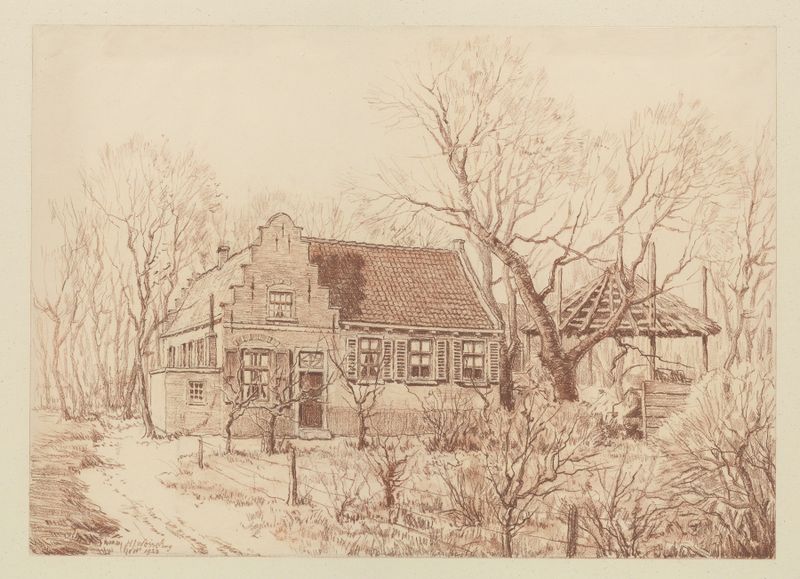
Gezicht op de boerderij Schoterbosch.
Hendrik Jan Wesseling
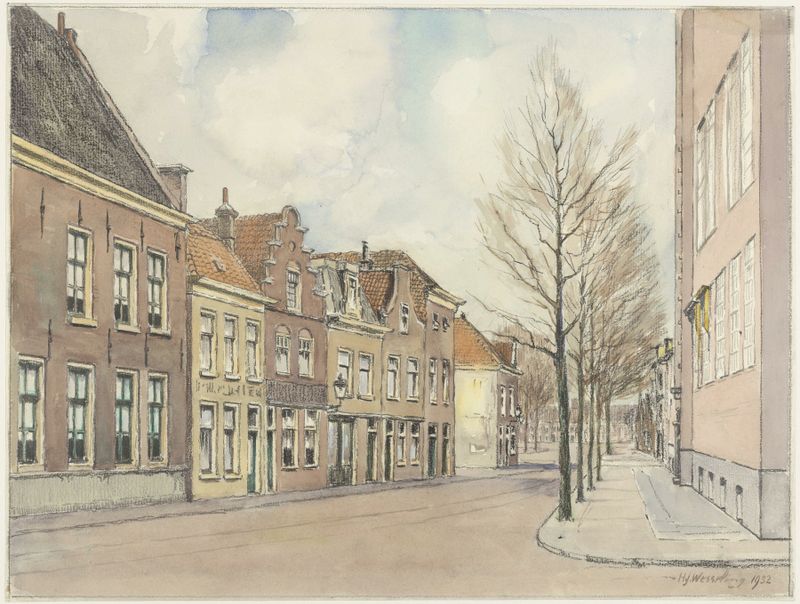
Raaks, ziende naar het westen
Hendrik Jan Wesseling
Kleine Houtstraat 116
Hendrik Jan Wesseling
More Architecture Art
Browse all →
The statue of Liberty
Frédéric Auguste Bartholdi

View of Houses in Delft, Known as ‘The Little Street’
Johannes Vermeer

View of Houses in Delft, Known as ‘The Little Street’
Johannes Vermeer

The Cathedral in Rouen. The portal, Grey Weather
Claude Monet

The yellow house
Vincent van Gogh

The Church in Auvers-sur-Oise, View from the Chevet
Vincent van Gogh