
De Spaanse, Engelse en Hollandse vloten voor Deal (linkerhelft), 1639 — History & Facts
Who listens when art speaks of silence? In De Spaanse, Engelse en Hollandse vloten voor Deal, a haunting stillness envelops the viewer, inviting contemplation of a moment suspended in time. Look to the expansive seascape, where the tranquil waters lie beneath a softly painted sky. The ships, meticulously rendered in fine detail, draw the eye first, their sails billowing gently as if caught in a dream. Notice how the play of light dances across the surface of the water, reflecting the ships' shapes and colors, creating a rhythmic harmony that binds the elements together.
Each vessel stands as a testament to the era's maritime conflict, yet the serene palette evokes a sense of peace rather than strife. Delve deeper into the composition, where contrasts emerge: the tension between stillness and movement, between the calm sea and the impending storms of human ambition. The distant horizon hints at the unknown, while the presence of multiple national fleets suggests a precarious balance of power. The artist’s precise lines and soft gradients invite contemplation on the fragile nature of alliances and enmity, making the viewer acutely aware of the silence before the potential chaos. Wenceslaus Hollar created this work in 1640, shortly after he settled in England, having fled the Thirty Years’ War in his native Bohemia.
During this time, Hollar was deeply engaged in capturing the political and naval conflicts of Europe, reflecting the world’s unfolding tensions through his art. His detailed observations of ships and landscapes contributed significantly to the documentation of the period, where the sea became both a stage for battles and a canvas for dreams.
More Artworks by Wenceslaus Hollar
Browse all →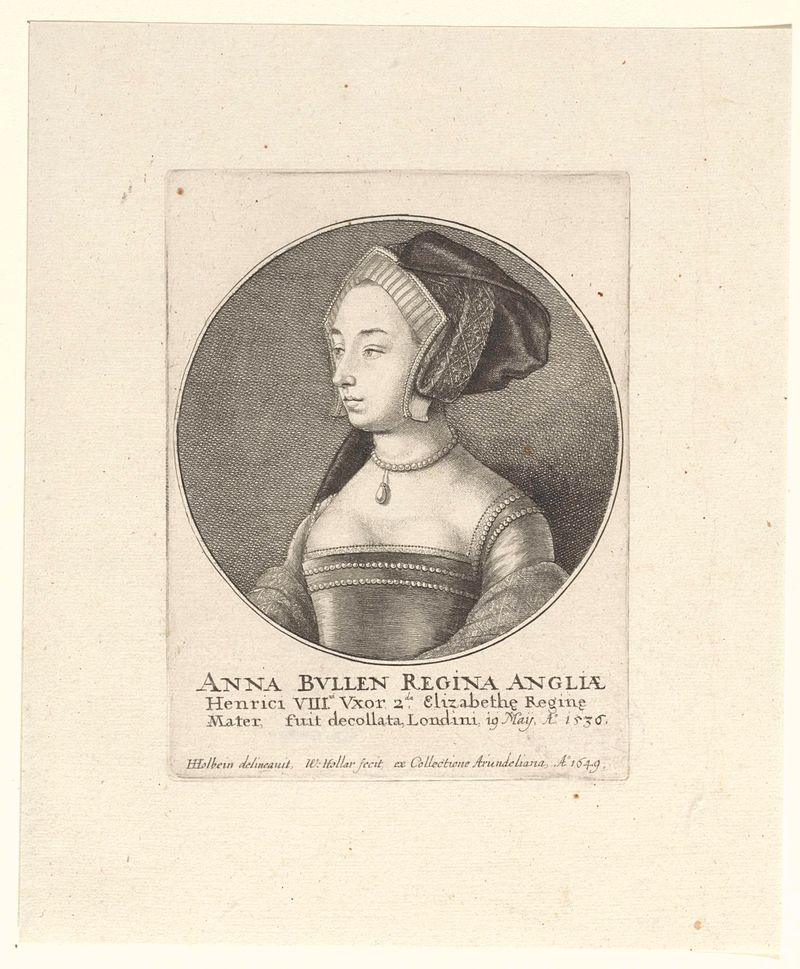
Portret van Anna Boleyn, koningin van Engeland
Wenceslaus Hollar
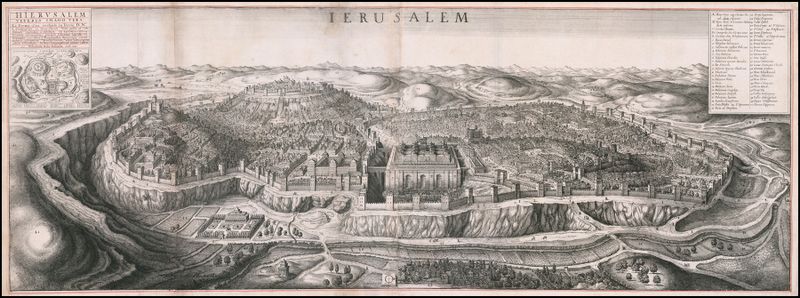
Bird’s eye view of Jerusalem
Wenceslaus Hollar
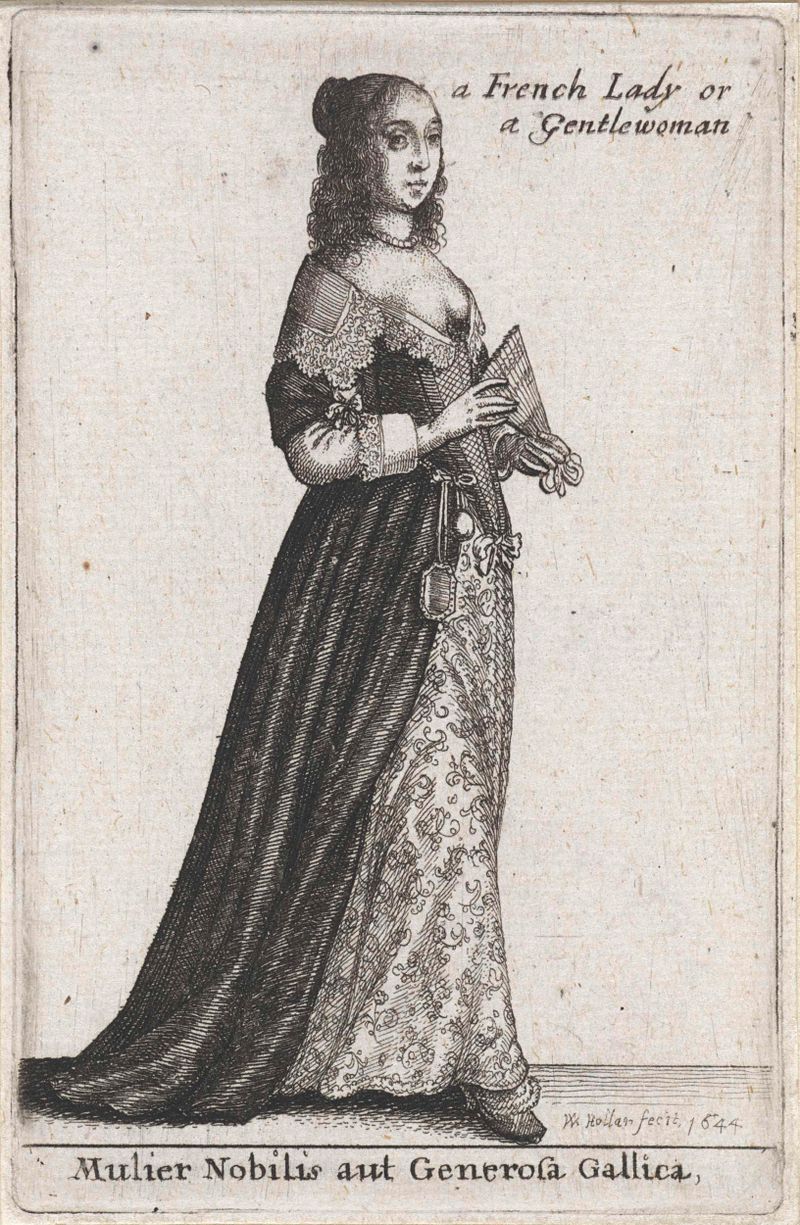
Mulier Nobilis aut Generosa Gallica / a French Lady or Gentlewoman
Wenceslaus Hollar
Titelprent voor: Ornatus Muliebris Anglicanus
Wenceslaus Hollar
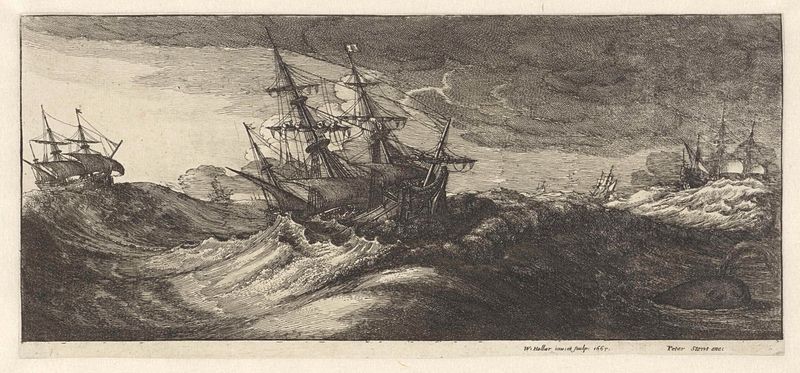
Oorlogsschepen en een walvis in een zeestorm
Wenceslaus Hollar
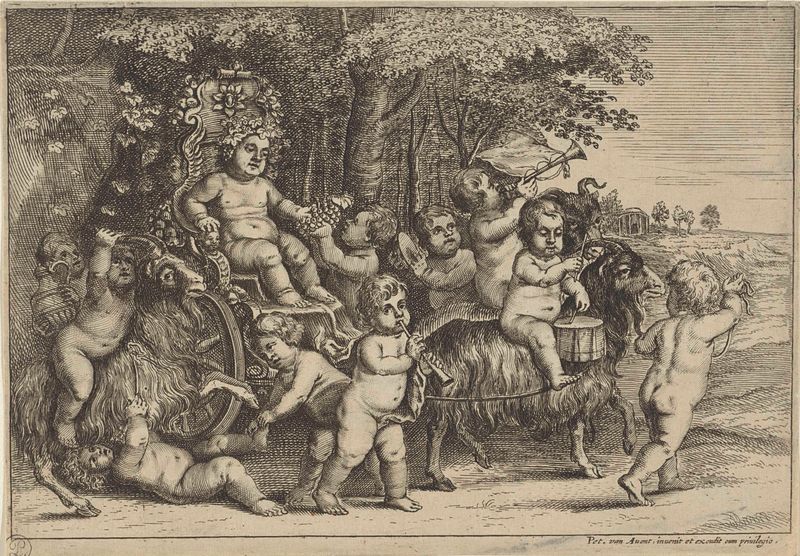
Optocht van bacchant en jongetjes op geiten
Wenceslaus Hollar
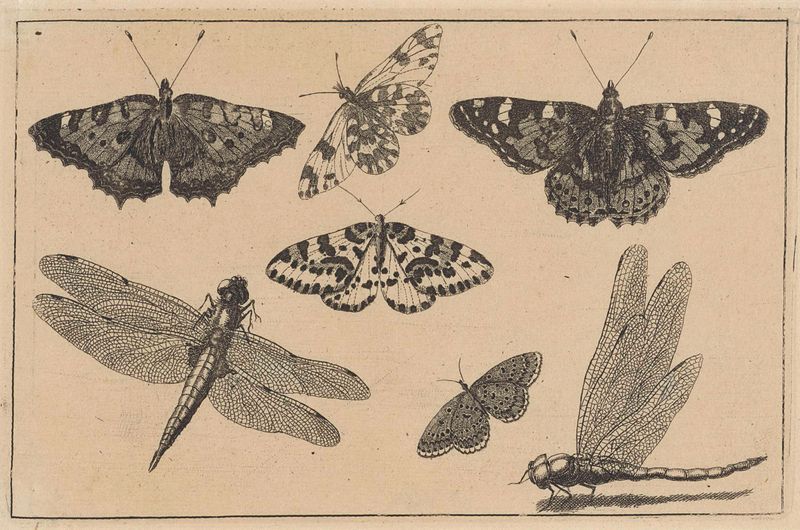
Twee libellen en vijf vlinders
Wenceslaus Hollar
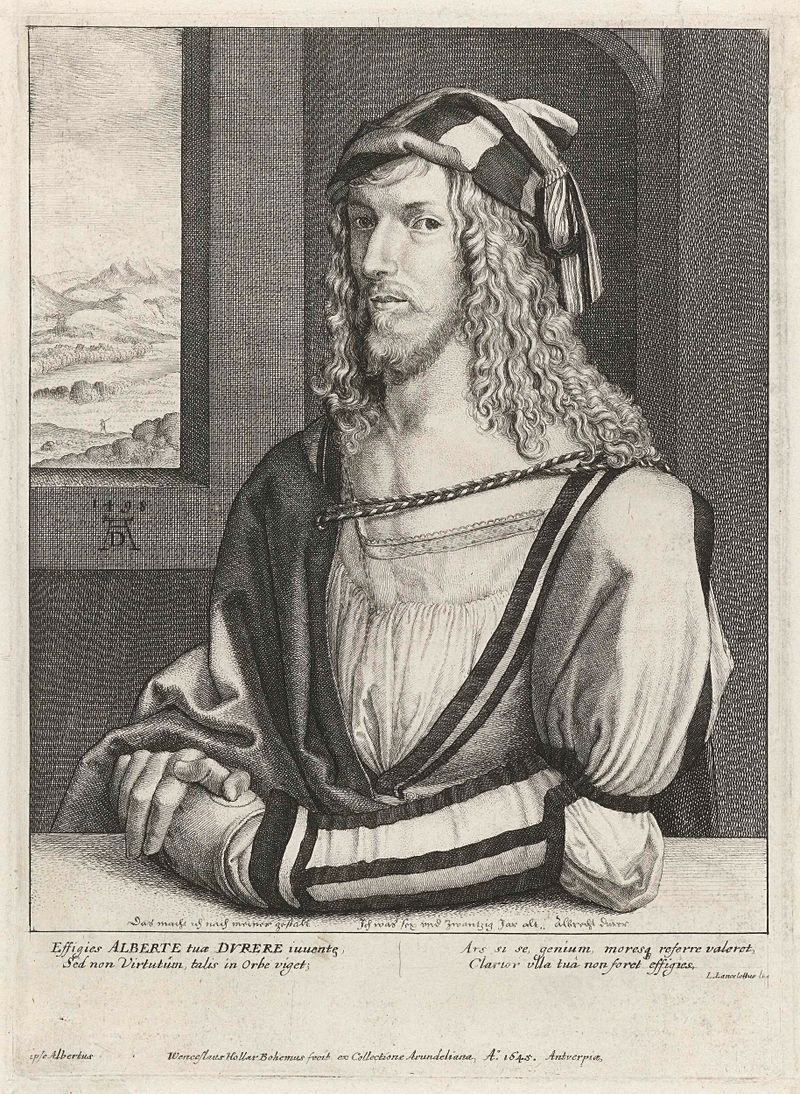
Portret van Albrecht Dürer
Wenceslaus Hollar
Ornamenteel ontwerp voor een dolk
Wenceslaus Hollar
Gezicht op Praag vanaf de Moldau
Wenceslaus Hollar





