
De verloren zoon krijgt nieuwe kleren — History & Facts
Can beauty exist without sorrow? In Jacques Callot's De verloren zoon krijgt nieuwe kleren, this question lingers as the viewer contemplates the juxtaposition of transformation and loss within the act of creation. Look closely at the elegant drapery that envelops the figure at the center, where the new clothes shimmer in a palette of rich hues. The precise folds and intricate detailing draw the eye, revealing Callot’s mastery of texture and form. Notice how the light dances across the fabric, illuminating both the character's modesty and grandeur.
Surrounding him, the onlookers form an emotional chorus, their gestures and expressions weaving a narrative that complements the central figure’s moment of renewal. The painting explores themes of redemption and the complexity of familial relationships. The contrast between the vibrant attire and the figures’ solemnity suggests that the act of receiving something beautiful can also carry an undercurrent of regret or nostalgia. The presence of the crowd further amplifies this tension; each onlooker embodies a different facet of emotional response, collectively reflecting the diverse implications of transformation. In 1635, while Callot was in Nancy, he produced this work amidst a backdrop of religious and political upheaval in Europe.
As a prominent figure in the Baroque movement, he was influenced by the desire to communicate deep narratives through visual art. The creation of De verloren zoon krijgt nieuwe kleren encapsulates a moment of profound insight into human experience, blending personal and universal layers of meaning that resonate through time.
More Artworks by Jacques Callot
Browse all →
Titelprent voor de prentreeks 'De kleine apostelen' (Het martelaarschap van de apostelen)
Jacques Callot
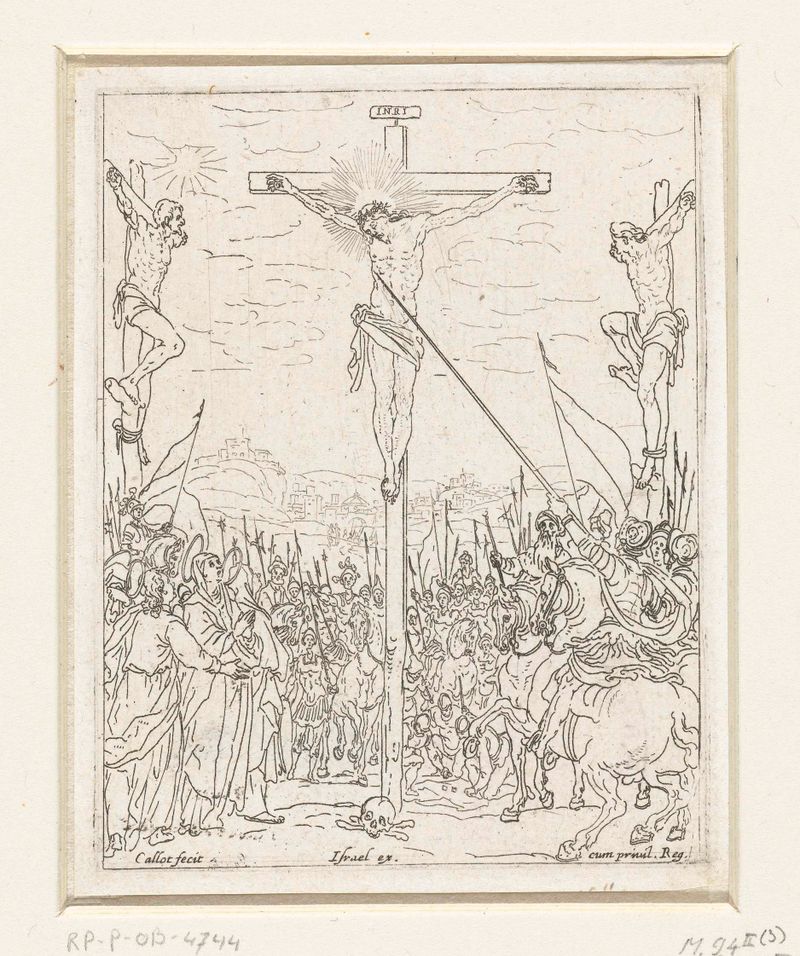
Kruisiging
Jacques Callot

De doortocht door de Rode Zee
Jacques Callot

De verloren zoon als zwijnenhoeder
Jacques Callot

Annunciatie
Jacques Callot
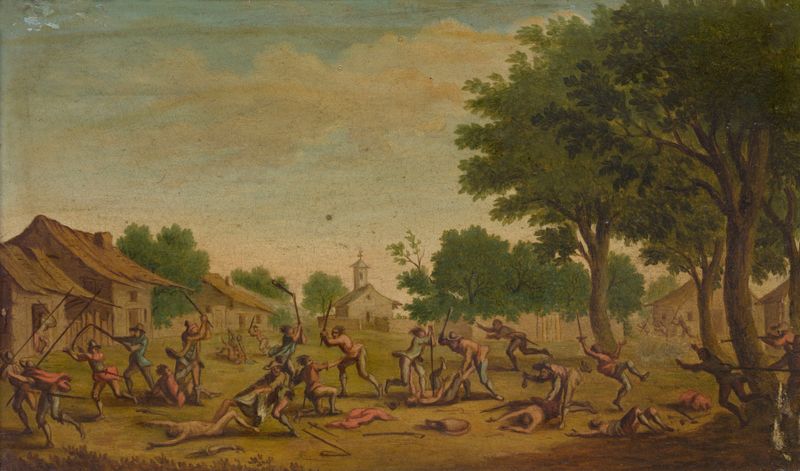
Village Fight
Jacques Callot

Titelprent voor prentreeks 'Het leven van Maria'
Jacques Callot
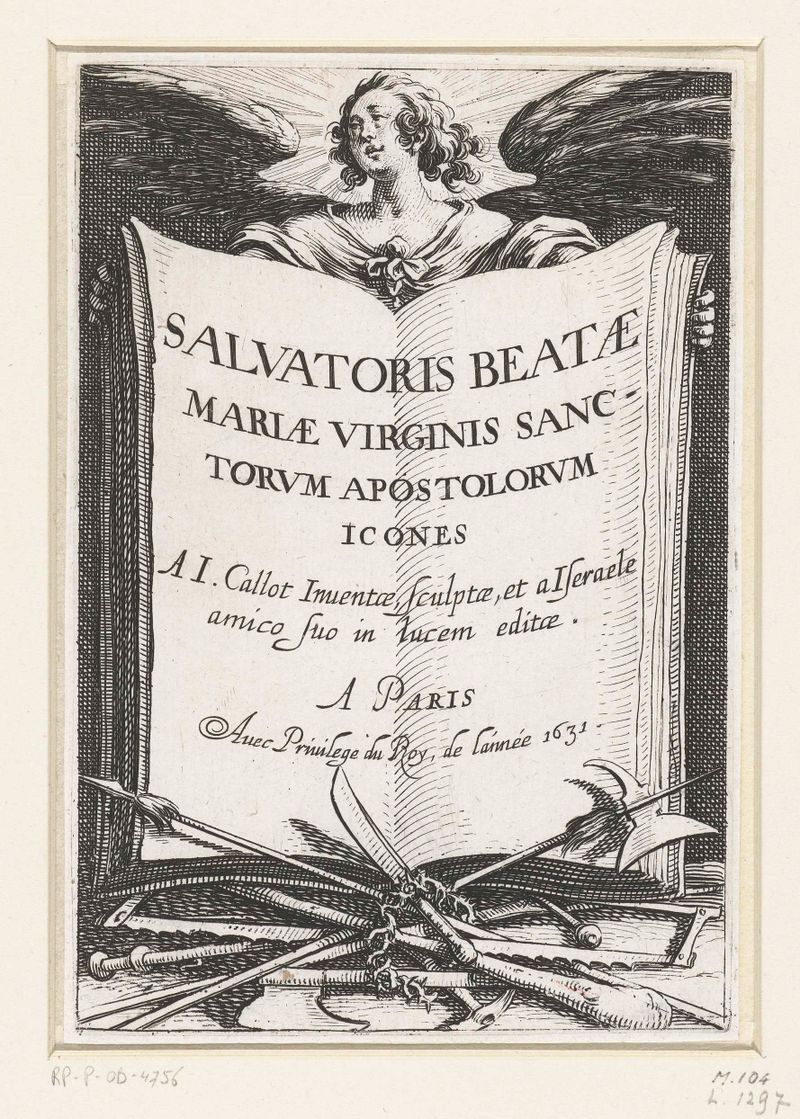
Titelprent voor de prentreeks 'De grote apostelen' (Christus, Maria en de apostelen)
Jacques Callot

Christus aan het volk getoond (Ecce homo)
Jacques Callot
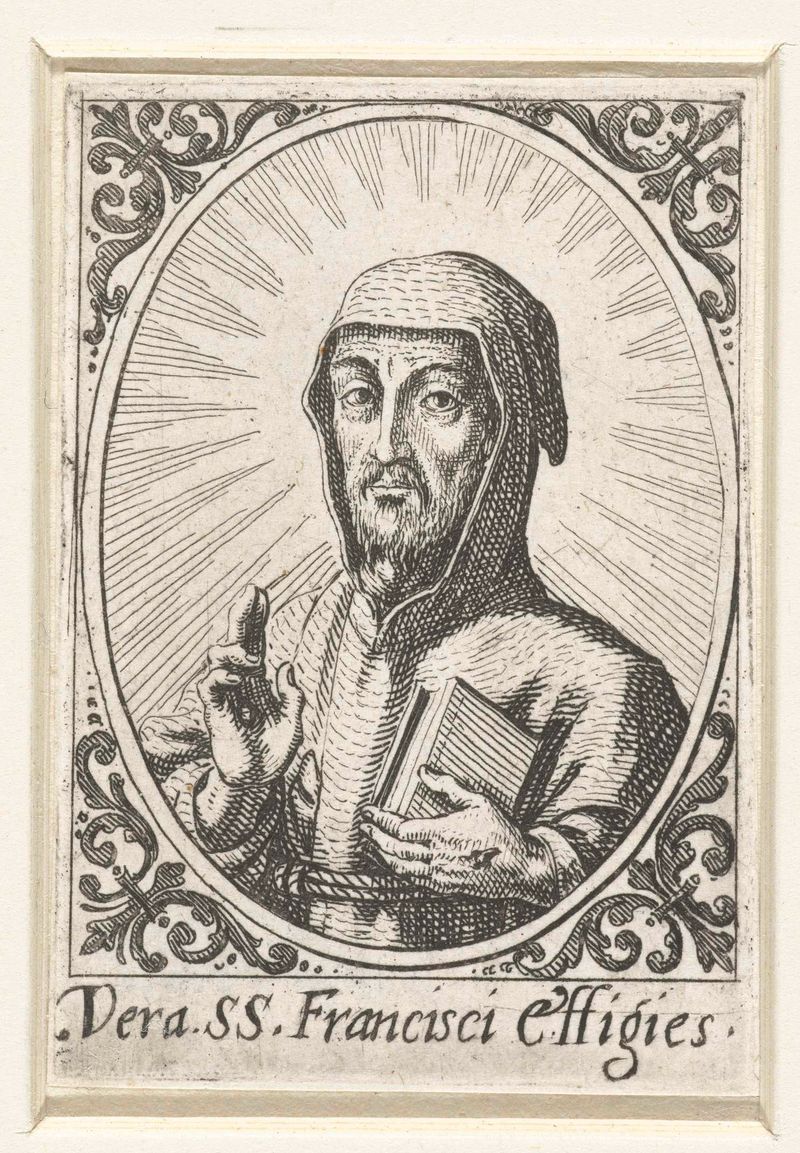
Portret van de Heilige Franciscus
Jacques Callot





