
De zondeval — History & Facts
Is this a mirror — or a memory? In De zondeval, the shadowy figures of temptation and innocence intertwine, calling us to confront our own reflections within the depths of sin and morality. Look to the center of the composition, where Eve, illuminated with soft, golden light, offers the fateful apple. Notice how the contrasting sharpness of the serpent, coiled and menacing, creates a palpable tension. The painter uses rich earth tones and vibrant greens to frame this pivotal moment, drawing the viewer’s eye toward the seductive glow of the fruit, a symbol of knowledge and downfall.
The meticulous detail in the figures’ expressions captures both the allure and the impending doom, inviting us to linger in this moral crossroads. Deeper insights emerge upon closer examination. The background, a landscape of tranquil beauty, contrasts starkly with the charged encounter in the foreground, emphasizing the loss of innocence. The serpent’s gaze, almost hypnotic, hints at the seductive nature of temptation, while Eve’s hesitance reveals the inner conflict of desire versus duty.
These elements weave a complex narrative of human experience, where shadows of doubt loom just as large as the light of divine creation. Lucas van Leyden painted De zondeval between 1515 and 1519, during a time of significant change in Northern Renaissance art. His mastery in engraving and painting reflected the growing interest in humanism and religious themes. While the world around him was shifting from medieval to modern perspectives, he deftly captured the timeless struggles of humanity, leaving a powerful commentary on the nature of sin that resonates through the ages.
More Artworks by Lucas van Leyden
Browse all →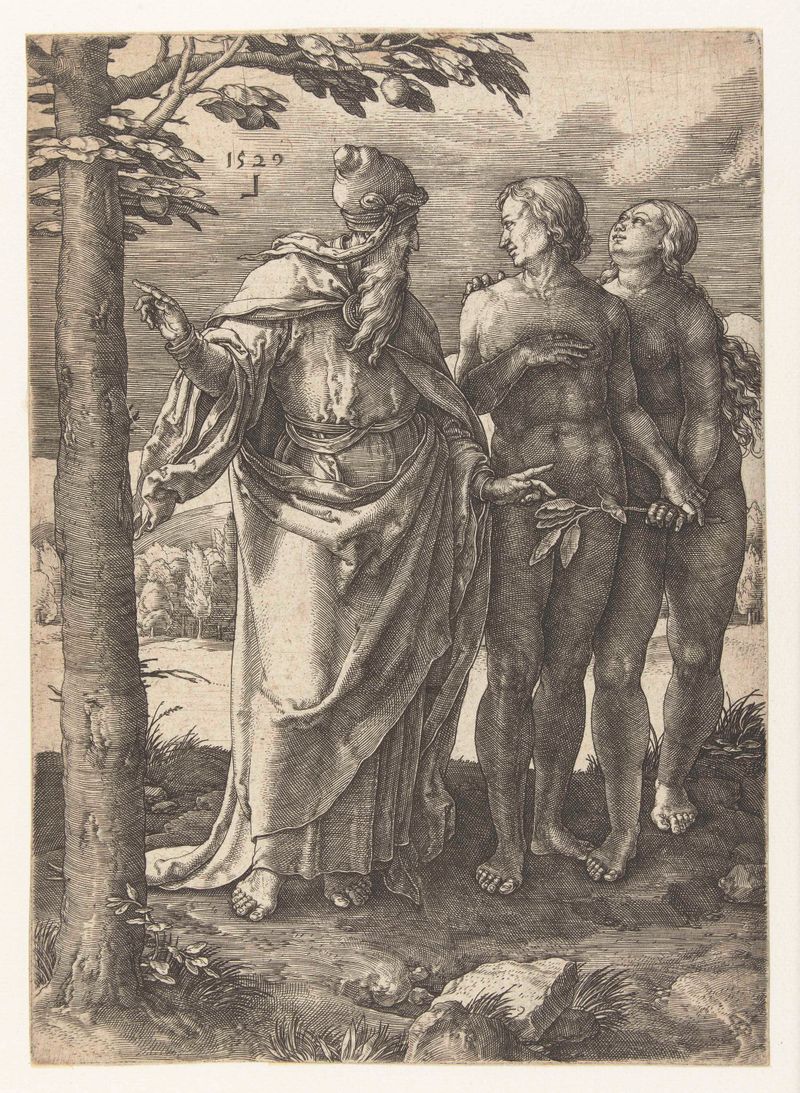
Het eerste verbod
Lucas van Leyden
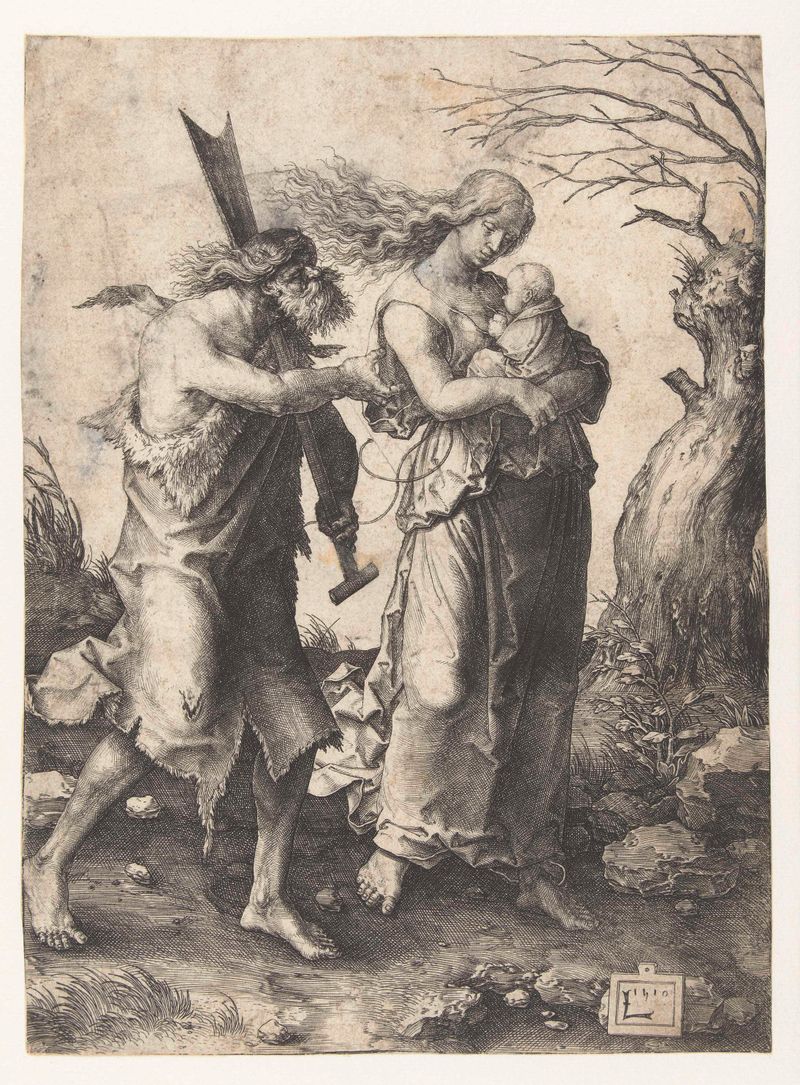
Adam en Eva na de verdrijving uit het paradijs
Lucas van Leyden
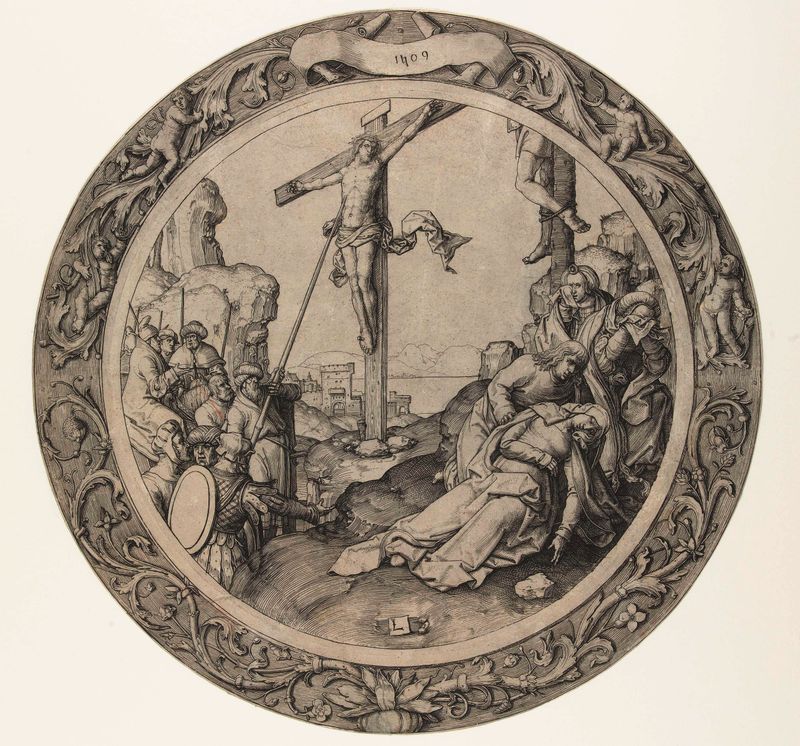
De kruisiging
Lucas van Leyden
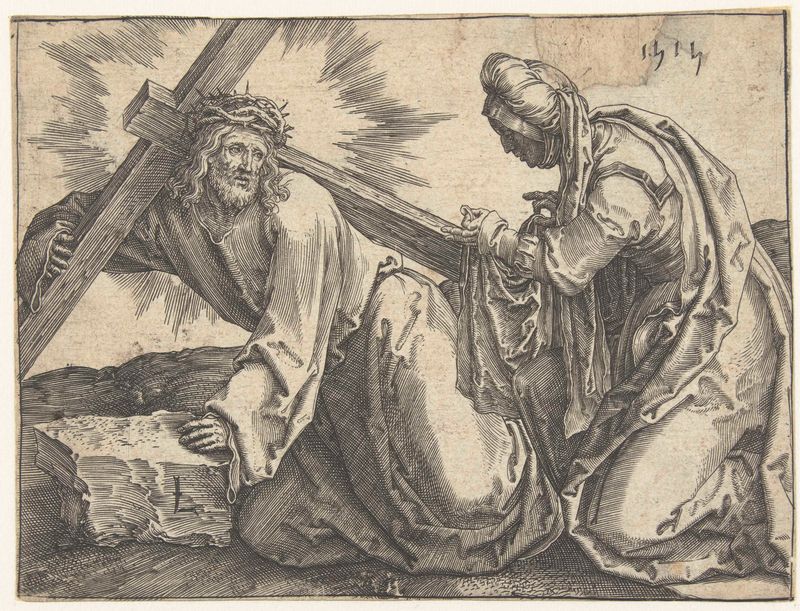
Kruisdraging
Lucas van Leyden
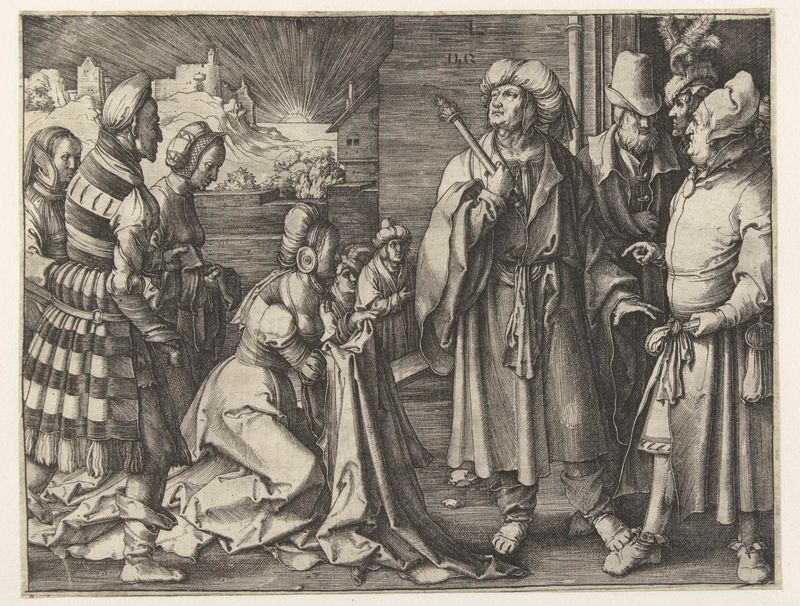
De vrouw van Potifar beschuldigt Jozef
Lucas van Leyden
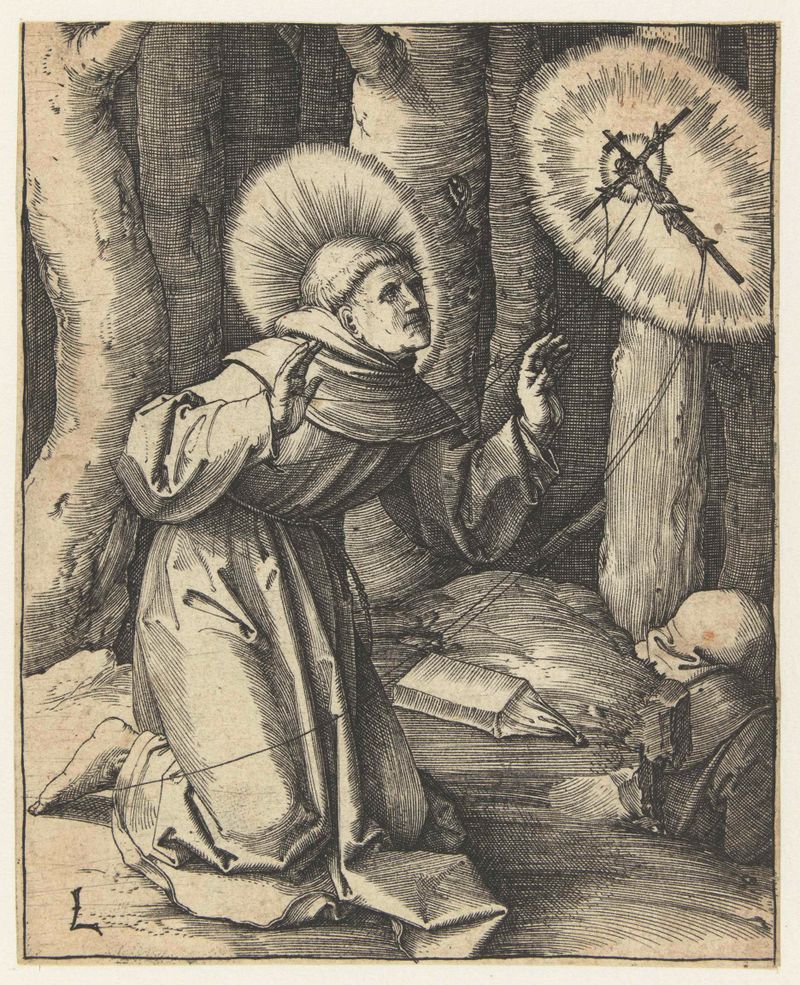
De stigmatisatie van de heilige Franciscus
Lucas van Leyden
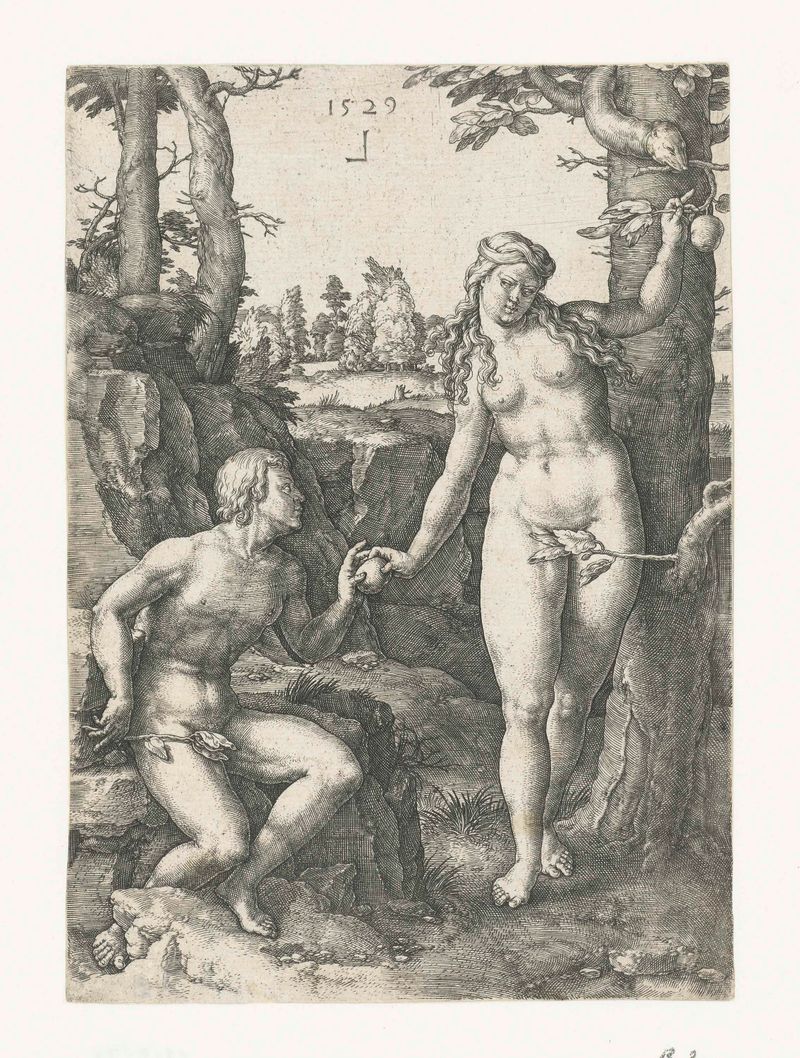
De zondeval
Lucas van Leyden
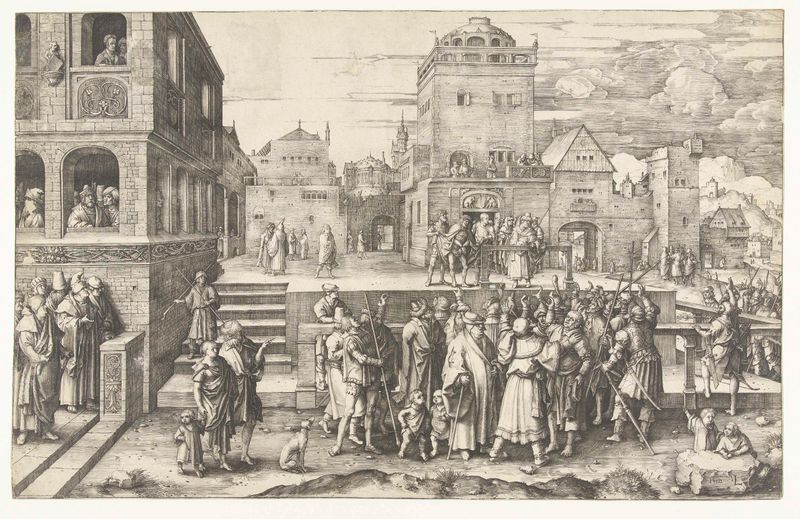
De grote Ecce Homo
Lucas van Leyden
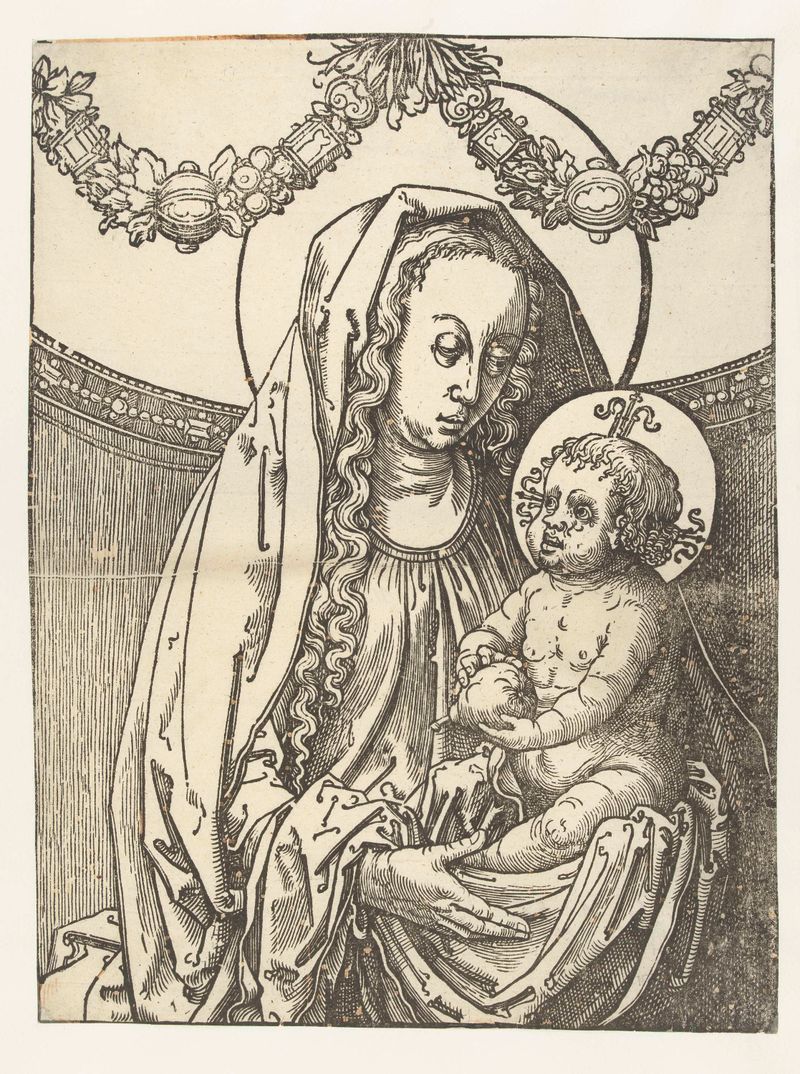
Maria met kind
Lucas van Leyden

Doornenkroning
Lucas van Leyden
More Religious Art
Browse all →
The Return of the Prodigal Son
Rembrandt van Rijn

The Garden of Earthly Delights
El Bosco

Count Orgaz’ funeral
El Greco

The Hundred Guilder Print: the central piece with Christ preaching, the plate arched
Rembrandt van Rijn

The Descent from the Cross
Rogier van der Weyden

The return of the prodigal son
Rembrandt van Rijn