
De zondeval — History & Facts
In De zondeval, the intricate interplay of allure and anguish reveals the duality of human experience, ensnaring viewers in its complex layers of emotion. Focus your gaze on the shimmering golden serpent curling around the scene, its scales glistening with danger as they contrast starkly against the softer human forms. Notice how the figures, Adam and Eve, are rendered with meticulous attention, their features both angelic and vulnerable, as light falls upon them, illuminating their innocence and impending doom. The lush, verdant landscape enveloping them is vibrant yet ominous, suggesting a paradise teetering on the brink of chaos. Beneath the surface beauty lies an undercurrent of tension; the serpent’s gaze is laden with temptation, inviting yet foreboding.
The blossoms around Adam and Eve, while enchanting, symbolize the fleeting nature of desire and innocence, illustrating the delicate balance between paradise and downfall. The composition draws us deep into the narrative, evoking reflections on choice, consequence, and the darker facets of human nature. Created between 1504 and 1508, this work emerged during a transformative period for Lucas van Leyden, who was navigating the shift towards Northern Renaissance ideals. It was a time of heightened exploration in themes of morality and human emotion, influenced by both religious reformations and the burgeoning individuality of the artist.
In this rich backdrop, he employed a meticulous technique that would elevate his works as both moral commentary and exquisite art.
More Artworks by Lucas van Leyden
Browse all →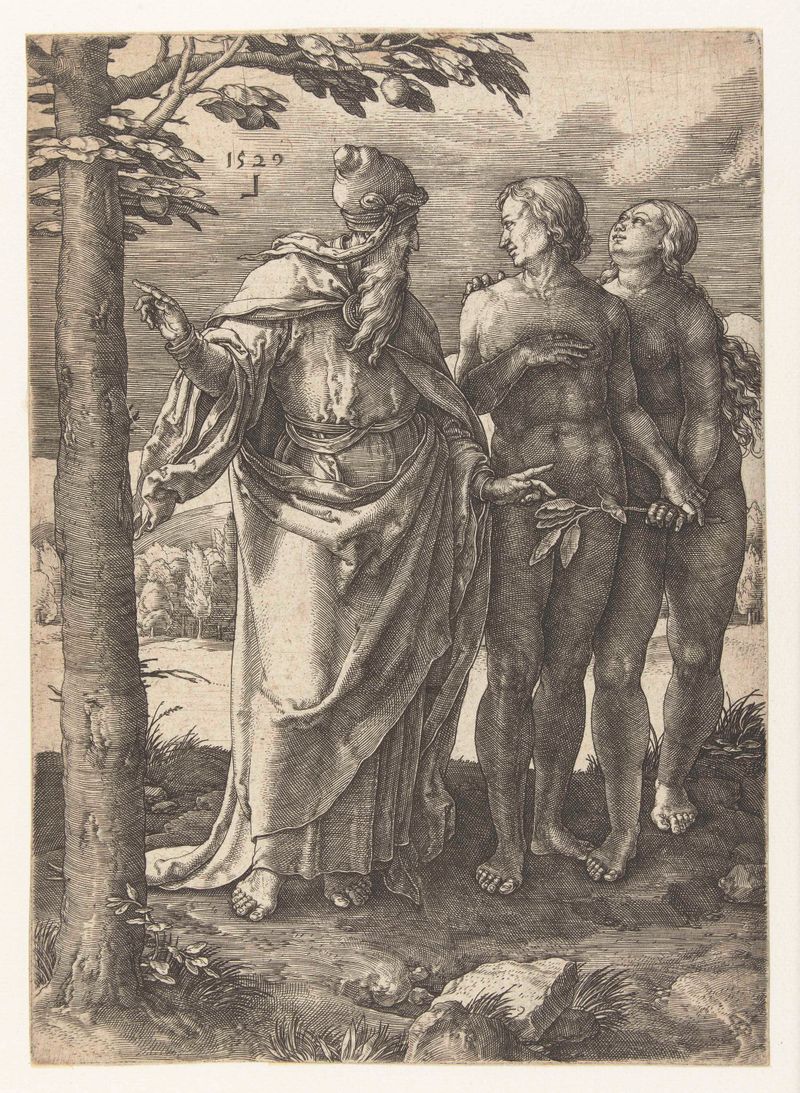
Het eerste verbod
Lucas van Leyden
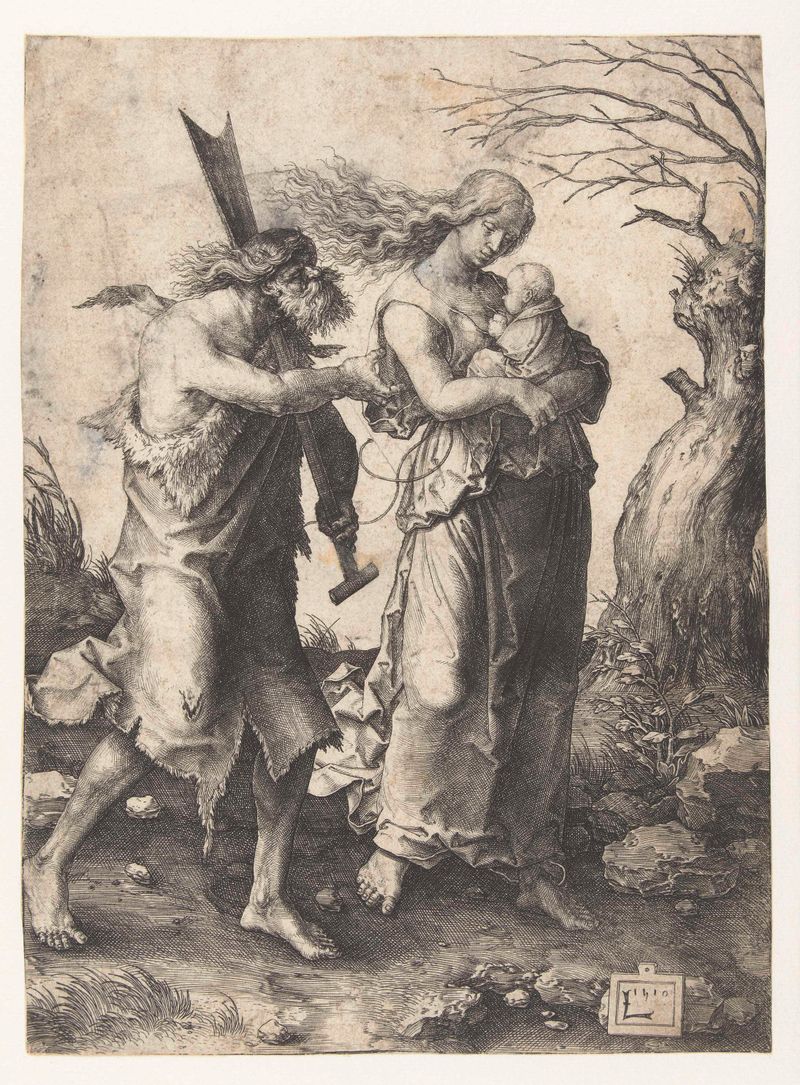
Adam en Eva na de verdrijving uit het paradijs
Lucas van Leyden
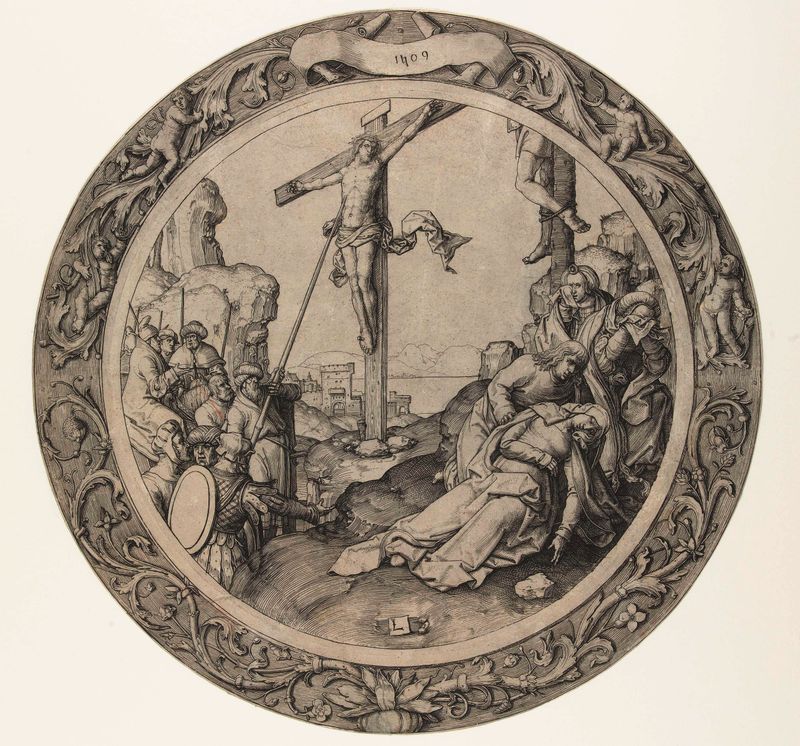
De kruisiging
Lucas van Leyden
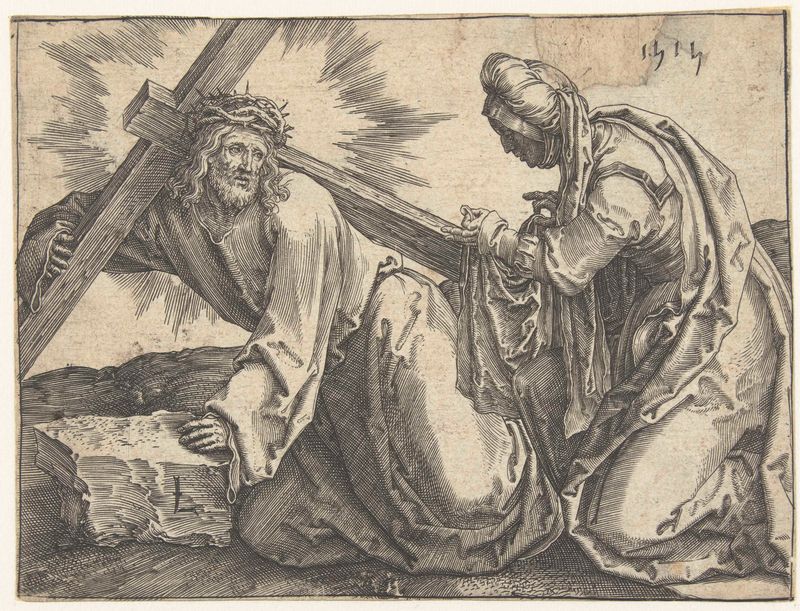
Kruisdraging
Lucas van Leyden
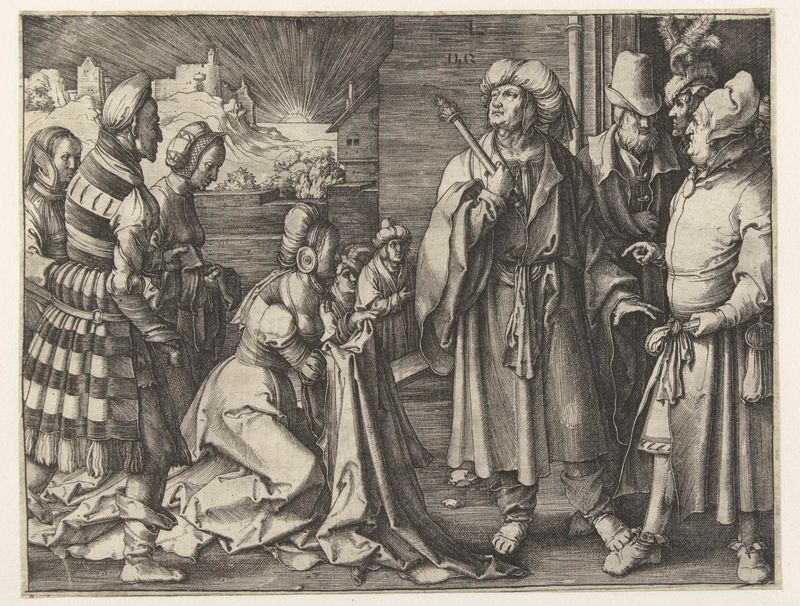
De vrouw van Potifar beschuldigt Jozef
Lucas van Leyden
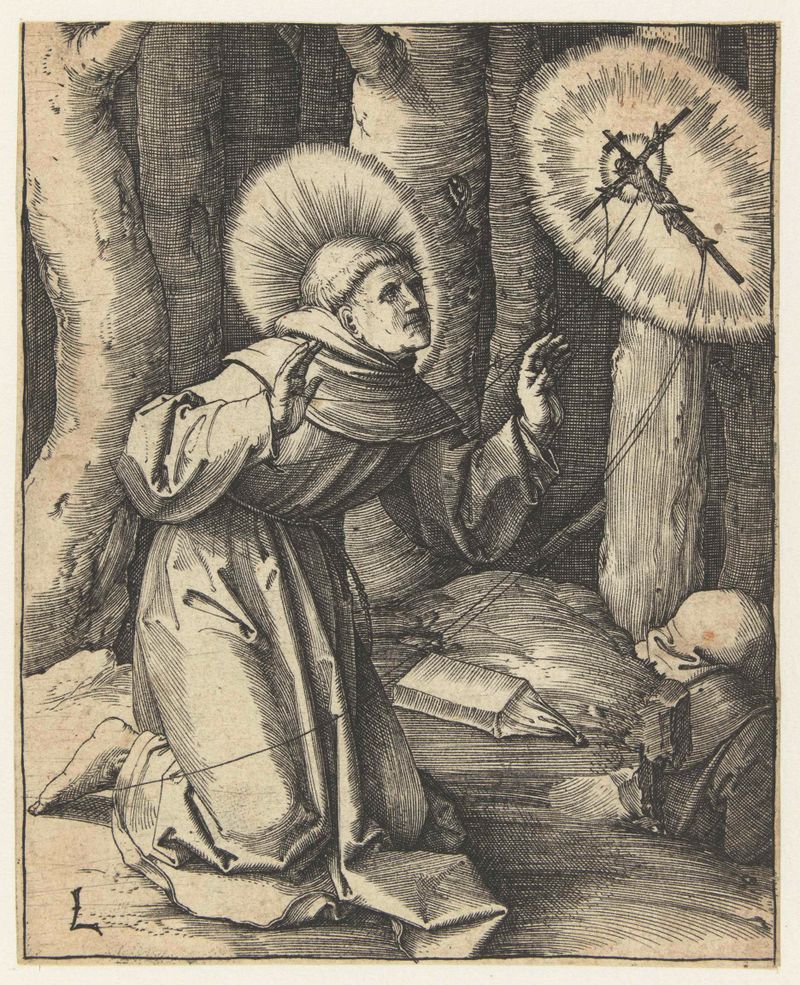
De stigmatisatie van de heilige Franciscus
Lucas van Leyden
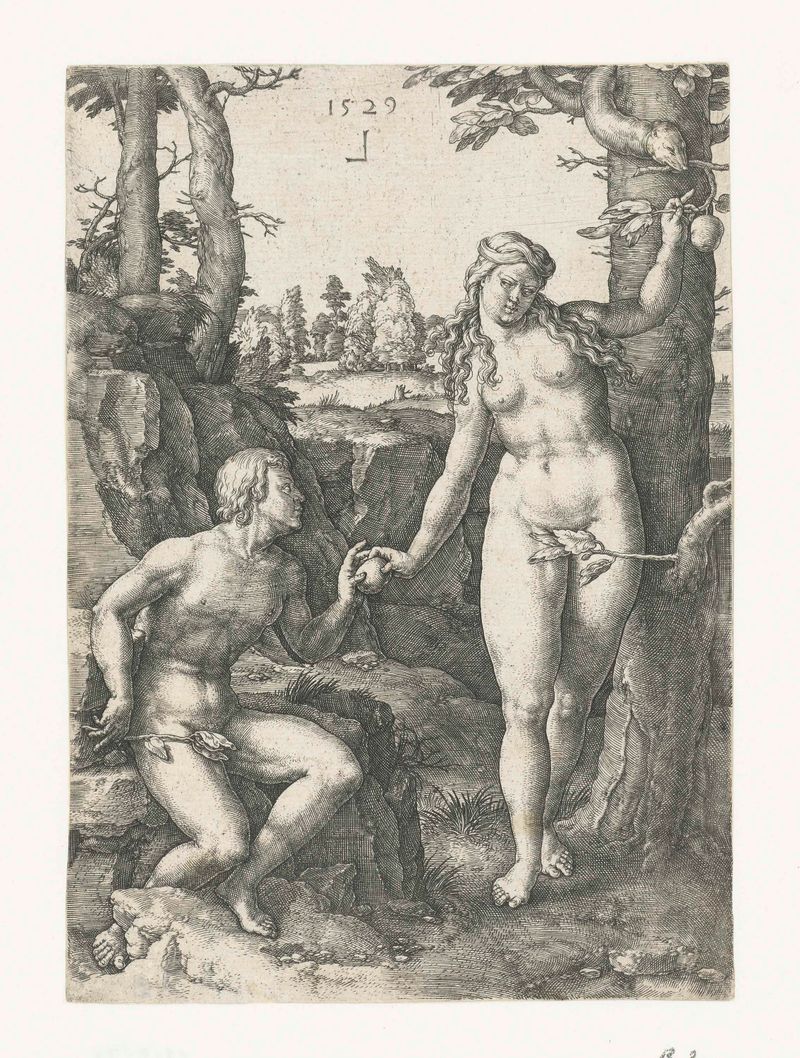
De zondeval
Lucas van Leyden
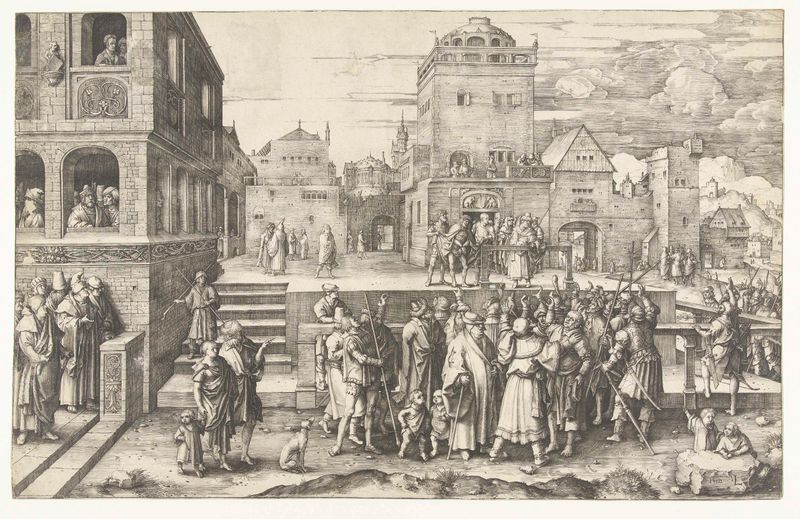
De grote Ecce Homo
Lucas van Leyden
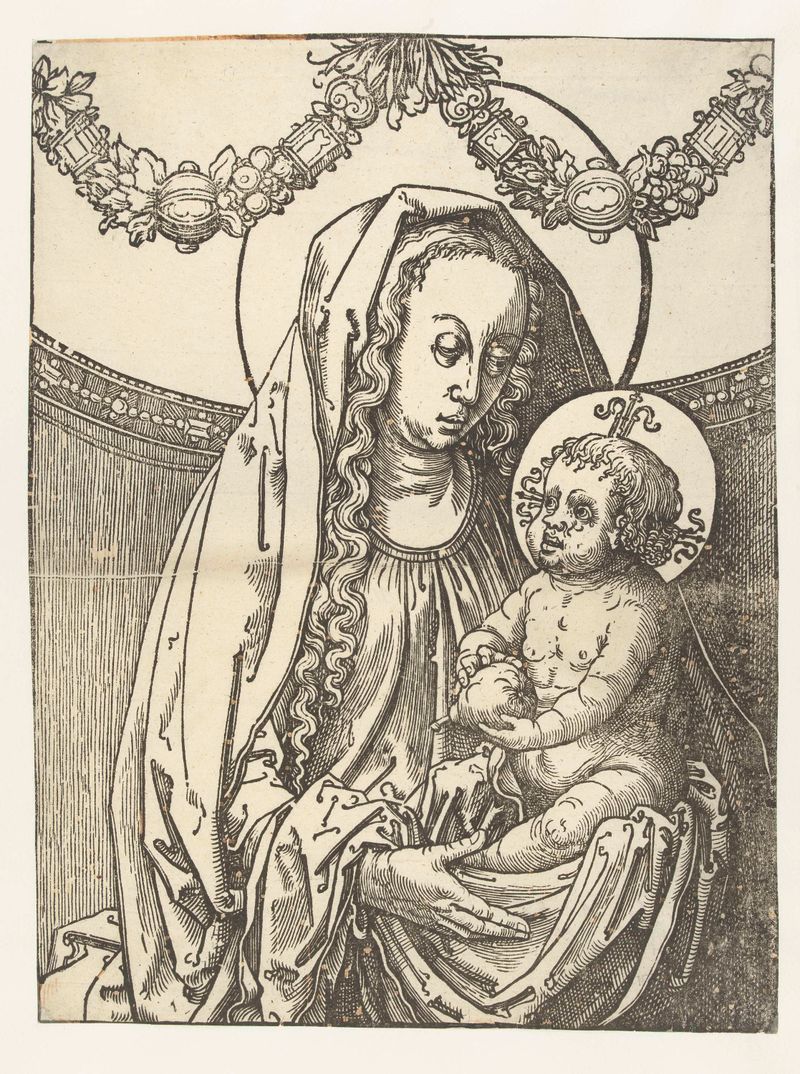
Maria met kind
Lucas van Leyden

Doornenkroning
Lucas van Leyden
More Religious Art
Browse all →
The Return of the Prodigal Son
Rembrandt van Rijn

The Garden of Earthly Delights
El Bosco

Count Orgaz’ funeral
El Greco

The Hundred Guilder Print: the central piece with Christ preaching, the plate arched
Rembrandt van Rijn

The Descent from the Cross
Rogier van der Weyden

The return of the prodigal son
Rembrandt van Rijn