
De zondeval — History & Facts
In the quiet spaces of memory, we find echoes of our choices, painted in the hues of regret and longing. What if we could capture our past in a single frame, revealing the moment when innocence begins to slip away? Focus on the center of the composition where the figures of Adam and Eve stand, surrounded by lush foliage that seems to pulsate with life. Notice how the rich greens and warm tones contrast sharply with the cold glint of the forbidden fruit, drawing your gaze to the pivotal moment of temptation.
The meticulous detailing of their expressions — a mix of curiosity and trepidation — invites you to linger, to question the weight of choice captured in their gestures. As you delve deeper, consider the symbolism at play: the serpent coiling around the tree, its gaze intent on the unsuspecting couple, embodies the duality of knowledge and innocence. The interplay of light and shadow serves to heighten the tension, perhaps suggesting the moment of a fateful decision looming nearby. Each brushstroke conveys not just a scene but the inevitability of consequences, where nostalgia intertwines with the loss of paradise. Painted in 1529, this work emerged during Lucas van Leyden's evolution as a master engraver and painter, deeply influenced by the Humanist ideals of his time.
The exploration of biblical themes against the backdrop of a changing artistic landscape reflects both his personal journey and the broader artistic currents emerging in Northern Europe. In this moment, the artist crystallized a universal human experience, making De zondeval resonate through the ages.
More Artworks by Lucas van Leyden
Browse all →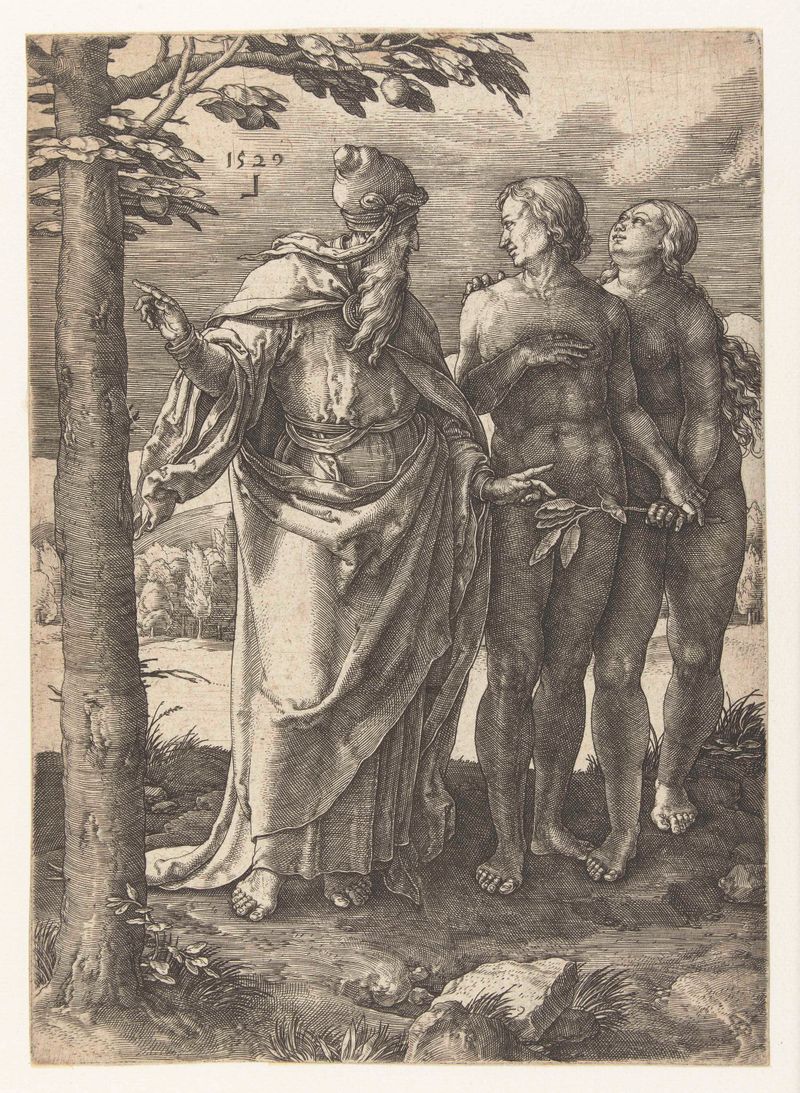
Het eerste verbod
Lucas van Leyden
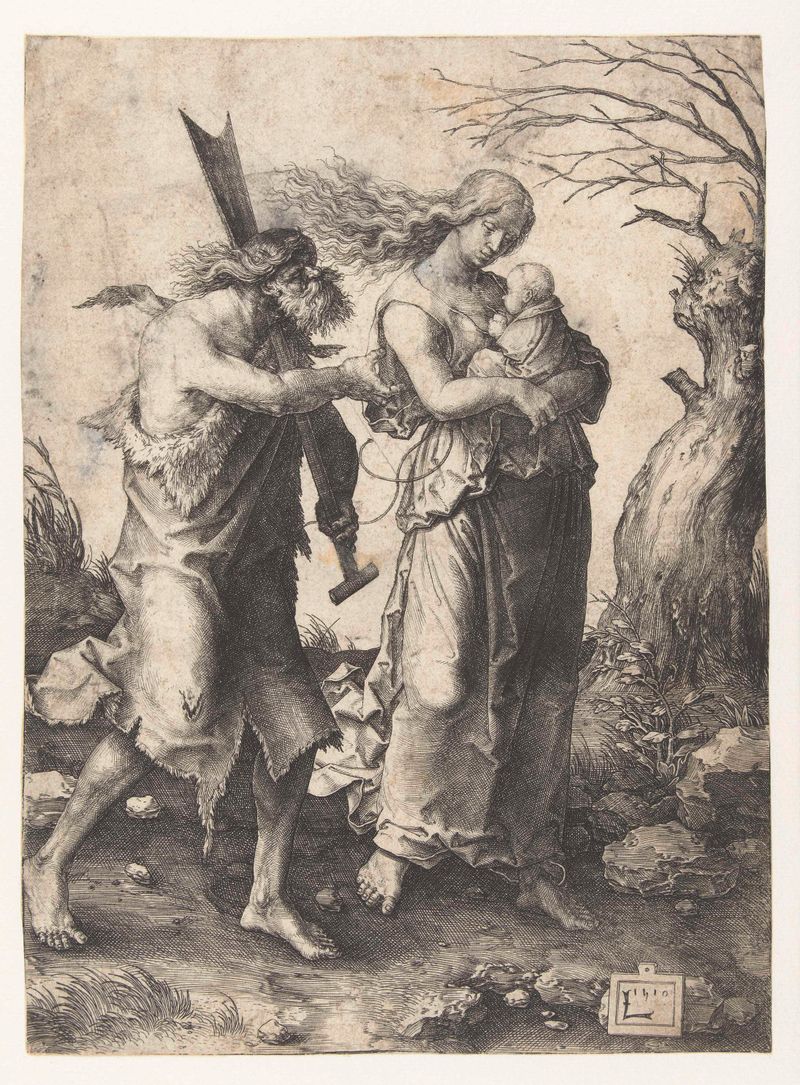
Adam en Eva na de verdrijving uit het paradijs
Lucas van Leyden
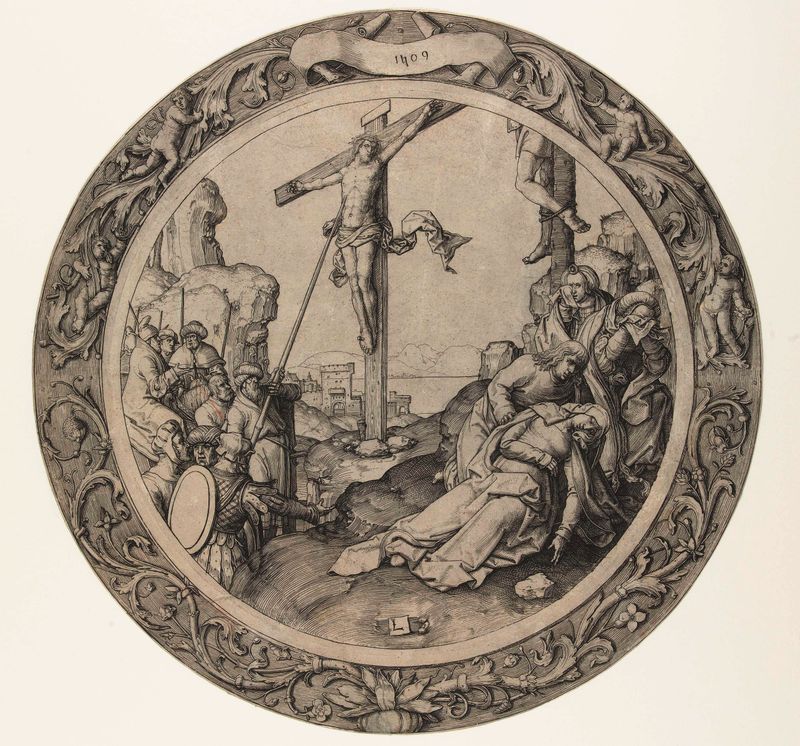
De kruisiging
Lucas van Leyden
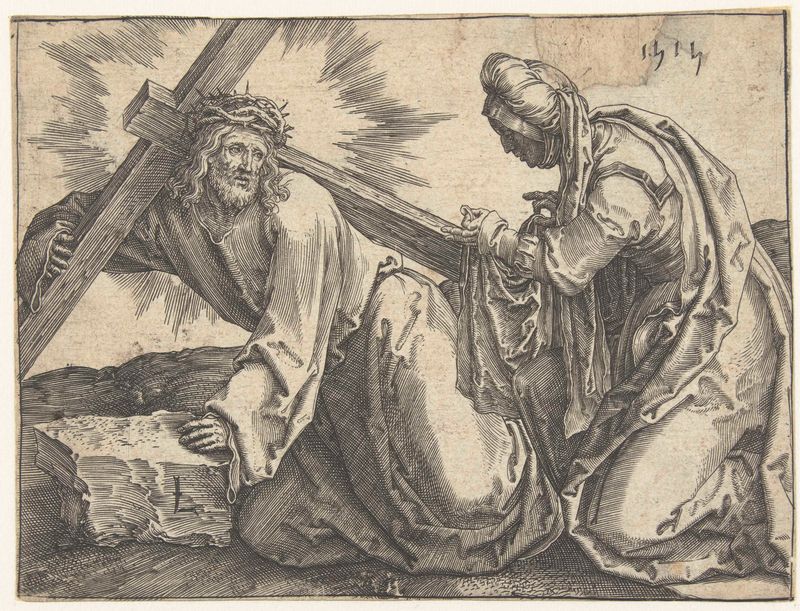
Kruisdraging
Lucas van Leyden
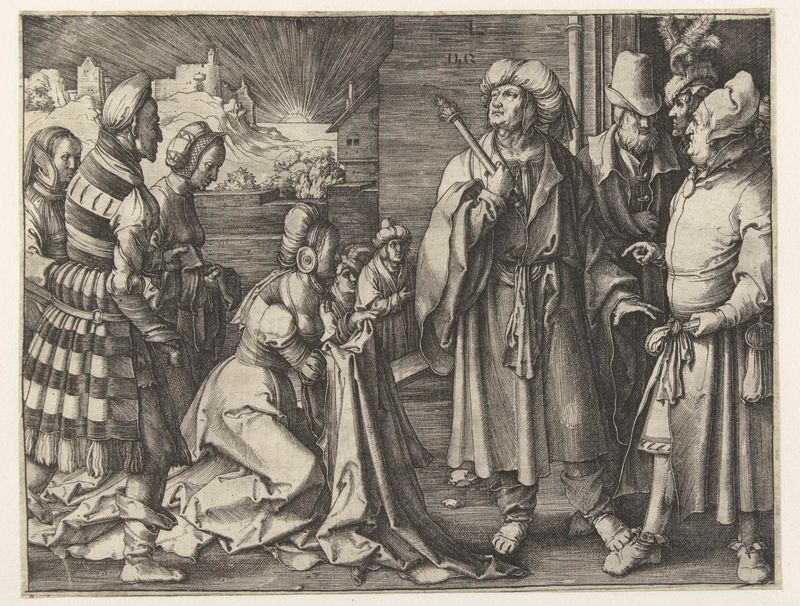
De vrouw van Potifar beschuldigt Jozef
Lucas van Leyden
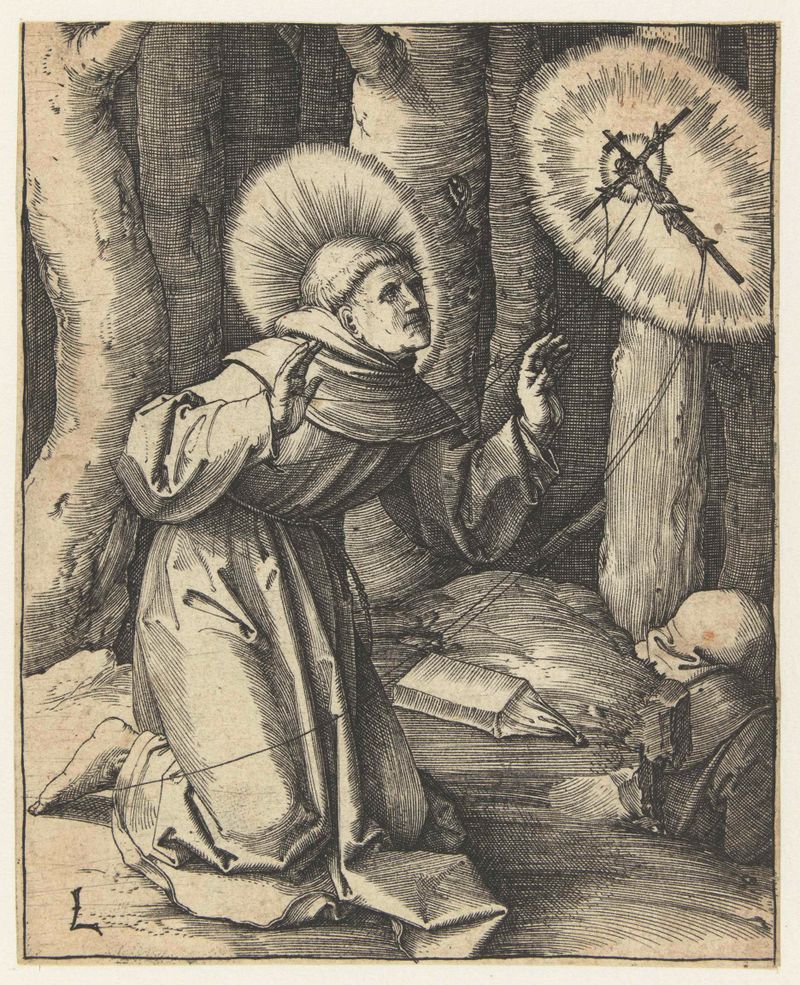
De stigmatisatie van de heilige Franciscus
Lucas van Leyden
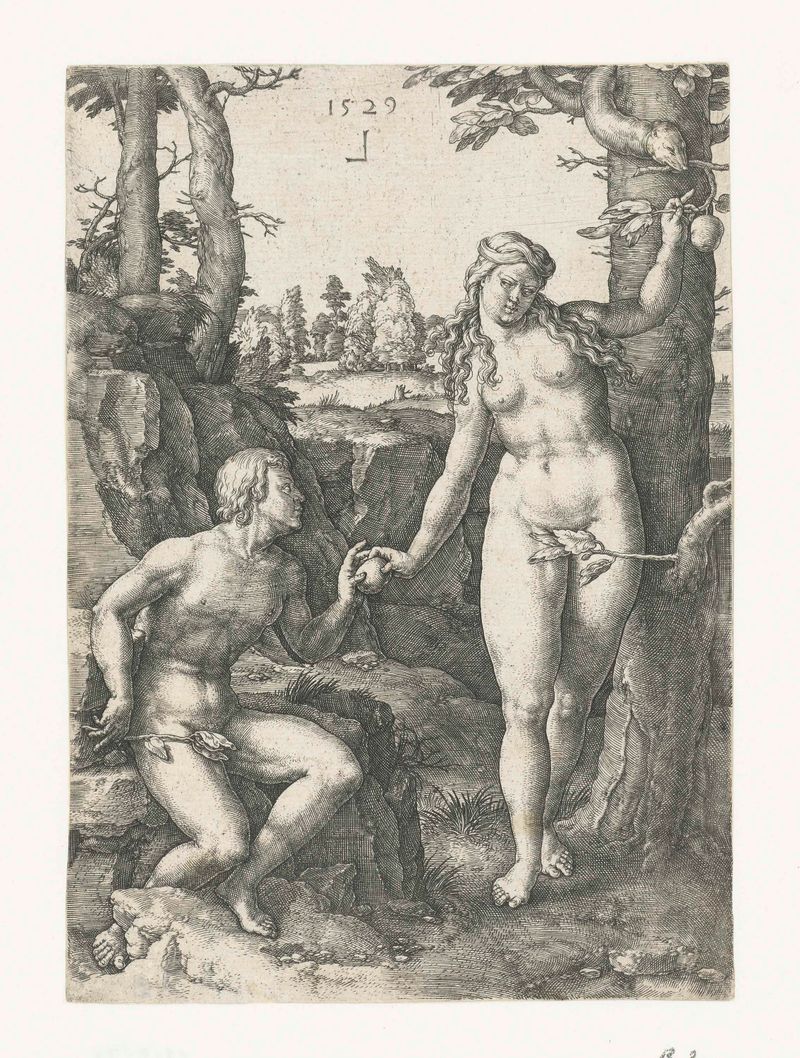
De zondeval
Lucas van Leyden
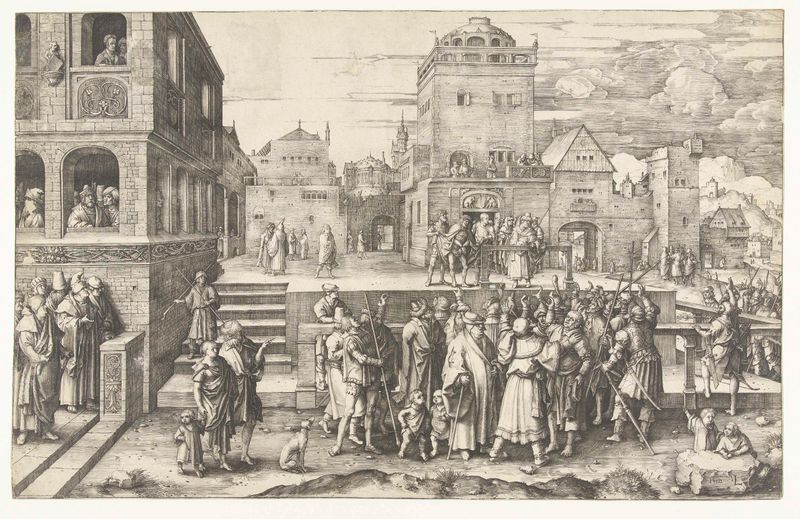
De grote Ecce Homo
Lucas van Leyden
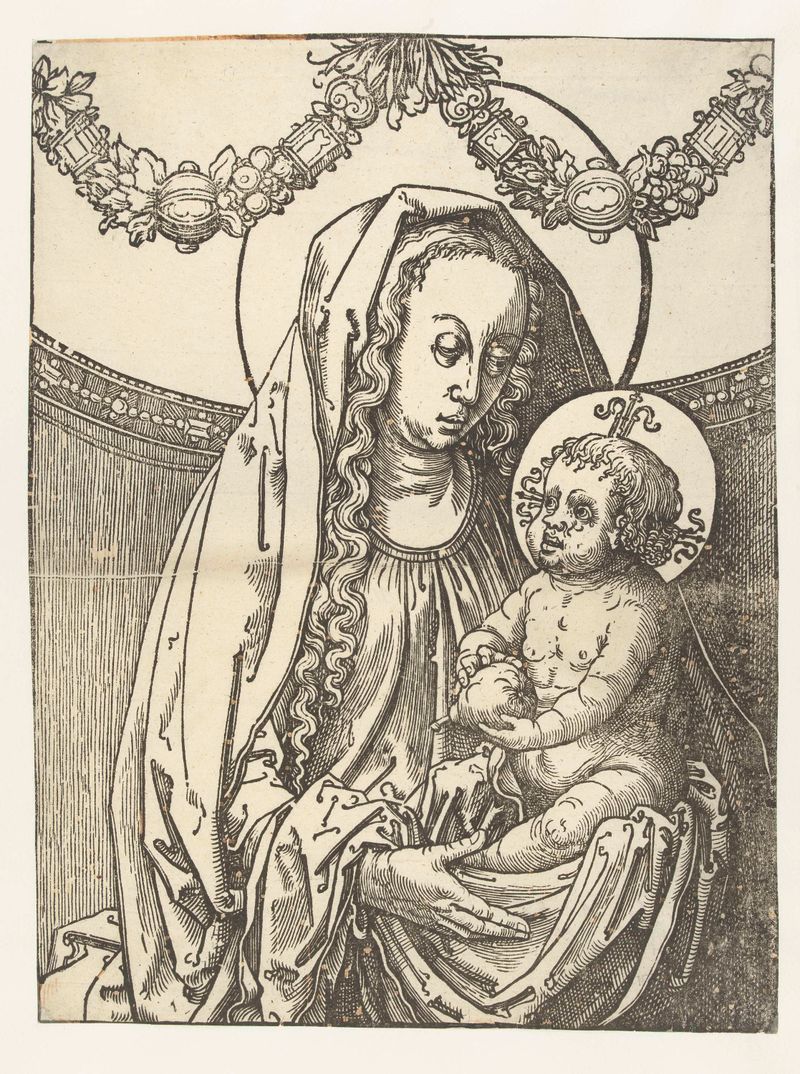
Maria met kind
Lucas van Leyden

Doornenkroning
Lucas van Leyden
More Religious Art
Browse all →
The Return of the Prodigal Son
Rembrandt van Rijn

The Garden of Earthly Delights
El Bosco

Count Orgaz’ funeral
El Greco

The Hundred Guilder Print: the central piece with Christ preaching, the plate arched
Rembrandt van Rijn

The Descent from the Cross
Rogier van der Weyden

The return of the prodigal son
Rembrandt van Rijn