
De zondeval — History & Facts
Is this a mirror — or a memory? The fine line between knowledge and guilt lies at the heart of this profound work, inviting contemplation on human nature and the complexity of truth. Look to the center of the canvas, where the figures of Adam and Eve stand caught in a moment of fateful choice. Their expressions are laden with a mixture of innocence and foreboding; the lush, vibrant greens around them contrast sharply with the impending darkness of their decision. Notice how the light dances upon the serpent, curling seductively around the tree, drawing the viewer's eye to the very fruit that symbolizes temptation and downfall.
Rich colors and intricate details meld to create a lifelike representation that enhances the emotional weight of this scene. As you delve deeper, consider the tension between the idyllic paradise and the looming consequences of disobedience. The subtle interplay of light and shadow evokes a sense of inevitability, suggesting that knowledge will come at a price. Adam and Eve's outstretched hands toward the fruit symbolize not just desire but also the fragility of human choice, reminding us that insight often carries with it the seeds of regret.
The juxtaposition of their pristine forms against the chaotic presence of the serpent serves as a powerful reminder of the duality of creation and destruction. Lucas van Leyden painted this work between 1512 and 1516 during a period of significant artistic evolution in Northern Europe. A master of woodcuts and oil painting, he was influenced by humanist ideals that permeated the art world at the time. His exploration of biblical themes and moral dilemmas echoed the societal shifts occurring around him, reflecting both individual and collective struggles with truth in an era marked by religious upheaval.
More Artworks by Lucas van Leyden
Browse all →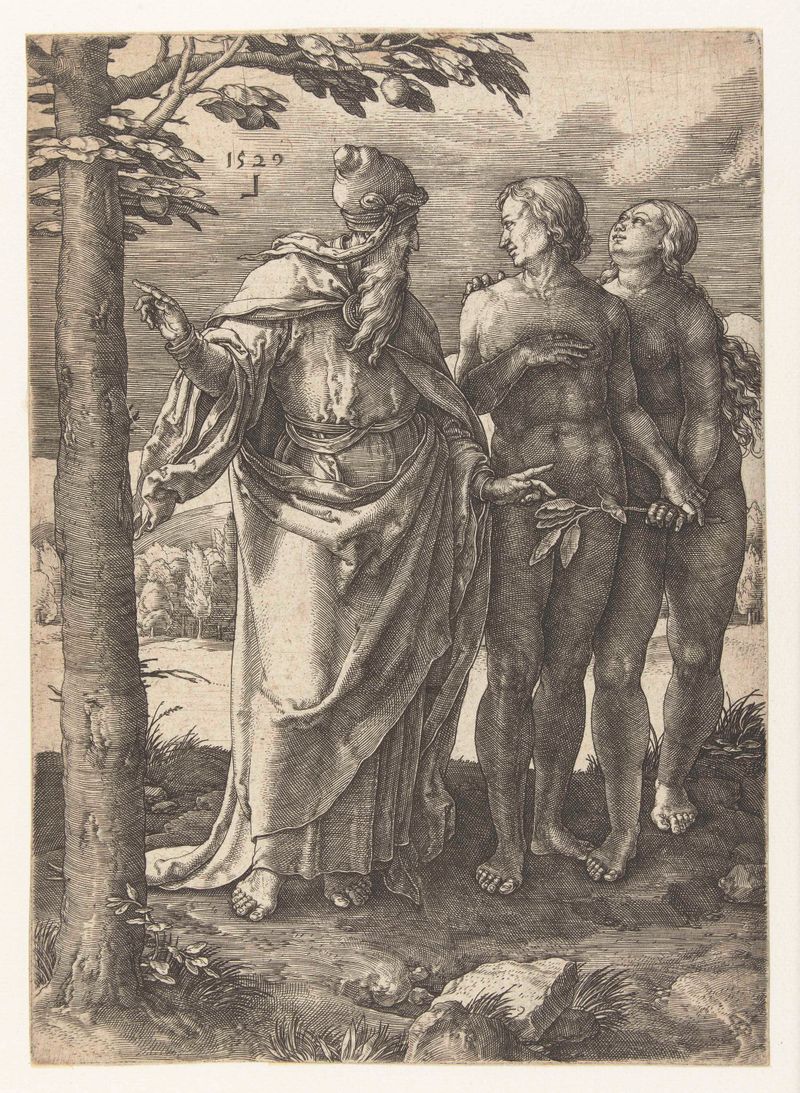
Het eerste verbod
Lucas van Leyden
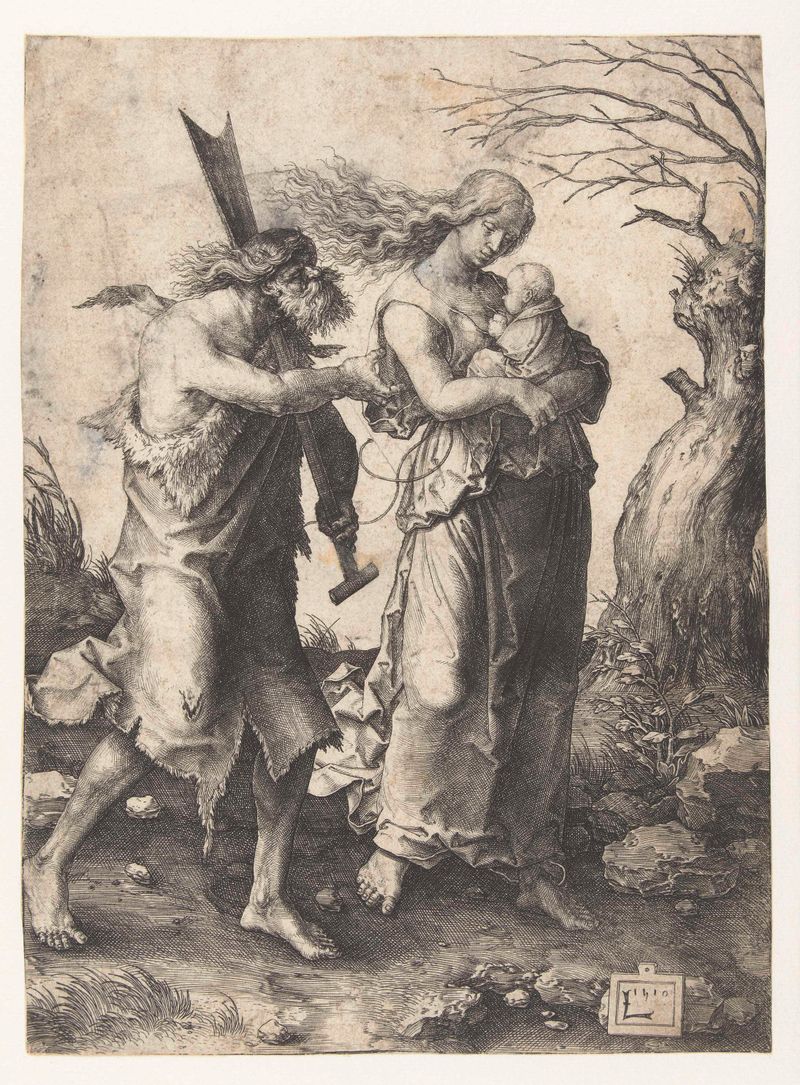
Adam en Eva na de verdrijving uit het paradijs
Lucas van Leyden
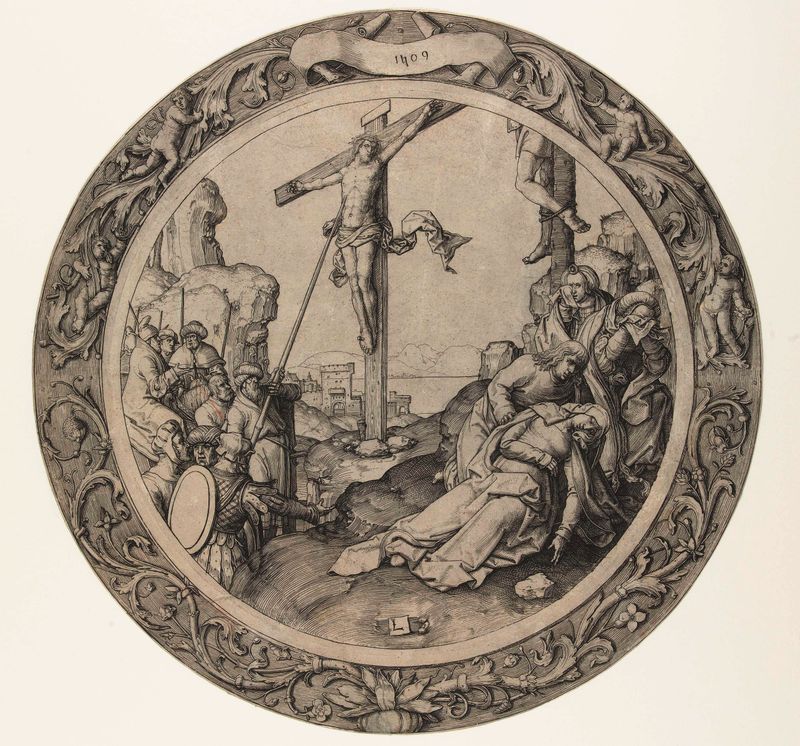
De kruisiging
Lucas van Leyden
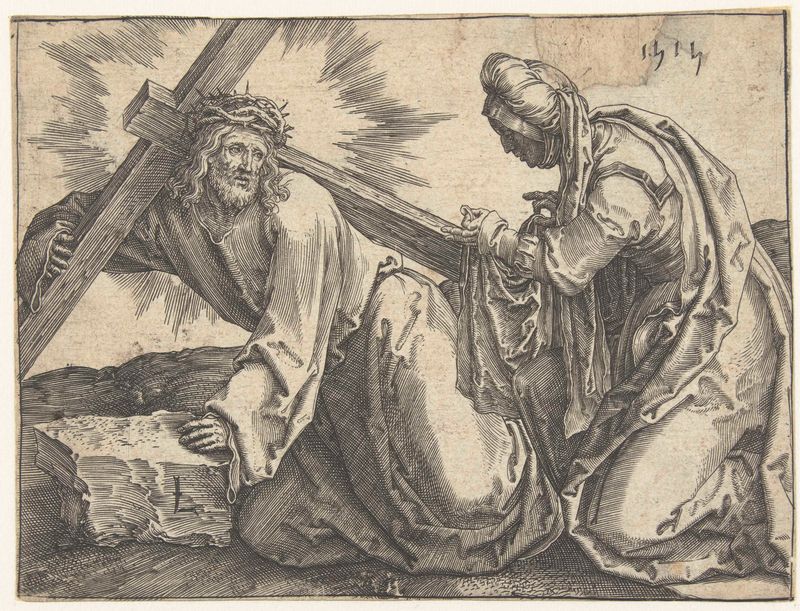
Kruisdraging
Lucas van Leyden
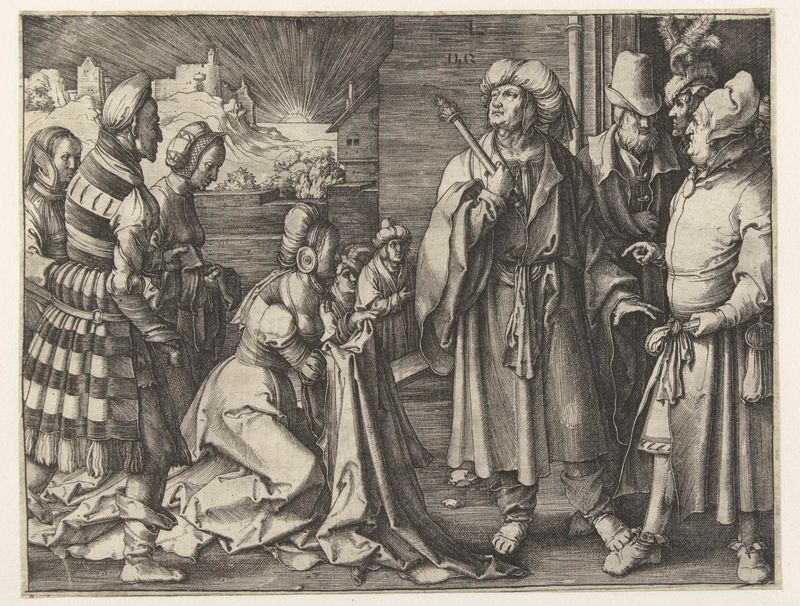
De vrouw van Potifar beschuldigt Jozef
Lucas van Leyden
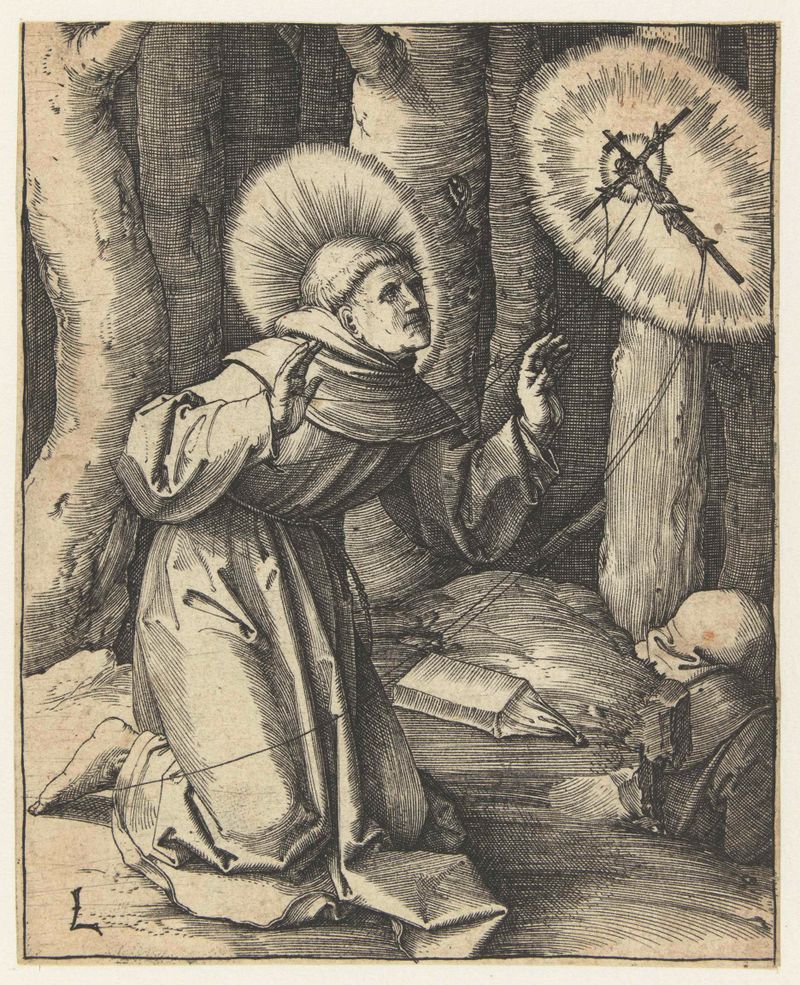
De stigmatisatie van de heilige Franciscus
Lucas van Leyden
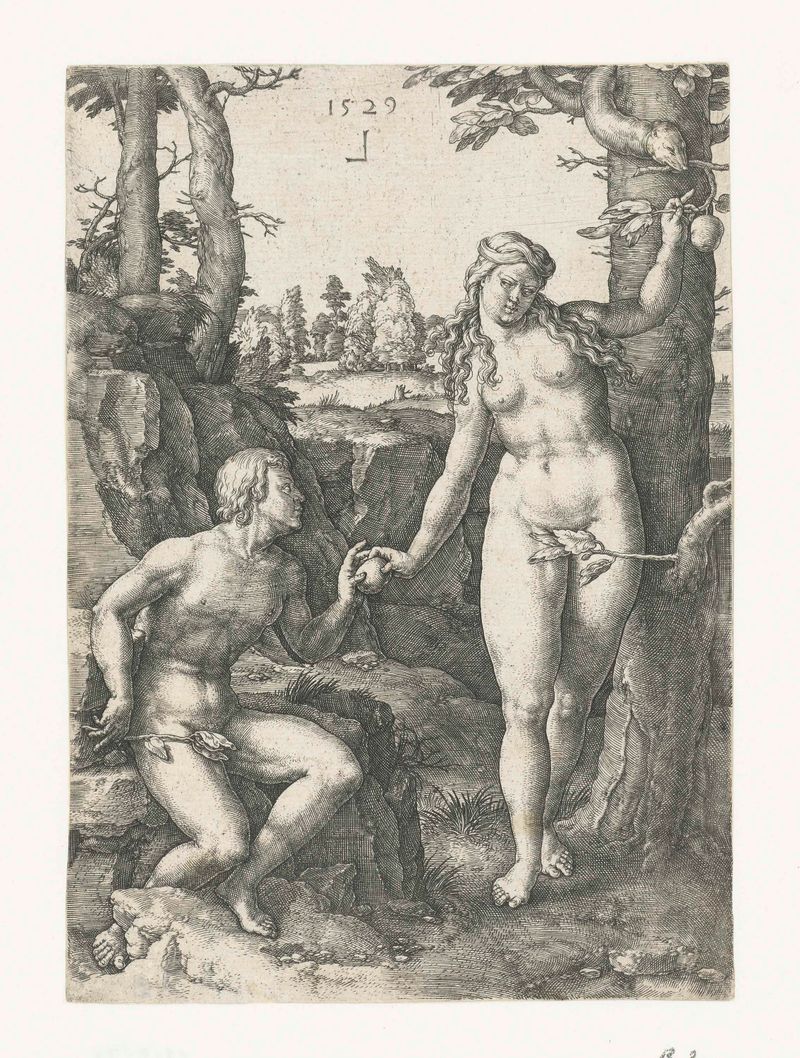
De zondeval
Lucas van Leyden
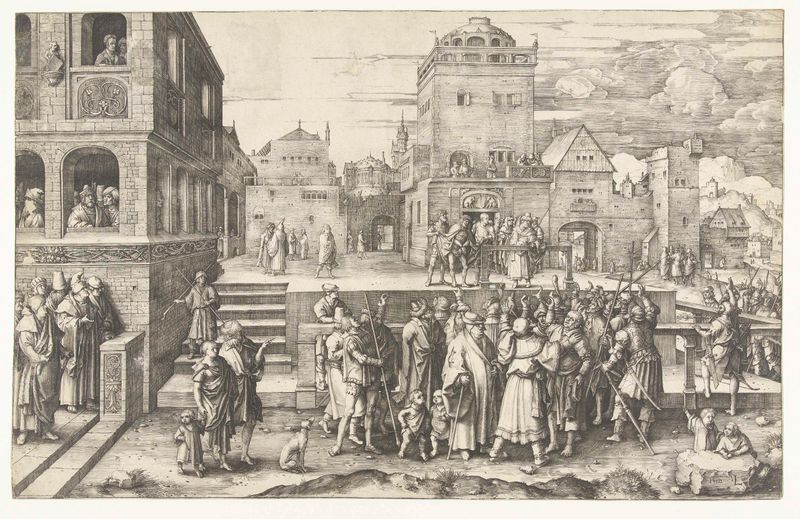
De grote Ecce Homo
Lucas van Leyden
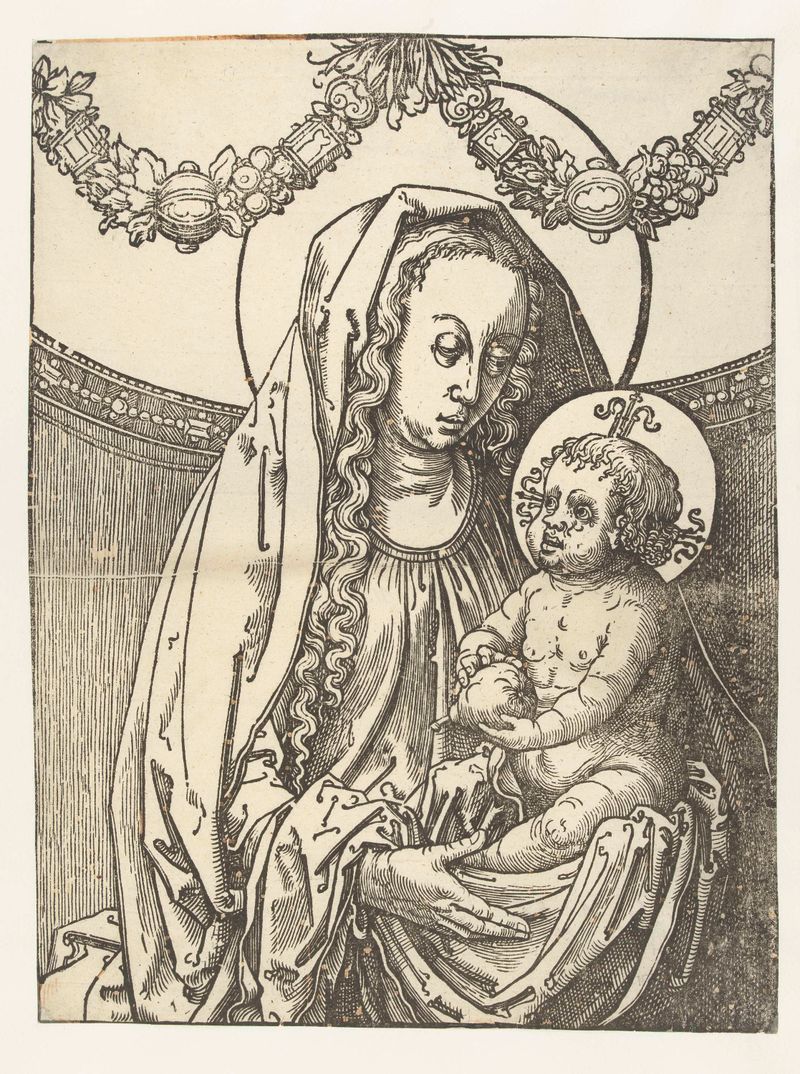
Maria met kind
Lucas van Leyden

Doornenkroning
Lucas van Leyden
More Religious Art
Browse all →
The Return of the Prodigal Son
Rembrandt van Rijn

The Garden of Earthly Delights
El Bosco

Count Orgaz’ funeral
El Greco

The Hundred Guilder Print: the central piece with Christ preaching, the plate arched
Rembrandt van Rijn

The Descent from the Cross
Rogier van der Weyden

The return of the prodigal son
Rembrandt van Rijn