
Discover insights about this artwork
Death and Crystallization — History & Facts
Death and Crystallization features a dramatic scene with a figure that appears to be in a state of transformation. The colors are dark and moody, with deep blues and blacks dominating the canvas. The figure’s face is obscured, adding a sense of mystery and unease.
Surrounding the figure are crystalline shapes that seem to emerge from the background, symbolizing change and decay. If you look closely, you can see the intricate details of the crystals, which contrast sharply with the dark background. The figure’s posture suggests a struggle or a moment of reflection, inviting viewers to ponder the themes of life and death. The use of color creates an emotional atmosphere, evoking feelings of sadness and contemplation.
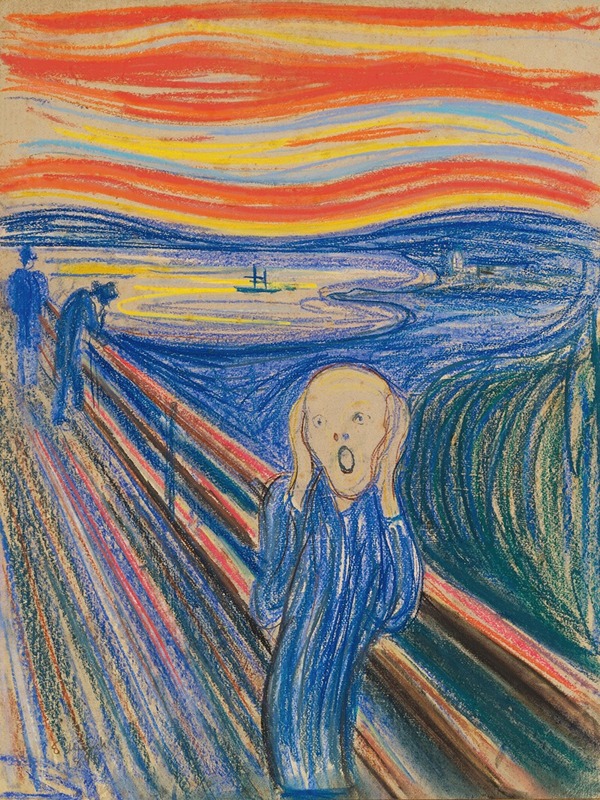
You may also notice how the shapes of the crystals seem to echo the figure's form, creating a sense of unity in the chaos. Edvard Munch created this work during the late 19th century, a time when he was exploring themes of existentialism and human emotion. He is best known for his iconic painting The Scream, which captures profound feelings of anxiety. Munch's work often reflects his own struggles with mental health and his fascination with the human condition.
An interesting fact is that Death and Crystallization is part of a series that delves into the complex relationship between life and death.
More Artworks by Edvard Munch
More Allegory Art
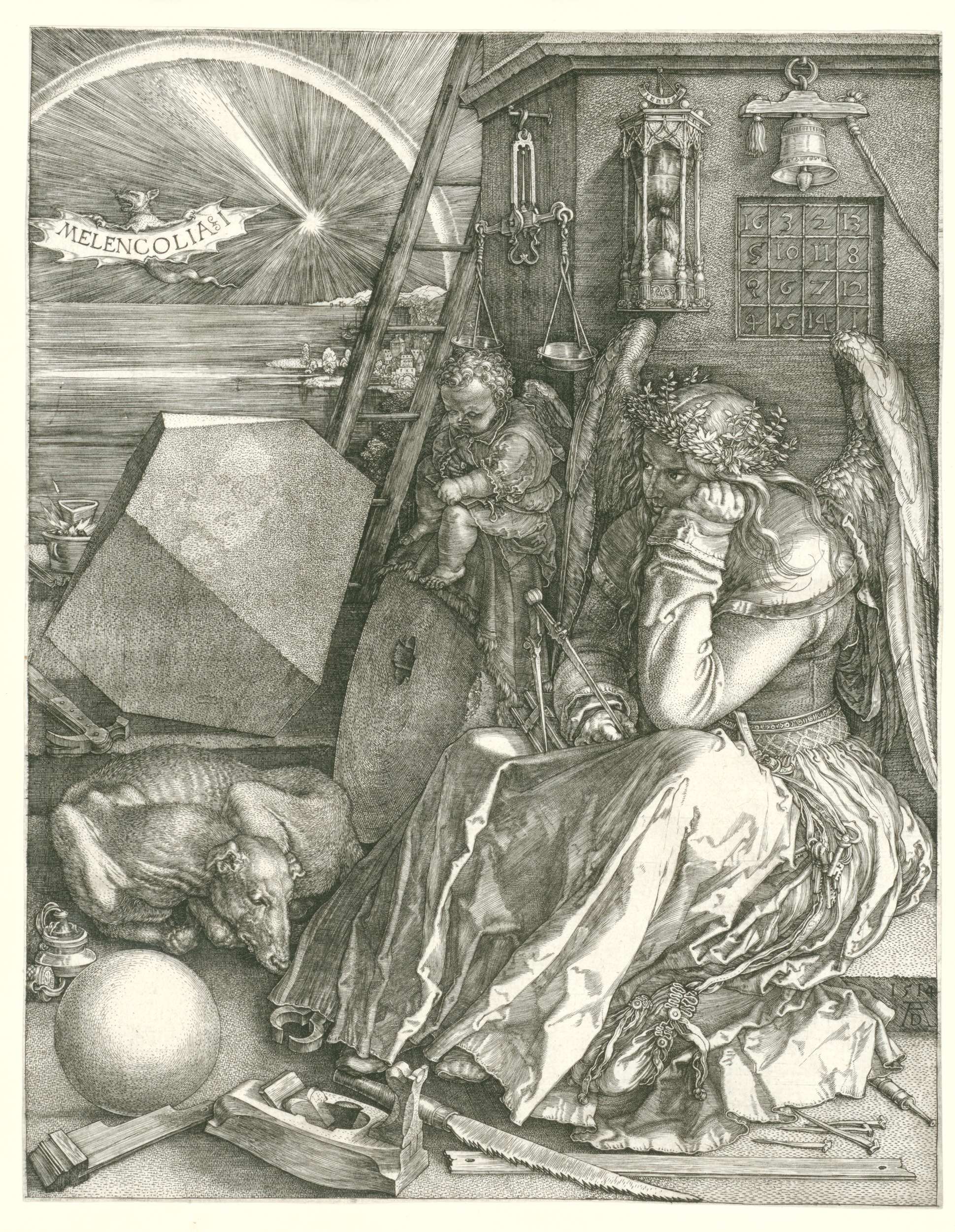
Melancholia
Albrecht Dürer
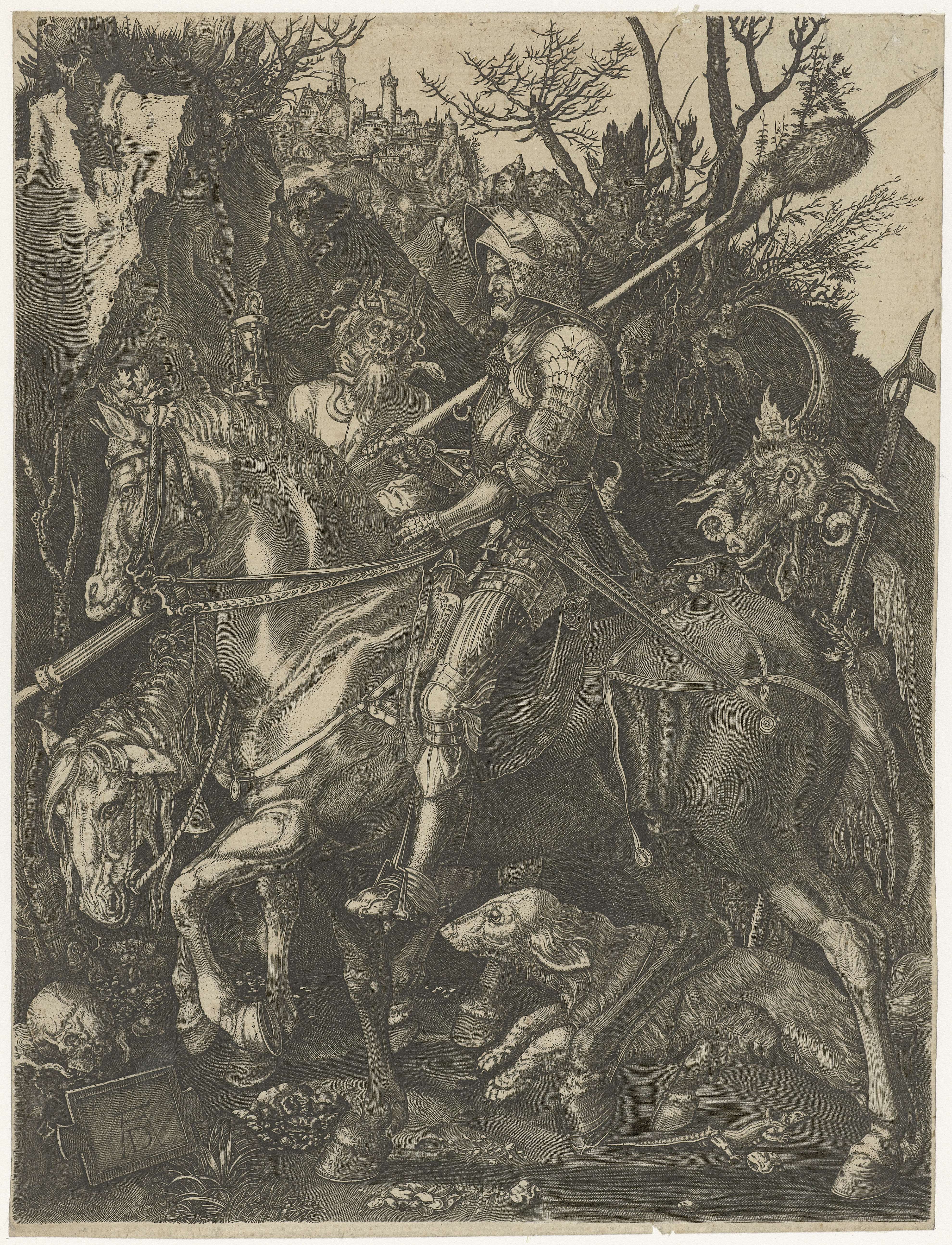
Ridder, Dood en Duivel
Unknown Artist
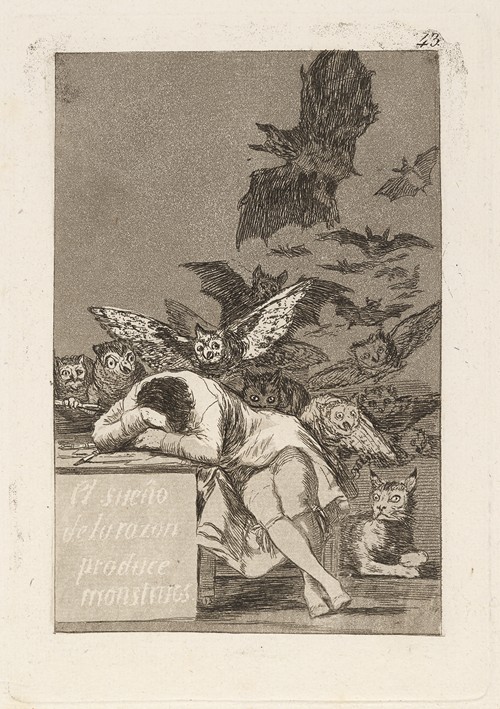
El sueño de la razon produce monstruos. (The sleep of reason produces monsters.)
Francisco de Goya
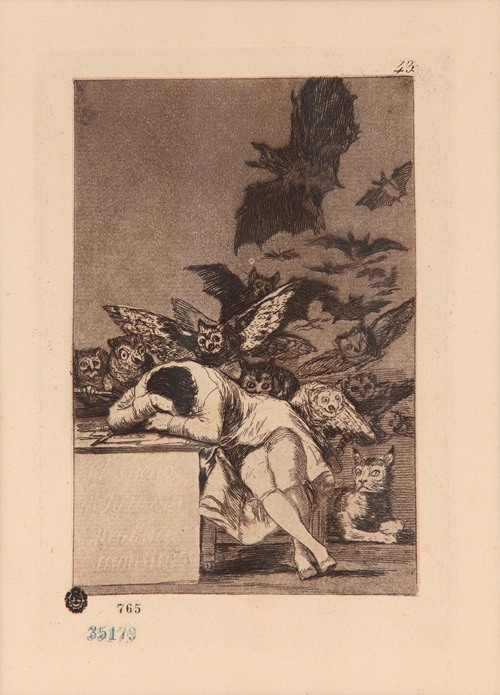
El sueño de la razon produce moustruos (Serie Caprichos)
Francisco de Goya
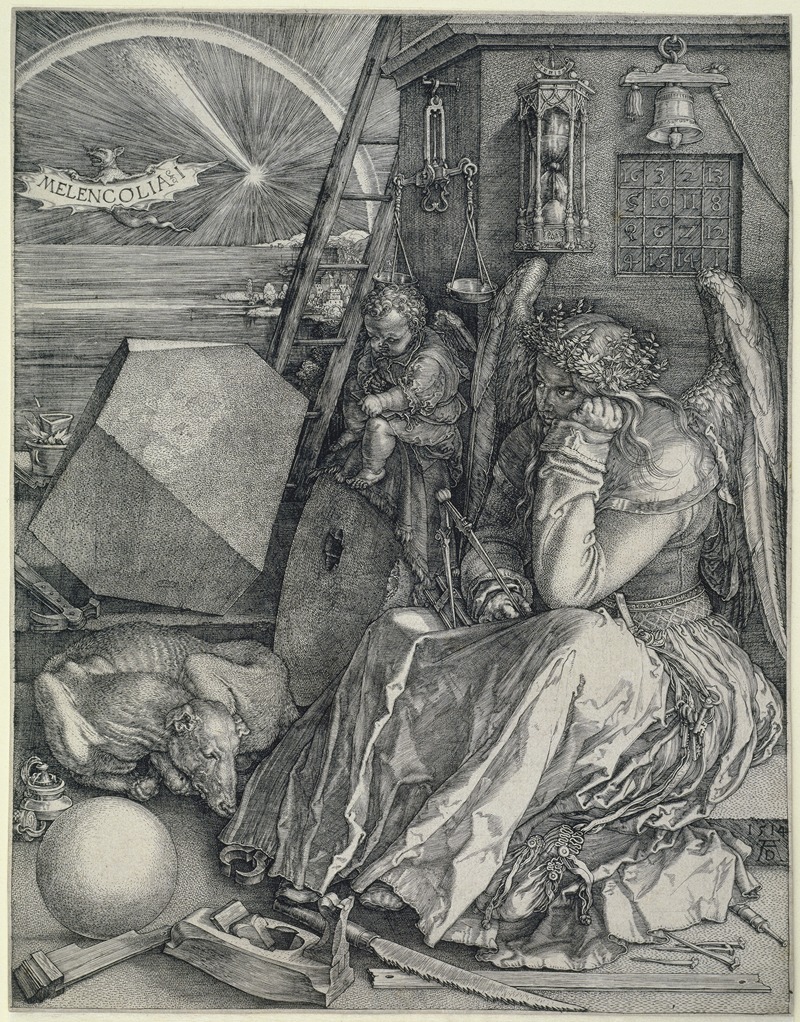
Melencolia I (The Melancholy)
Albrecht Dürer
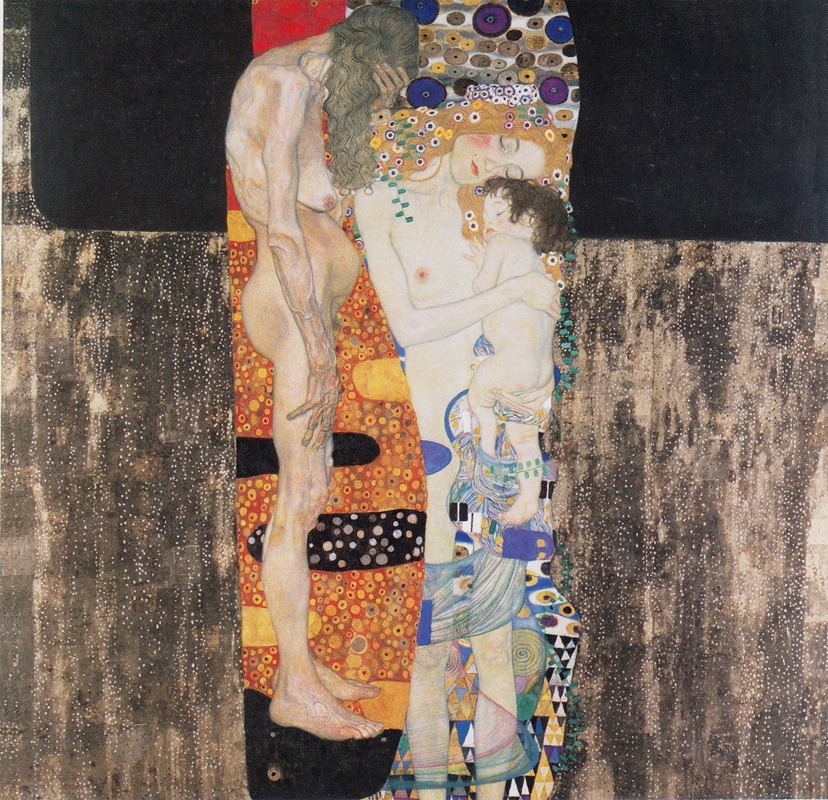
The Three Ages of the Woman
Gustav Klimt