Déclaration — History & Facts
What draws the eye first in Déclaration is the charged space between two figures: a woman, draped in a dress patterned with tiny blossoms, leans forward on a divan as a man in formal attire bends in, intent and conspiratorial. The lamp behind them glows like a stage light, casting the word “Déclaration” above their heads—less a title than a suspended moment, a breath before words are spoken. Steinlen’s line is quick and sure, capturing the woman’s relaxed posture and the man’s eager tilt; her gaze is steady, his almost pleading.
The floral pattern, rendered with a density that pulls the viewer’s attention, sets her apart from the pale background, making her the quiet anchor of this private scene. Created in 1894, this work belongs to the world of fin-de-siècle Paris, when artists like Théophile Alexandre Steinlen chronicled the city’s social rituals and intimate dramas in lithographs and posters. Such images were often commissioned for illustrated journals or publishers, capturing the flair and flirtation of café society, and the subtle negotiations of romance and reputation. This particular piece once belonged to the Musée du Luxembourg, a testament to the era’s embrace of the graphic arts as both popular and collectible.
History has kept few traces of this specific print’s journey, but its wry, immediate charm invites us to imagine the whispered promises and declarations that filled the salons of 1890s Paris—moments as fleeting, and as telling, as the one Steinlen has caught here.
More Artworks by Théophile Alexandre Steinlen

Village et charrette
Théophile Alexandre Steinlen
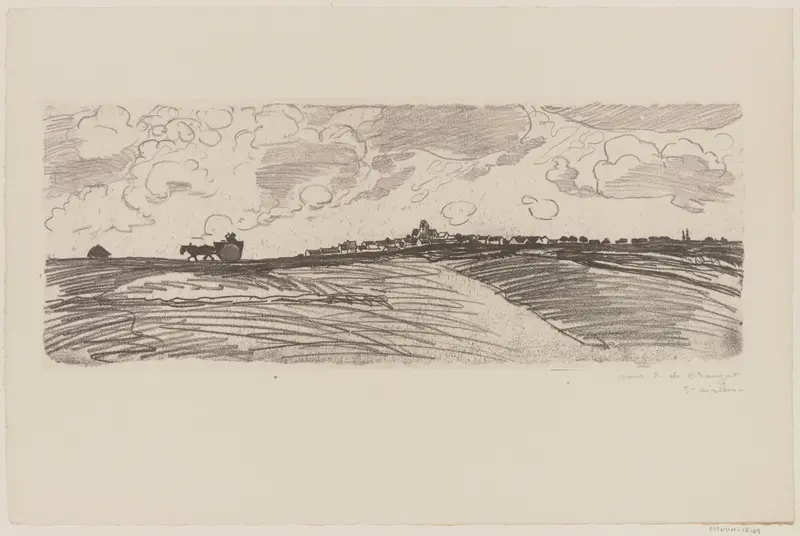
Village et charrette
Théophile Alexandre Steinlen
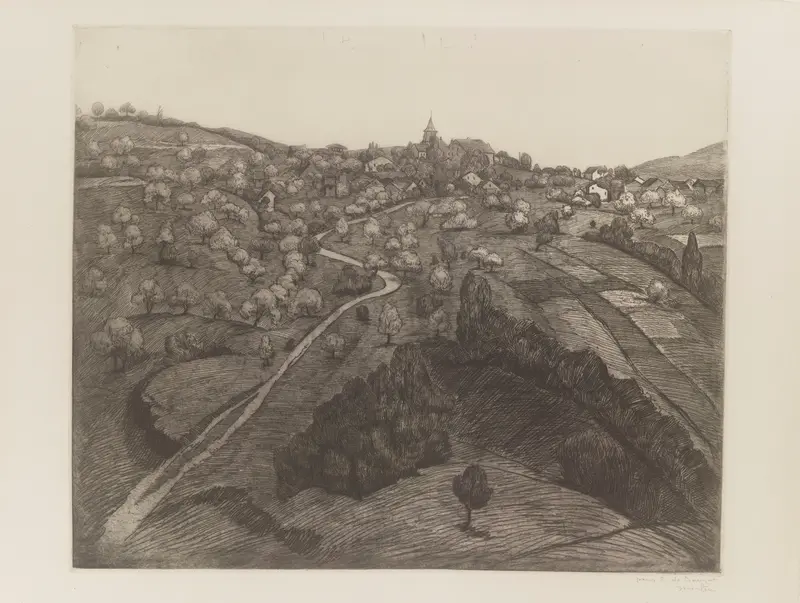
Vue de Belmont, près de Lausanne
Théophile Alexandre Steinlen
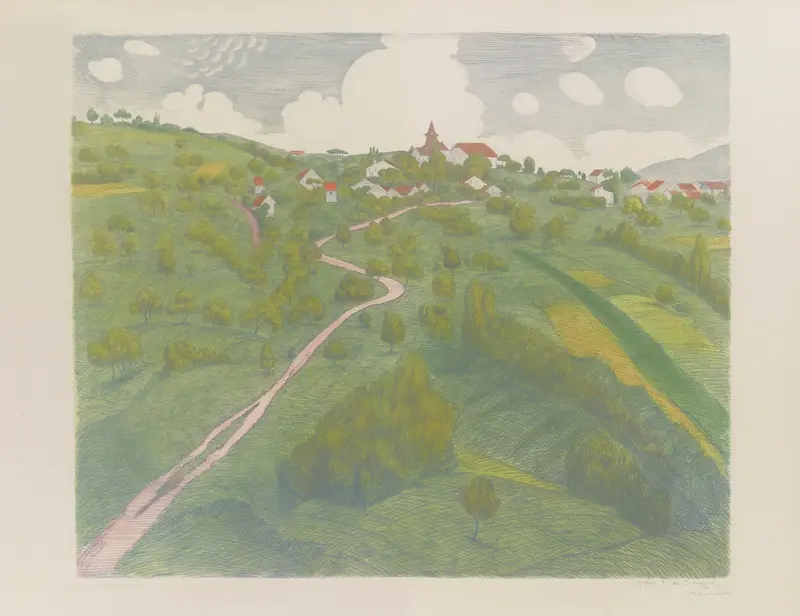
Vue de Belmont, près de Lausanne
Théophile Alexandre Steinlen
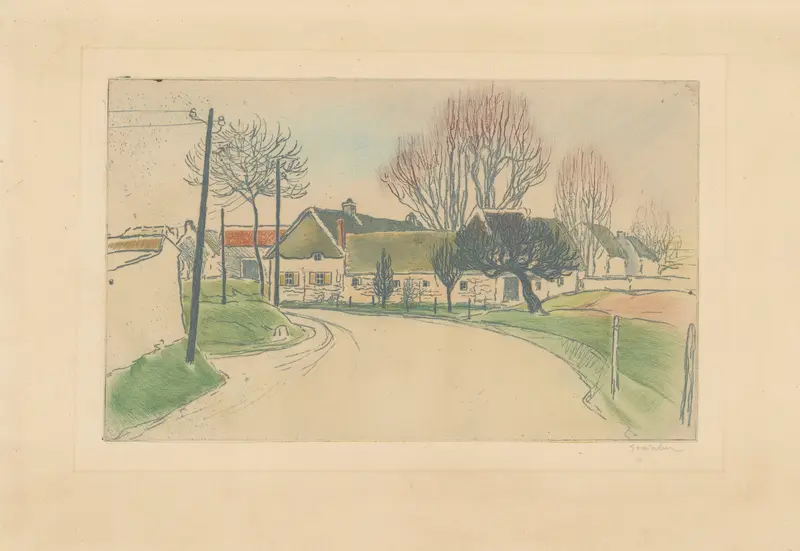
La maison à l’entrée du village
Théophile Alexandre Steinlen
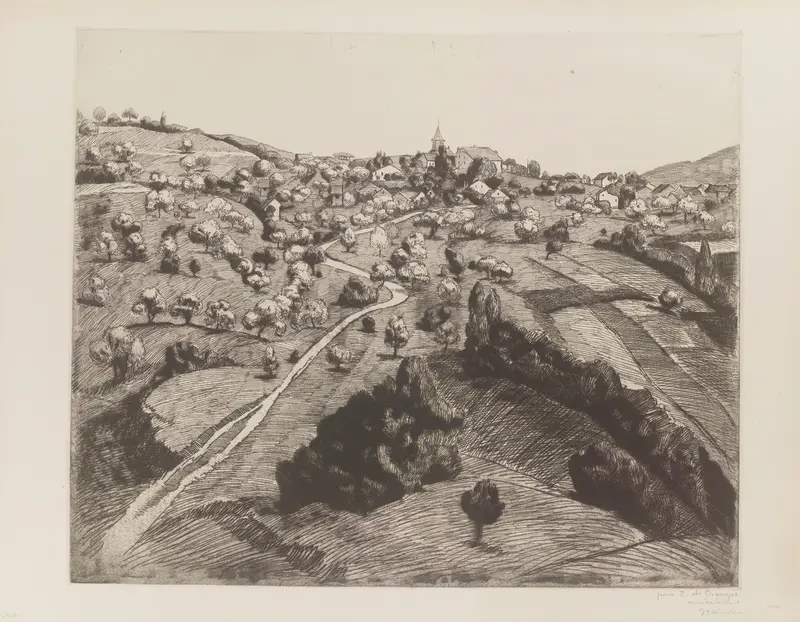
Vue de Belmont, près de Lausanne
Théophile Alexandre Steinlen
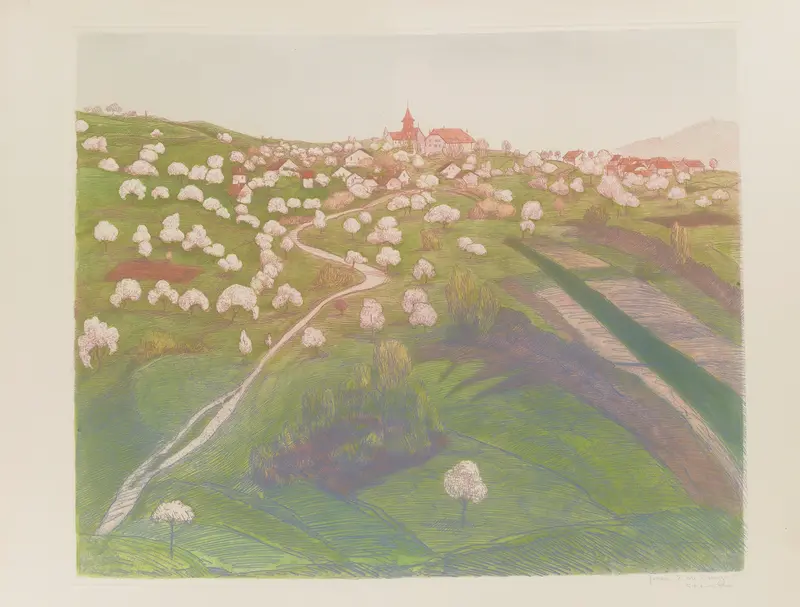
Vue de Belmont, près de Lausanne, n° 2
Théophile Alexandre Steinlen
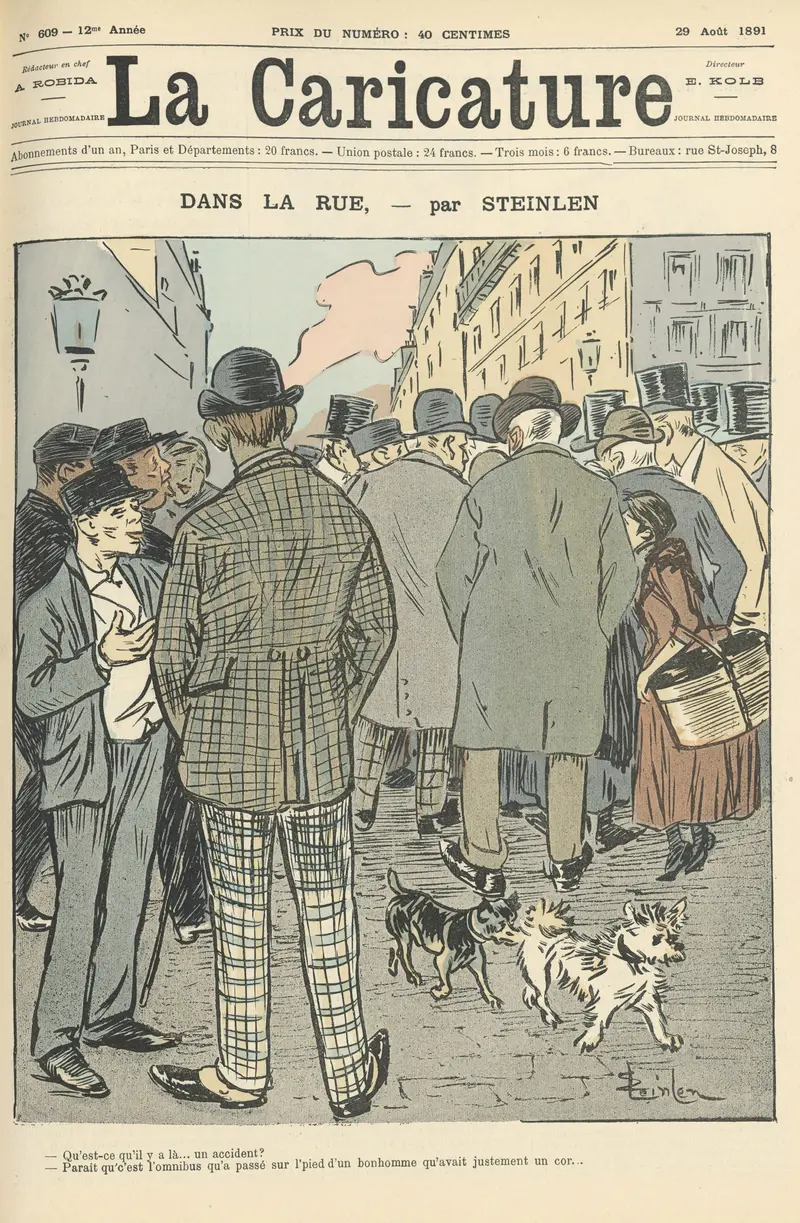
Dans la rue (La Caricature, 29 août 1891)
Théophile Alexandre Steinlen
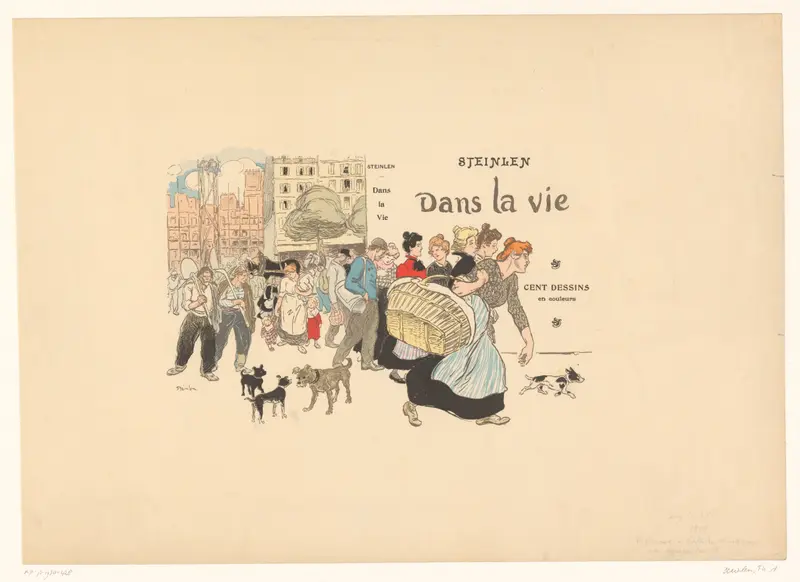
Dans la vie
Théophile Alexandre Steinlen
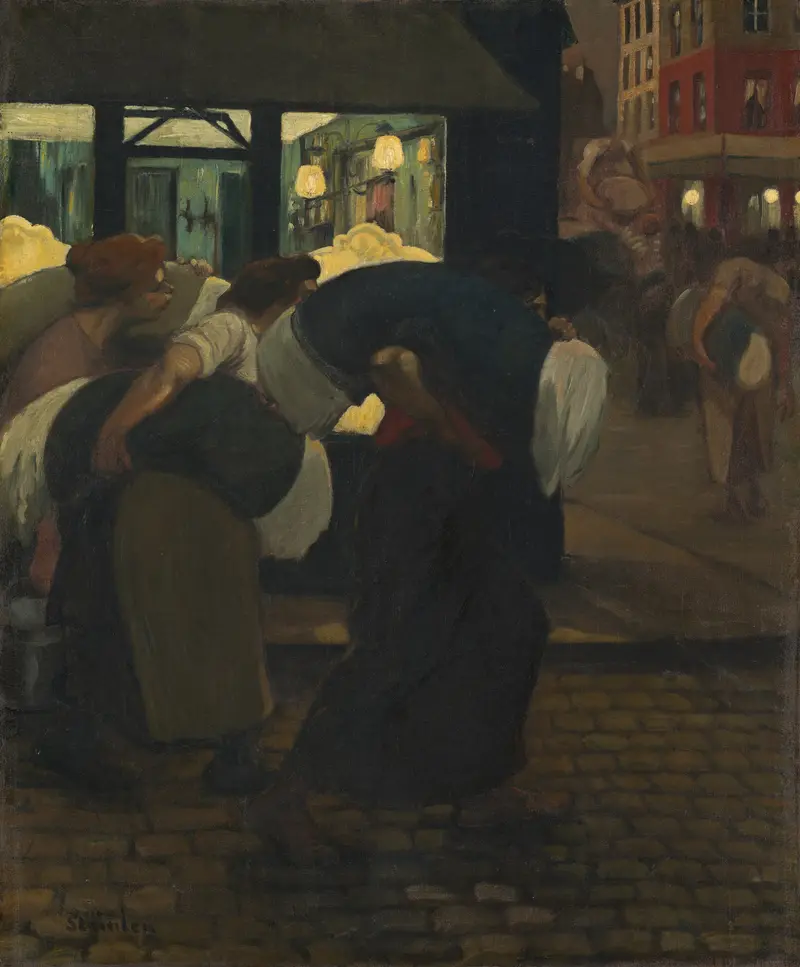
The Laundresses
Théophile Alexandre Steinlen