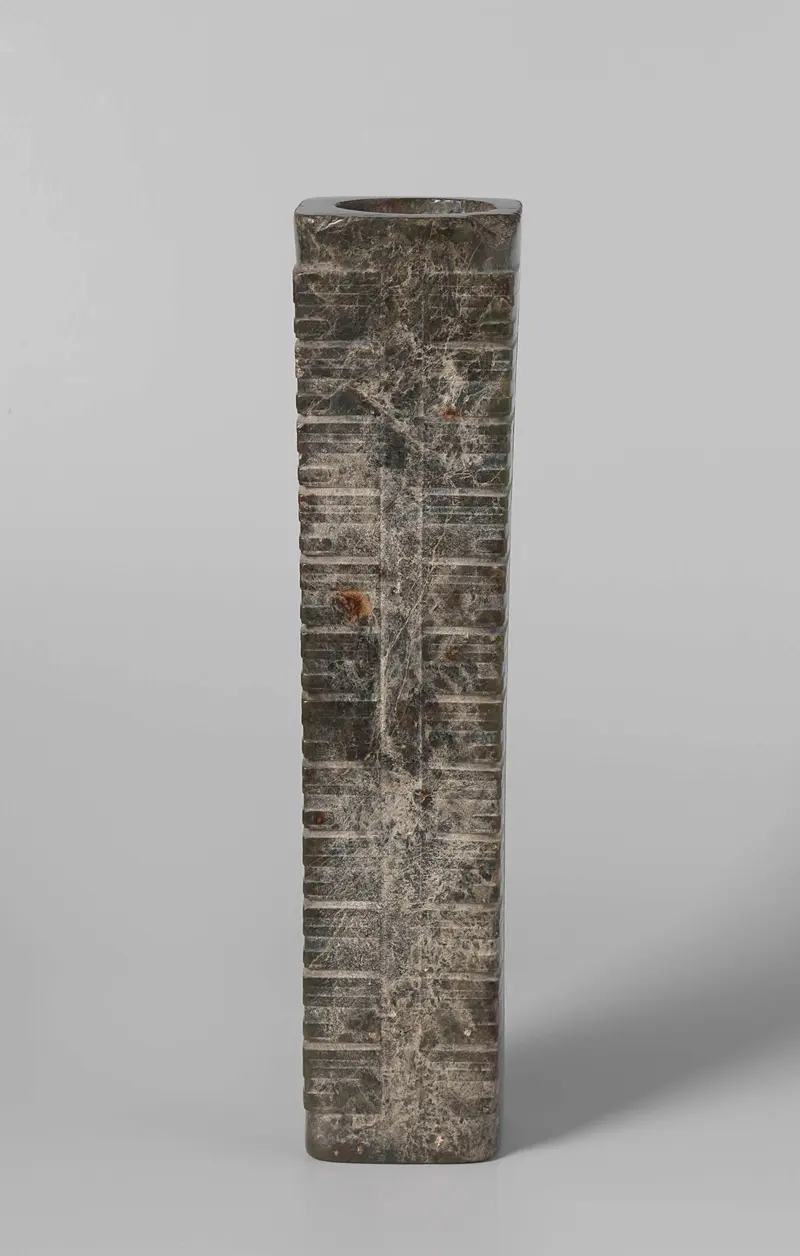
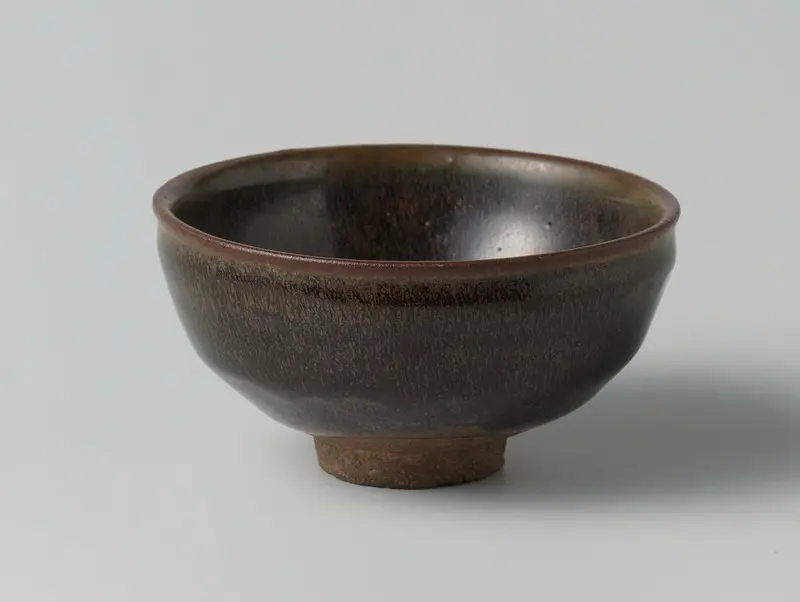
Decoratief object — History & Facts
Look closely at the intricate patterns etched into the surface, the soft earth tones that wrap around the object like a gentle embrace. Notice the delicate interplay of light and shadow, revealing the textured surfaces that hint at the artist’s skilled craftsmanship. Each curve and line invites you to trace the narrative held within, drawing your gaze to the center where simplicity meets complexity, cradling emotions of a bygone era. While the exterior might seem decorative, it conceals layers of meaning beneath its surface.
The faint imperfections speak of humanity, echoing the passage of time and the hands that once cherished it. The muted colors evoke nostalgia, reminding us of transient beauty, while the object’s form hints at ceremonial or functional significance, bridging the gap between utility and artistry. This duality offers a poignant reminder of the ephemeral nature of existence. Created between 500 and 200 BCE, this piece emerges from an era rich with cultural transitions and artistic exploration.
The artist, whose name remains shrouded in anonymity, was a part of a vibrant community where art served both sacred and everyday functions. During this period, societies were beginning to reflect on their identities and histories through objects, laying the groundwork for future artistic movements that would shape humanity's relationship with art for centuries to come.
More Artworks by Unknown Artist

The Tale of Genji Scroll: Yadorigi
Unknown Artist
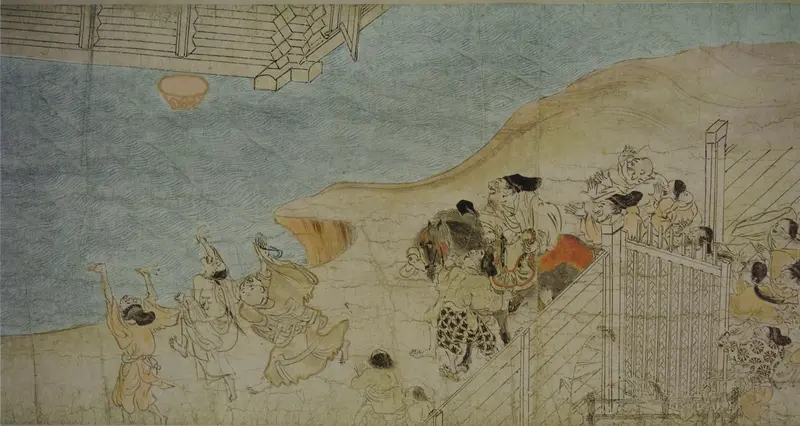
Legends of Mount Shigi: The Flying Granary
Unknown Artist
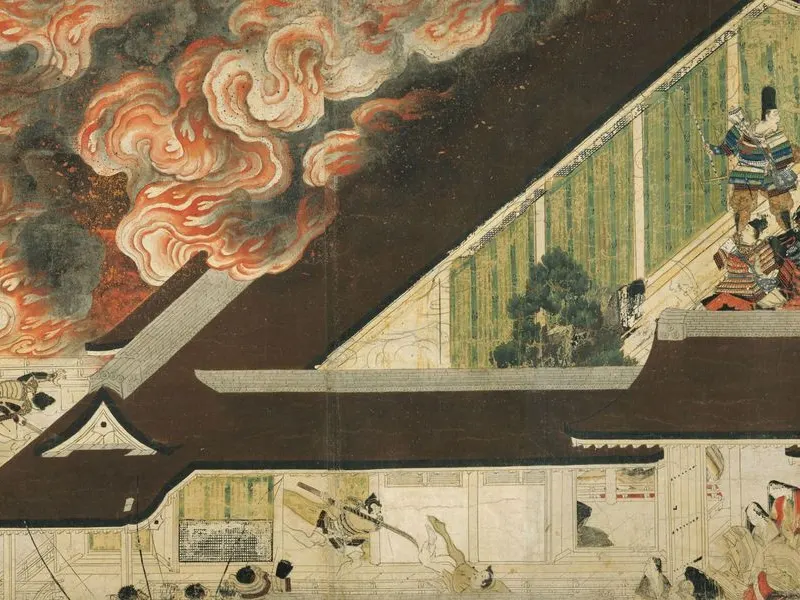
Night Attack on the Sanjō Palace
Unknown Artist
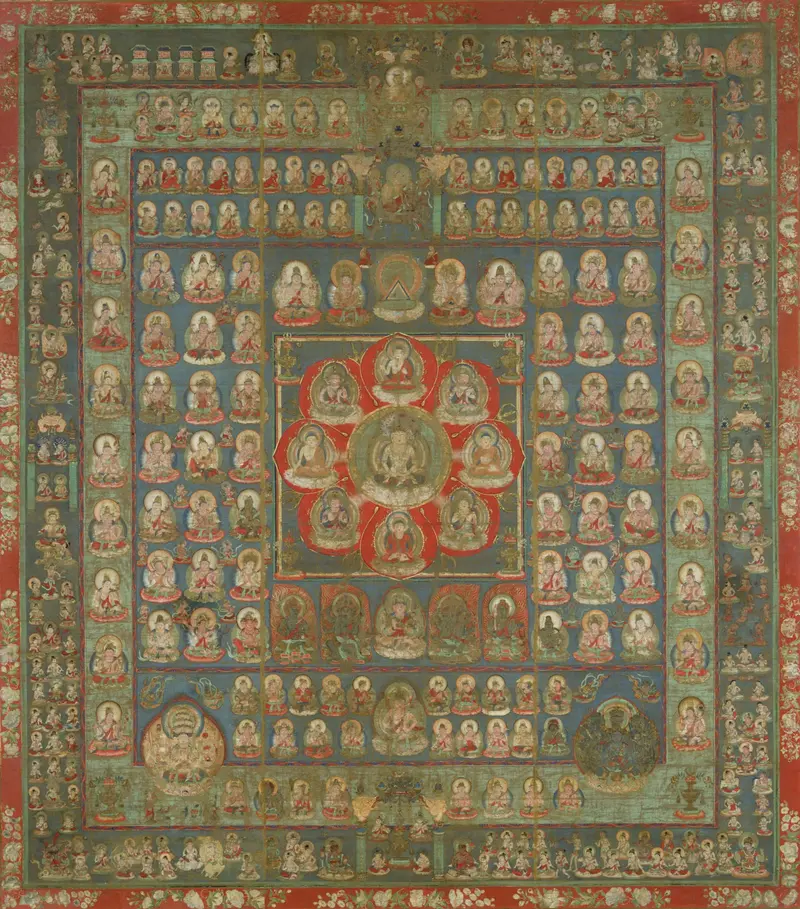
Womb World Mandala (Mandala of the Two Realms)
Unknown Artist
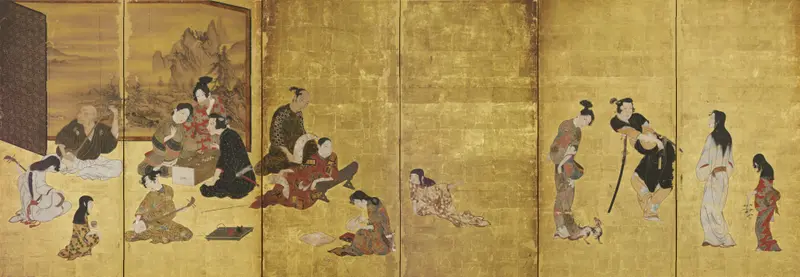
Hikone Screen
Unknown Artist
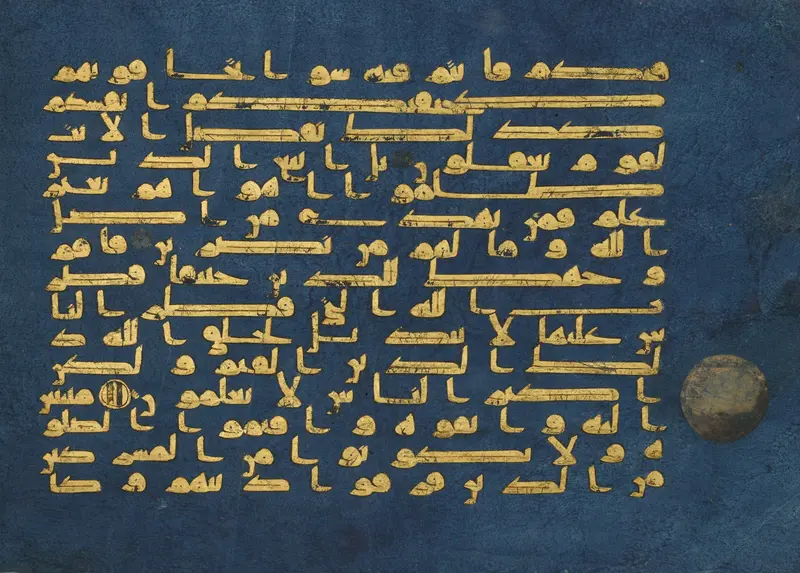
Folio from the Blue Qur'an
Unknown Artist
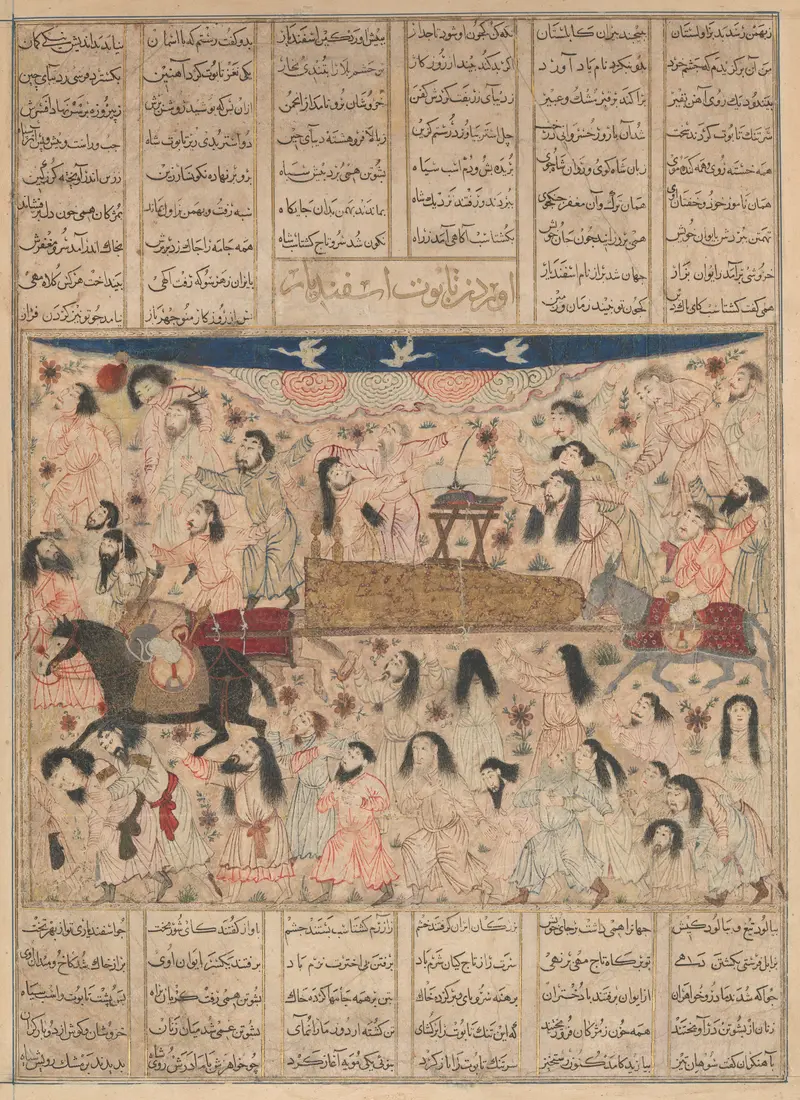
The Funeral of Isfandiyar (Great Mongol Shahnama)
Unknown Artist

The Ideal City
Unknown Artist
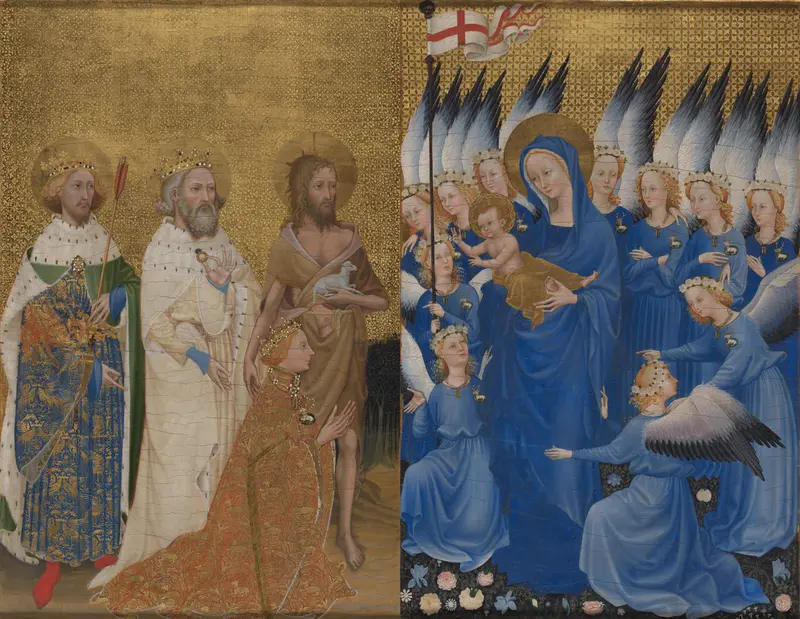
The Wilton Diptych
Unknown Artist

Ridder, Dood en Duivel
Unknown Artist