
Folio from the Blue Qur'an — History & Facts
This folio from the Blue Qur'an was created by an unknown artist in the second half of the 9th to the mid-10th century. The page is executed in gold and silver ink on indigo-dyed parchment, a technique that marks it as a luxury manuscript. The work is a non-illustrated codex, part of a Qur'anic manuscript, and is notable for its lavish materials and distinctive palette. The folio displays lines of Kufic script written in gold, set against a deep blue background.
The text is arranged in horizontal bands with wide spacing between the lines, and the script is angular and monumental, characteristic of early Qur'anic calligraphy. A circular medallion, likely serving as a verse marker, appears in the margin, executed in gold. The contrast between the luminous gold letters and the rich indigo parchment creates a striking visual effect, emphasizing the sacred nature of the text. The Blue Qur'an is recognized as one of the most celebrated Qur'anic manuscripts from the medieval Islamic world.
While the exact patron is not documented, such manuscripts were typically commissioned by high-ranking members of court or royalty. The manuscript has been widely exhibited and is held in several collections, with this particular folio donated to Wikimedia Commons as part of a project by the Metropolitan Museum of Art. Its use of costly materials and refined calligraphy reflects the importance of the Qur'an and the resources devoted to its production in this period.
More Artworks by Unknown Artist

The Tale of Genji Scroll: Yadorigi
Unknown Artist

The Ideal City
Unknown Artist
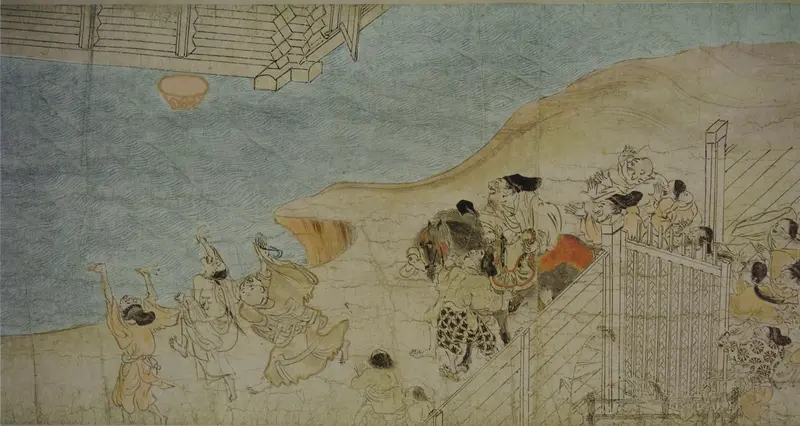
Legends of Mount Shigi: The Flying Granary
Unknown Artist
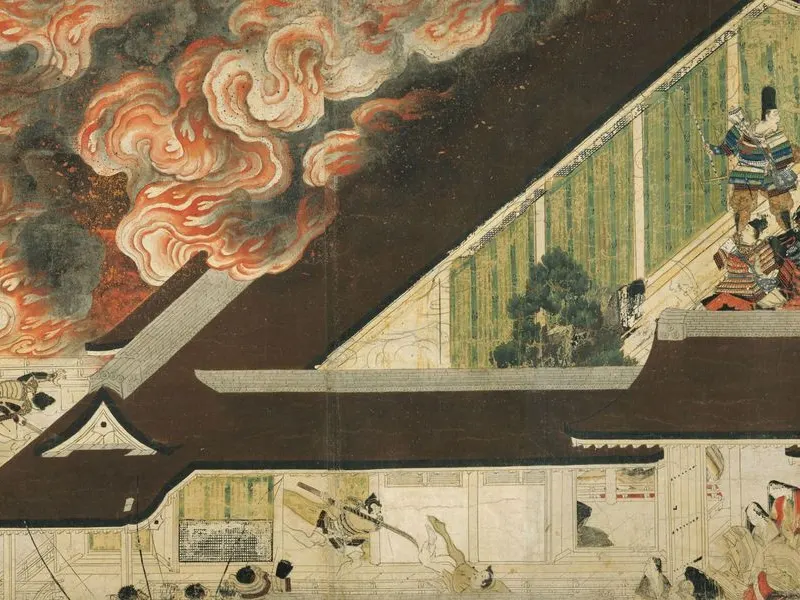
Night Attack on the Sanjō Palace
Unknown Artist
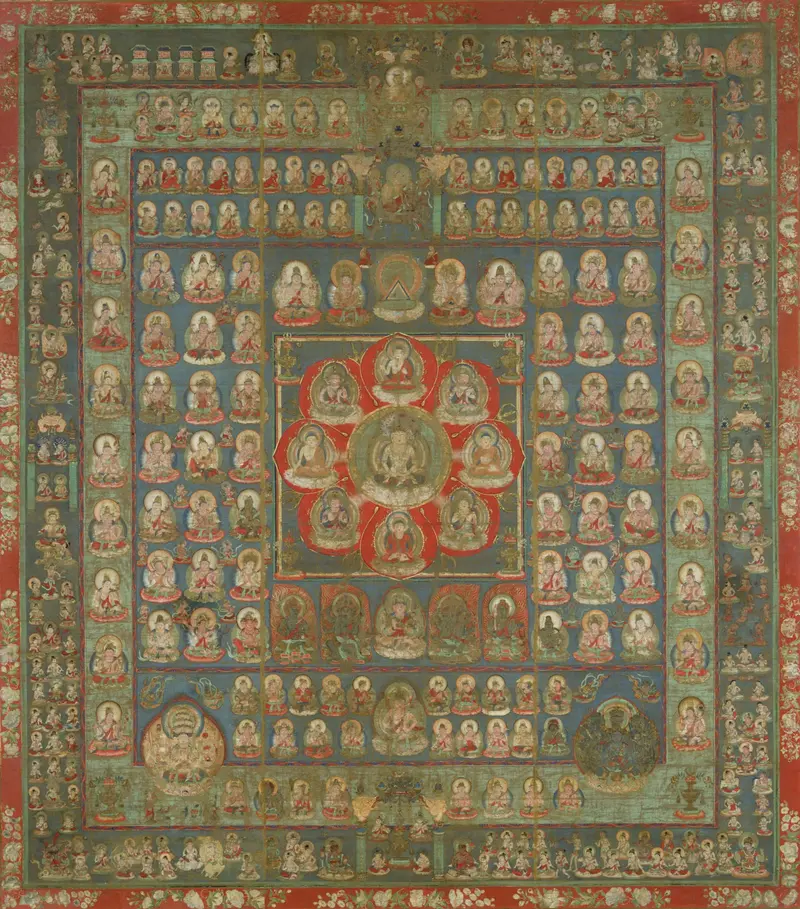
Womb World Mandala (Mandala of the Two Realms)
Unknown Artist
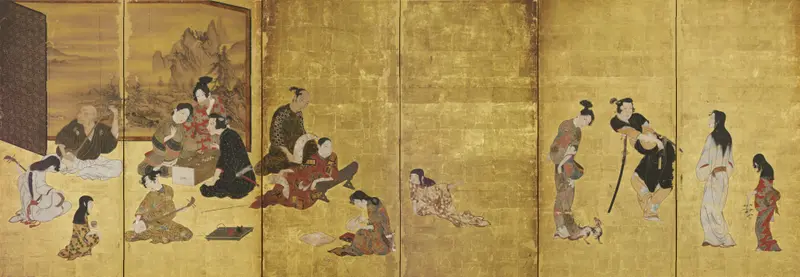
Hikone Screen
Unknown Artist
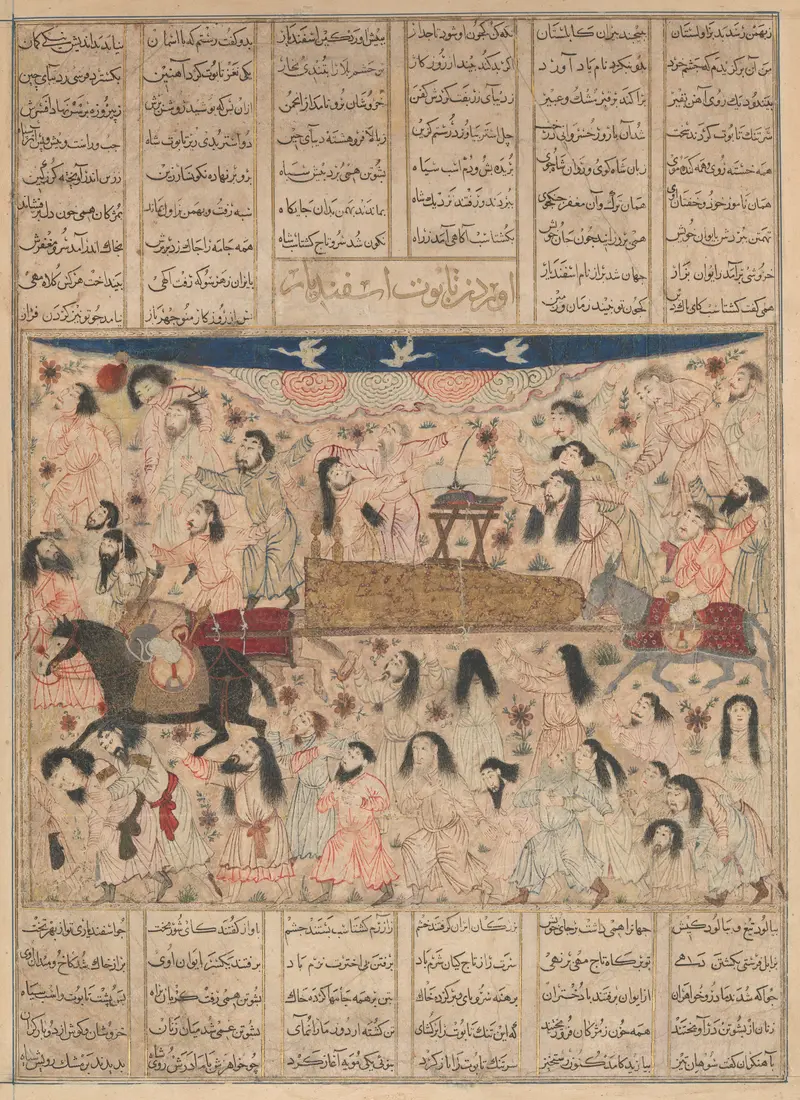
The Funeral of Isfandiyar (Great Mongol Shahnama)
Unknown Artist
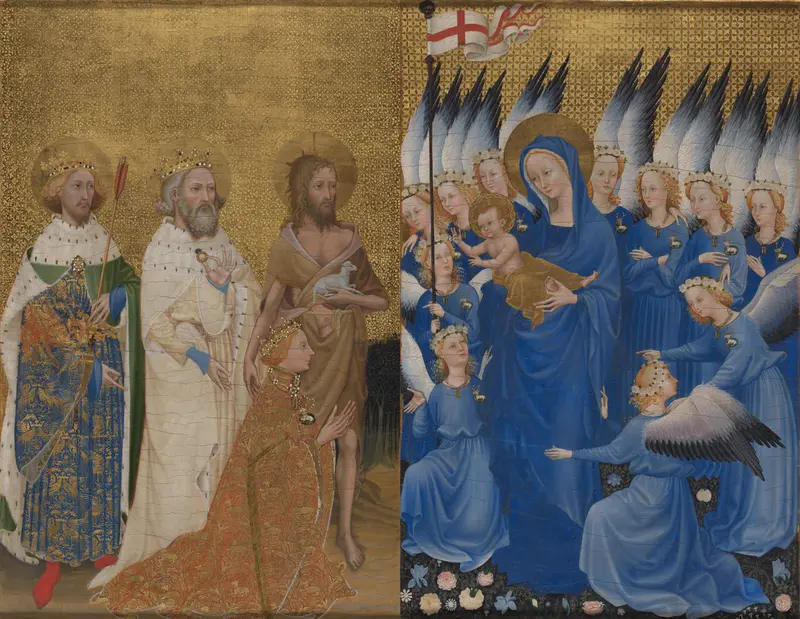
The Wilton Diptych
Unknown Artist

Ridder, Dood en Duivel
Unknown Artist
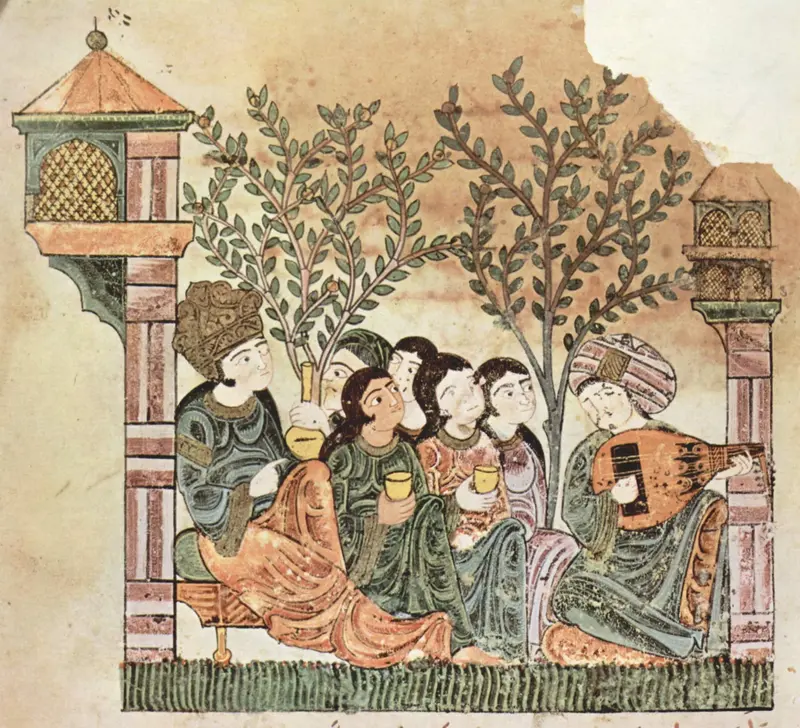
Bayad Playing the Oud before the Lady (Hadith Bayad wa Riyad)
Unknown Artist





