
Deeske — History & Facts
No one knows who Deeske was, but her name, immortalized in the title of Deeske, has puzzled viewers and scholars since the work first appeared in exhibitions of Gustave Van de Woestijne. The painting’s date and medium remain uncertain, fueling speculation about its place in the artist’s career and the identity of its enigmatic subject. The lack of documentation has only heightened its allure—unlike many of Van de Woestijne’s works, which are rooted in rural Flanders and family life, Deeske stands alone, a solitary portrait with no clear context.
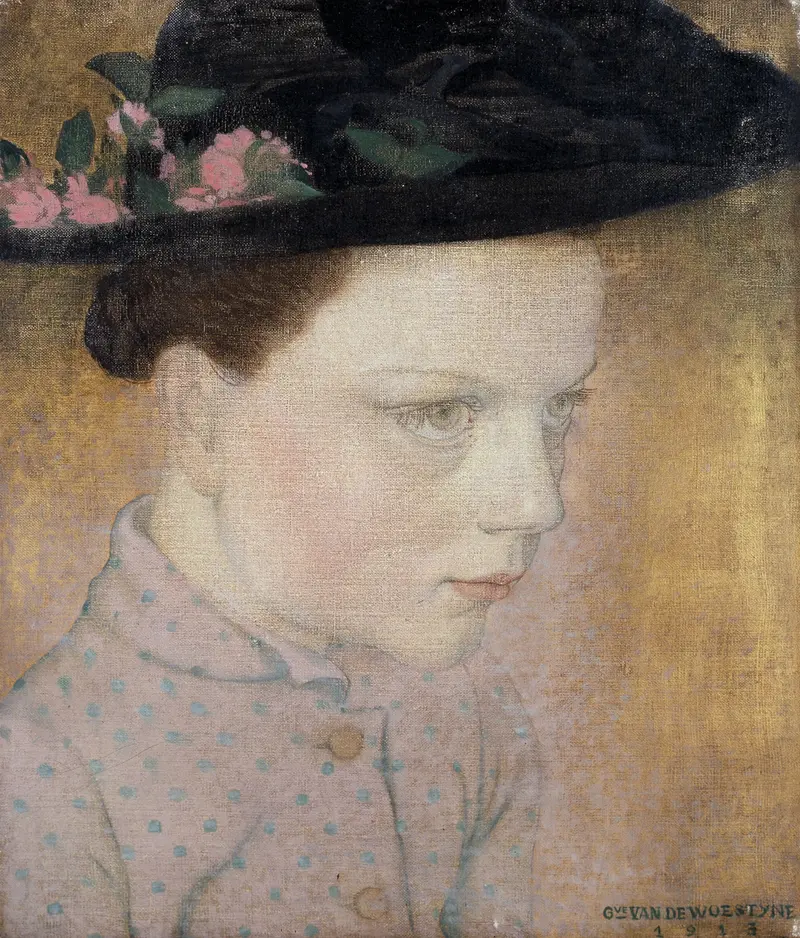
Some have wondered if Deeske was a model, a muse, or a figure from the artist’s imagination. The painting captures Deeske at a moment of introspection, her gaze lowered, hands quietly folded in her lap. Van de Woestijne’s attention to the play of light across her face and the somber palette recalls the psychological intensity of Symbolism, a movement with which he is often associated. The background is bare, directing all focus to Deeske’s expression—a mix of melancholy and composure.
The simplicity of her dress and the absence of narrative props distinguish this portrait from, for example, the more ornate and allegorical works of Fernand Khnopff, another Belgian Symbolist. Here, meaning is conveyed not through overt symbolism but through mood and presence. The physical history of Deeske is as elusive as its subject. Without a clear record of commission or early provenance, the painting’s journey through private hands and exhibitions is difficult to trace.
It has, however, become a touchstone for those interested in the quieter, more contemplative side of Gustave Van de Woestijne’s output. Today, Deeske is recognized as a key example of his ability to imbue ordinary figures with a sense of inner life, standing apart from his more narrative-driven rural scenes. Its current location remains uncertain, adding another layer to the mystery that surrounds both sitter and artist.
More Artworks by Gustave Van de Woestijne
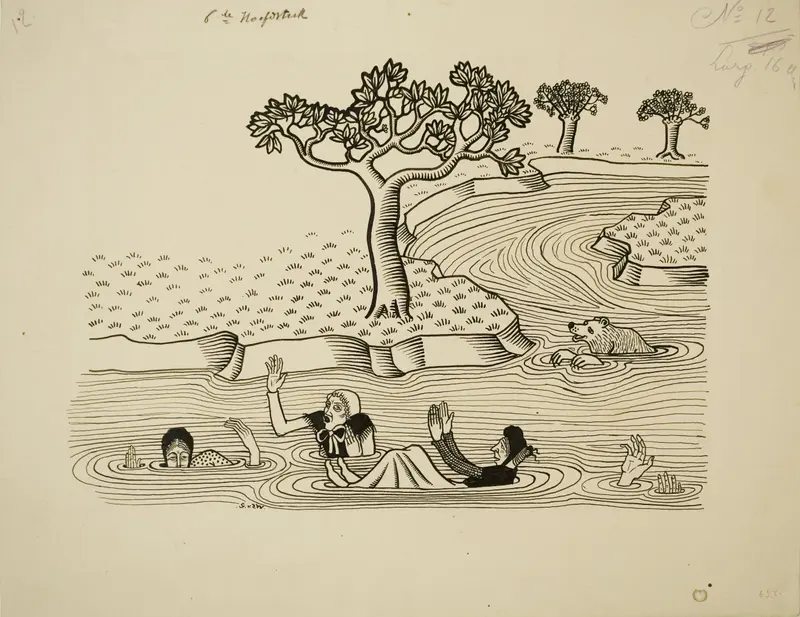
How Brown went out with Reynard where he thought he was eating honey and how he was caught by head and feet and suffered further misfortune
Gustave Van de Woestijne
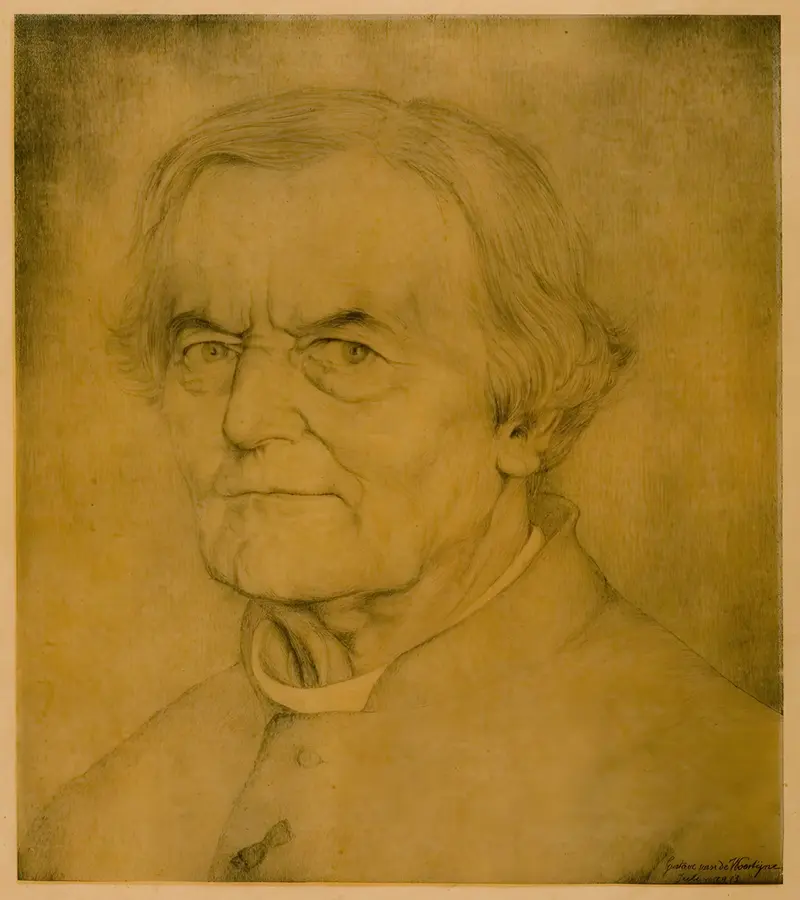
Portrait of Hugo Verriest
Gustave Van de Woestijne
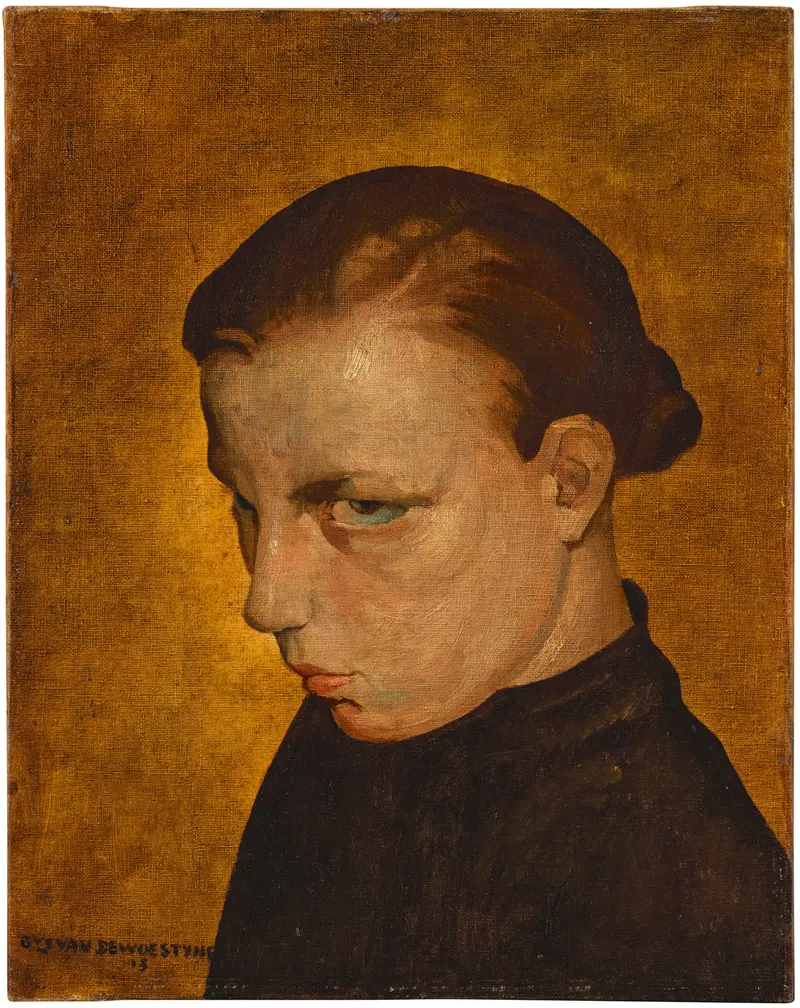
Angèle
Gustave Van de Woestijne
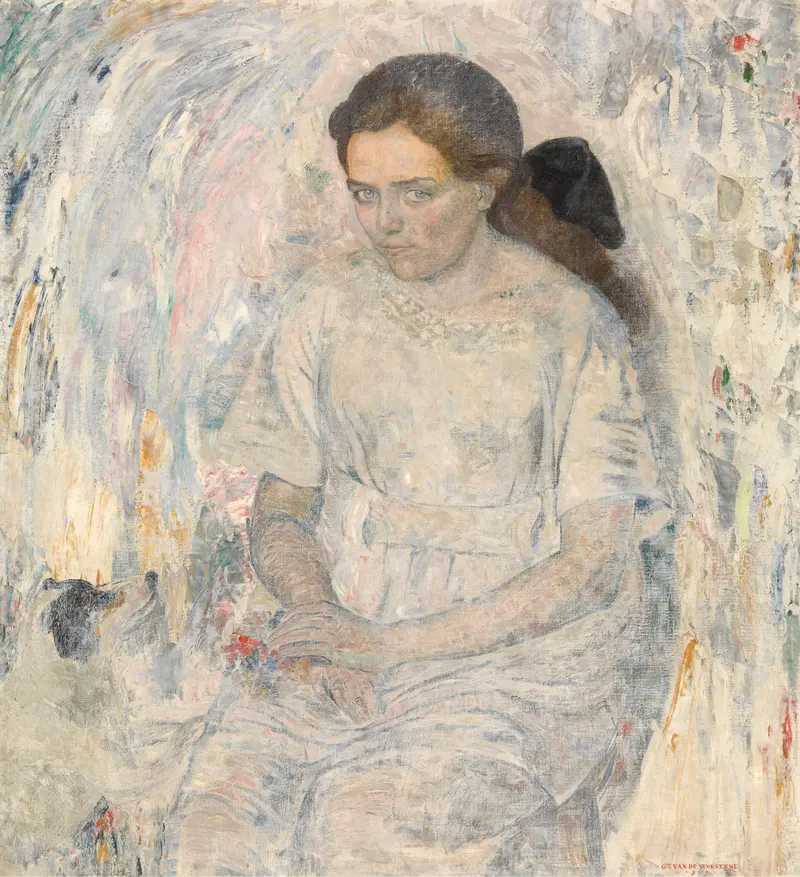
Adrienne
Gustave Van de Woestijne
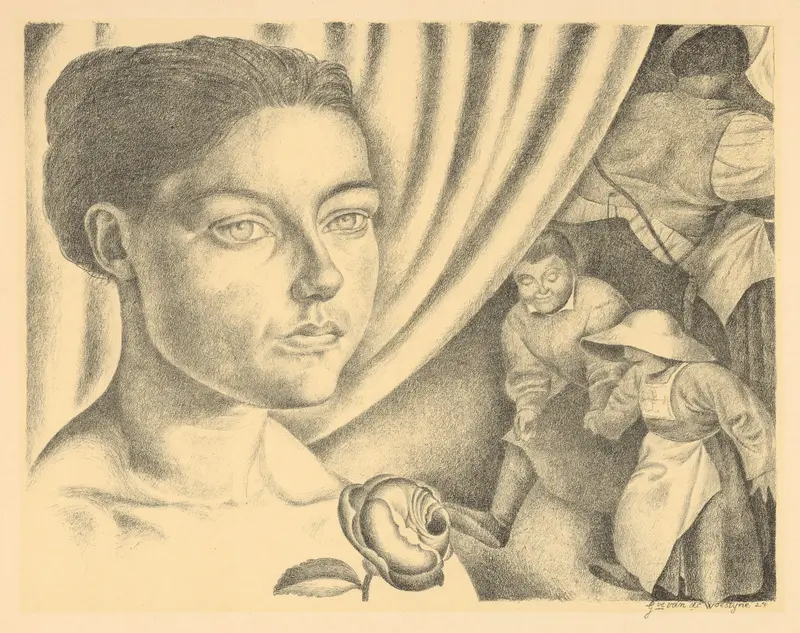
Jeune Femme
Gustave Van de Woestijne
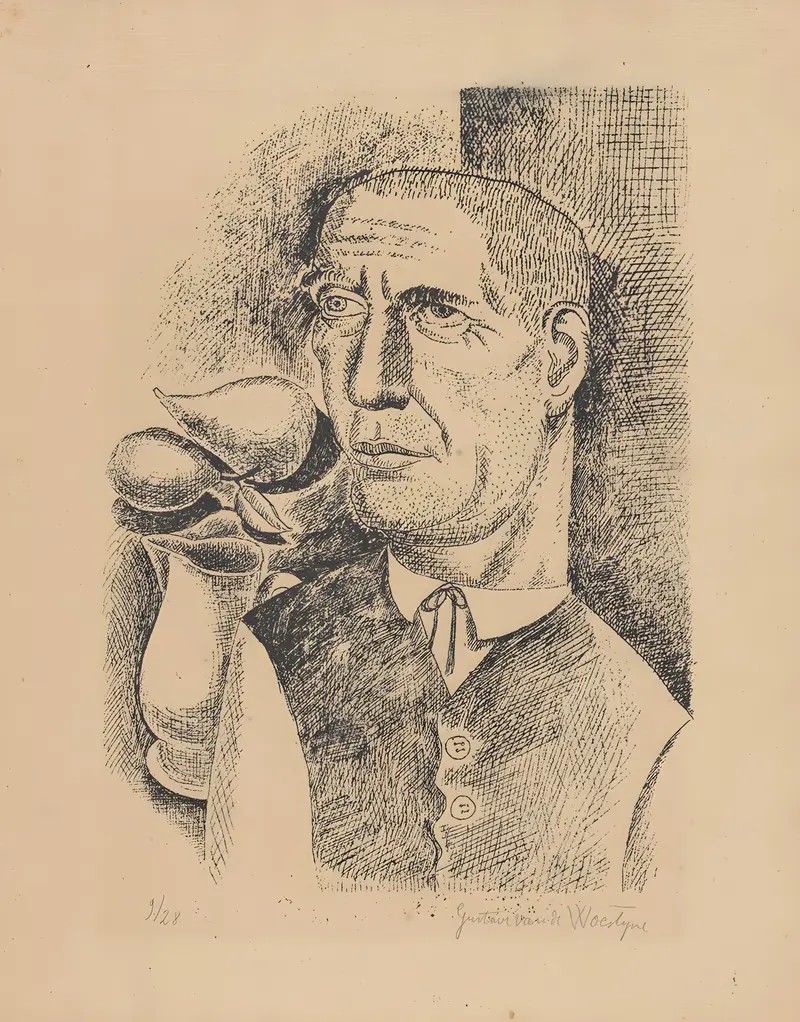
Boer op zijn zondags (Paysan endimanché)
Gustave Van de Woestijne
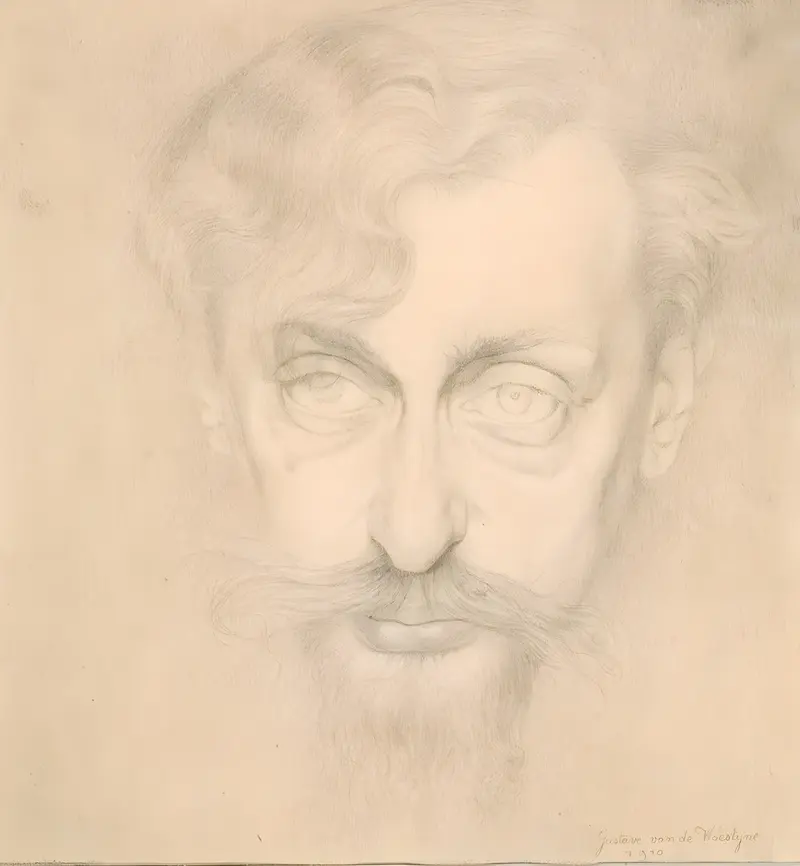
Portrait of the Writer Karel van de Woestijne
Gustave Van de Woestijne
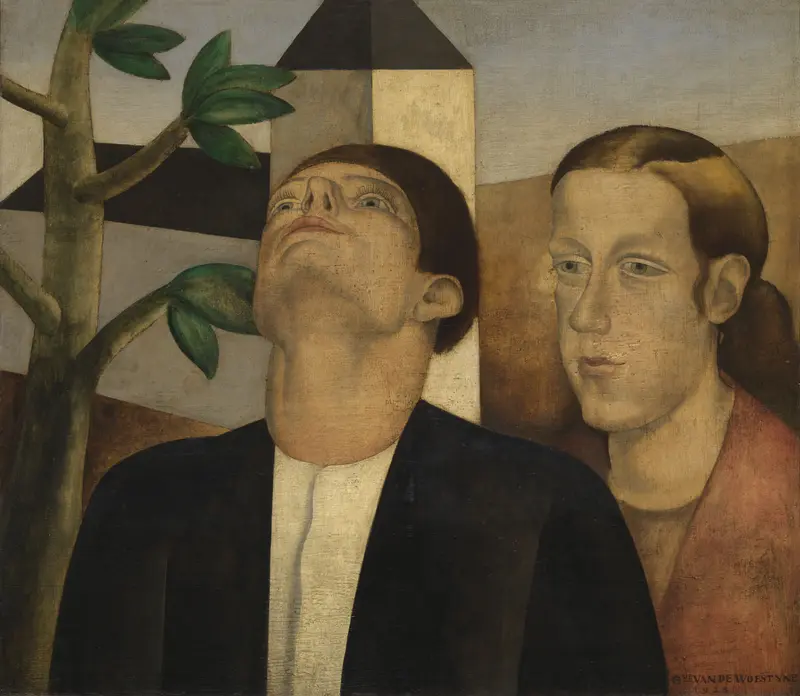
Azure
Gustave Van de Woestijne
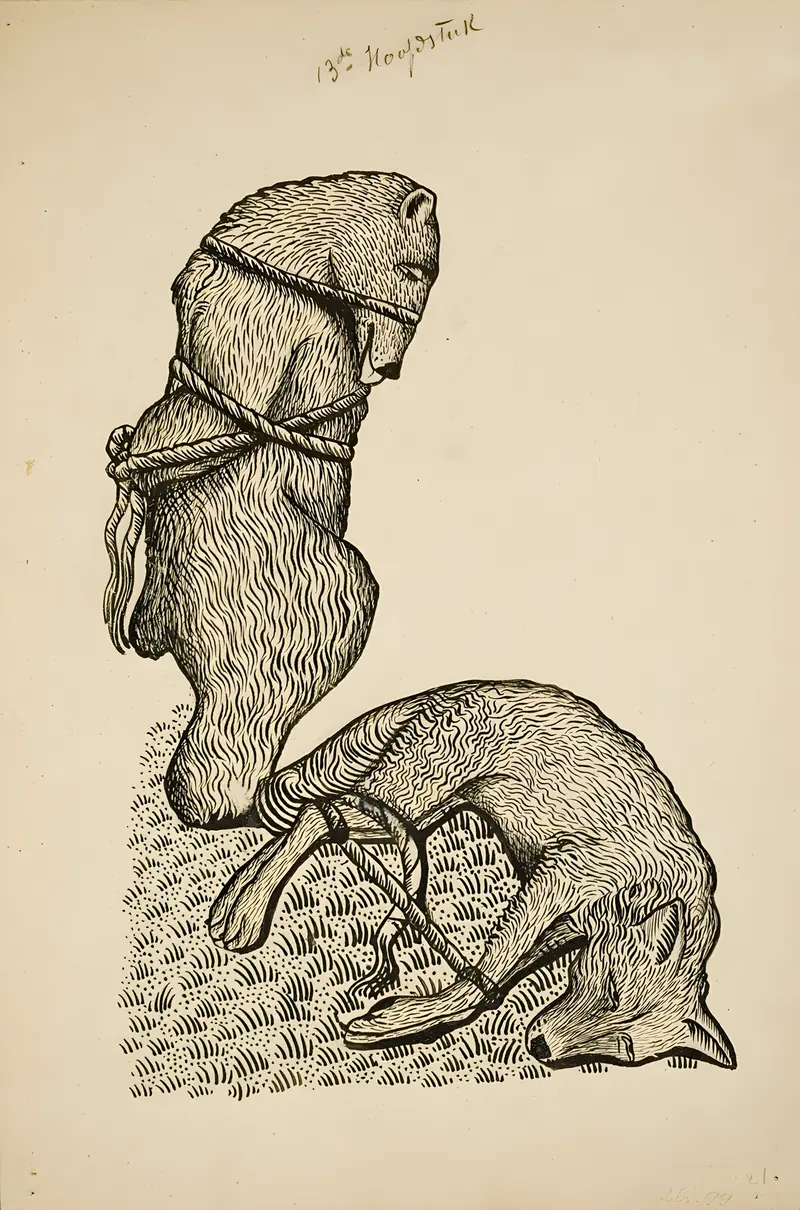
How Reinaert devises a new trick to get free and exterminate his enemies
Gustave Van de Woestijne
Country Girl
Gustave Van de Woestijne





