
Denbigh Castle — History & Facts
Could beauty survive in a century of chaos? Girtin's Denbigh Castle captures a fleeting moment of serenity amidst an enduring landscape, as if whispering the fragility of existence itself. Look to the left at the imposing silhouette of the castle, its crumbling walls bathed in the soft glow of a muted sunset. The delicate brushwork reveals layers of texture, creating a sense of history entwined with the land. Subtle hues of blue and gray intertwine with ochre, evoking the melancholic beauty of decay, while the wispy clouds above suggest an impending change, a reminder of nature’s relentless passage of time. The castle stands as a metaphor for resilience and transience.
Note the verdant greenery encroaching upon the stone edifice, symbolizing nature's quiet reclaiming. The distant hills, painted with an ethereal light, evoke both hope and despair, as they mirror the duality of human endeavors. Each stroke reflects a moment trapped between the grandeur of the past and the inevitable erosion brought by nature and time. In 1793, as Girtin painted this piece, he was navigating the tumultuous landscape of British art, transitioning from the grandeur of neoclassicism towards the emotional depth of Romanticism.
The world was rife with political upheaval, yet artists were beginning to explore nature and its interplay with human emotion. This period marked a critical moment for Girtin, as he sought to redefine landscape painting, making it not just a depiction of nature, but a canvas for deeper reflection on vulnerability and permanence.
More Artworks by Thomas Girtin
Browse all →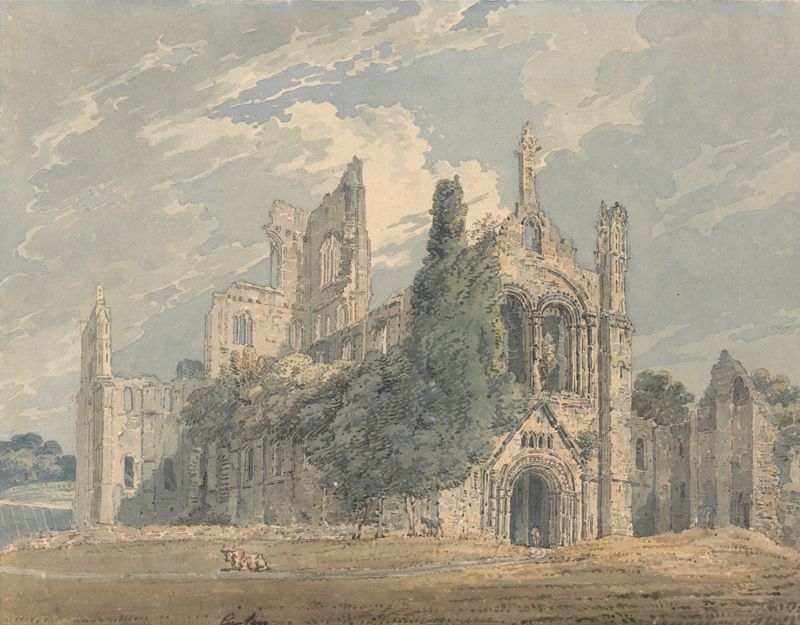
Kirkstall Abbey from the N.W.
Thomas Girtin
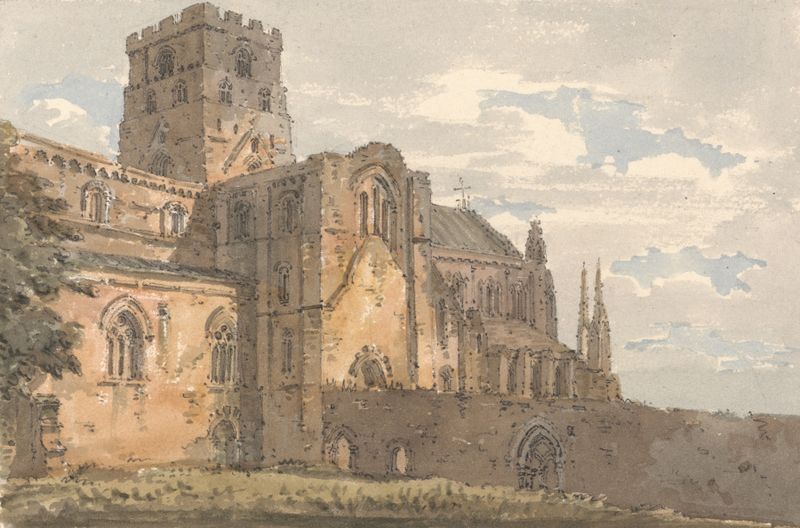
Carlisle Cathedral, Cumberland, from the South-west
Thomas Girtin
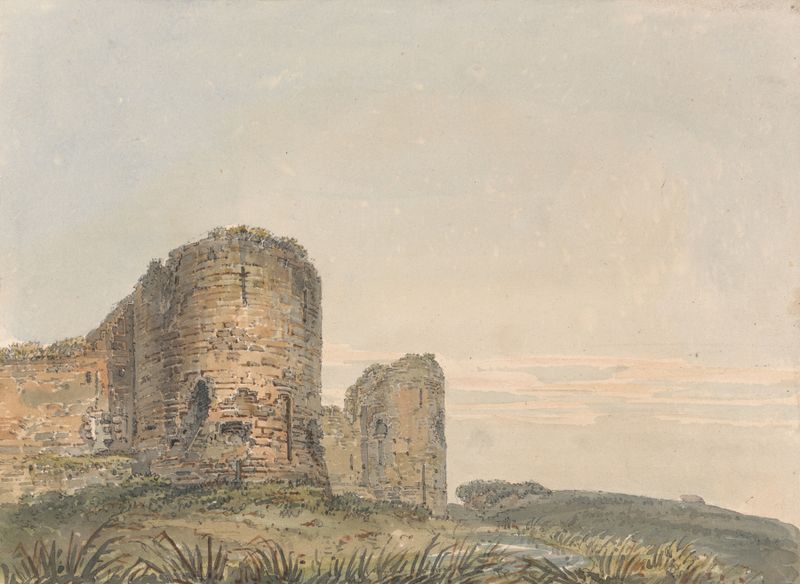
Pevensey Castle, Sussex
Thomas Girtin
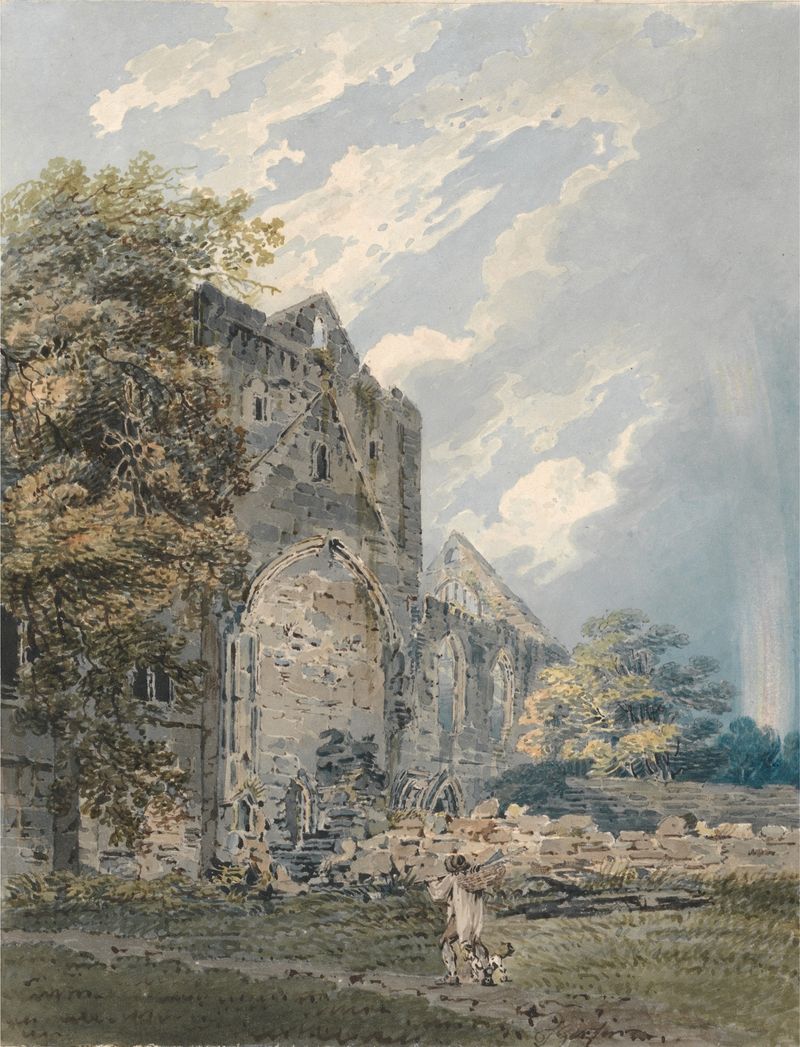
Pluscardine Abbey, Elgin
Thomas Girtin
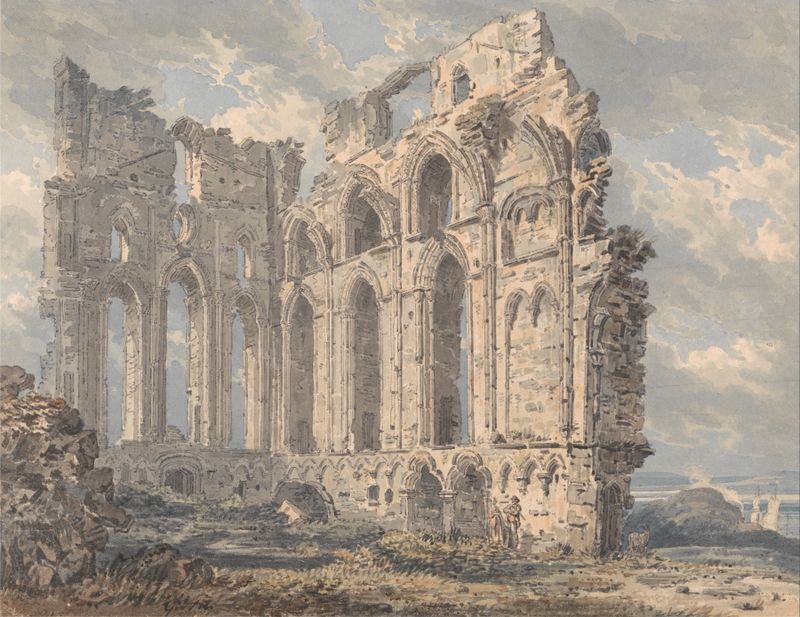
Tynemouth Priory, Northumberland
Thomas Girtin
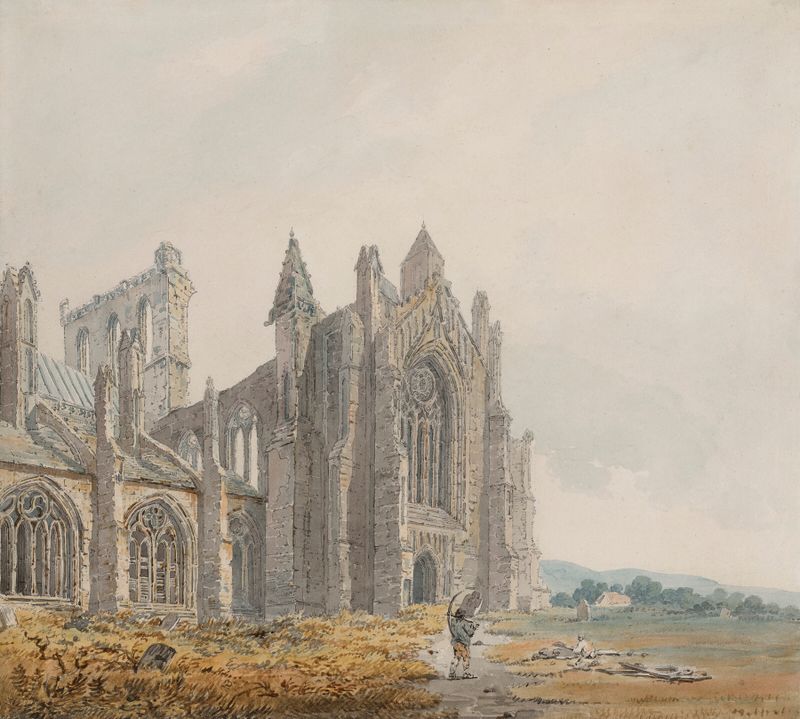
Melrose Abbey, Scotland
Thomas Girtin
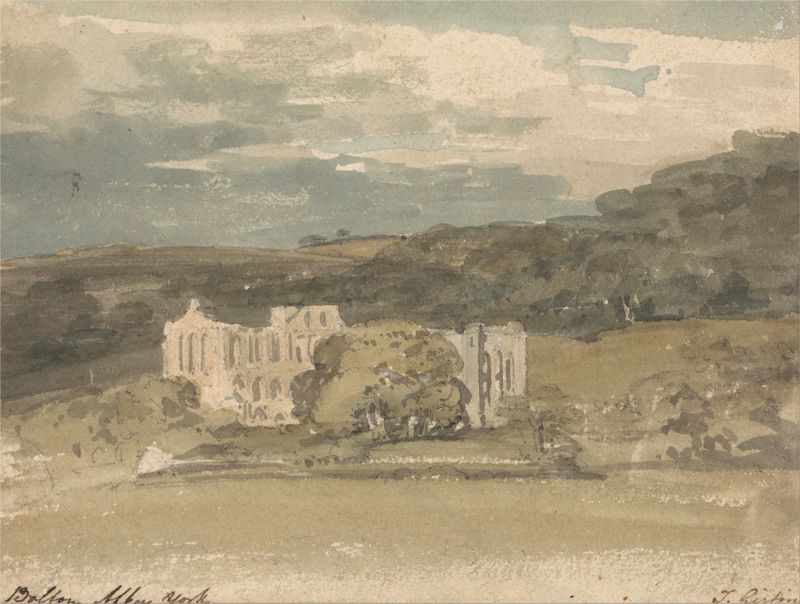
Rievaulx Abbey, Yorkshire
Thomas Girtin
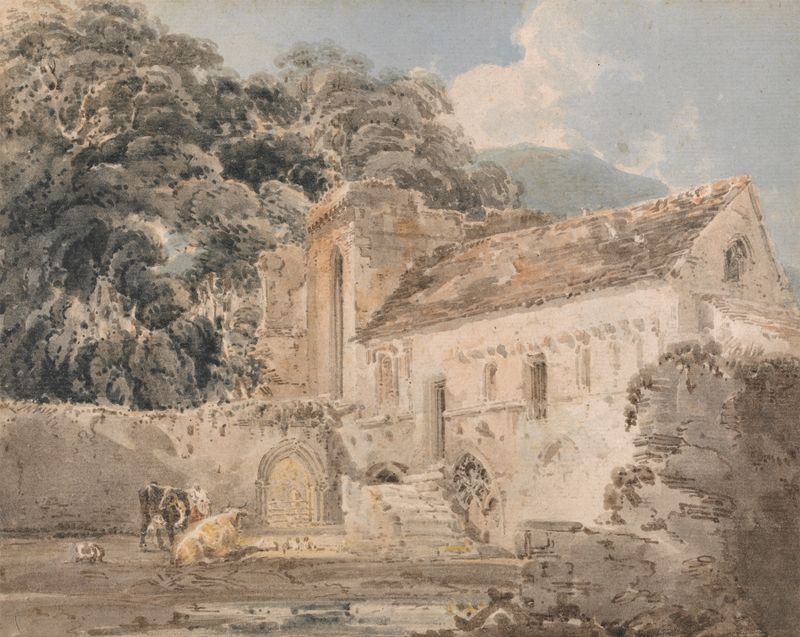
Valle Crucis Abbey, Denbighshire
Thomas Girtin
Warkworth Castle, Northumberland
Thomas Girtin
Dumbarton Rock and Castle
Thomas Girtin





