
Departing day — History & Facts
When did color learn to lie? The vibrant hues of twilight can mask the truths hidden in shadows, revealing a world caught between reality and illusion. Look to the left at the tumultuous waves crashing against the rocky shoreline, their deep blues and emerald greens swirling with energy. The sunset casts a warm golden glow over the water, creating a striking contrast with the coolness of the shadows that creep in. Notice how the boats, silhouetted against the fiery sky, seem to drift into a dreamscape, their forms both defined and obscured by the fading light.
Each brushstroke brings forth a sense of movement, making the scene feel as if it breathes and pulses with life. Delve deeper into the painting, and you’ll uncover layers of emotional tension. The departing day symbolizes both an end and a beginning, a fleeting moment that evokes nostalgia and hope. The play of light and color conveys a sense of revelation, hinting at the transient nature of human experience.
The juxtaposition of vibrant sunset against darkening waters reflects the duality of existence—beauty intertwined with uncertainty, joy mingled with sorrow. During the late 19th century, Alfred de Bréanski was immersed in the vibrant artistic movements of his time, particularly in England, where he painted Departing day. His work focused on landscape and seascape, showcasing a deep appreciation for nature’s beauty and the shifting light. In a world poised on the brink of modernity, his paintings offered viewers a moment of introspection amidst the rapid changes occurring in society and art.
More Artworks by Alfred de Bréanski
Browse all →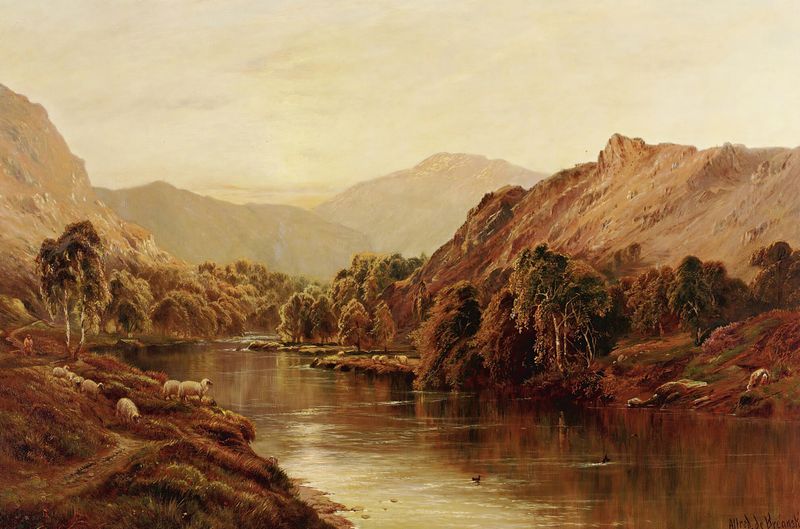
The Dee Near Balmoral
Alfred de Bréanski
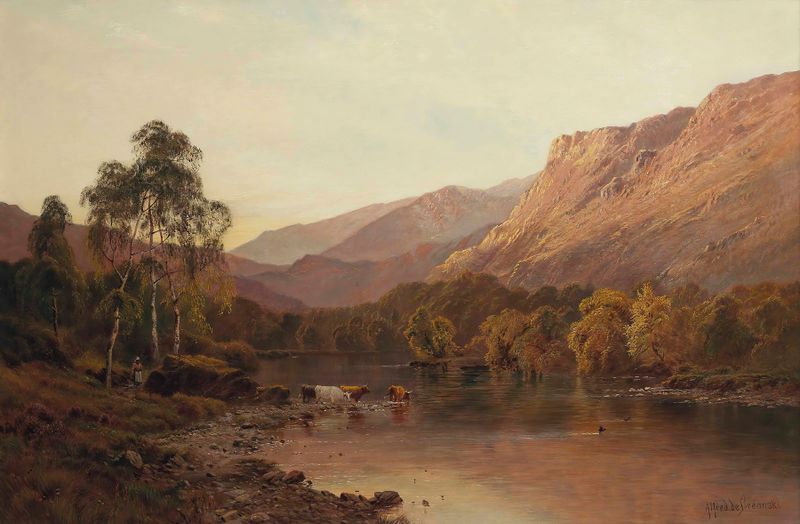
The Valley Of Borrowdale
Alfred de Bréanski
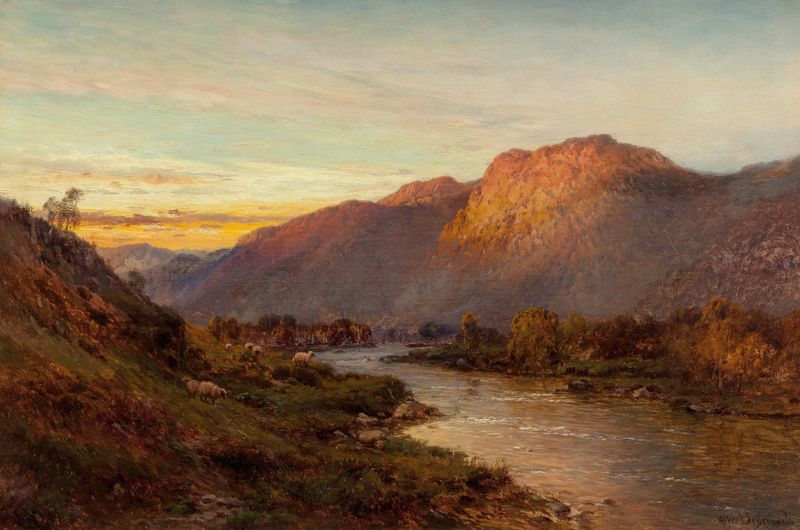
Below the Falls of Glenfinlas, Scotland
Alfred de Bréanski
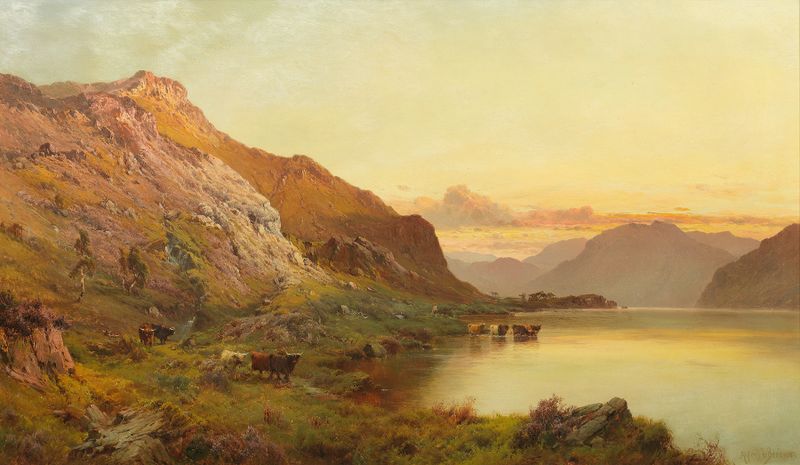
At the foot of Ben Nevis, N.B.
Alfred de Bréanski
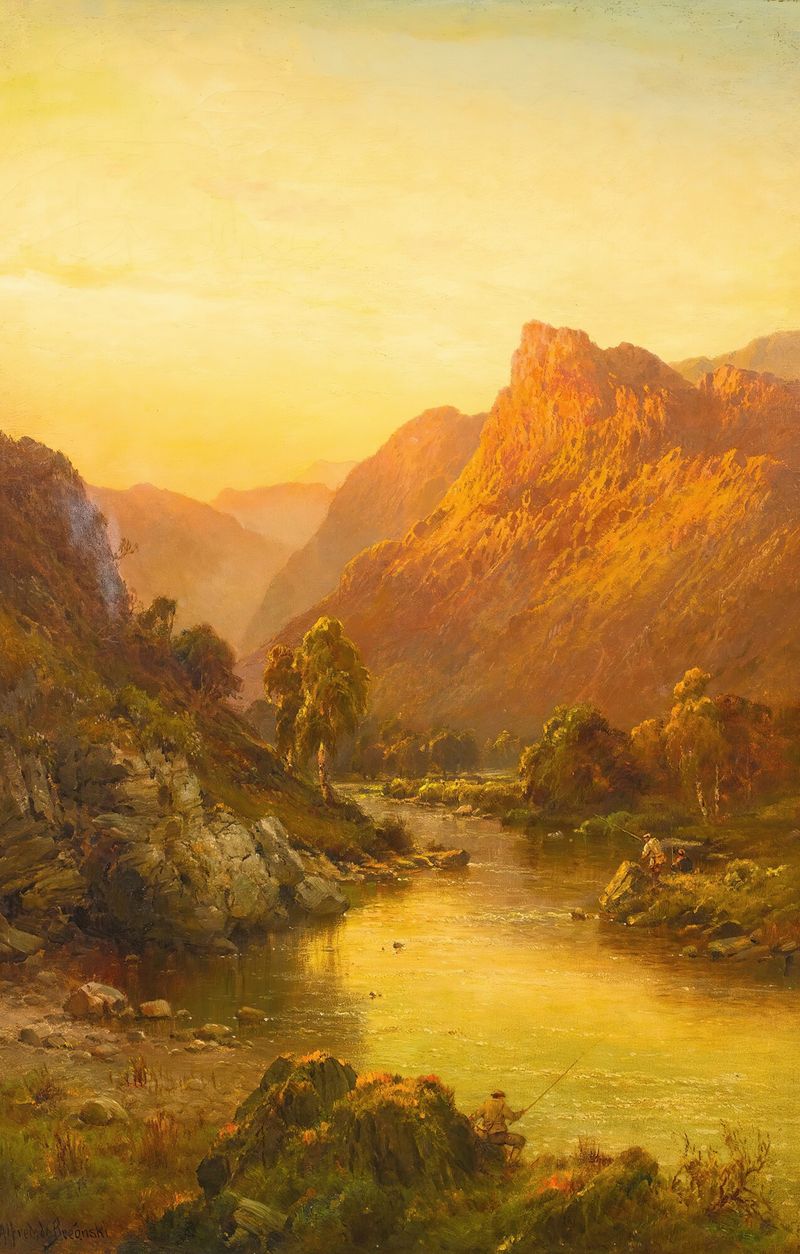
The Vale of Ben-Lawers
Alfred de Bréanski

Ben Lomond
Alfred de Bréanski
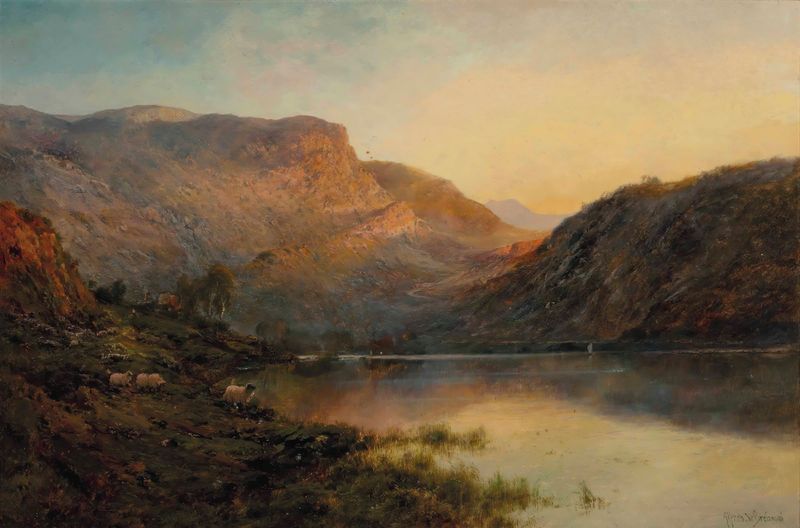
The Evening Glow, Vale Of Eagle, Loch Lomond
Alfred de Bréanski
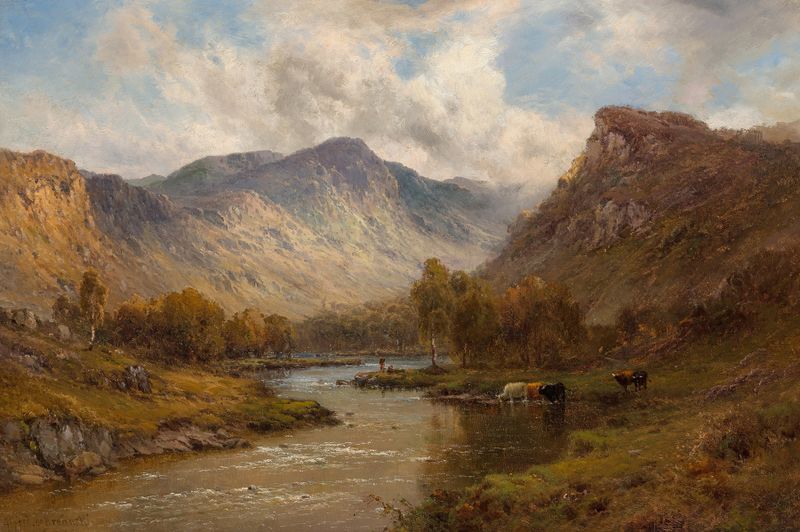
The Tay near Dunkeld, Scotland
Alfred de Bréanski

The Dee at Balmoral
Alfred de Bréanski

Highland landscape
Alfred de Bréanski





