
Der Dichter im Hemd an seinem Schreibpult — History & Facts
In Der Dichter im Hemd an seinem Schreibpult, we see a man in a white shirt seated at a writing desk. The room is filled with books, papers, and a warm light that creates an inviting atmosphere. The colors are soft and muted, with browns and greens dominating the scene.
The figure appears deep in thought, reflecting the Romantic spirit of introspection and creativity. The painting is executed in oil on panel, showcasing Spitzweg's skill in capturing detail and texture. The composition is balanced, with the desk and surrounding items arranged to draw the viewer's eye toward the writer. The use of light and shadow adds depth, enhancing the three-dimensional feel of the space.
The artist's brushwork is delicate, emphasizing the quiet and contemplative mood. Carl Spitzweg was a prominent figure in the German Romantic movement, known for his depictions of everyday life. This work, painted in the 1850s, reflects his fascination with the literary world and the solitary nature of the writer. An interesting fact about this painting is that it captures the essence of the Romantic ideal, where the artist often portrayed individuals in moments of reflection and creativity.
Spitzweg's works are celebrated for their humor and charm, making him a beloved artist of his time.
More Artworks by Carl Spitzweg

Die Stadtwache
Carl Spitzweg
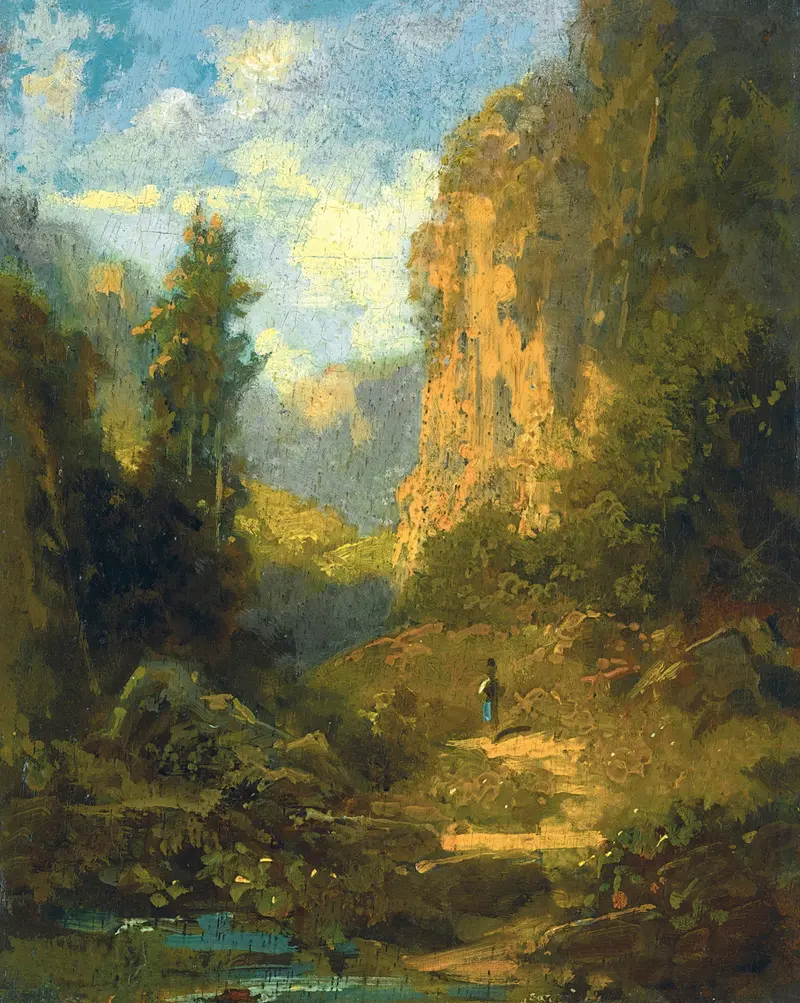
Gebirgslandschaft
Carl Spitzweg
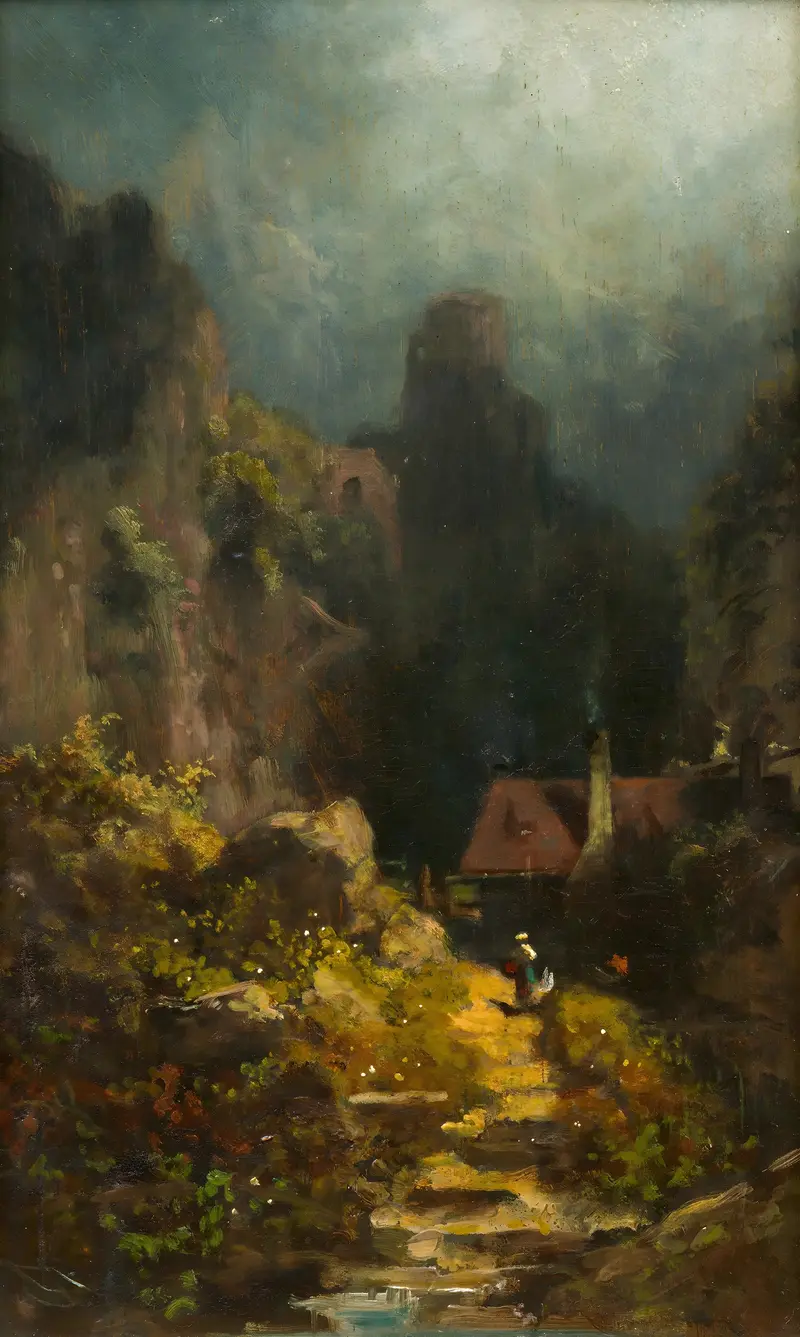
In der Schlucht
Carl Spitzweg

Gebirgsmühle
Carl Spitzweg
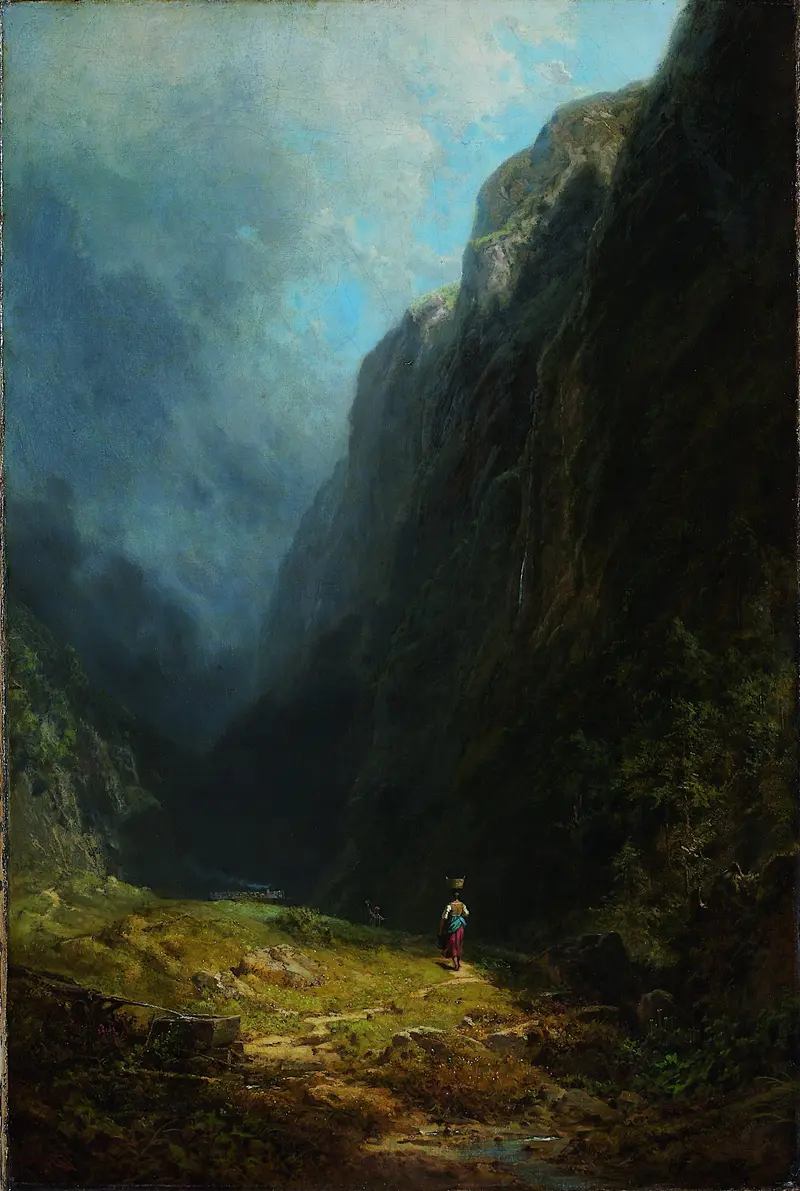
In the Alpine High Valley (Landscape with Mt. Wendelstein)
Carl Spitzweg
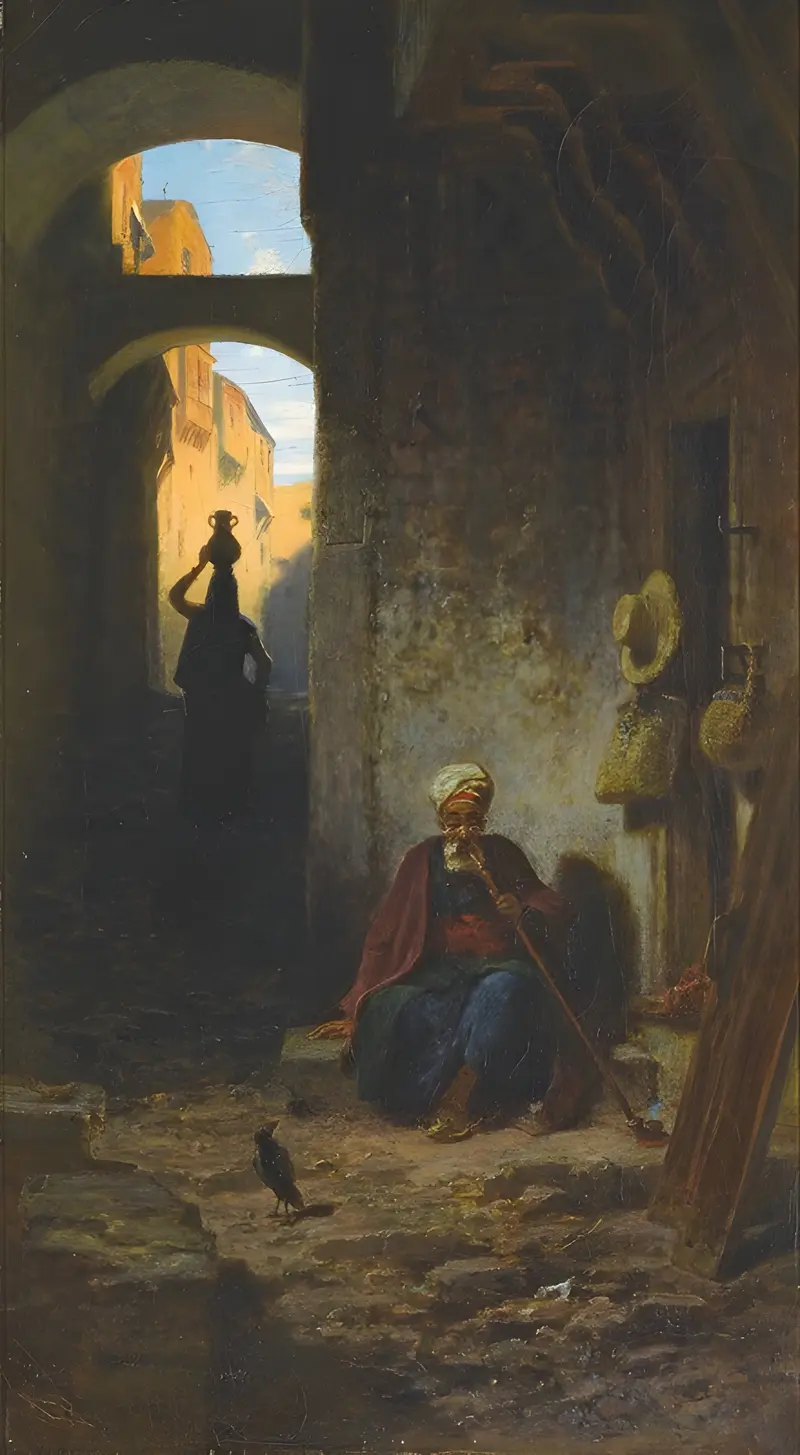
Out Of The Orient
Carl Spitzweg
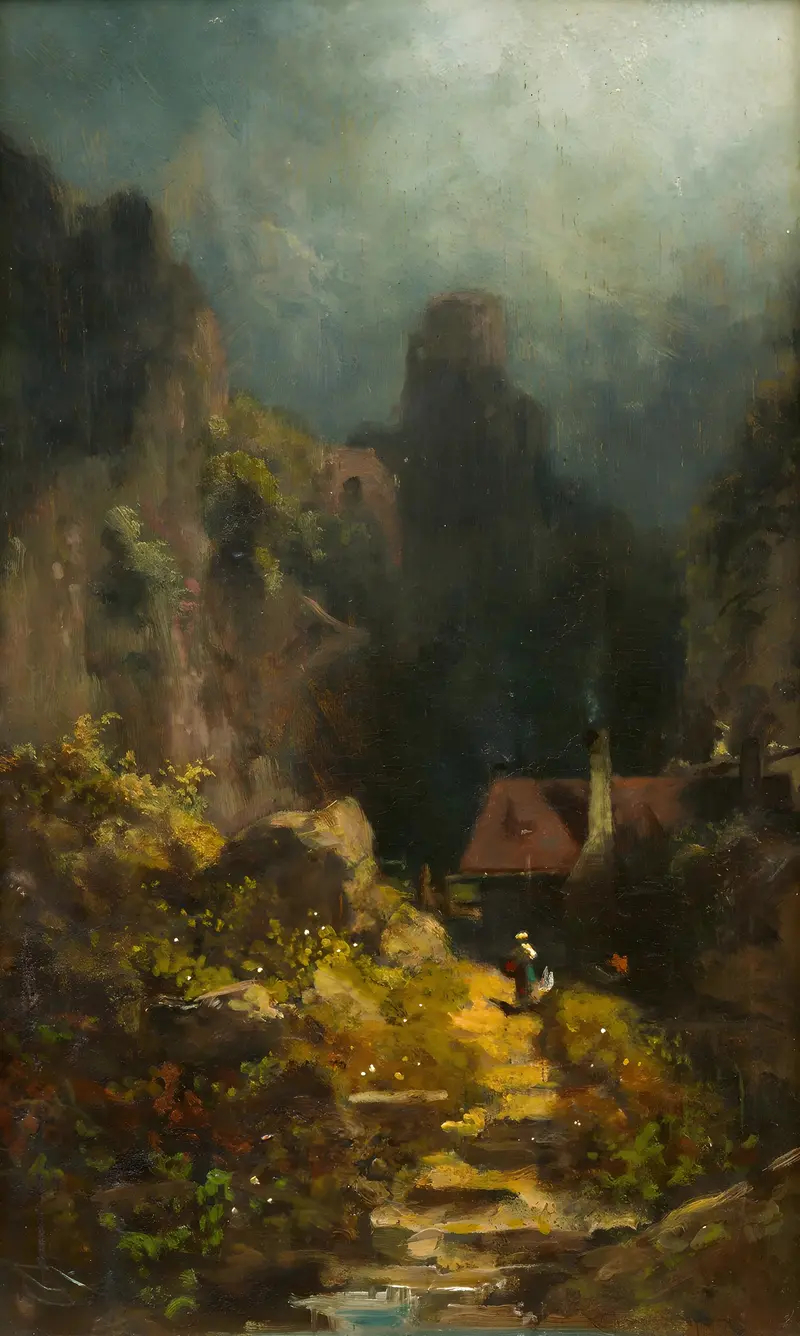
In der Schlucht (Haus im Grund mit rauchendem Kamin)
Carl Spitzweg
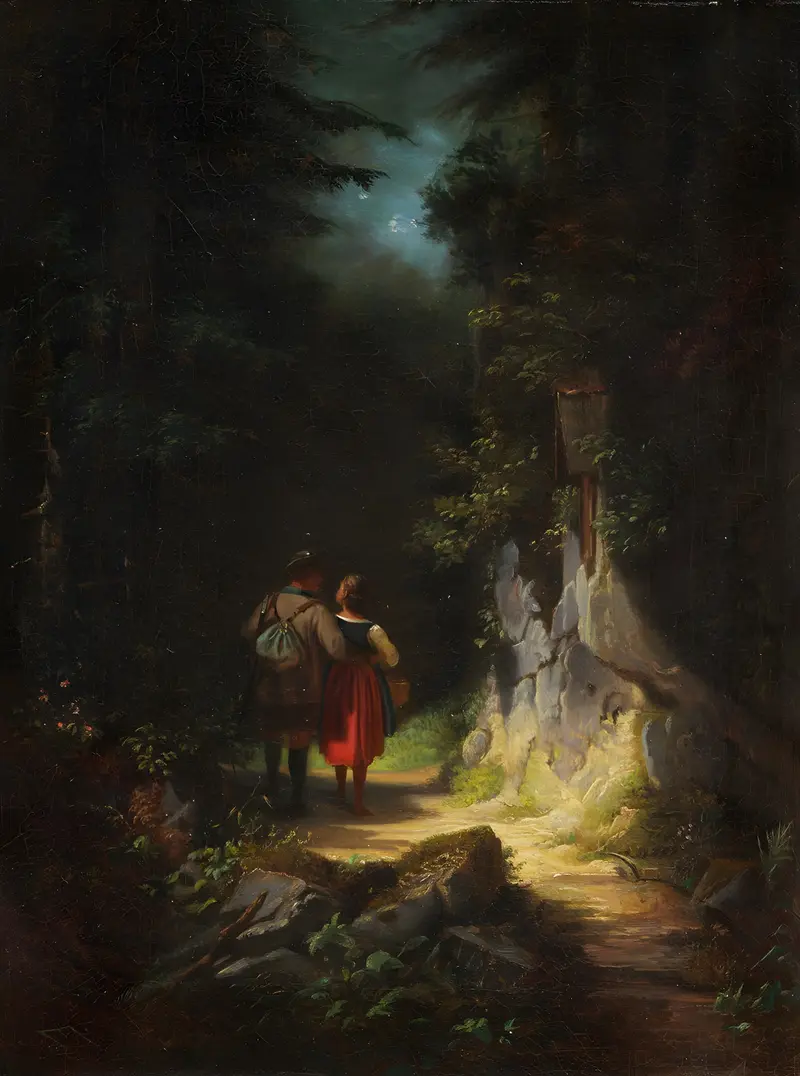
Jäger mit Mädchen (Der verliebte Jäger)
Carl Spitzweg
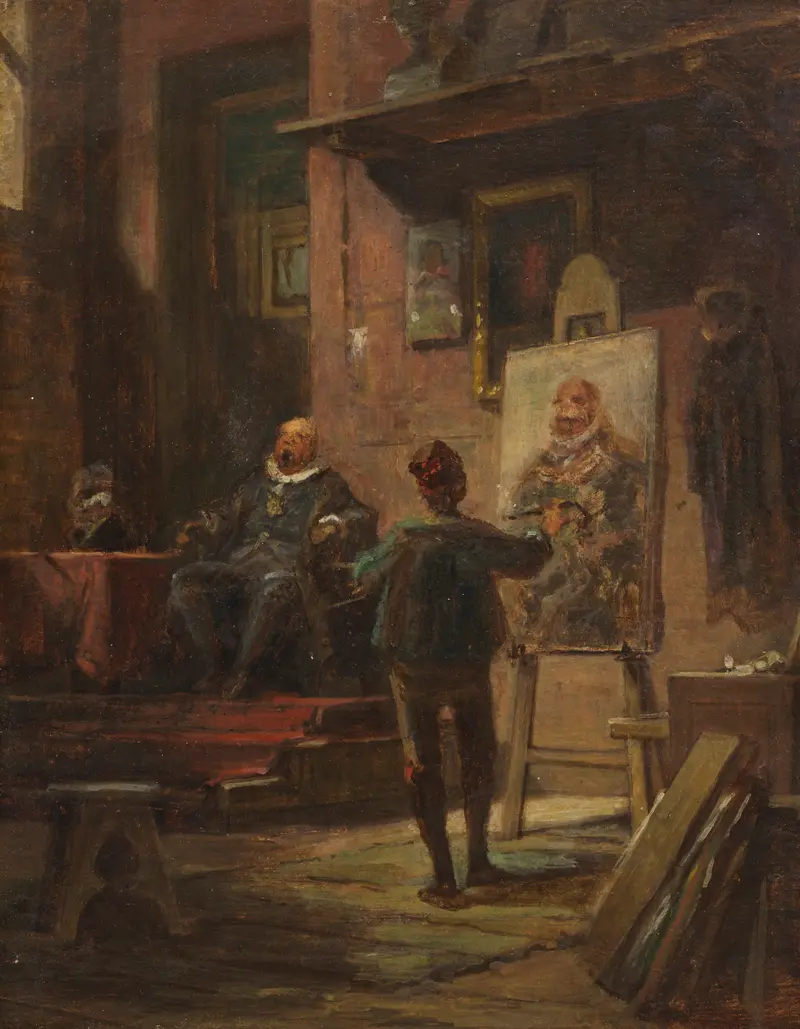
Der Maler im Atelier
Carl Spitzweg
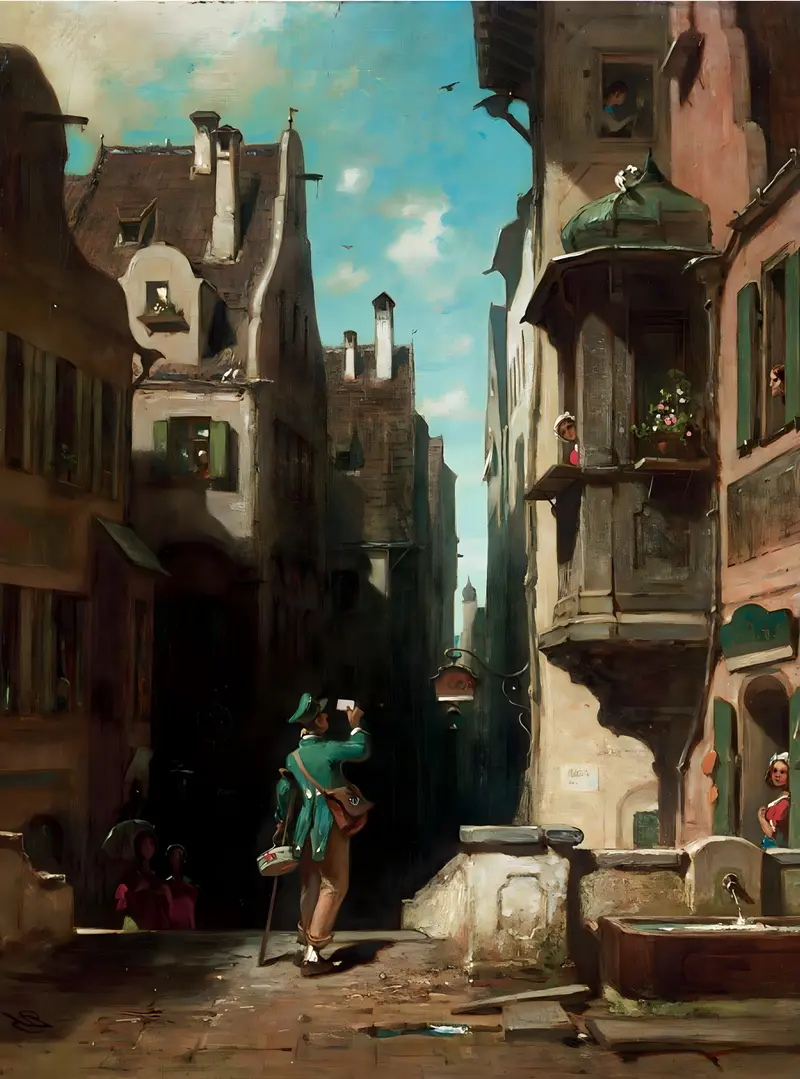
Der Postbote
Carl Spitzweg
More Genre Scene Art

Banquet of the Officers of the St George Civic Guard
Frans Hals

Rembrandt and Saskia in the Scene of the Prodigal Son
Rembrandt van Rijn

Bal du moulin de la Galette
Pierre-Auguste Renoir

Quadrille at the Moulin Rouge
Henri de Toulouse-Lautrec

A Burial at Ornans
Gustave Courbet

When Will You Marry?
Paul Gauguin