
Derbyshire Landscape — History & Facts
A winding path draws the viewer quietly into the heart of Derbyshire Landscape, the eye led first by the tall, wind-bent trees that anchor the left edge, then onward along the river’s restless shimmer. The painting’s drama is not in grand gestures but in the slow reveal: the sunlit ruins on the distant ridge, the smoke rising from unseen chimneys, the play of shadow and light that turns the wooded valley into a world of secrets. Wyant’s brushwork lingers over the textures of moss and bark, but always returns to the great sweep of sky, where clouds gather and dissolve, hinting at change.
The palette is earthy, autumnal, but the air feels fresh, alive with the promise of movement—birds wheeling above, water rushing below. Painted in 1871, this work belongs to a moment when landscape painting was both a celebration of nature’s grandeur and a subtle record of a changing world. The industrial age was reshaping even the most secluded valleys, and artists like Wyant—though American by birth—found inspiration in the storied hills and ruins of England. Such scenes were often commissioned for private homes, reminders of heritage and the enduring beauty of the countryside.
History has kept few traces of this particular painting’s journey, but its quiet invitation remains: follow the path, and let your gaze wander into the distance, where the past lingers on the horizon.
More Artworks by Alexander Helwig Wyant

Autumn Landscape and Pool
Alexander Helwig Wyant
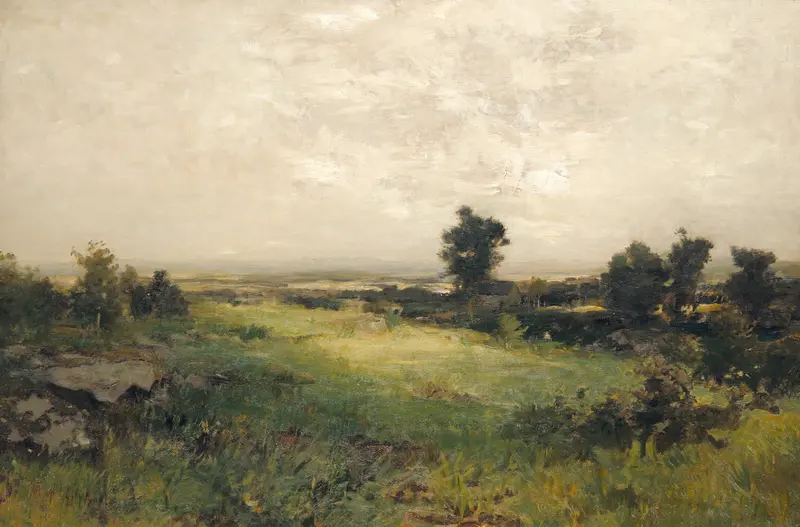
Housatonic Valley
Alexander Helwig Wyant
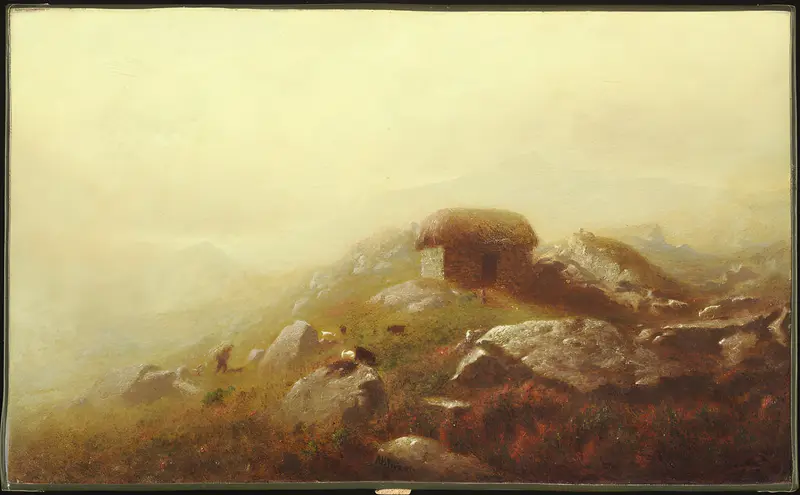
Misty Morning Near the Lakes of Killarney
Alexander Helwig Wyant
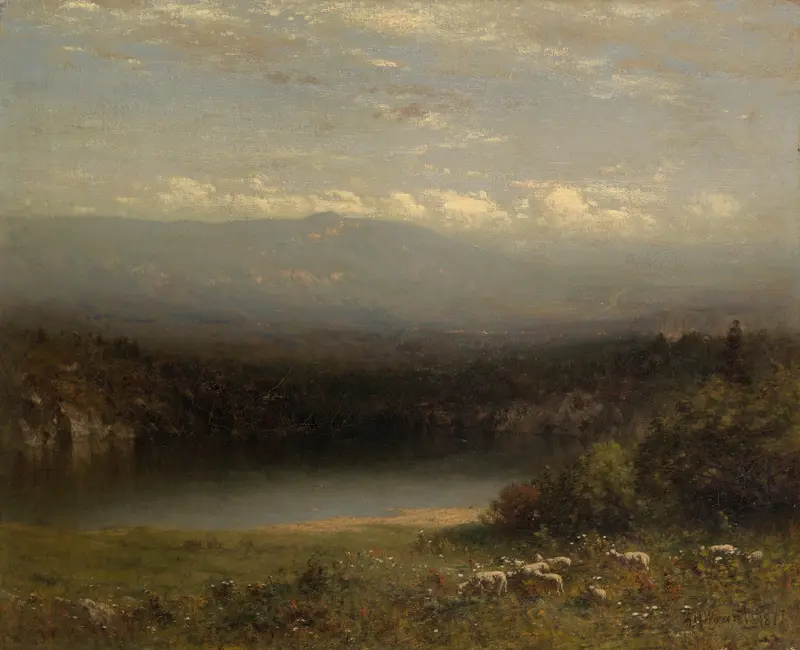
Mountain Lake
Alexander Helwig Wyant
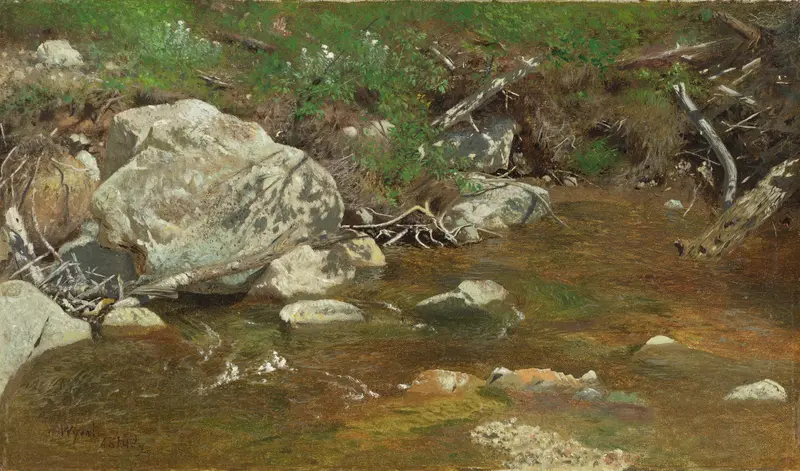
Mountain Brook; A Study
Alexander Helwig Wyant
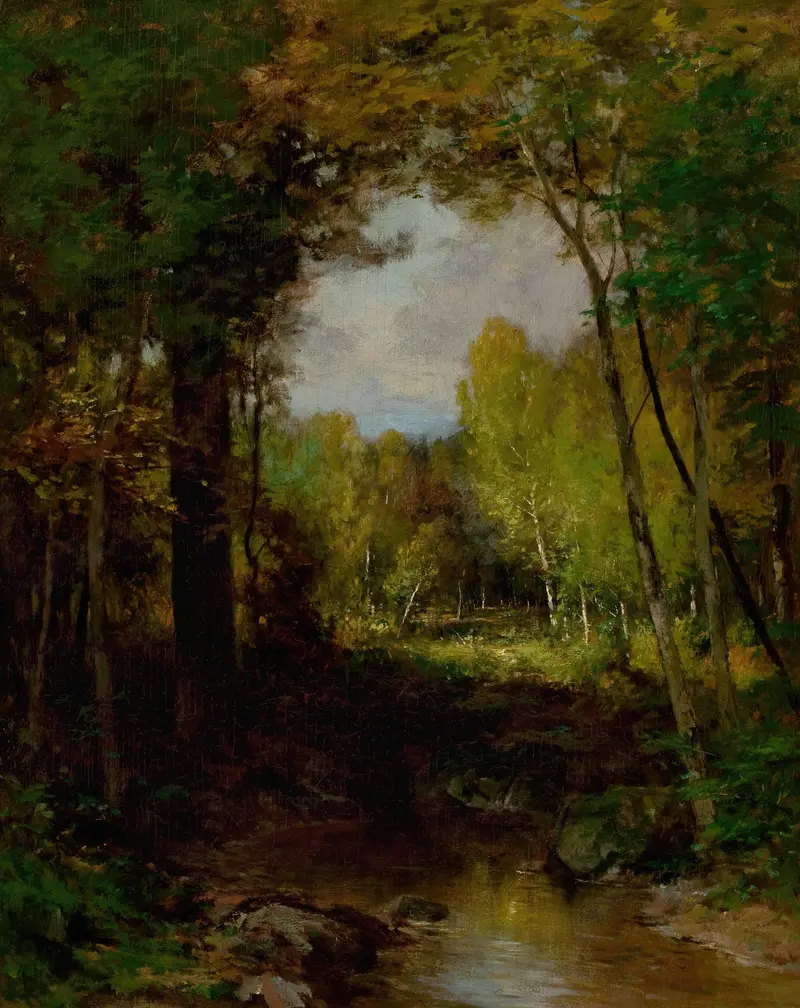
Keene, Adirondacks
Alexander Helwig Wyant
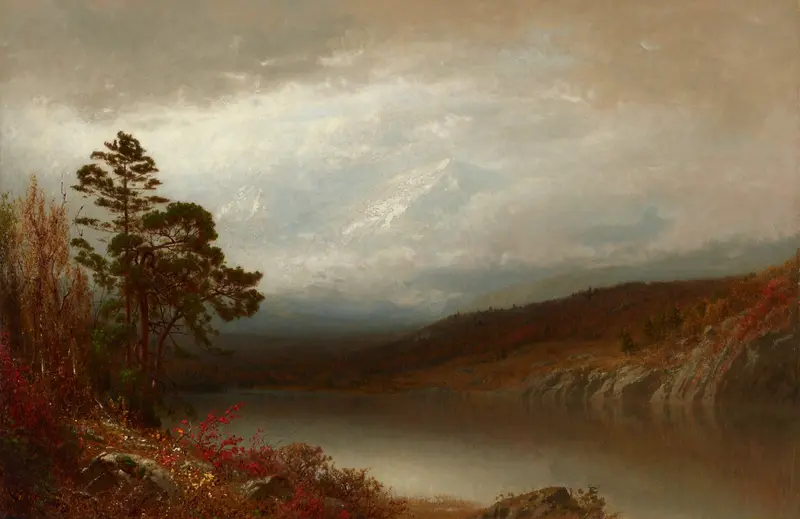
Autumn in the Adirondacks
Alexander Helwig Wyant
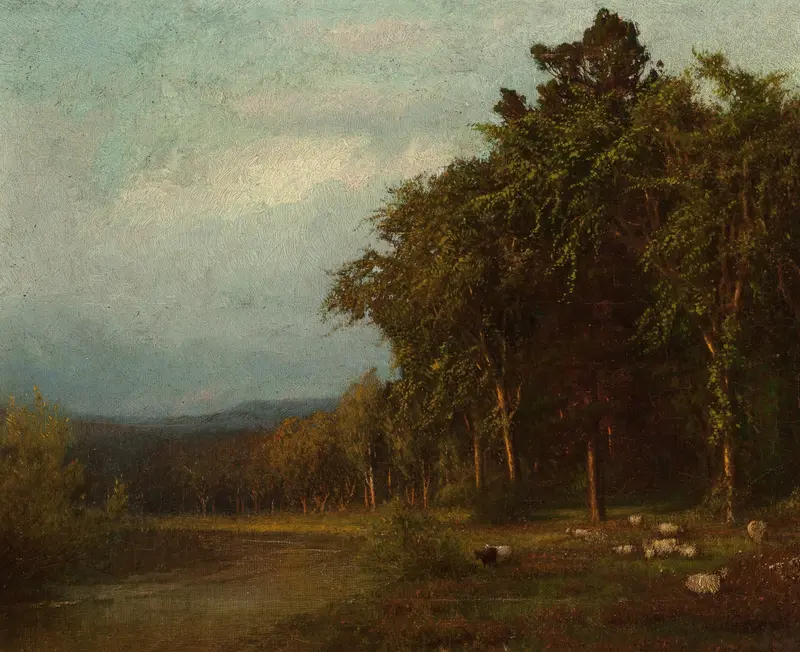
Cattle Grazing, Late Afternoon
Alexander Helwig Wyant
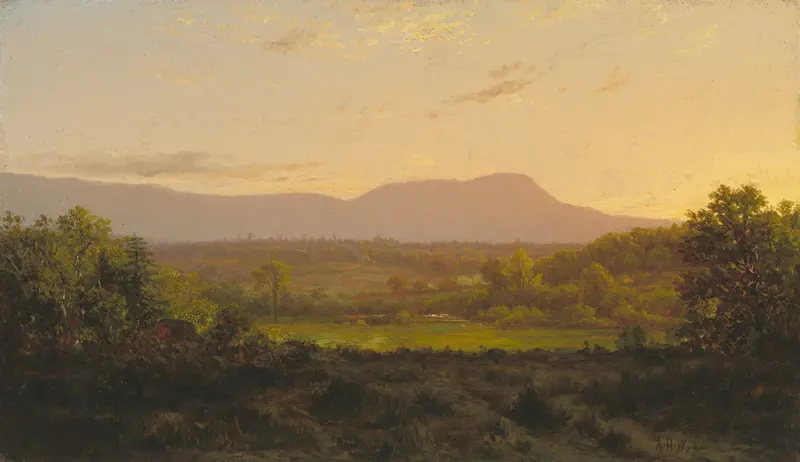
Peaceful Valley
Alexander Helwig Wyant
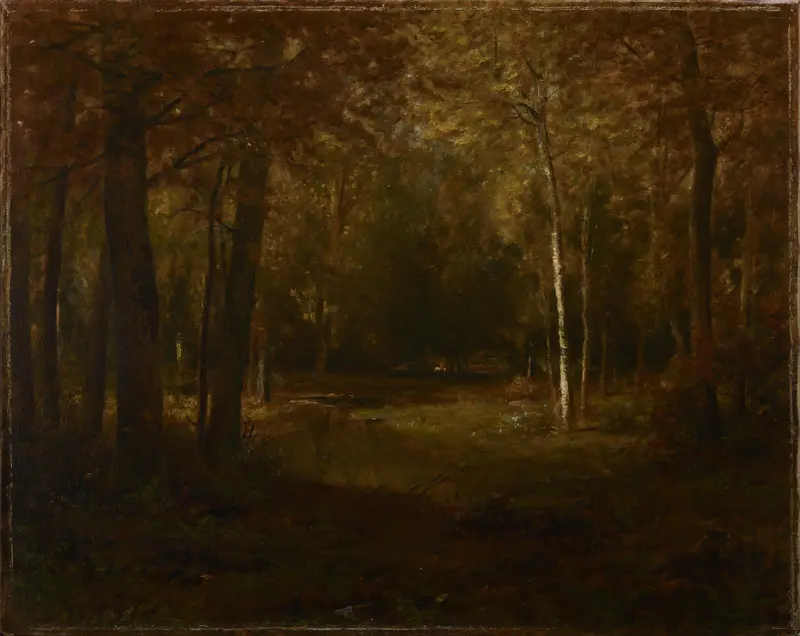
Glade in Autumn
Alexander Helwig Wyant
More Landscape Art

The Starry Night
Vincent van Gogh

View of Delft
Johannes Vermeer

Water Lilies
Claude Monet

The Grand Canal, Venice, looking north-west from the Ca' Corner to the Ca' Contarini degli Scrigni, with the campanile of Santa Maria della Carità
Canaletto

Windsor Castle
Canaletto

The Grand Canal looking North-East from the Palazzo Dolfin-Manin to the Rialto Bridge
Canaletto