
Descent from the Cross — History & Facts
A single glance at Alessandro Allori’s Descent from the Cross sweeps the viewer into a world of tangled limbs, urgent gestures, and a sky that seems heavy with grief. The eye is pulled first to the body of Christ, suspended in a diagonal that cuts through the crowded scene, his pale form supported by men straining on ladders and ropes. Each figure is caught in a moment of action or despair: some reach upward in a desperate attempt to help, while others collapse in anguish below.
The palette shifts from the bruised blue of the sky to the earthy, somber tones of the crowd, guiding the viewer from the divine tragedy above to the human sorrow below. Even the barren trees echo the sense of loss, their twisted branches framing the drama. Painted around 1560, this work belongs to a moment in Italian art when religious commissions demanded both narrative clarity and emotional intensity. Scenes of the Descent were common in churches, intended to draw the faithful into the story’s sorrow and hope.
Allori, working in the wake of the Florentine Mannerists, fills the canvas with complex poses and expressive faces, a style meant to stir both intellect and feeling. The painting now resides in the Museo Nacional del Prado, Madrid—a reminder of how such images once shaped the devotional lives of entire communities. Look again at the faces: each one is a different answer to suffering, and each draws you deeper into the story.
More Artworks by Alessandro Allori

Francesco de' Medici
Alessandro Allori
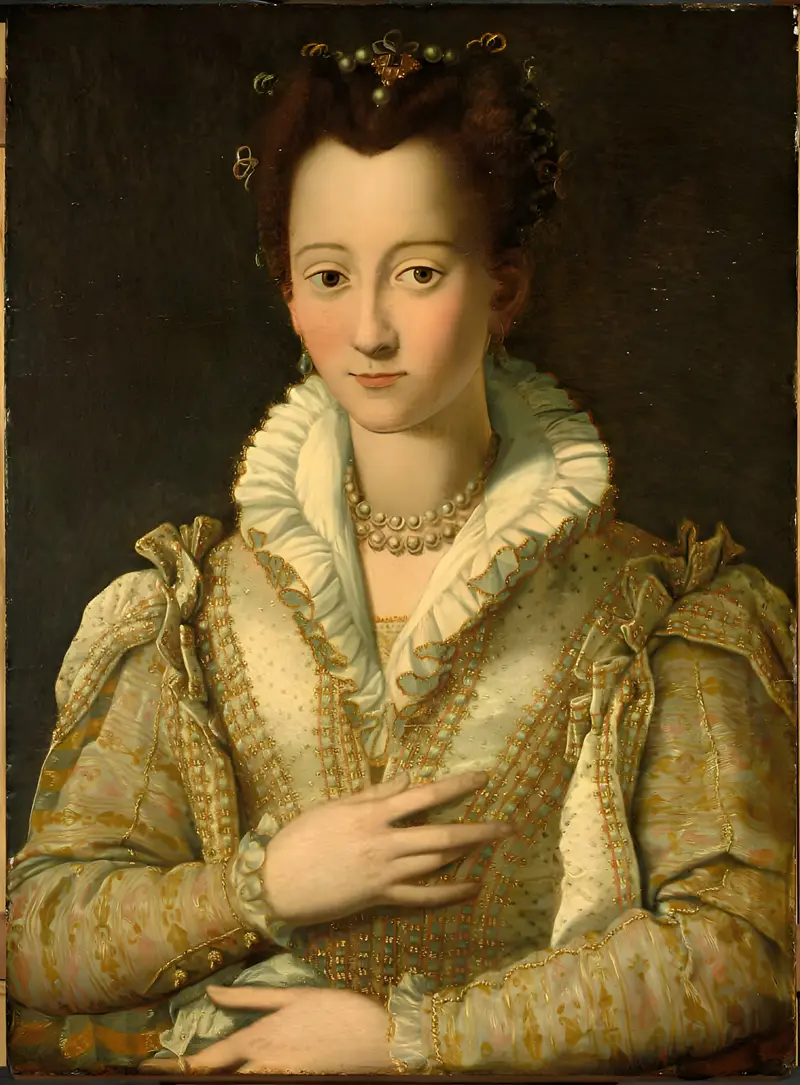
Portrait of a Woman
Alessandro Allori
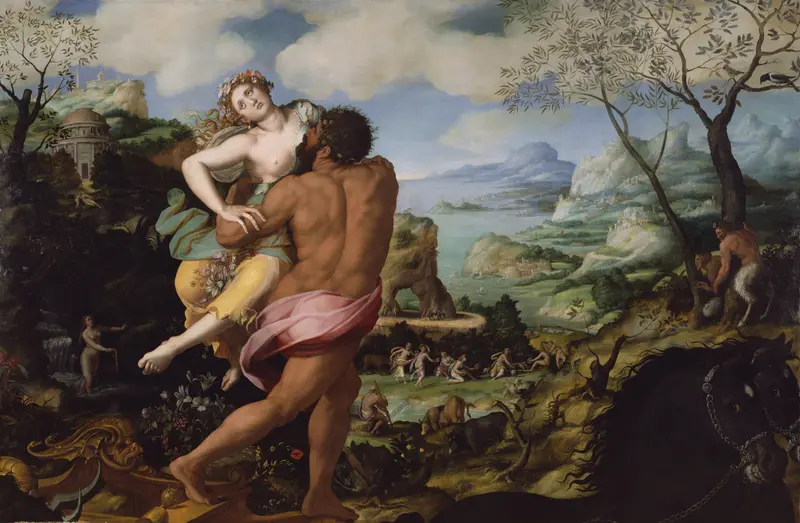
The Abduction of Proserpine
Alessandro Allori
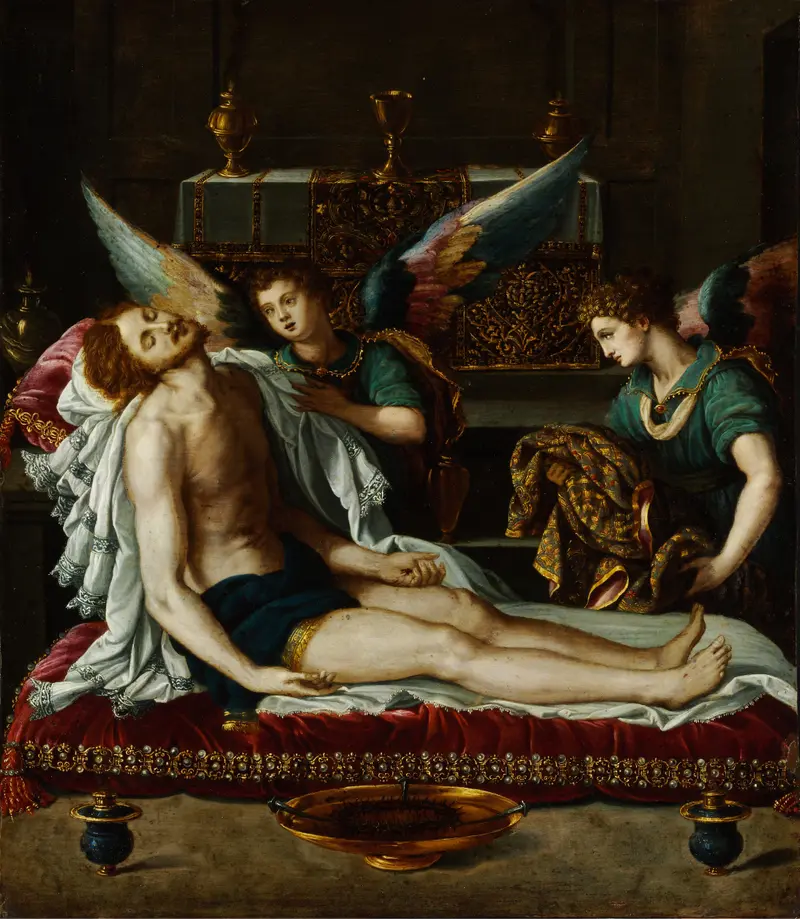
The Body of Christ Anointed by Two Angels
Alessandro Allori
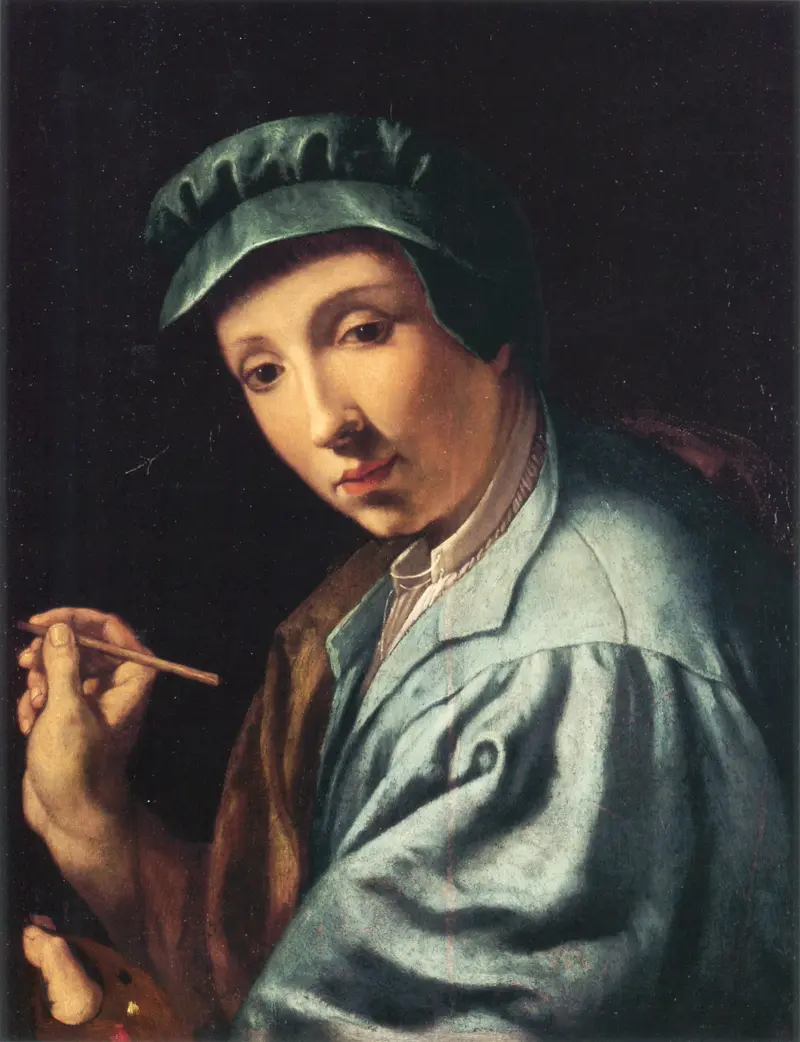
Self-portrait
Alessandro Allori
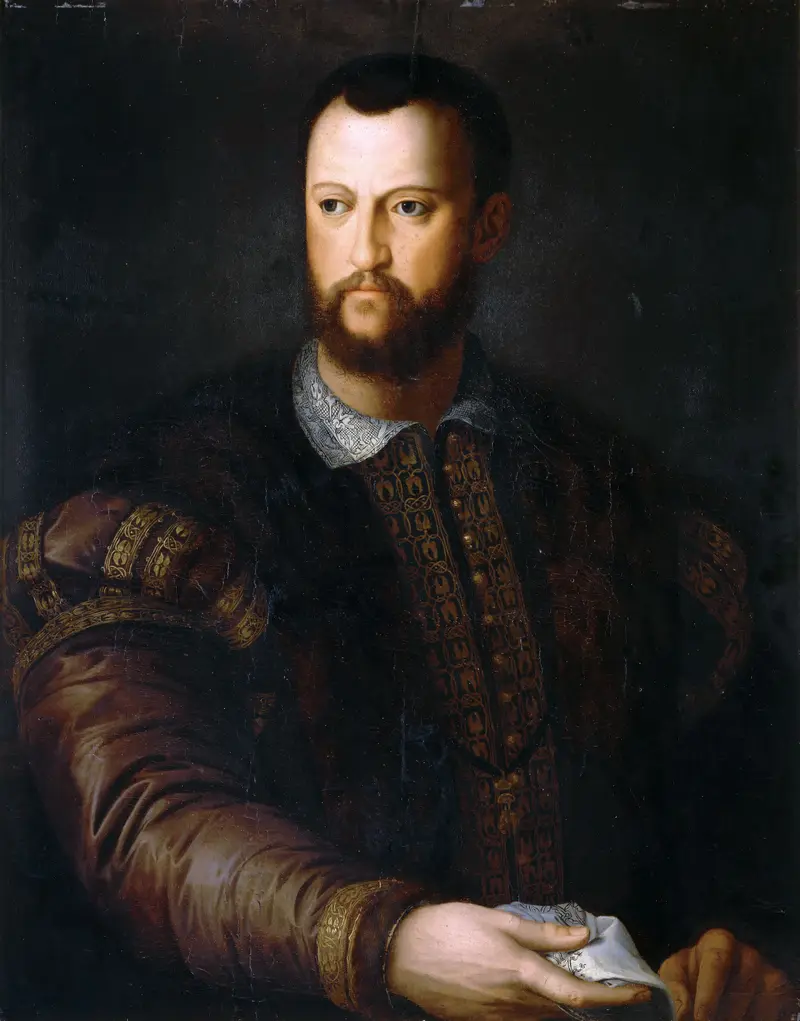
Portrait of Cosimo I de' Medici
Alessandro Allori

Venus disarming Cupid
Alessandro Allori
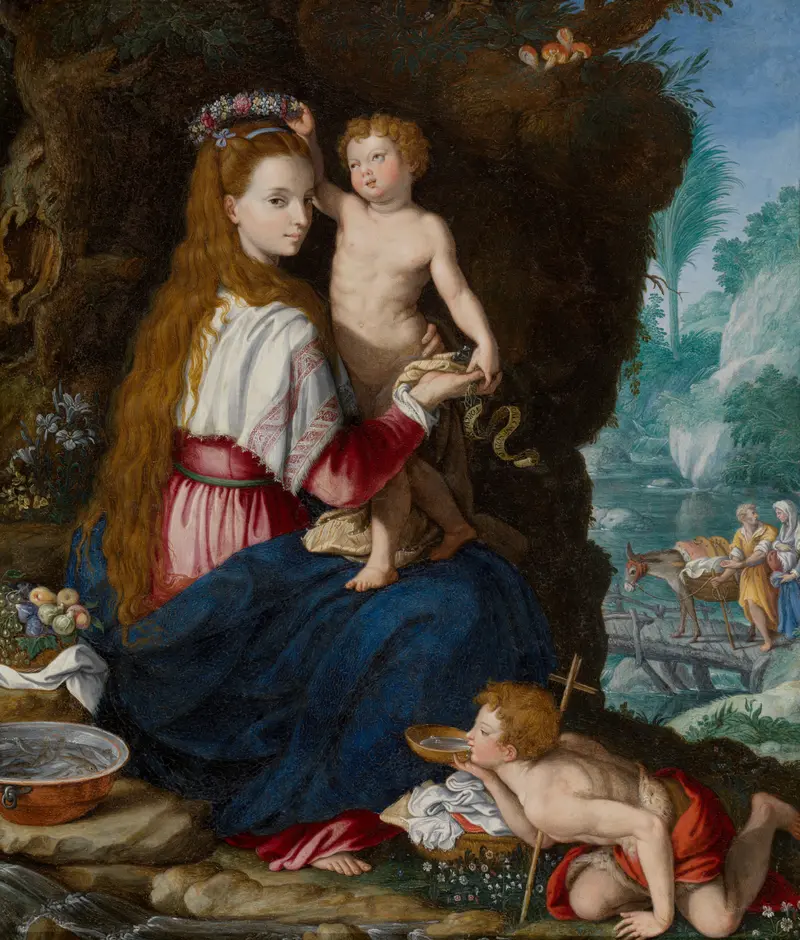
Madonna with Little Saint John
Alessandro Allori
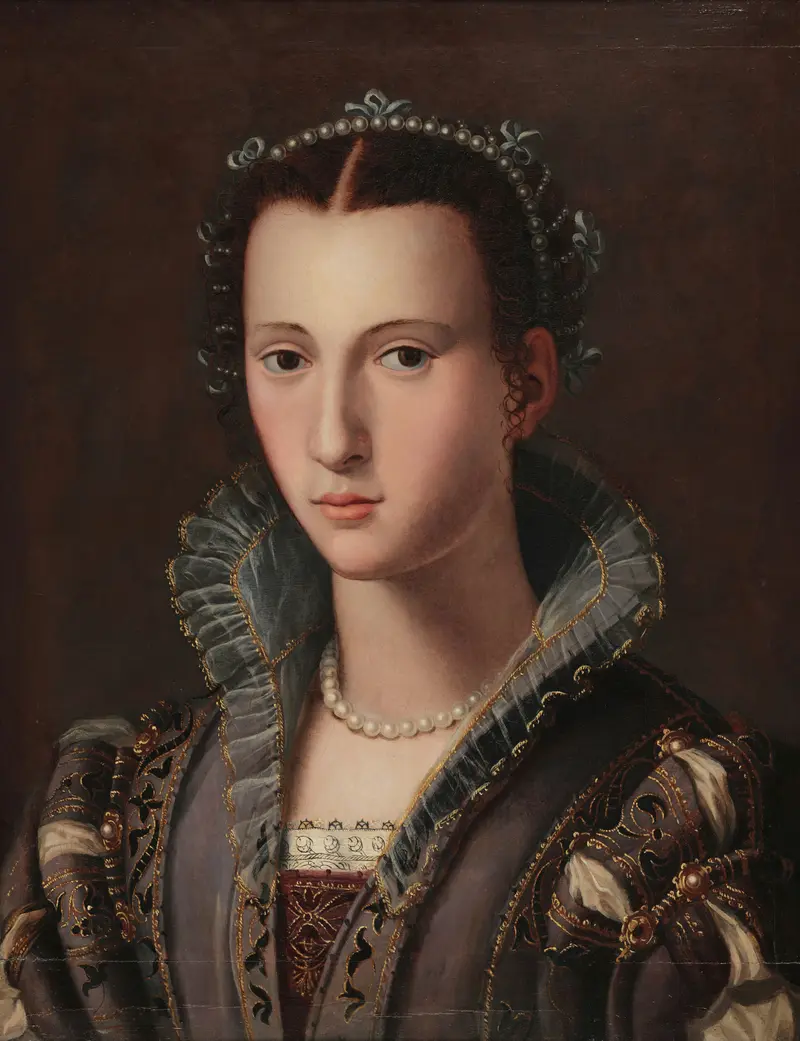
Portrait of a Florentine Lady
Alessandro Allori
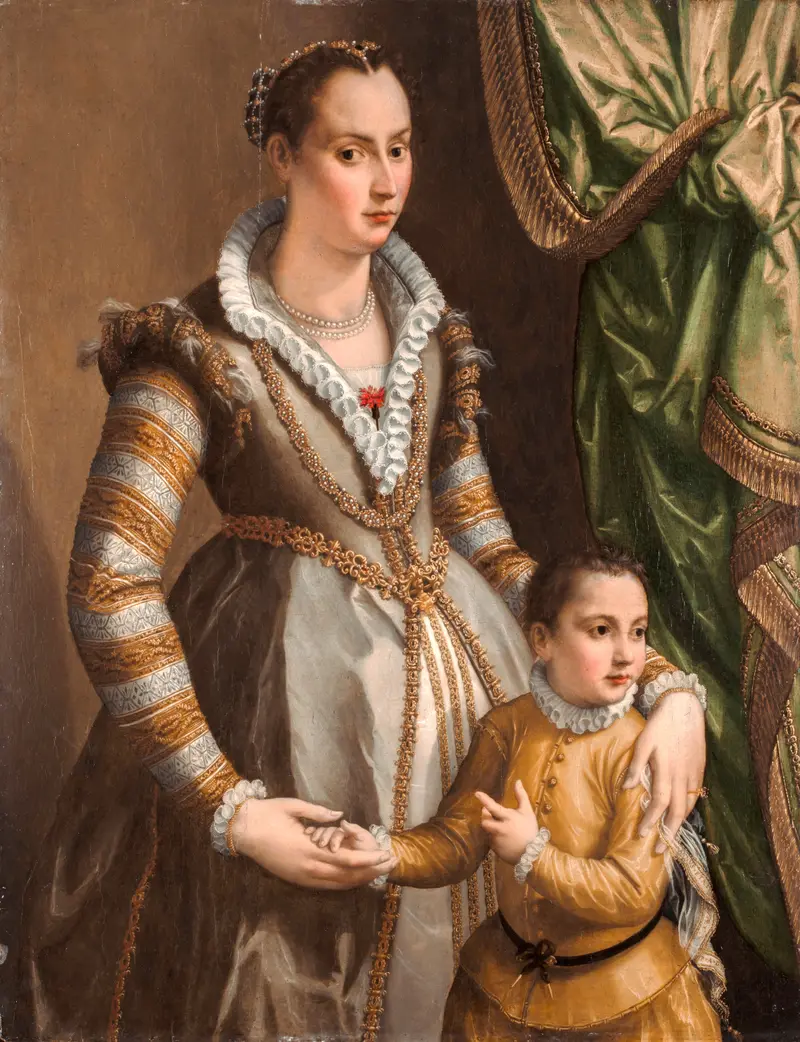
Portrait of a Noblewoman with her Son
Alessandro Allori





