Deur met stenen trap Het achterdeurtje — History & Facts
This profound truth echoes through the quiet solitude of an empty doorway, inviting the viewer to confront the void that lingers just outside its frame. In an age marked by turmoil and change, art often becomes a sanctuary for the soul, a place where silence speaks louder than words. Look closely at the textured stones of the staircase leading to the door; each one holds a story, a memory etched into its surface. The muted palette of earthy browns and soft grays creates a sense of weight, anchoring the viewer's gaze.
Notice how the light filters through the doorframe, casting elongated shadows that seem to beckon toward the unknown. The composition leads us upward, yet the door remains closed—suggesting both opportunity and uncertainty. The door itself stands as a symbol of potential—a threshold between the familiar and the unfamiliar. It evokes feelings of anticipation, drawing the viewer into a realm of introspection.
The juxtaposition of sturdy stone against the delicate light captures the tension between permanence and transience, underscoring a quiet longing for connection in a world that often feels fragmented and void of warmth. In 1917, while creating this piece, Moulijn was navigating a post-war landscape filled with disillusionment. Living in the Netherlands during a time of social upheaval, he focused on themes of isolation and introspection. This work reflects not only his personal struggles but also a broader commentary on the human experience, encapsulating an era defined by both loss and the resilient search for beauty.
More Artworks by Simon Moulijn
Browse all →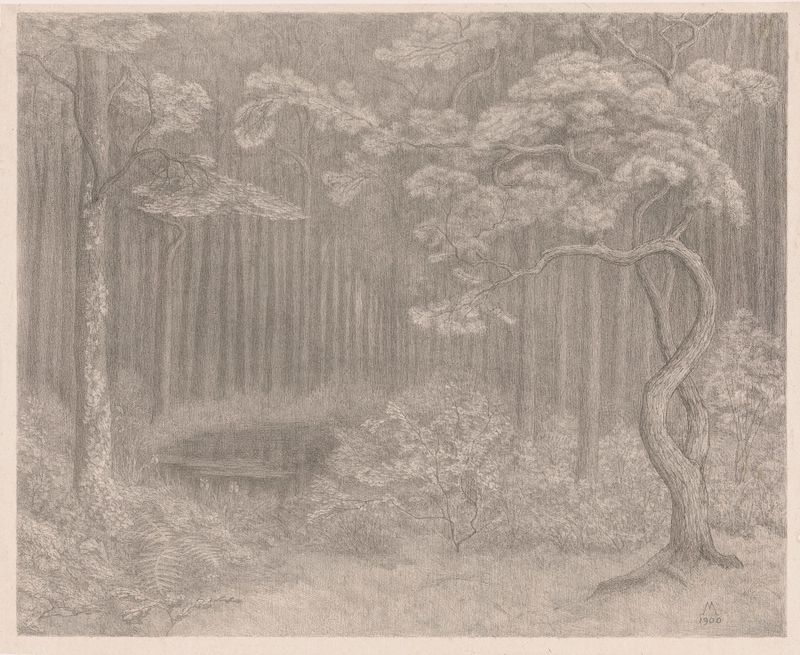
Bosgezicht
Simon Moulijn
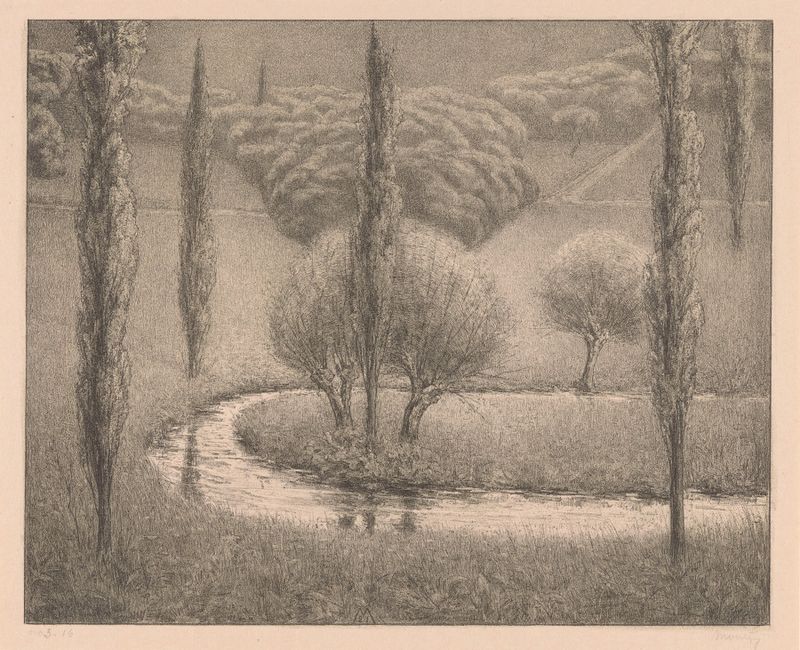
Landschap met wilgen en populieren
Simon Moulijn
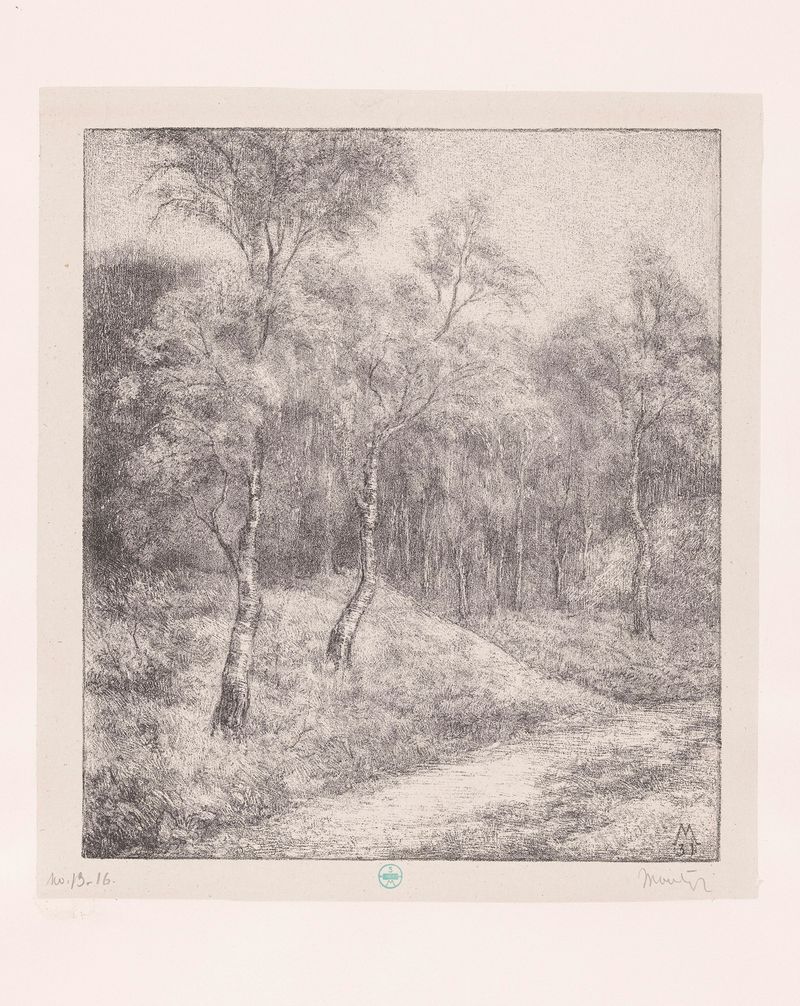
Bospad met berken
Simon Moulijn
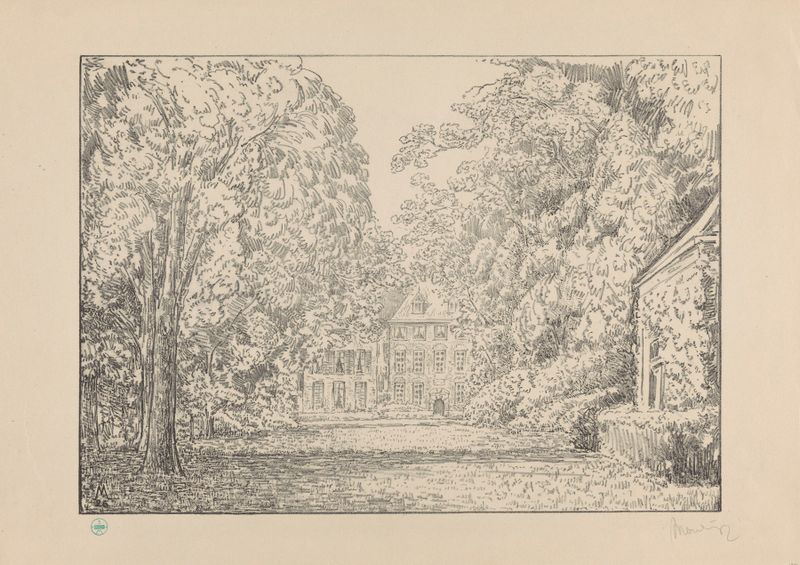
Gezicht op kasteel Duivenvoorde vanuit de tuin Duivenvoorde I
Simon Moulijn
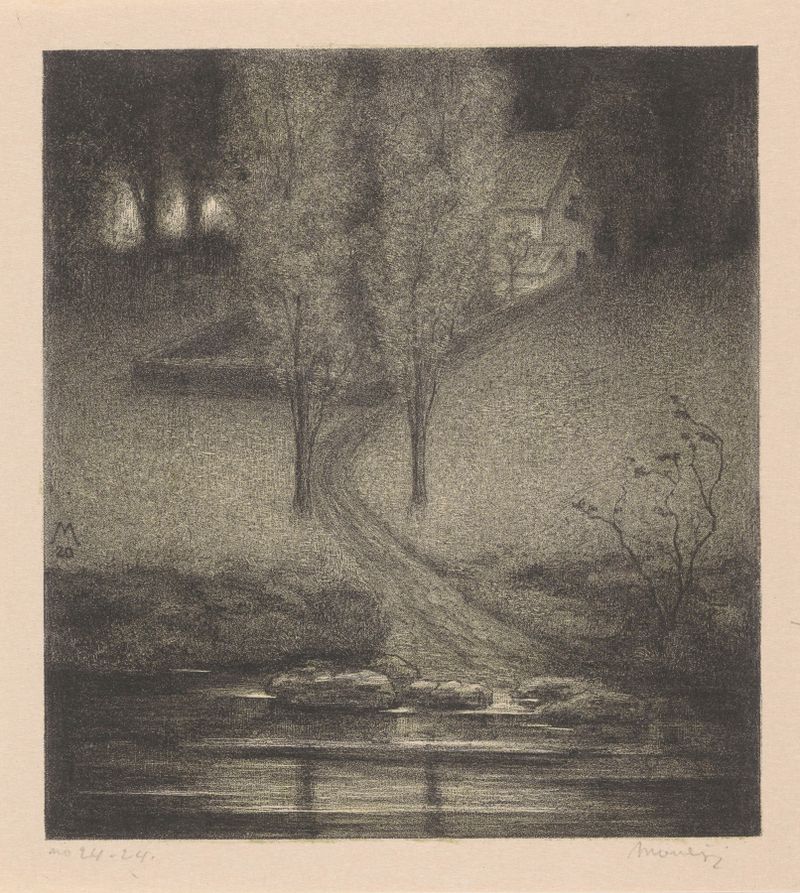
Populieren aan een beek
Simon Moulijn
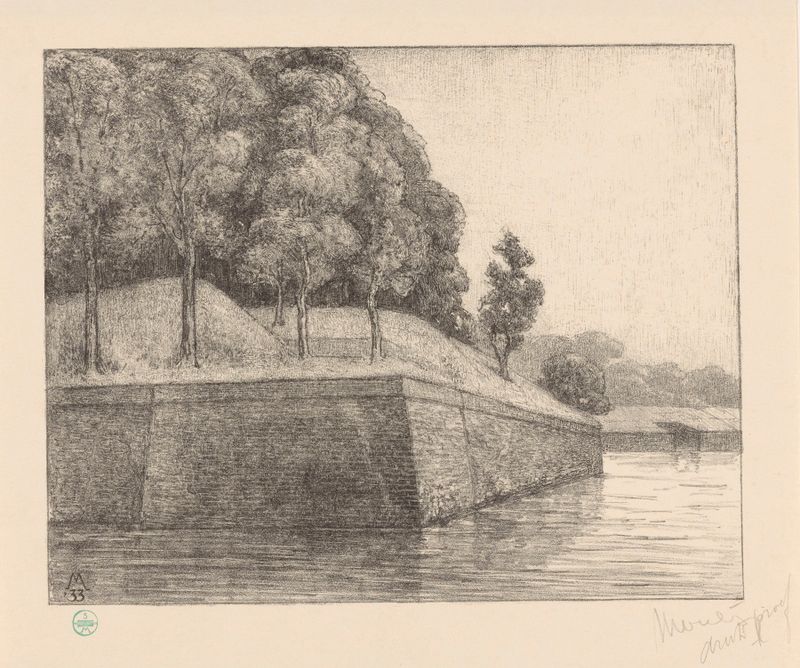
Gezicht op bastion Oud-Molen (westzijde)
Simon Moulijn
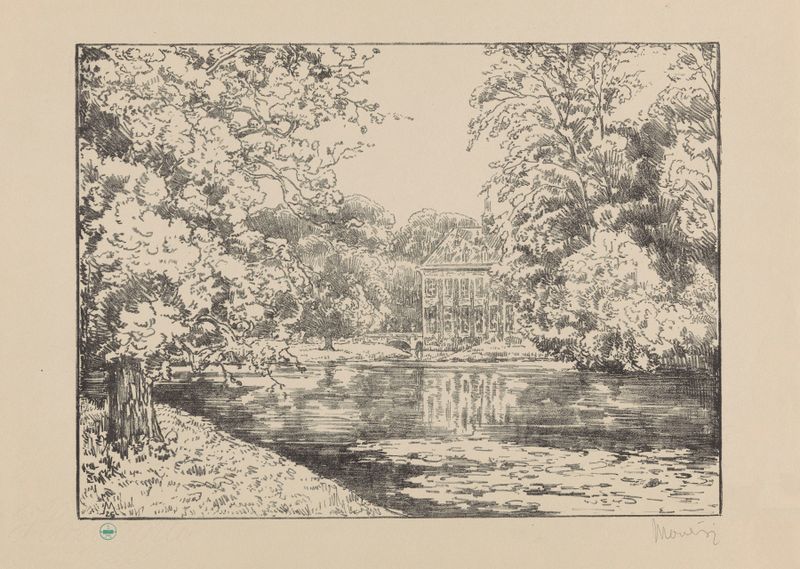
Kasteel Duivenvoorde aan vijver Duivenvoorde II
Simon Moulijn
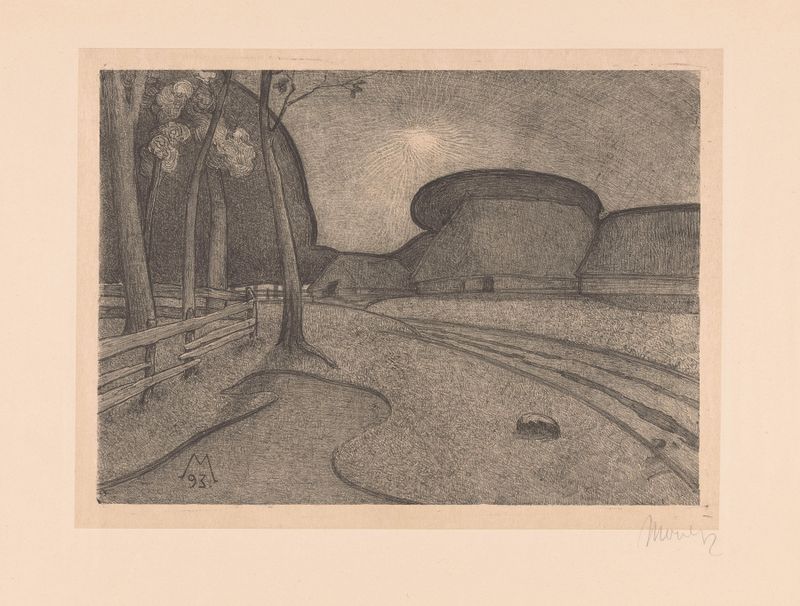
Landschap met boerderij Avond
Simon Moulijn
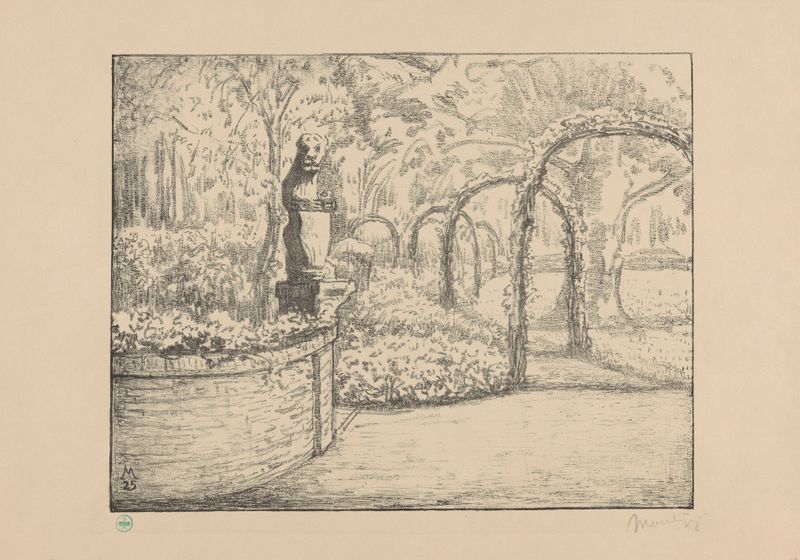
Tuin met rozenbogen op landgoed Zorgvliet Zorgvliet I
Simon Moulijn
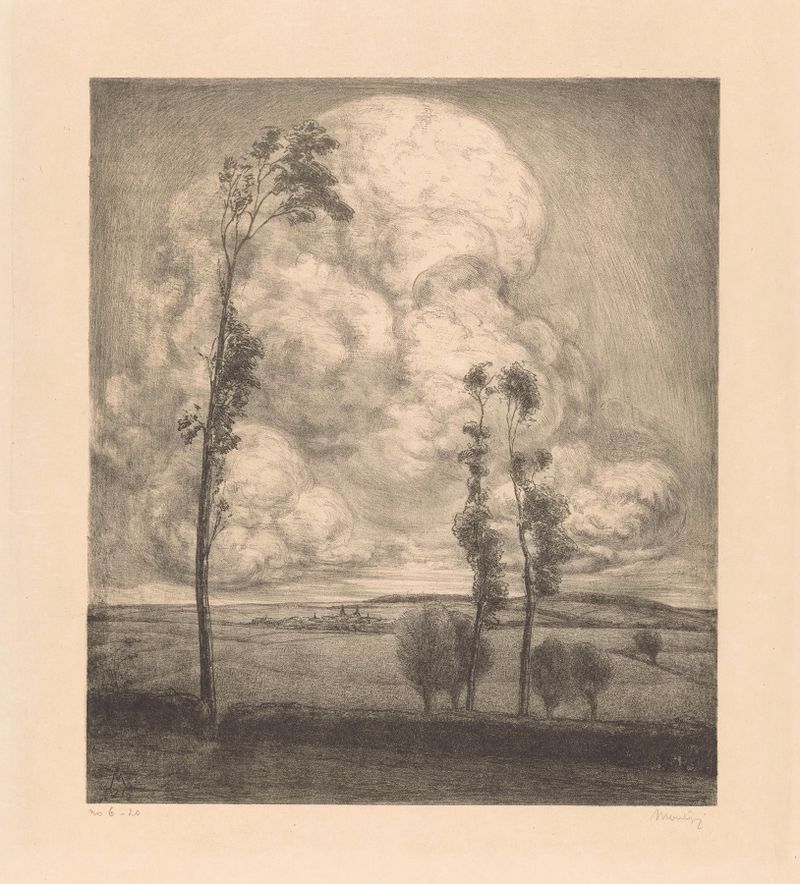
Wolken boven glooiend landschap
Simon Moulijn