
Devil’s Bridge, Cardiganshire — History & Facts
Who listens when art speaks of silence? In the serene embrace of Devil’s Bridge, Cardiganshire, a quiet divinity unfolds, inviting contemplation. Look to the right at the rugged contours of the bridge, its ancient stones weathered yet resolute against the gentle flow of the river below. Notice how the light plays tenderly on the foliage, casting intricate shadows that dance across the surface of the water. The palette is soft, dominated by greens and browns, evoking a sense of harmony between nature and human ingenuity.
The composition draws the eye along the bridge's curve, leading the viewer deeper into a world where time seems suspended. The juxtaposition of strength and fragility is palpable; the sturdy bridge stands against the ephemeral flow of water, a metaphor for human endeavor amidst the relentless passage of nature. The distant mist adds an ethereal quality, suggesting a boundary between the earthly and the sublime. Each stroke is deliberate, revealing a relationship with the landscape that transcends mere representation, hinting at an unspoken dialogue between humanity and the divine. John Sell Cotman painted this work in 1838 while living in England, during a period marked by a growing appreciation for the natural world and its depiction in art.
The Romantic movement was flourishing, and artists were increasingly drawn to the interplay of light, atmosphere, and emotional resonance in their landscapes. Cotman, a prominent watercolourist, sought to capture not only the visual aspects of his subjects but their spiritual essence, reflecting the cultural shifts of his time.
More Artworks by John Sell Cotman
Browse all →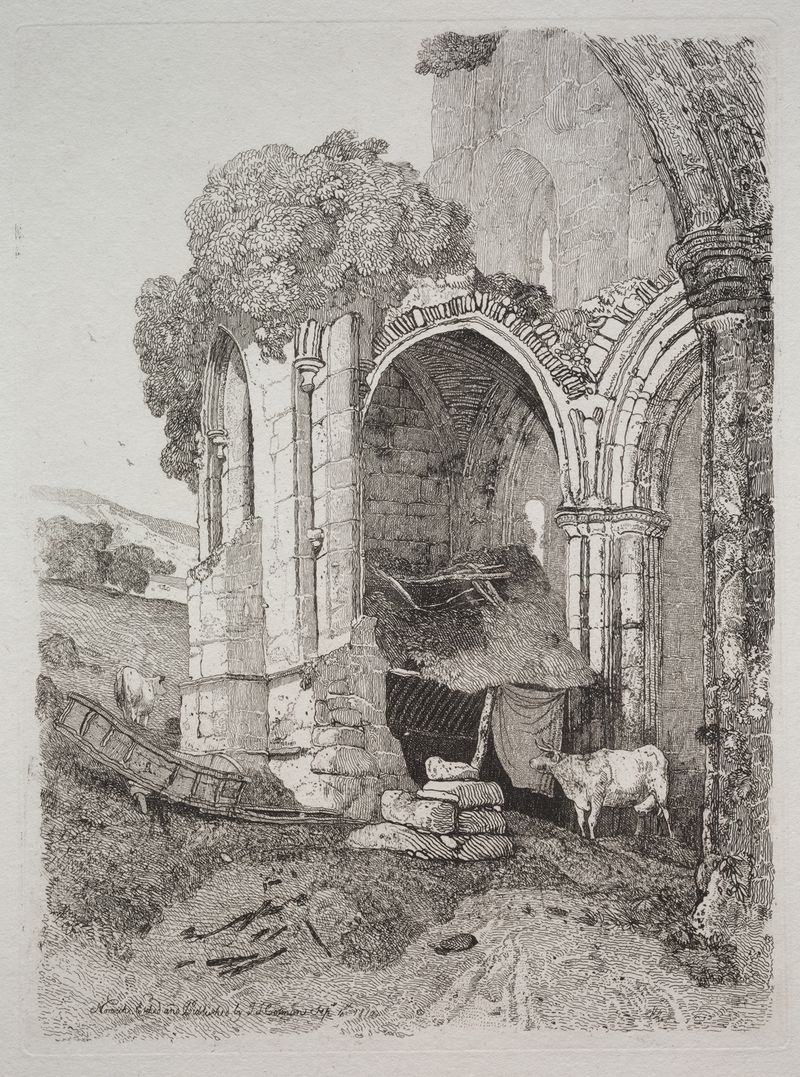
Rievaulx Abbey, Yorkshire
John Sell Cotman
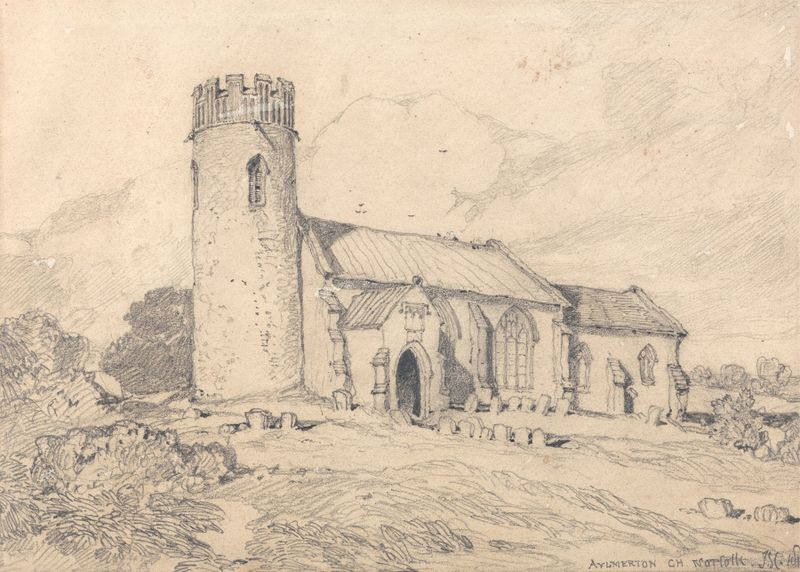
Aylmerton Church; Norfolk, from the South-West
John Sell Cotman
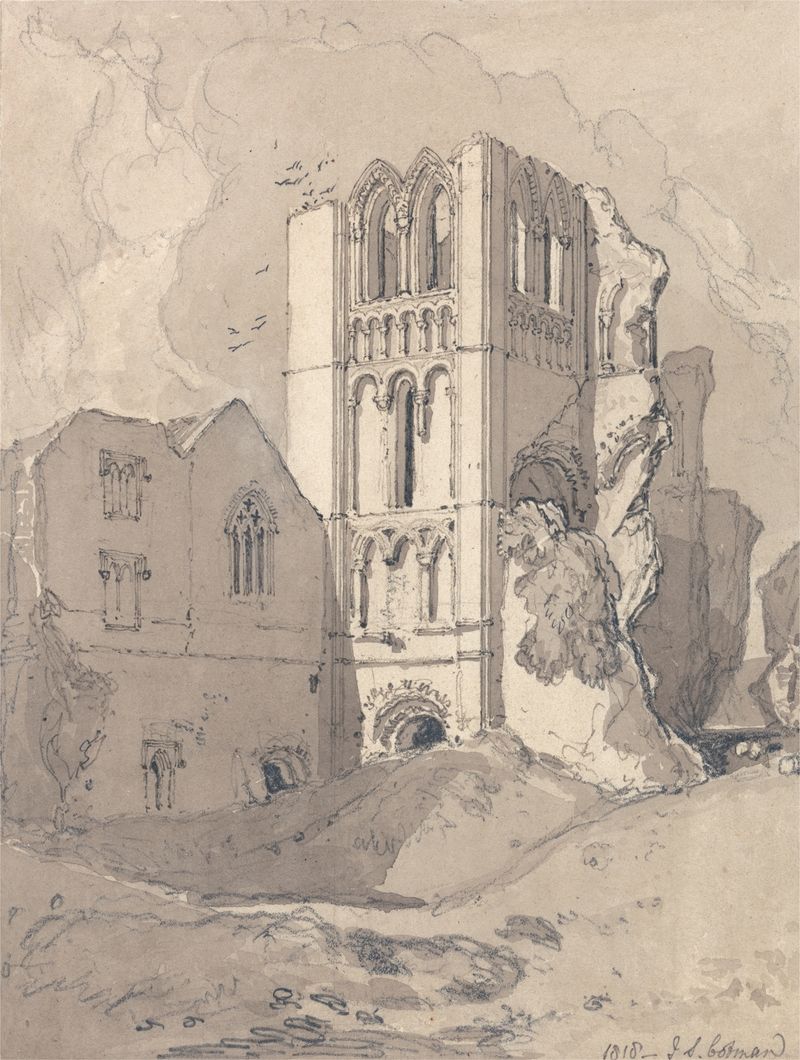
Castle Acre Priory, Norfolk
John Sell Cotman
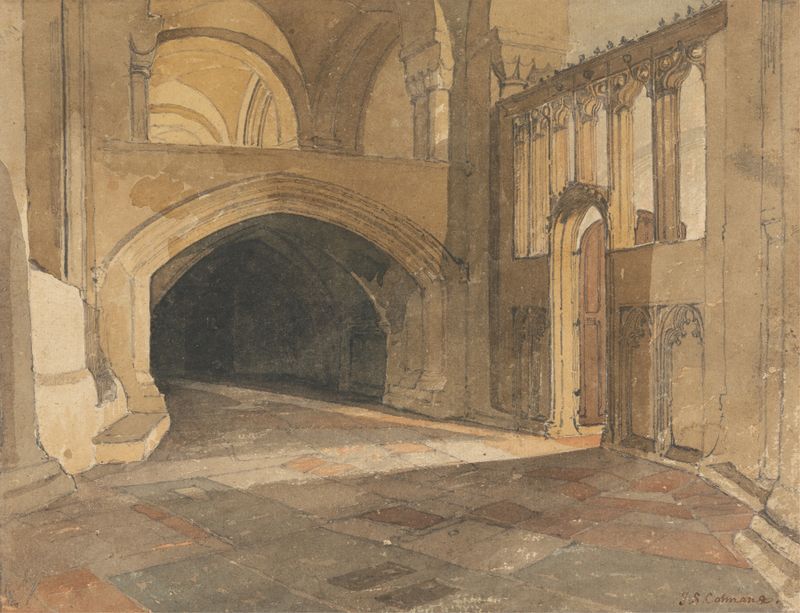
Norwich Cathedral; Entrance to Jesus Chapel
John Sell Cotman
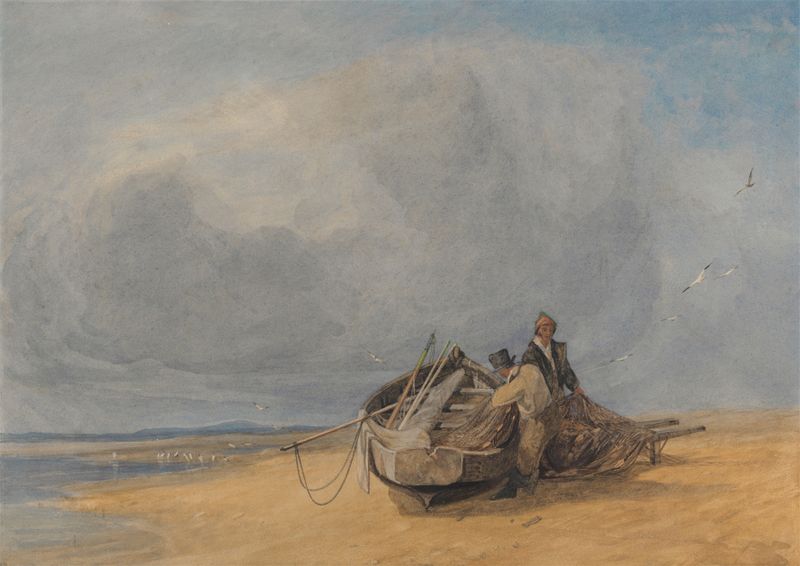
Yarmouth Sands, Norfolk
John Sell Cotman
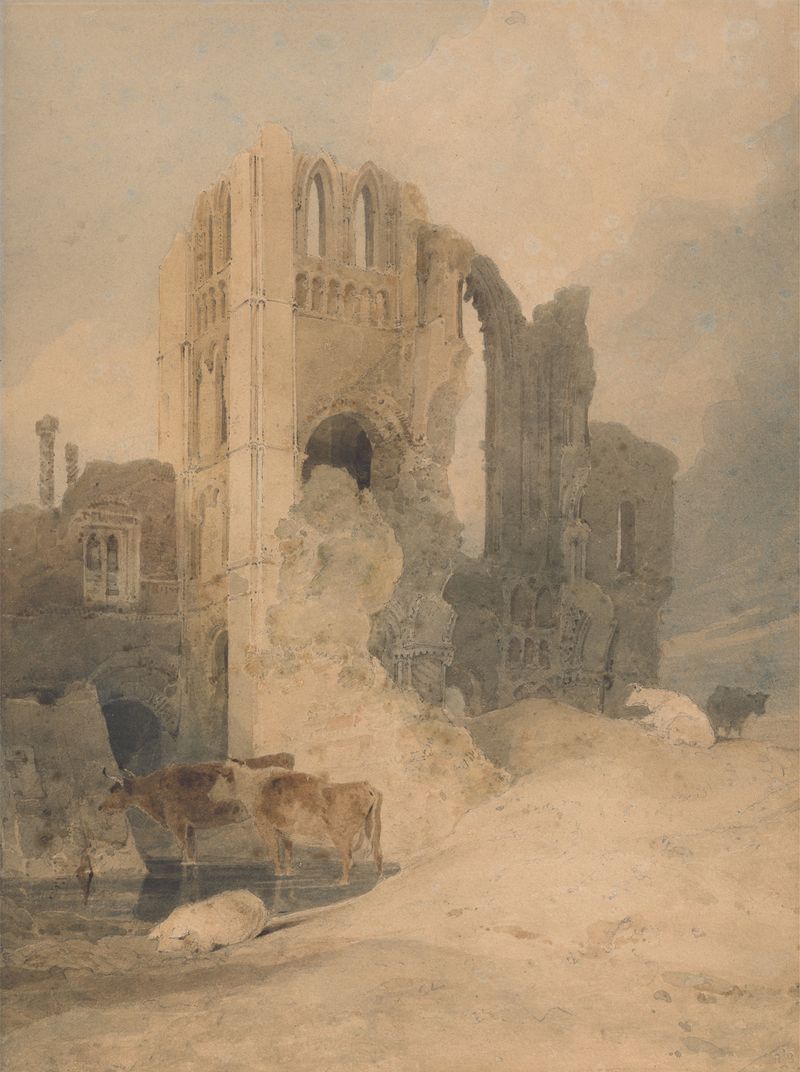
Castle Acre Priory, Norfolk
John Sell Cotman
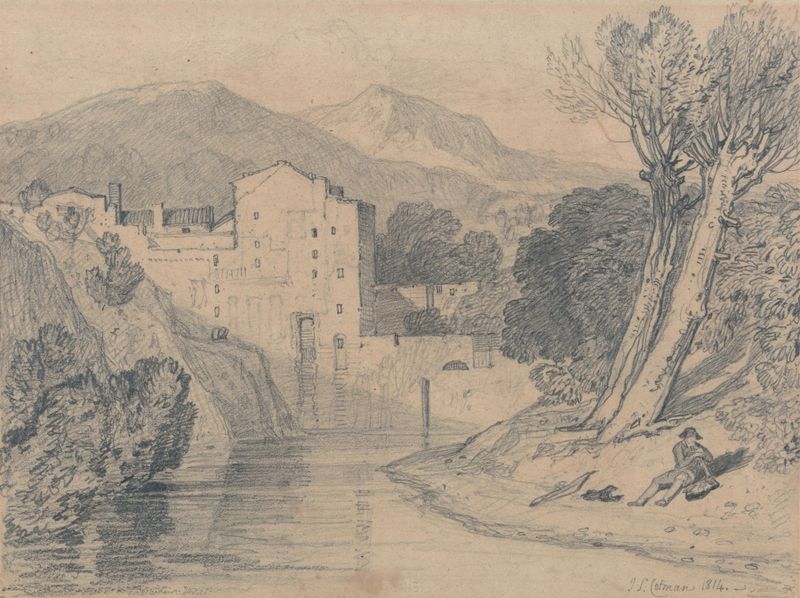
Near Whitby, Yorkshire
John Sell Cotman
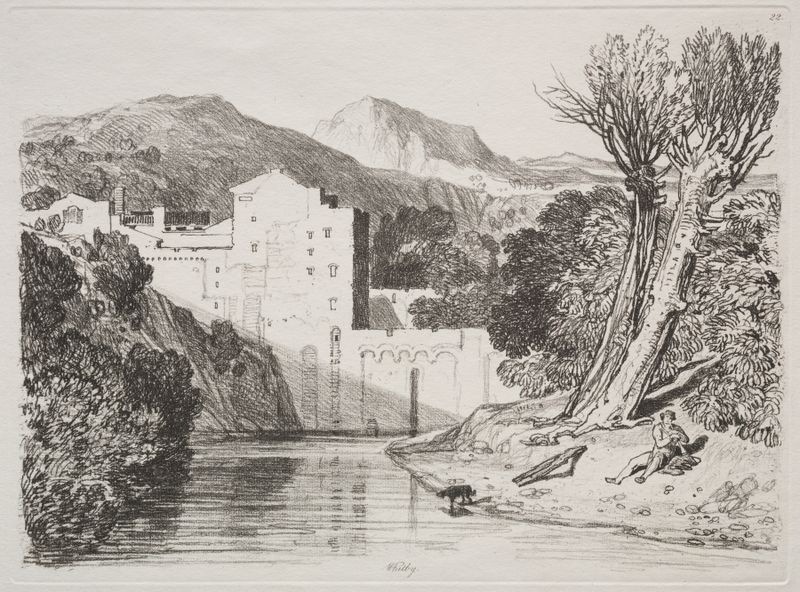
Whitby
John Sell Cotman
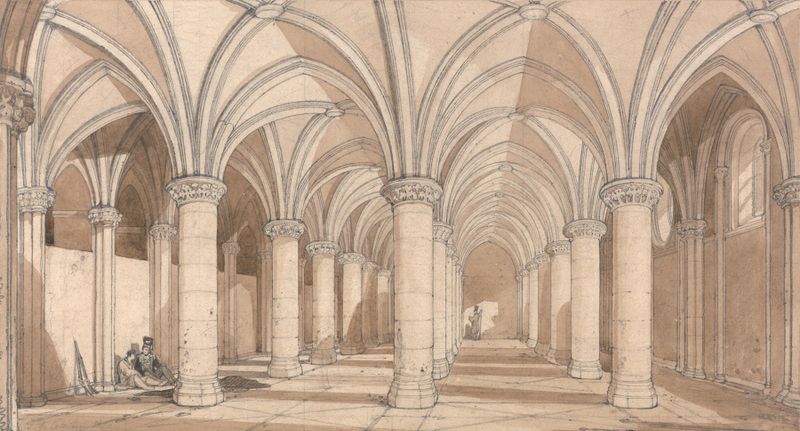
The Barons’ Hall, Mont Saint Michel
John Sell Cotman
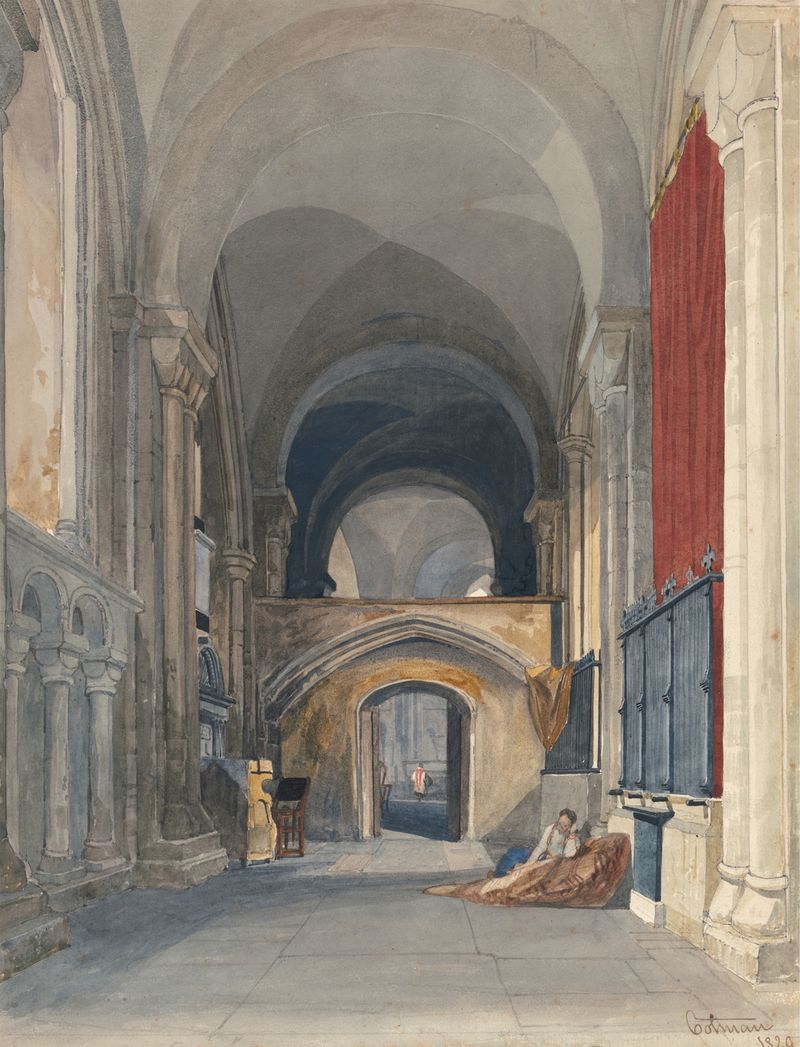
Norwich Cathedral; Interior of the North Aisle of the Choir, Looking East
John Sell Cotman





