
Dégagement de la colonnade du Louvre vers 1770. — History & Facts
What if beauty was never meant to be finished? In the delicate brushstrokes of Dégagement de la colonnade du Louvre, a moment frozen in time invites us to ponder the transient nature of artistry and architecture. The painting whispers of history, capturing a glimpse into a world where elegance and fragility intertwine, reminding us that every creation bears the weight of both grandeur and impermanence. Look to the left, where the towering columns of the Louvre emerge, their classical forms bathed in soft hues of cream and gold. The careful interplay of light and shadow creates a rhythm that guides the viewer's eye along the colonnade, drawing attention to the intricate details of the stonework.
Darker shades accentuate the depth of the architectural features, while gentle washes of color evoke a sense of nostalgia, as if the scene itself is held together by the fading memories of those who once wandered beneath its grandeur. Yet, amidst the solidity of the columns, a tension unfolds in the interplay of space and figure. The figures positioned beneath the colonnade represent the fragility of human experience against the monumental backdrop of history. Their existence seems ephemeral, contrasting beautifully with the enduring stones that surround them, suggesting a fleeting moment amidst the passage of time.
This juxtaposition speaks to the viewer on a profound level, making one contemplate the eternal versus the ephemeral in both art and life. Created at a time when the artist was deeply engaged in the French neoclassical movement, this piece emerged in the late 18th century, a period marked by both political upheaval and a revived interest in classical beauty. While the precise date of its creation remains elusive, it reflects Chauvet's ambition to blend realism with an appreciation for the architectural elegance of his surroundings, contributing to the rich tapestry of artistic growth in pre-revolutionary France.
More Artworks by Jules-Adolphe Chauvet
Browse all →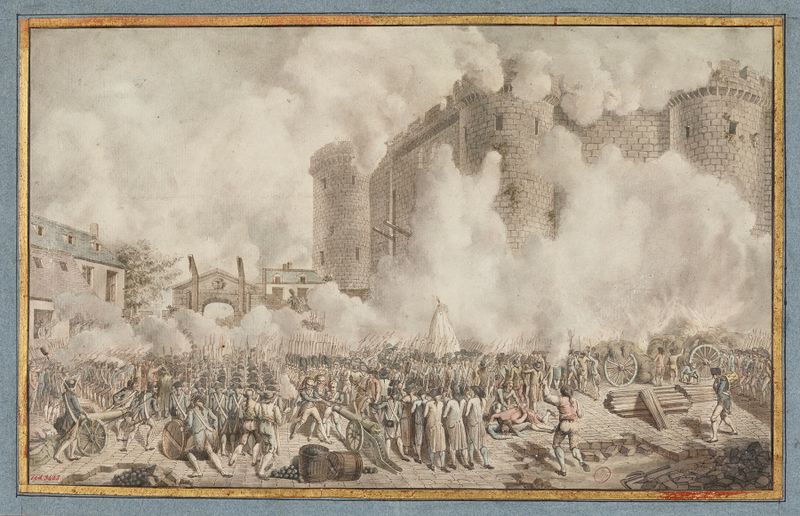
La prise de la Bastille, 14 juillet 1789
Jules-Adolphe Chauvet
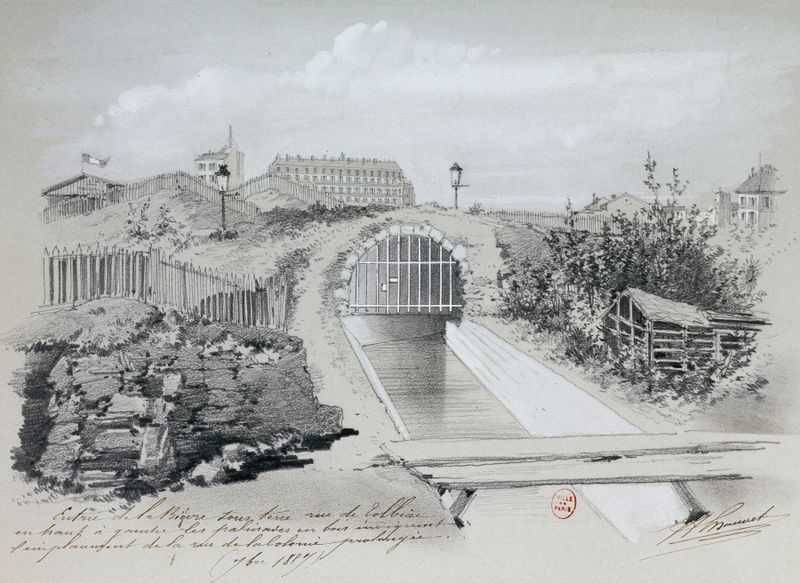
L’entrée de la Bièvre dans Paris rue de Tolbiac, 13ème arrondissement
Jules-Adolphe Chauvet
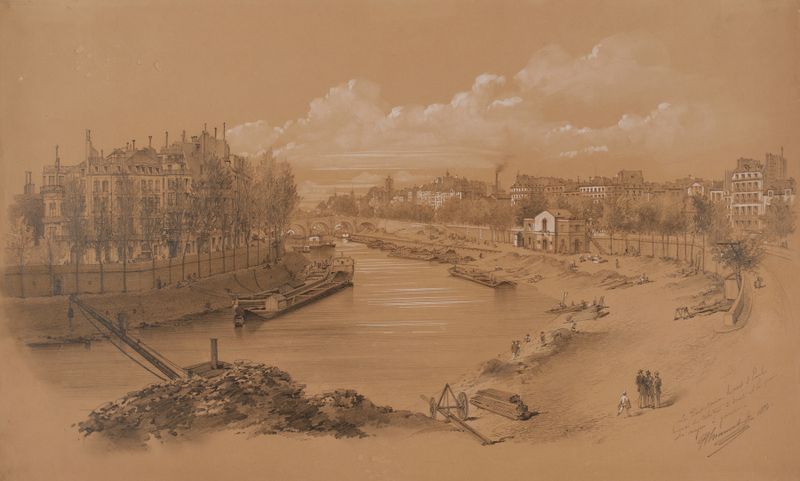
Le port Saint-Paul (absorbé par le port des Célestins en 1905), le Pont-Marie, le quai des Célestins à droite et le quai
Jules-Adolphe Chauvet
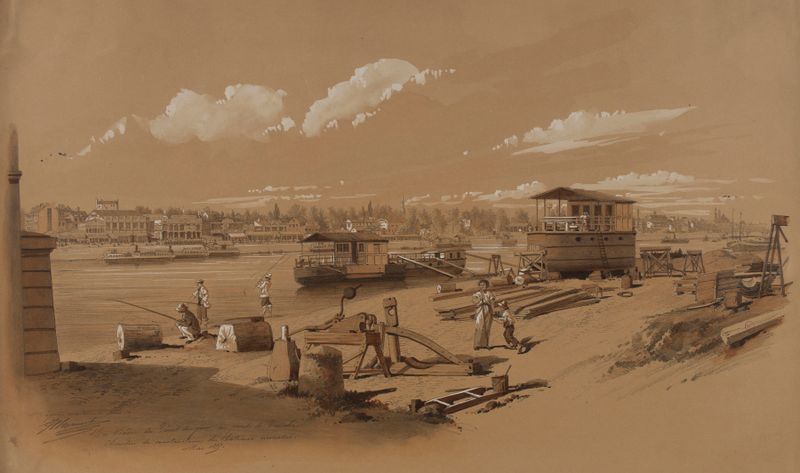
Du Viaduc du Point du jour au pont de Grenelle, chantier de construction des bateaux mouches
Jules-Adolphe Chauvet
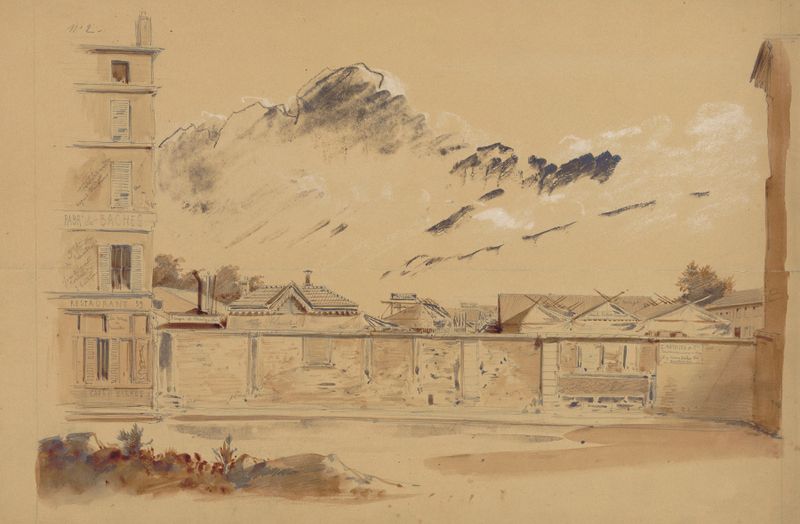
Vieux Bercy, N° 2
Jules-Adolphe Chauvet
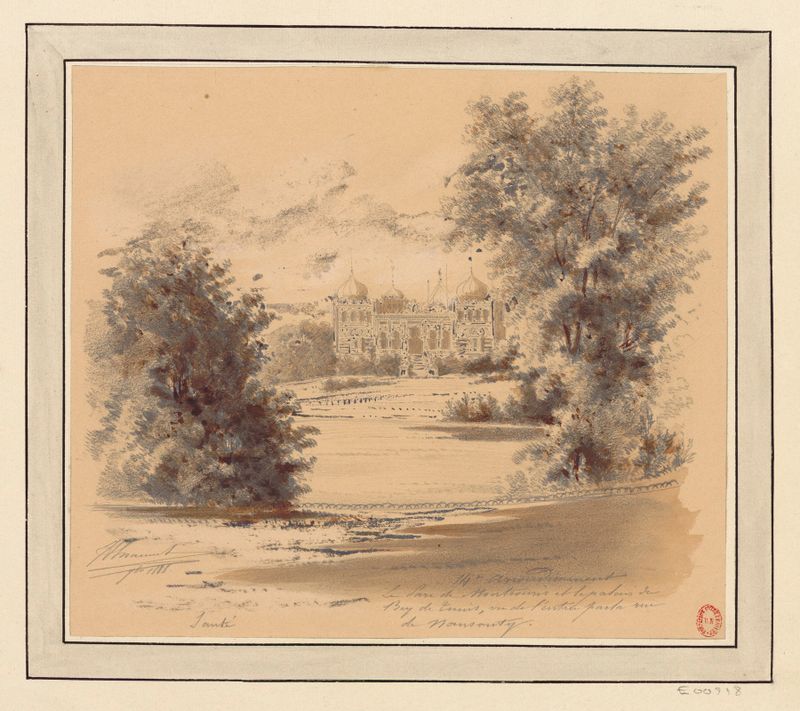
Le Parc de Montsouris et le palais du bey de Tunis, vu de l’entrée par la rue Nansouty
Jules-Adolphe Chauvet
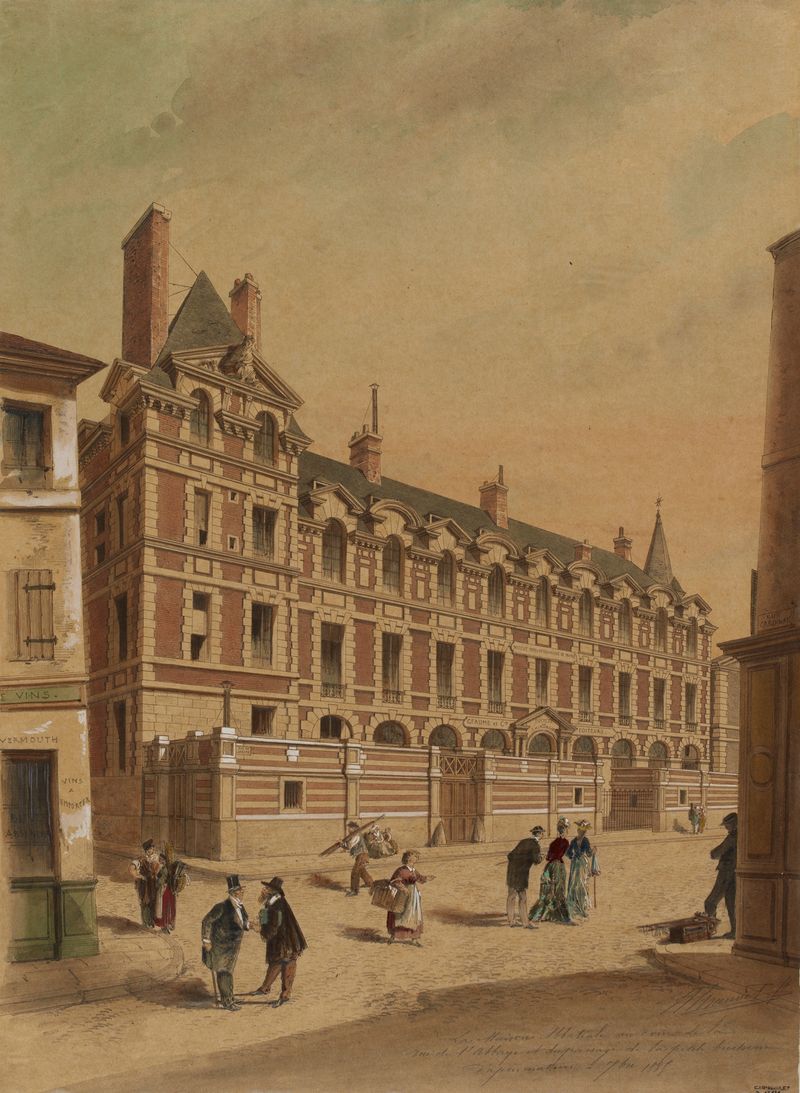
Maison Abbatiale à l’angle de la rue de l’Abbaye, de la rue Cardinale et du passage de la Petite-Boucherie, 6ème arrondi
Jules-Adolphe Chauvet
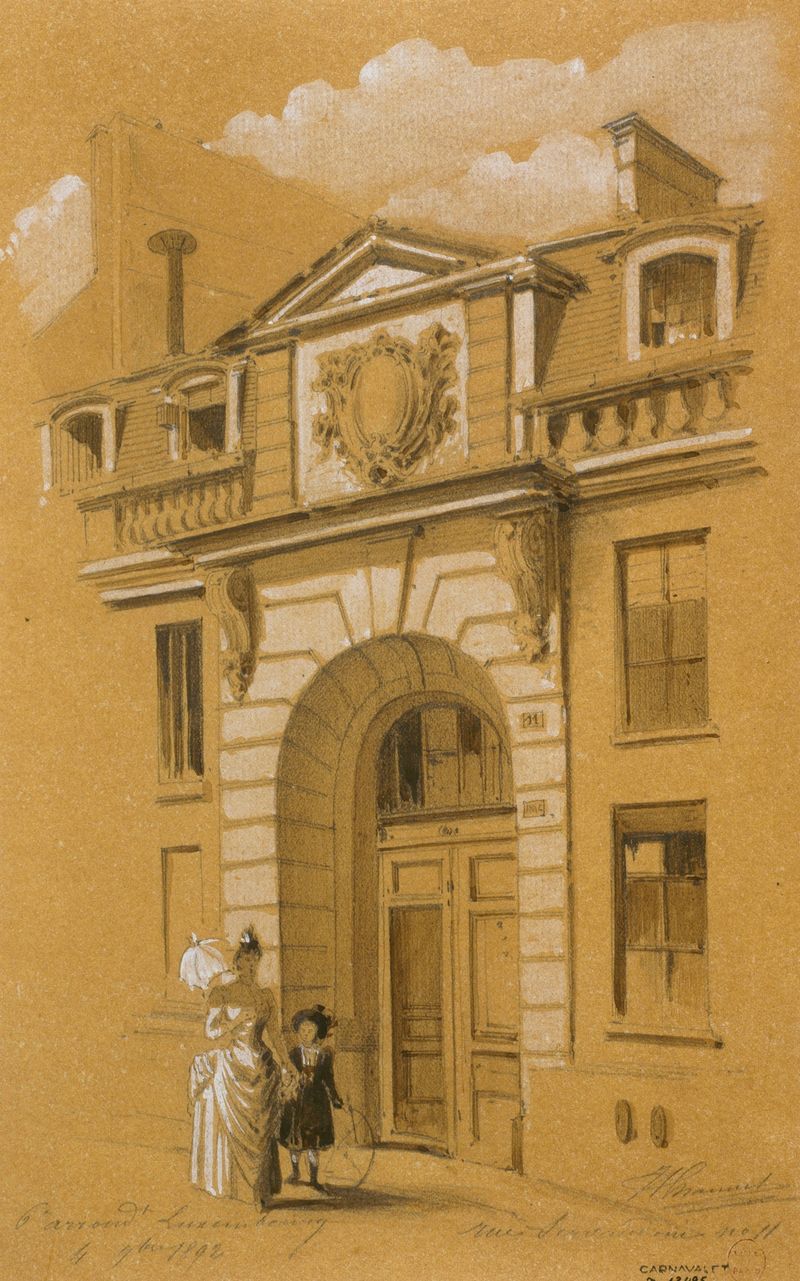
Porte d’entrée du 11 rue Servandoni, 6ème arrondissement
Jules-Adolphe Chauvet
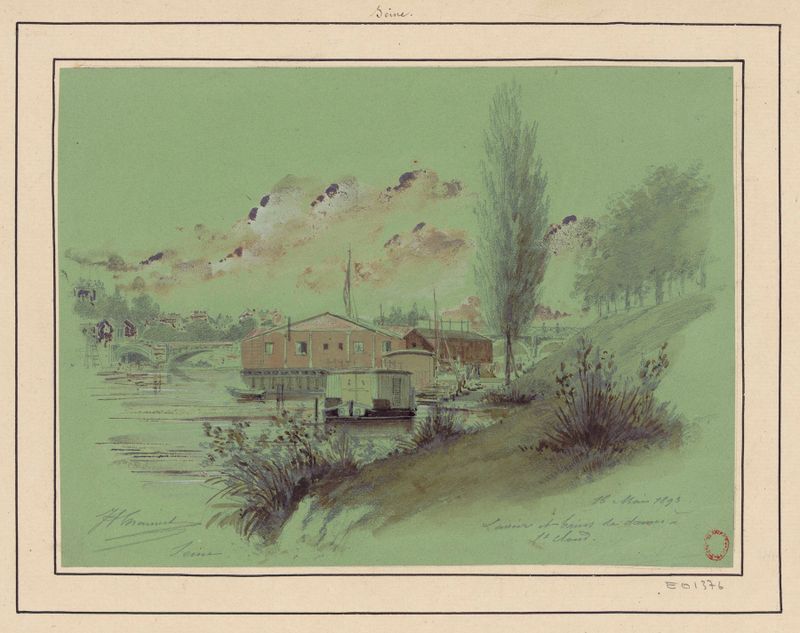
Lavoir et bains de dames à St Cloud – (Département de la) Seine
Jules-Adolphe Chauvet
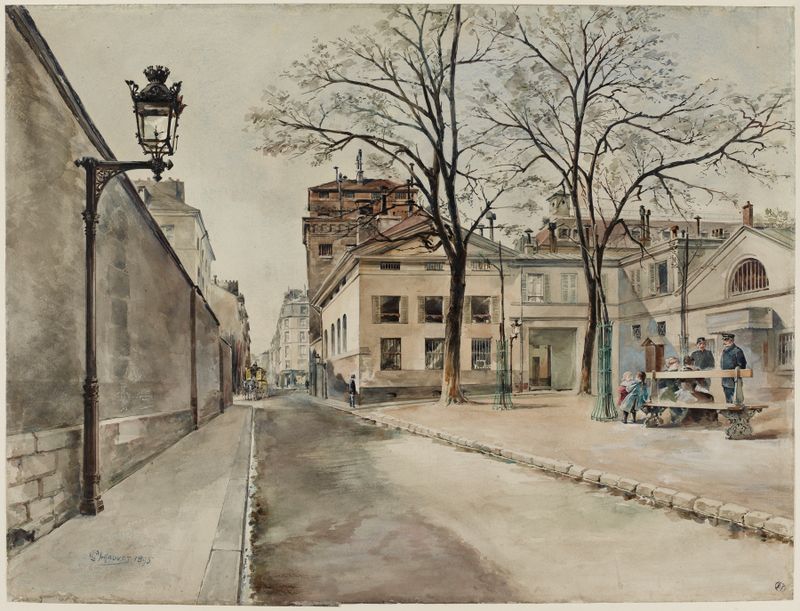
Prison Sainte-Pélagie rue de la Clef en 1895, 5ème arrondissement
Jules-Adolphe Chauvet
More Architecture Art
Browse all →
The statue of Liberty
Frédéric Auguste Bartholdi

View of Houses in Delft, Known as ‘The Little Street’
Johannes Vermeer

View of Houses in Delft, Known as ‘The Little Street’
Johannes Vermeer

The Cathedral in Rouen. The portal, Grey Weather
Claude Monet

The yellow house
Vincent van Gogh

The Church in Auvers-sur-Oise, View from the Chevet
Vincent van Gogh