
Maison Abbatiale à l’angle de la rue de l’Abbaye, de la rue Cardinale et du passage de la Petite-Boucherie, 6ème arrondi — History & Facts
This sentiment echoes profoundly in the tranquil streets of Paris, where shadows conceal whispered heartbreak and bygone betrayals linger in the air. Each corner of the city holds stories—some beautiful, some haunting. Look to the left in Maison Abbatiale à l’angle de la rue de l’Abbaye, de la rue Cardinale et du passage de la Petite-Boucherie and take in the detailed architecture, its elegant lines framed against the soft, muted hues of twilight. Notice how the buildings rise majestically, their facades bathed in the gentle glow of the setting sun, while the path below curls away into shadows.
The artist deftly employs light and shadow, contrasting the warmth of the illuminated structures with the cooler tones of the cobblestones, creating a sense of intimacy and isolation simultaneously. Yet, this scene of serene beauty harbors deeper emotions. The intersection of streets carries a weight of stories untold, possibly hinting at the betrayals that might have transpired within those walls, the lives entangled in the fabric of the city. The delicate balance between light and dark invites reflection on the duality of experiences—how the splendor of Paris can mask the complexities of human relationships, and the fleeting nature of what we perceive as beauty. In 1885, when this piece was created, Chauvet was deeply immersed in the Parisian art scene, capturing the essence of a city transitioning into modernity.
France was experiencing a cultural renaissance, yet beneath this vibrant surface lay the scars of social upheaval. Chauvet’s work reflects not only the architectural beauty of Paris but also the emotional landscapes that define human experience, marking a poignant moment in his artistic journey.
More Artworks by Jules-Adolphe Chauvet
Browse all →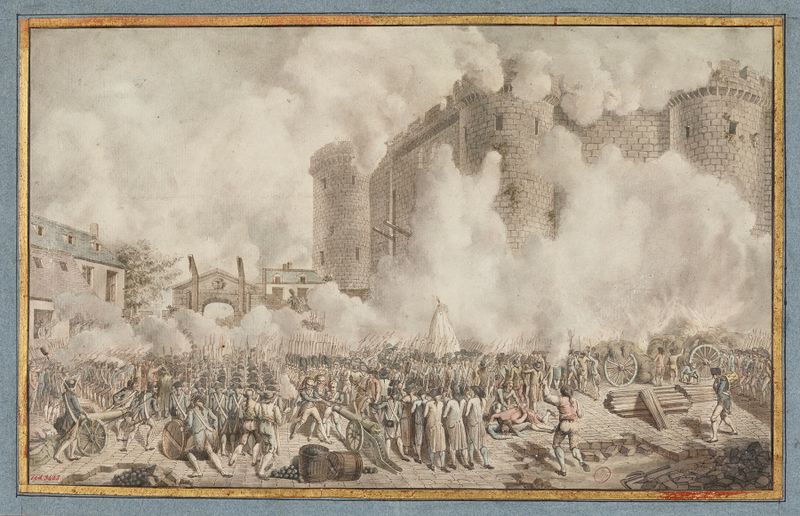
La prise de la Bastille, 14 juillet 1789
Jules-Adolphe Chauvet
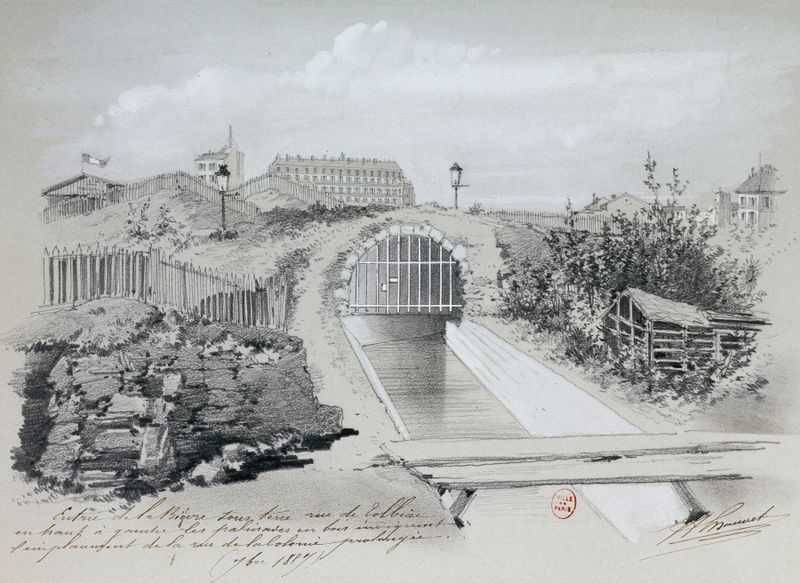
L’entrée de la Bièvre dans Paris rue de Tolbiac, 13ème arrondissement
Jules-Adolphe Chauvet
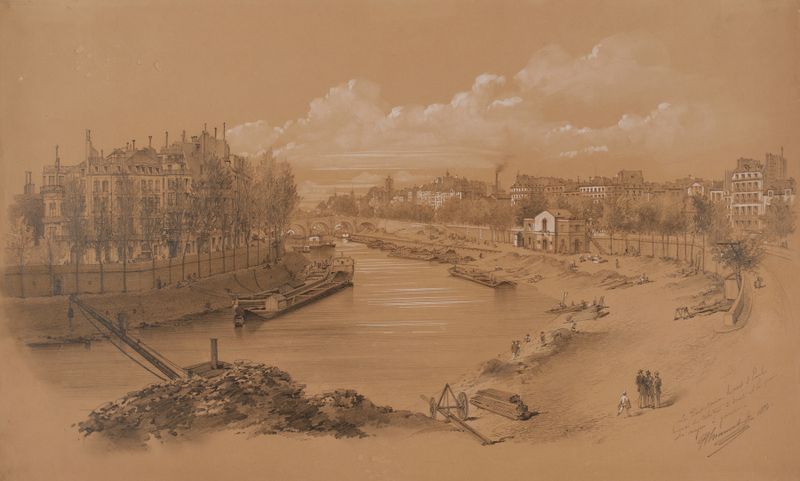
Le port Saint-Paul (absorbé par le port des Célestins en 1905), le Pont-Marie, le quai des Célestins à droite et le quai
Jules-Adolphe Chauvet
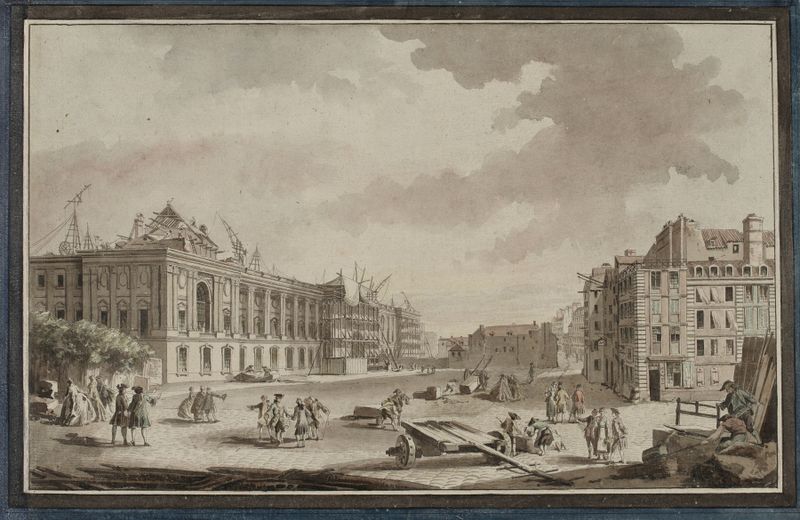
Dégagement de la colonnade du Louvre vers 1770.
Jules-Adolphe Chauvet
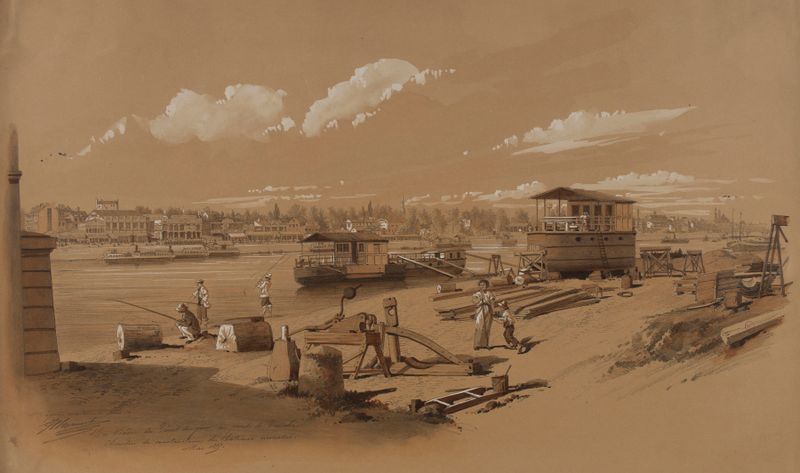
Du Viaduc du Point du jour au pont de Grenelle, chantier de construction des bateaux mouches
Jules-Adolphe Chauvet
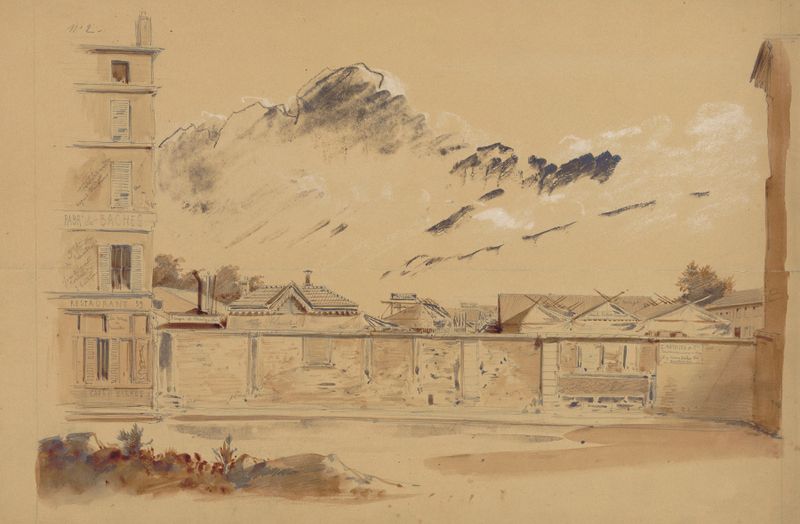
Vieux Bercy, N° 2
Jules-Adolphe Chauvet
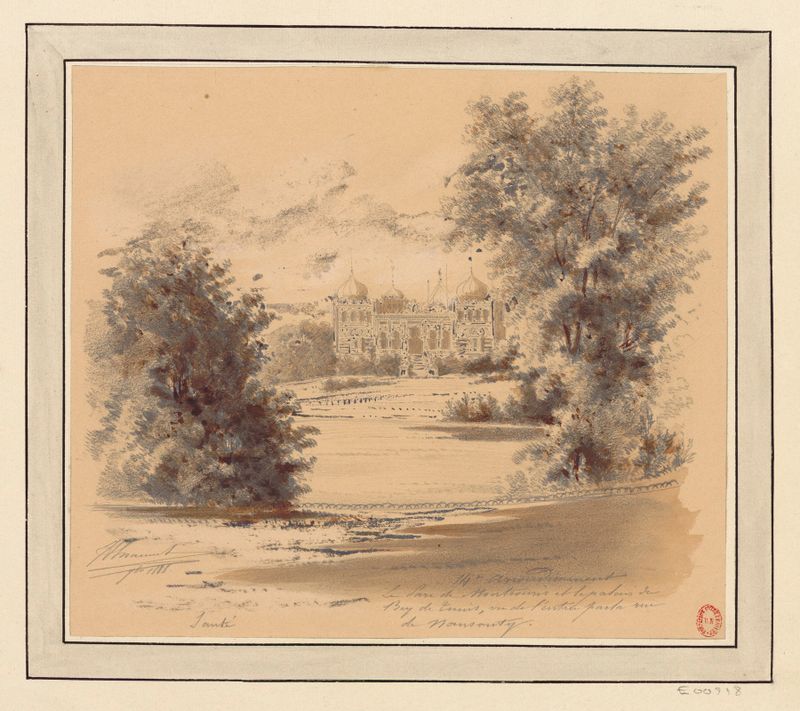
Le Parc de Montsouris et le palais du bey de Tunis, vu de l’entrée par la rue Nansouty
Jules-Adolphe Chauvet
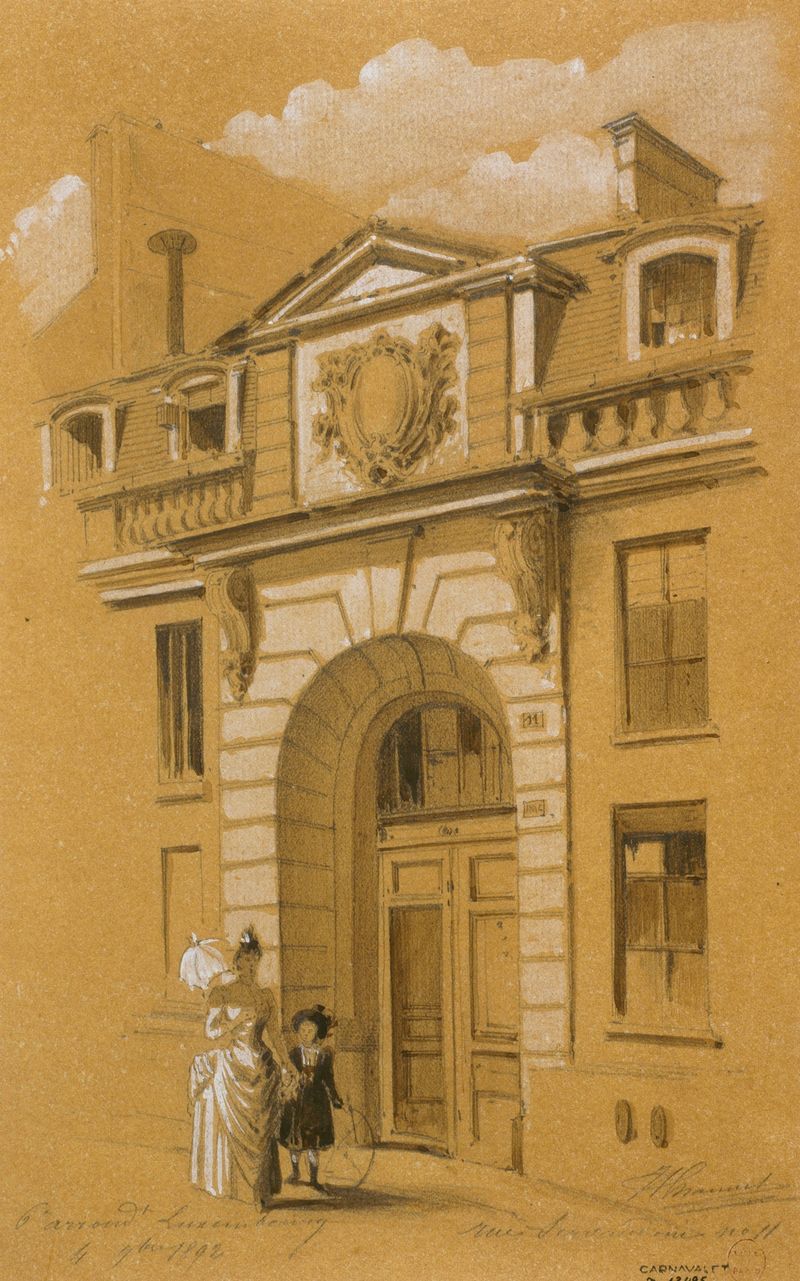
Porte d’entrée du 11 rue Servandoni, 6ème arrondissement
Jules-Adolphe Chauvet
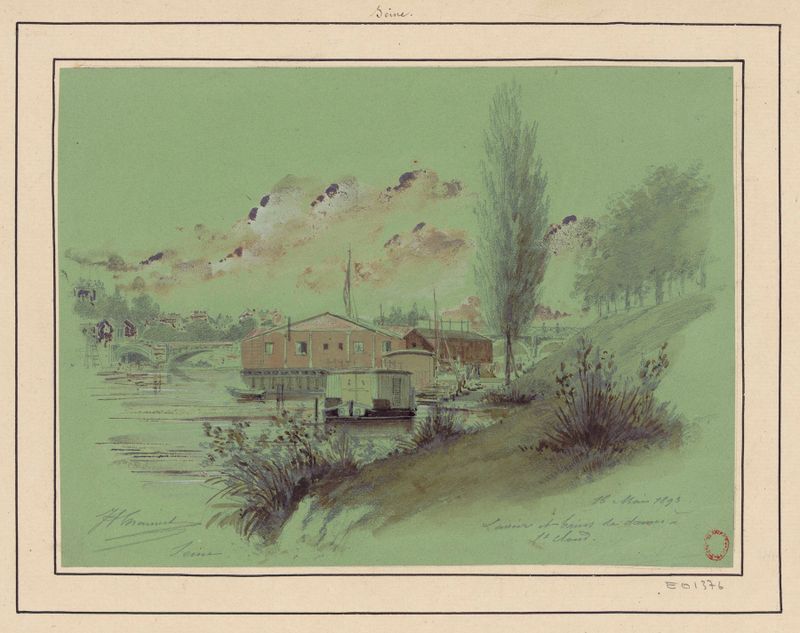
Lavoir et bains de dames à St Cloud – (Département de la) Seine
Jules-Adolphe Chauvet
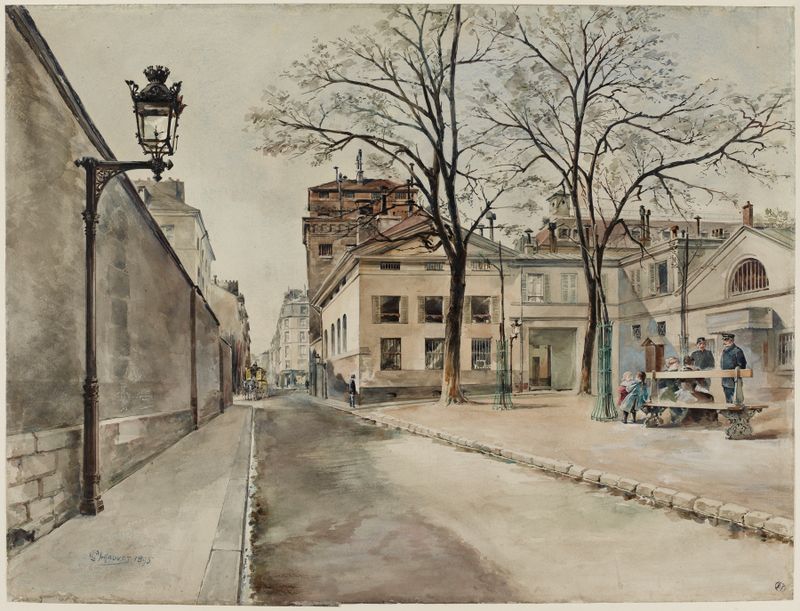
Prison Sainte-Pélagie rue de la Clef en 1895, 5ème arrondissement
Jules-Adolphe Chauvet
More Architecture Art
Browse all →
The statue of Liberty
Frédéric Auguste Bartholdi

View of Houses in Delft, Known as ‘The Little Street’
Johannes Vermeer

View of Houses in Delft, Known as ‘The Little Street’
Johannes Vermeer

The Cathedral in Rouen. The portal, Grey Weather
Claude Monet

The yellow house
Vincent van Gogh

The Church in Auvers-sur-Oise, View from the Chevet
Vincent van Gogh