
Du Viaduc du Point du jour au pont de Grenelle, chantier de construction des bateaux mouches — History & Facts
Can paint confess what words never could? In Du Viaduc du Point du jour au pont de Grenelle, chantier de construction des bateaux mouches, the essence of mortality weaves through the depiction of a bustling construction site, a testament to human endeavor against the inevitable passage of time. Focus on the foreground where laborers toil, their silhouettes starkly outlined by the soft, golden light of the late afternoon sun. The interplay between shadow and illumination reveals the grit and determination on their faces. Notice how the artist employs a muted palette of earthy tones, contrasted with the vibrant colors of the river and sky, creating a sense of harmony amid the laborious chaos.
Each brushstroke captures not just the scene, but the very breath of life within it, inviting you to linger on the laborers’ relentless pursuit of craftsmanship. Beneath the surface of this industrious composition lies a poignant commentary on the cycle of creation and decay. The boats, half-formed and yet to glide upon the waters, symbolize dreams in progress, while the aging structures in the background evoke the inexorable march of time. The tension between the vibrant life of the workers and the hint of impermanence encapsulates the fragile nature of human achievement, echoing the reality that every creation is ultimately bound to fade. Created in 1885, this work reflects Chauvet's engagement with the evolving landscape of Paris and the industrial age.
At this time, he was deeply involved in portraying the urban transformation, capturing the spirit of an era where innovation collided with tradition. The painting mirrors a society on the brink of modernity, grappling with the dualities of growth and loss, and serves as a significant commentary on the human condition.
More Artworks by Jules-Adolphe Chauvet
Browse all →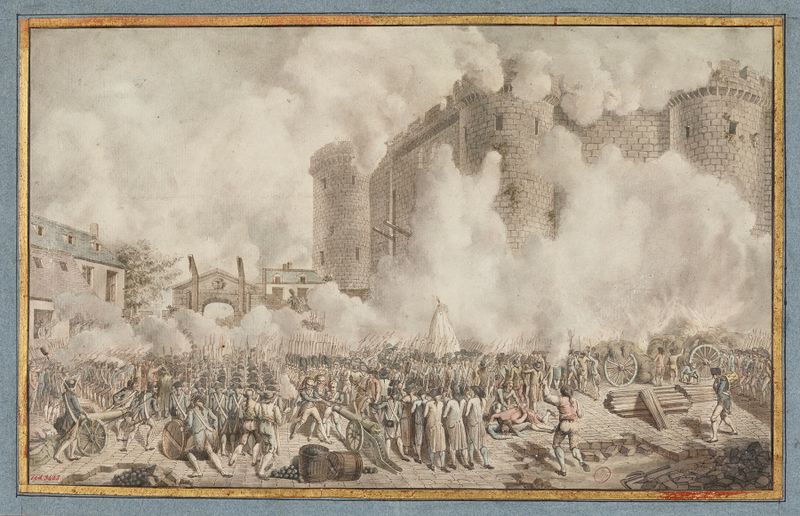
La prise de la Bastille, 14 juillet 1789
Jules-Adolphe Chauvet
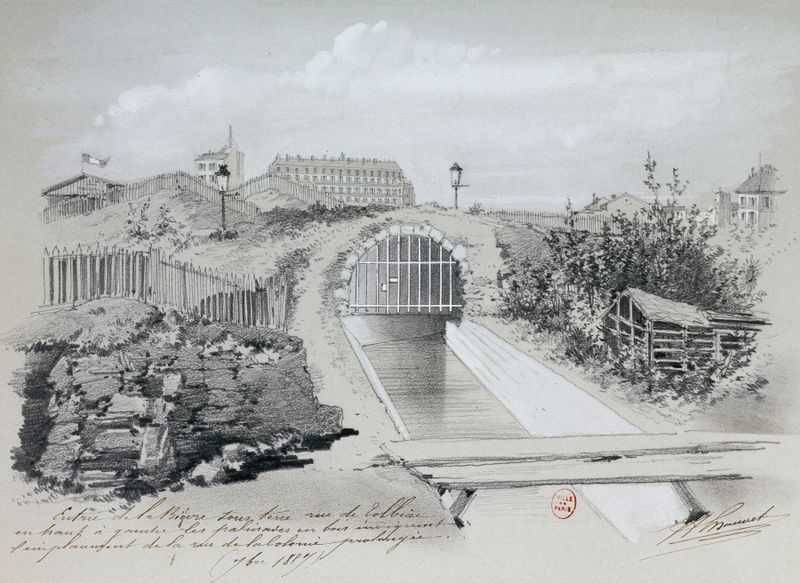
L’entrée de la Bièvre dans Paris rue de Tolbiac, 13ème arrondissement
Jules-Adolphe Chauvet
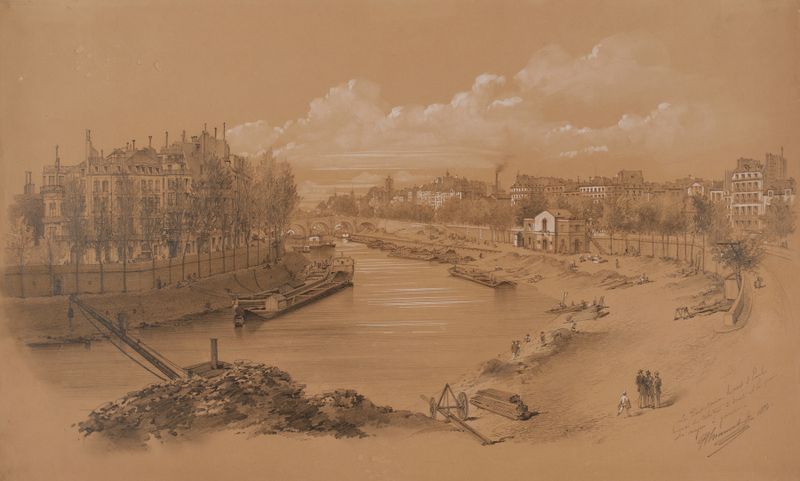
Le port Saint-Paul (absorbé par le port des Célestins en 1905), le Pont-Marie, le quai des Célestins à droite et le quai
Jules-Adolphe Chauvet
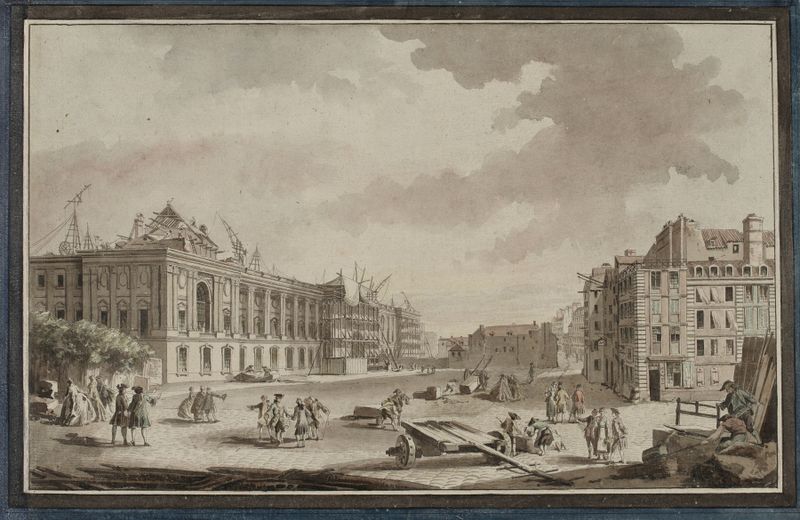
Dégagement de la colonnade du Louvre vers 1770.
Jules-Adolphe Chauvet
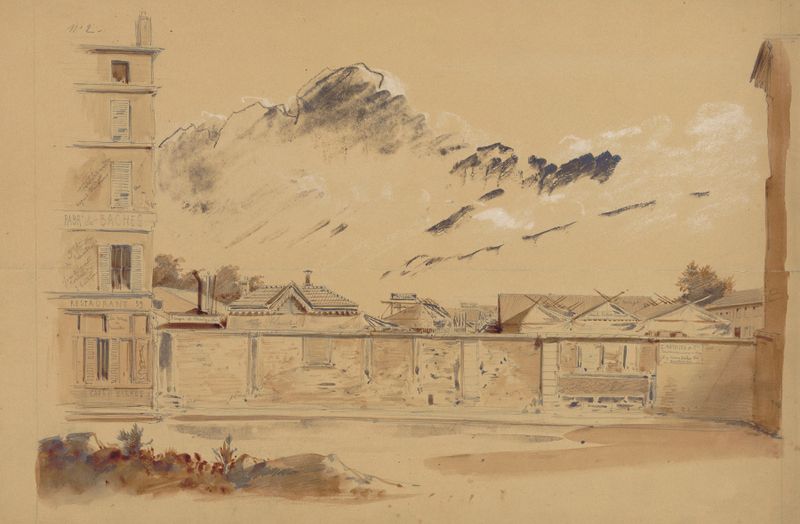
Vieux Bercy, N° 2
Jules-Adolphe Chauvet
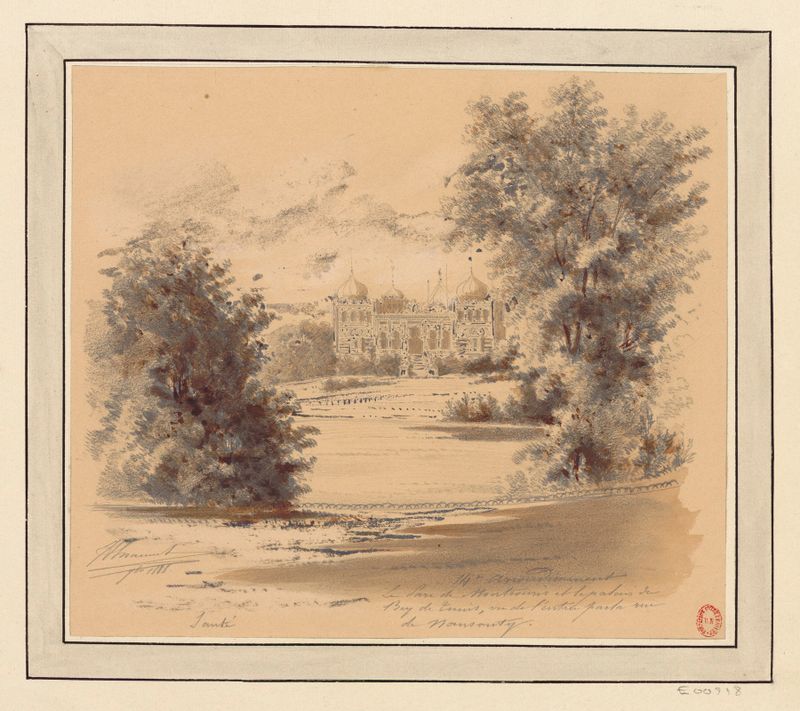
Le Parc de Montsouris et le palais du bey de Tunis, vu de l’entrée par la rue Nansouty
Jules-Adolphe Chauvet
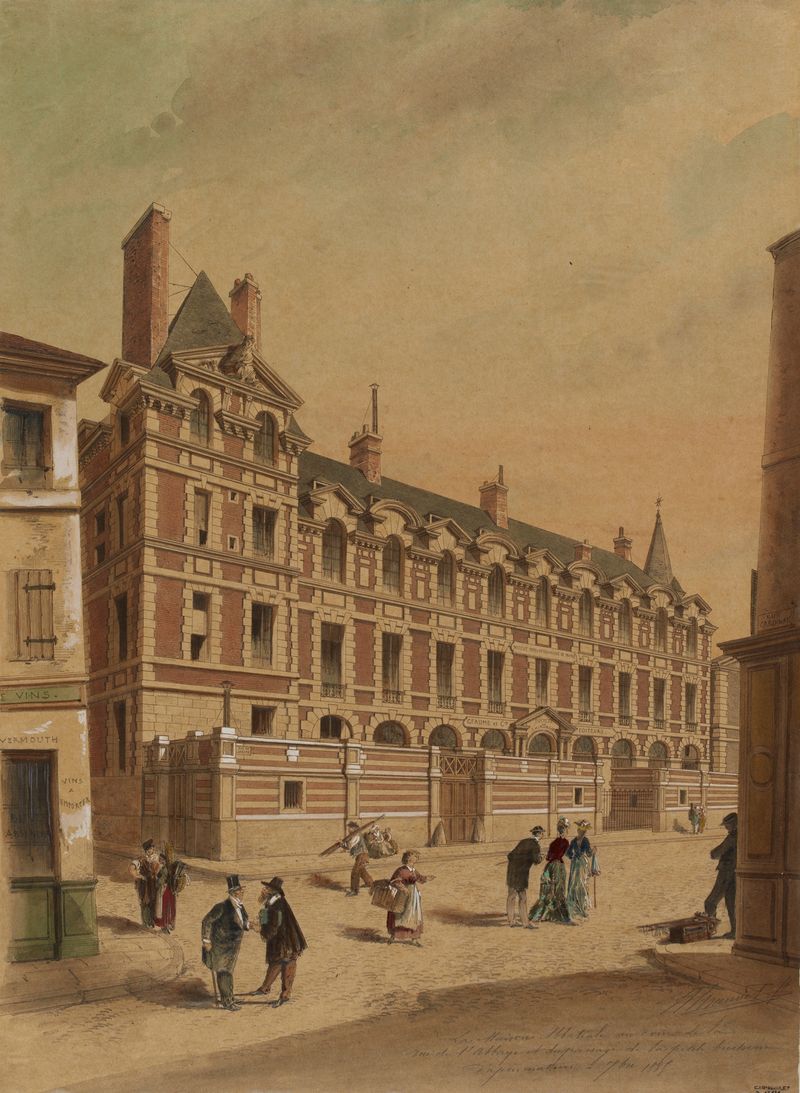
Maison Abbatiale à l’angle de la rue de l’Abbaye, de la rue Cardinale et du passage de la Petite-Boucherie, 6ème arrondi
Jules-Adolphe Chauvet
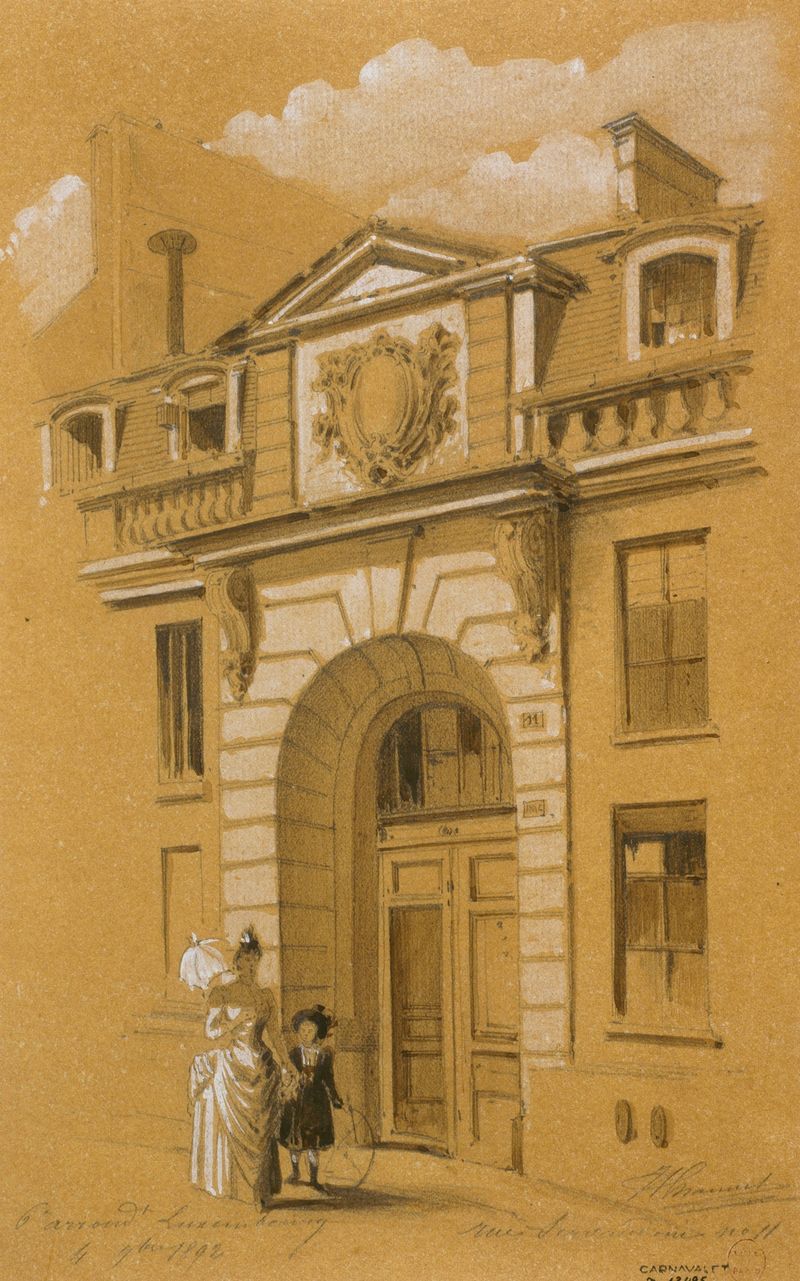
Porte d’entrée du 11 rue Servandoni, 6ème arrondissement
Jules-Adolphe Chauvet
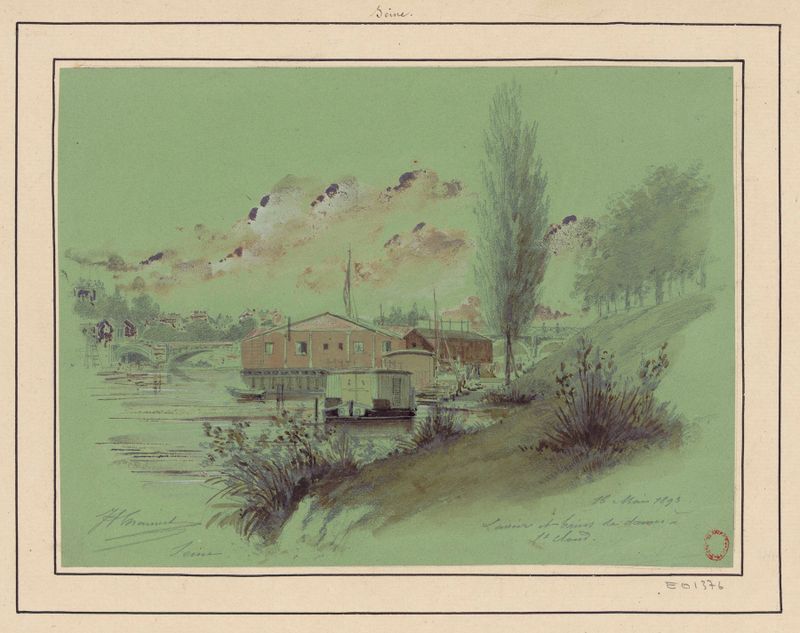
Lavoir et bains de dames à St Cloud – (Département de la) Seine
Jules-Adolphe Chauvet
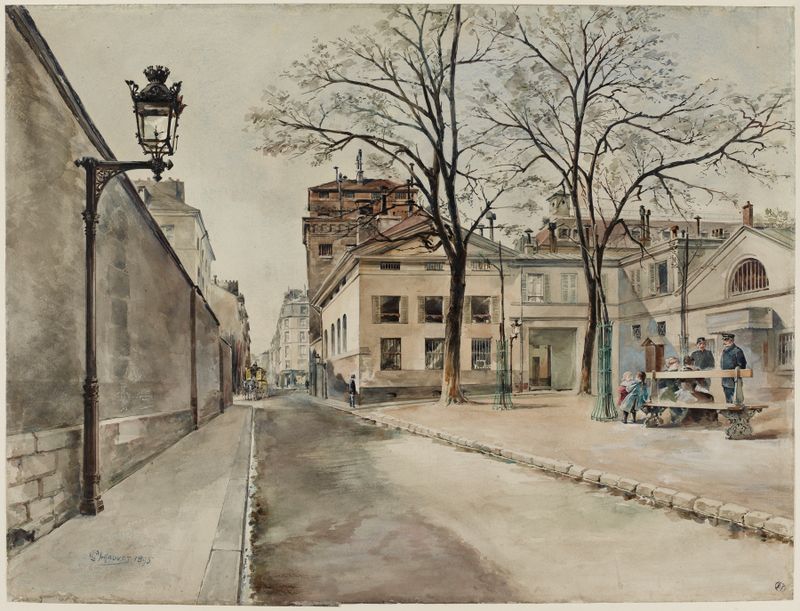
Prison Sainte-Pélagie rue de la Clef en 1895, 5ème arrondissement
Jules-Adolphe Chauvet





