
La prise de la Bastille, 14 juillet 1789 — History & Facts
Where does light end, and longing begin? This question lingers in the silence that follows moments of profound change, echoing through the tumult of revolution captured in art. Focus on the central figure, a man raising his weapon defiantly against the imposing stone fortress of the Bastille. Notice the coursing energy of the crowd, their faces a blend of determination and fear, each one a universe of silent rebellion. The palette—grays and ochers—evokes the oppressive atmosphere of the regime, while the sunlight breaks through the heavy clouds, illuminating the man’s figure, a beacon of hope amidst chaos. Delve deeper into the contrasts at play: the vastness of the fortress looming over the crowd suggests the weight of tyranny, while the light surrounding the central figure signifies the dawning of freedom.
The juxtaposition of dark shadows and bright highlights encapsulates the tension of the moment—while the air is filled with cries and action, there is an undercurrent of quiet resolve that propels the painting forward. Each individual in the mass is both a part of the collective spirit and a solitary embodiment of yearning. Jules-Adolphe Chauvet created this work during a period of intense social upheaval in France, likely in the late 19th century, when historical events inspired artists to reflect on themes of liberty and justice. The Bastille, stormed on July 14, 1789, became a symbol of the struggle against oppression, and the painting serves as a historical narrative that resonates with the artists' contemporaneous search for meaning in a rapidly changing world.
More Artworks by Jules-Adolphe Chauvet
Browse all →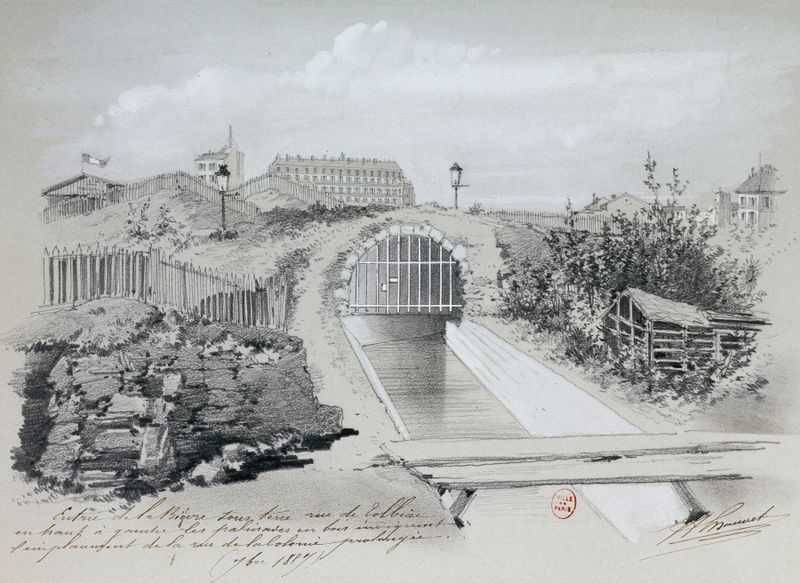
L’entrée de la Bièvre dans Paris rue de Tolbiac, 13ème arrondissement
Jules-Adolphe Chauvet
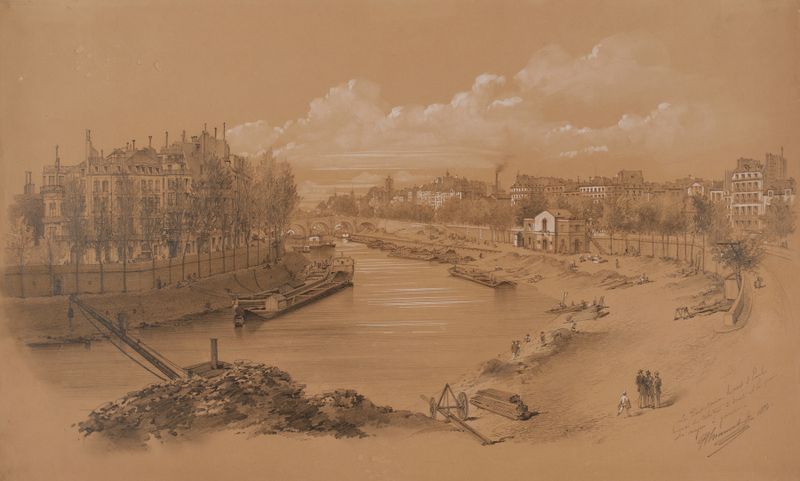
Le port Saint-Paul (absorbé par le port des Célestins en 1905), le Pont-Marie, le quai des Célestins à droite et le quai
Jules-Adolphe Chauvet
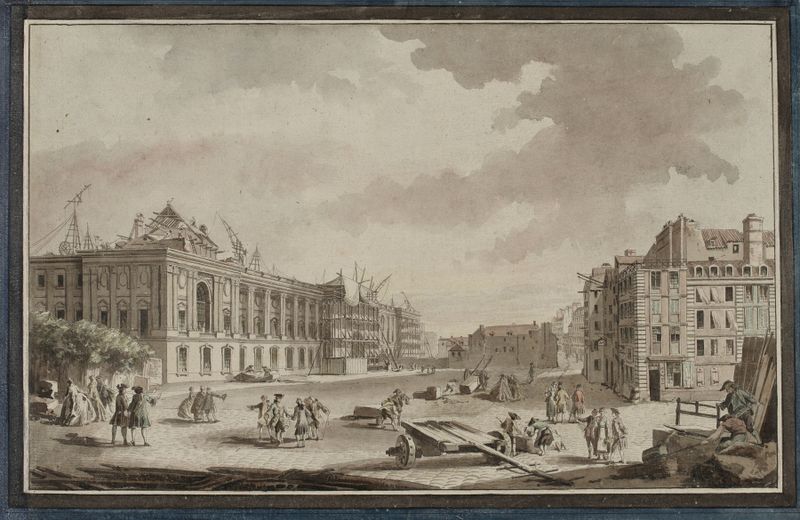
Dégagement de la colonnade du Louvre vers 1770.
Jules-Adolphe Chauvet
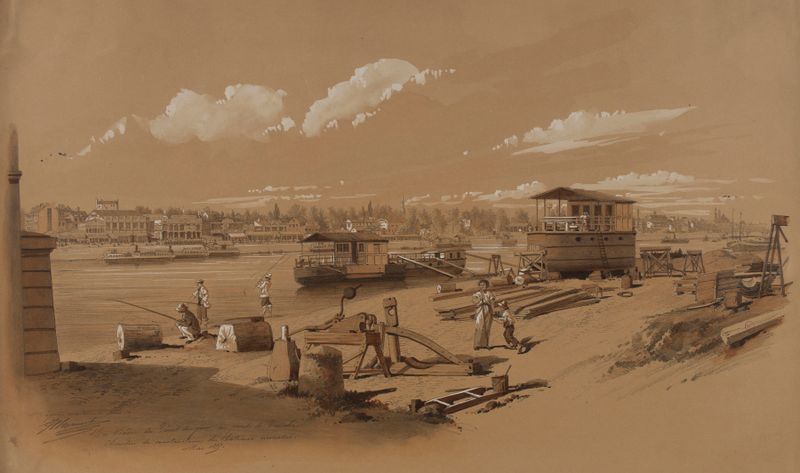
Du Viaduc du Point du jour au pont de Grenelle, chantier de construction des bateaux mouches
Jules-Adolphe Chauvet
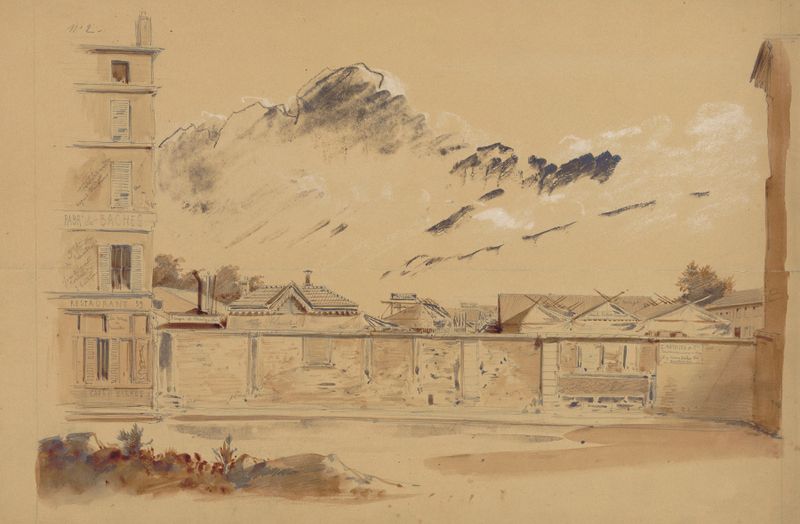
Vieux Bercy, N° 2
Jules-Adolphe Chauvet
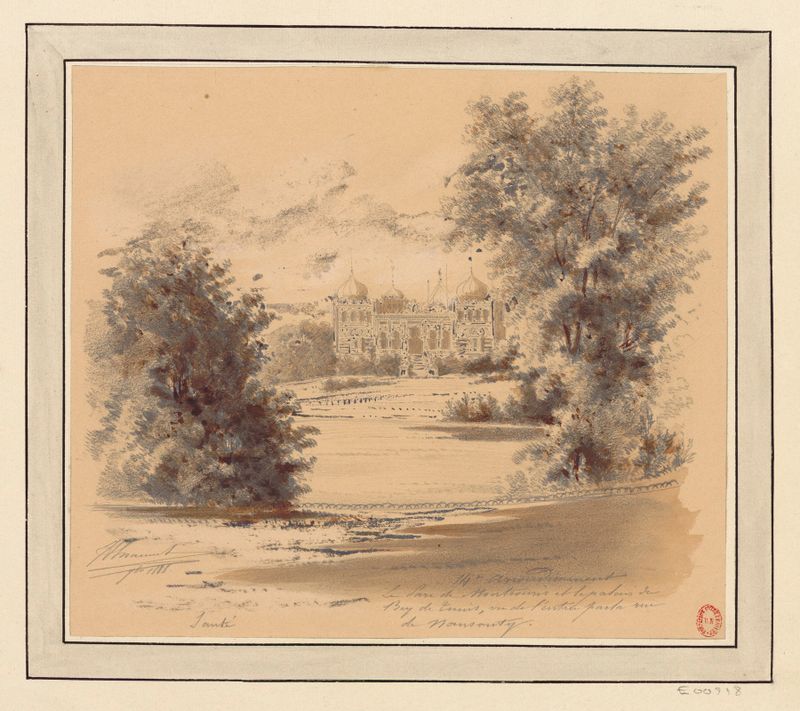
Le Parc de Montsouris et le palais du bey de Tunis, vu de l’entrée par la rue Nansouty
Jules-Adolphe Chauvet
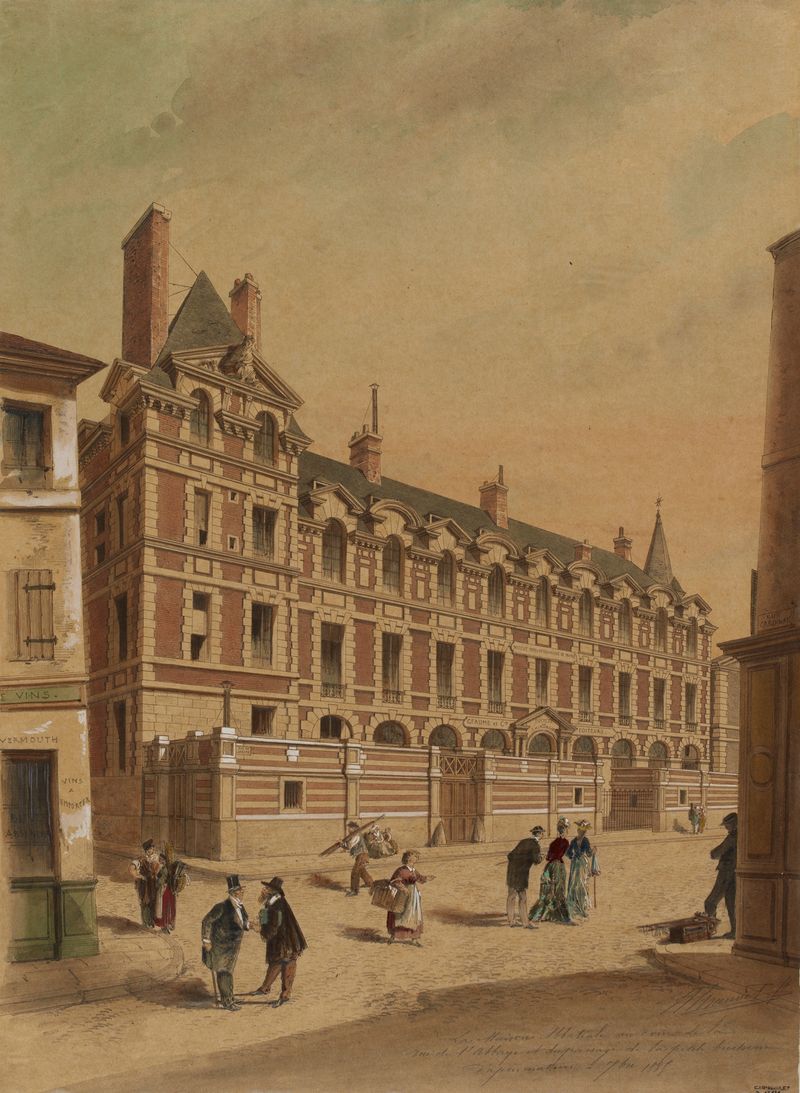
Maison Abbatiale à l’angle de la rue de l’Abbaye, de la rue Cardinale et du passage de la Petite-Boucherie, 6ème arrondi
Jules-Adolphe Chauvet
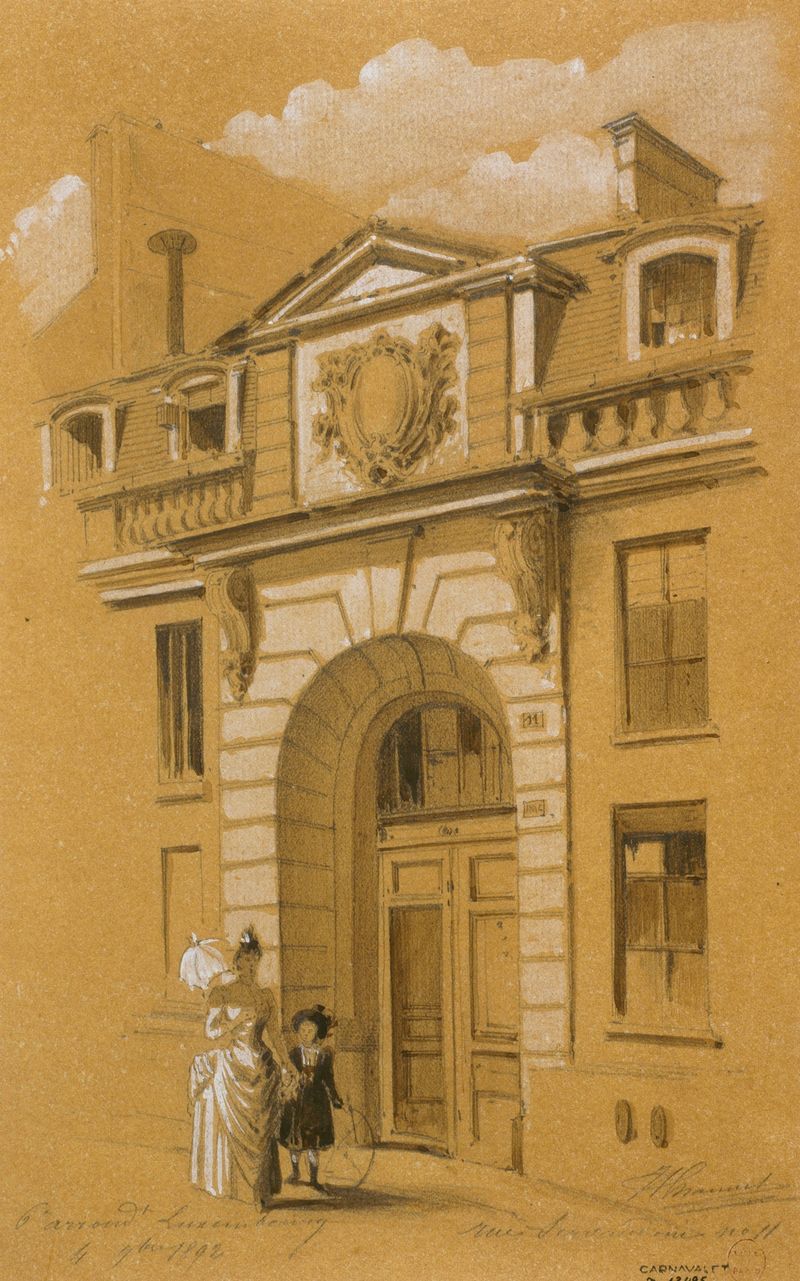
Porte d’entrée du 11 rue Servandoni, 6ème arrondissement
Jules-Adolphe Chauvet
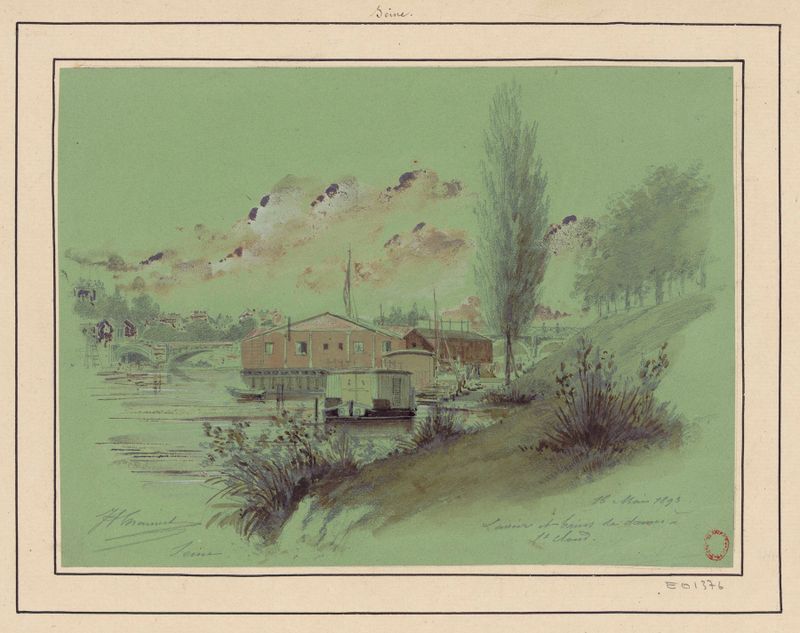
Lavoir et bains de dames à St Cloud – (Département de la) Seine
Jules-Adolphe Chauvet
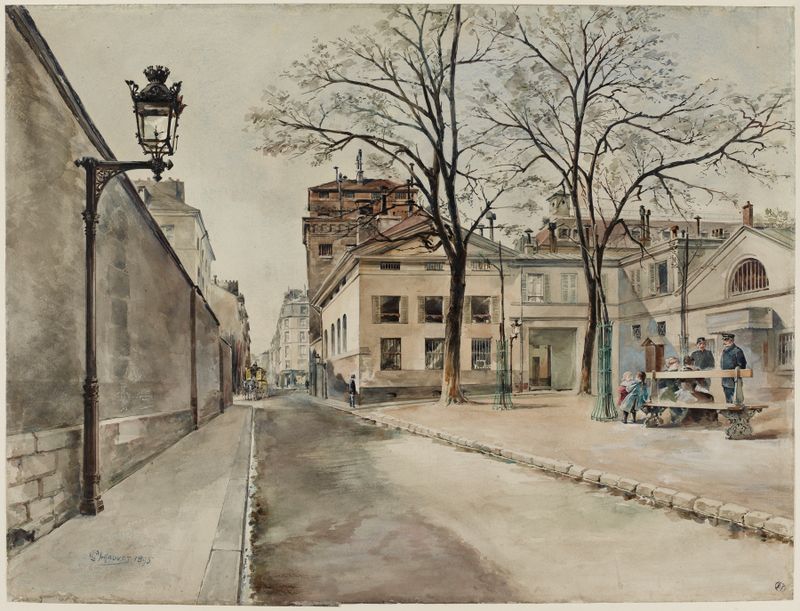
Prison Sainte-Pélagie rue de la Clef en 1895, 5ème arrondissement
Jules-Adolphe Chauvet
More Historical Art
Browse all →
The Night Watch Militia Company of District II under the Command of Captain Frans Banninck Cocq
Rembrandt van Rijn

Lincoln Memorial
Henry Bacon

The Third of May 1808
Francisco de Goya

Isaac and Rebecca, Known as ‘The Jewish Bride’
Rembrandt van Rijn

The Charge of the Mamelukes (1814)
Francisco de Goya

De vier ruiters van de apocalyps
Albrecht Dürer