
Vieux Bercy, N° 2 — History & Facts
When did color learn to lie? It whispers a truth shrouded in the vibrant hues of mortality, capturing the fleeting essence of life in a single frame. Look to the center where the worn cobblestones stretch beneath a ribbon of shadow, suggesting stories of those who have walked before. The palette is rich, with earth tones and deep blues that blend seamlessly, evoking the nostalgia of an era long past. Notice how the light filters through the trees, casting delicate patterns that play on both the road and the facades of buildings, creating a contrast between solidity and transience. Delve deeper, and you’ll find a dichotomy inherent in the piece: the juxtaposition of the vibrant life bustling in the market against the stillness of the architecture, a silent witness to generations.
The swaths of color, while lively, hint at decay and the passage of time, reminding the viewer of their own mortality—a subtle dance between vibrancy and the inevitable fading of all things. Each brushstroke reveals a moment suspended, as if color itself grapples with the truths of existence and loss. Jules-Adolphe Chauvet created Vieux Bercy, N° 2 in 1887 while living in Paris, a city on the cusp of modernity and still steeped in historical resonance. During this period, he was influenced by the Impressionist movement, which sought to capture the ephemeral qualities of light and color.
His work reflects not just the dynamic energy of the marketplace but also an awareness of the impermanence that life entails, a theme resonating deeply in the bustling heart of Paris at that time.
More Artworks by Jules-Adolphe Chauvet
Browse all →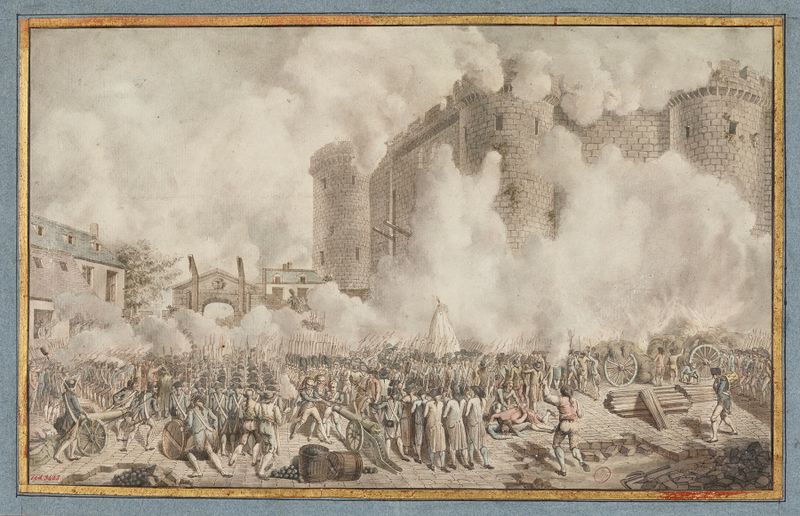
La prise de la Bastille, 14 juillet 1789
Jules-Adolphe Chauvet
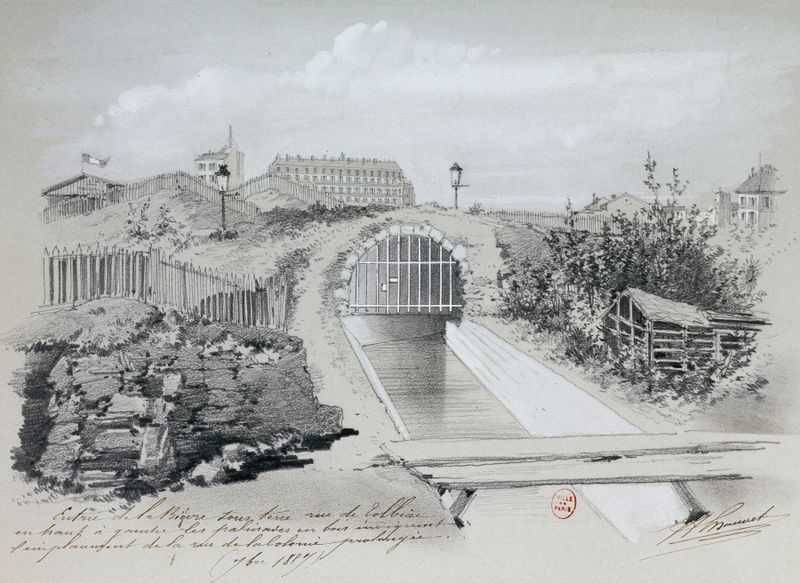
L’entrée de la Bièvre dans Paris rue de Tolbiac, 13ème arrondissement
Jules-Adolphe Chauvet
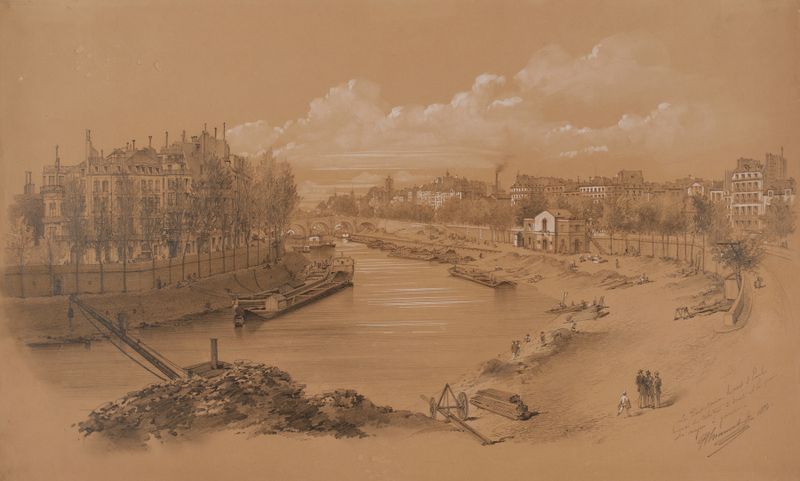
Le port Saint-Paul (absorbé par le port des Célestins en 1905), le Pont-Marie, le quai des Célestins à droite et le quai
Jules-Adolphe Chauvet
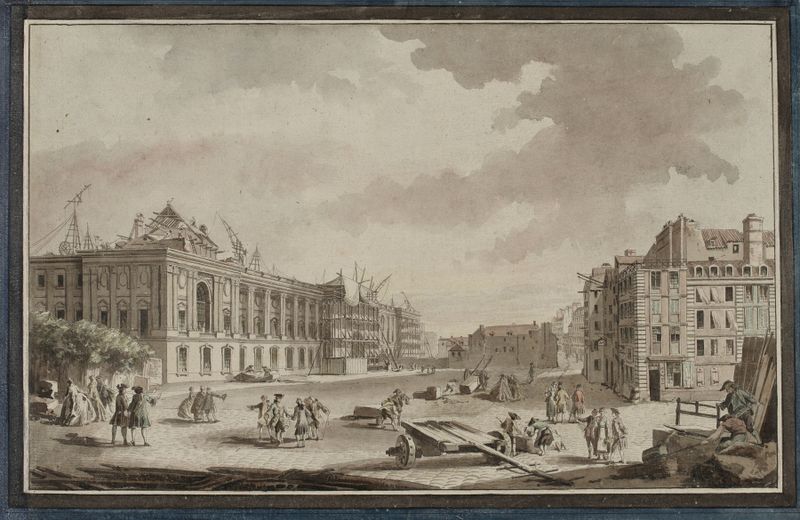
Dégagement de la colonnade du Louvre vers 1770.
Jules-Adolphe Chauvet
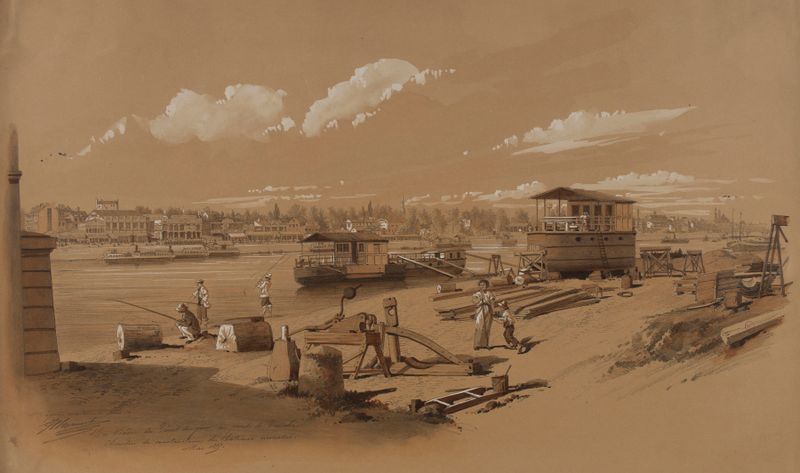
Du Viaduc du Point du jour au pont de Grenelle, chantier de construction des bateaux mouches
Jules-Adolphe Chauvet
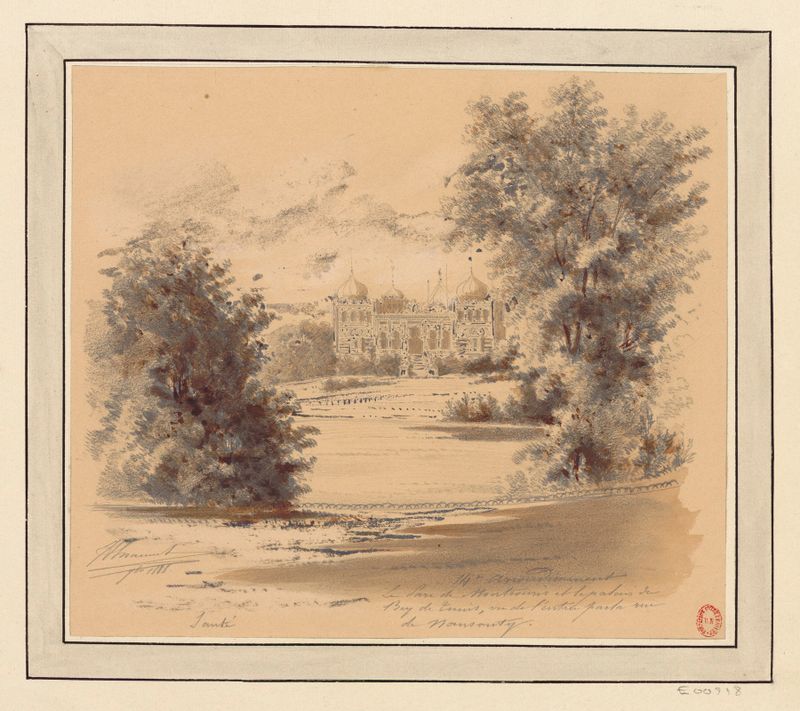
Le Parc de Montsouris et le palais du bey de Tunis, vu de l’entrée par la rue Nansouty
Jules-Adolphe Chauvet
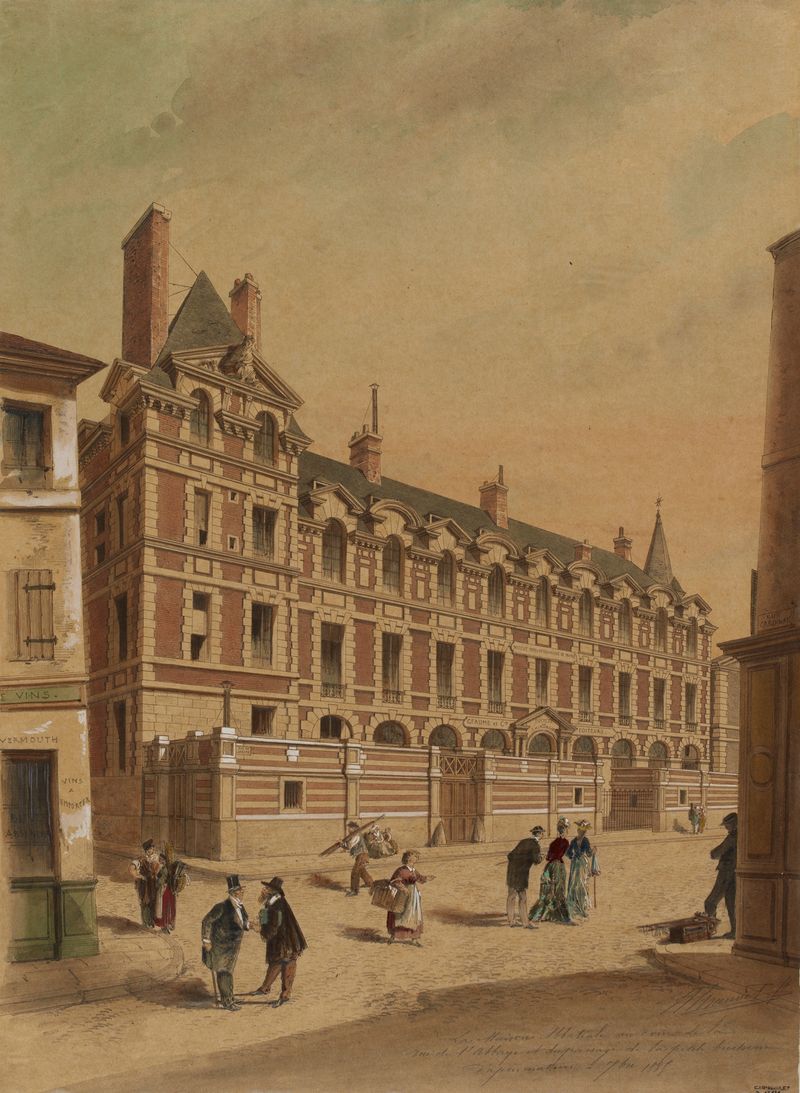
Maison Abbatiale à l’angle de la rue de l’Abbaye, de la rue Cardinale et du passage de la Petite-Boucherie, 6ème arrondi
Jules-Adolphe Chauvet
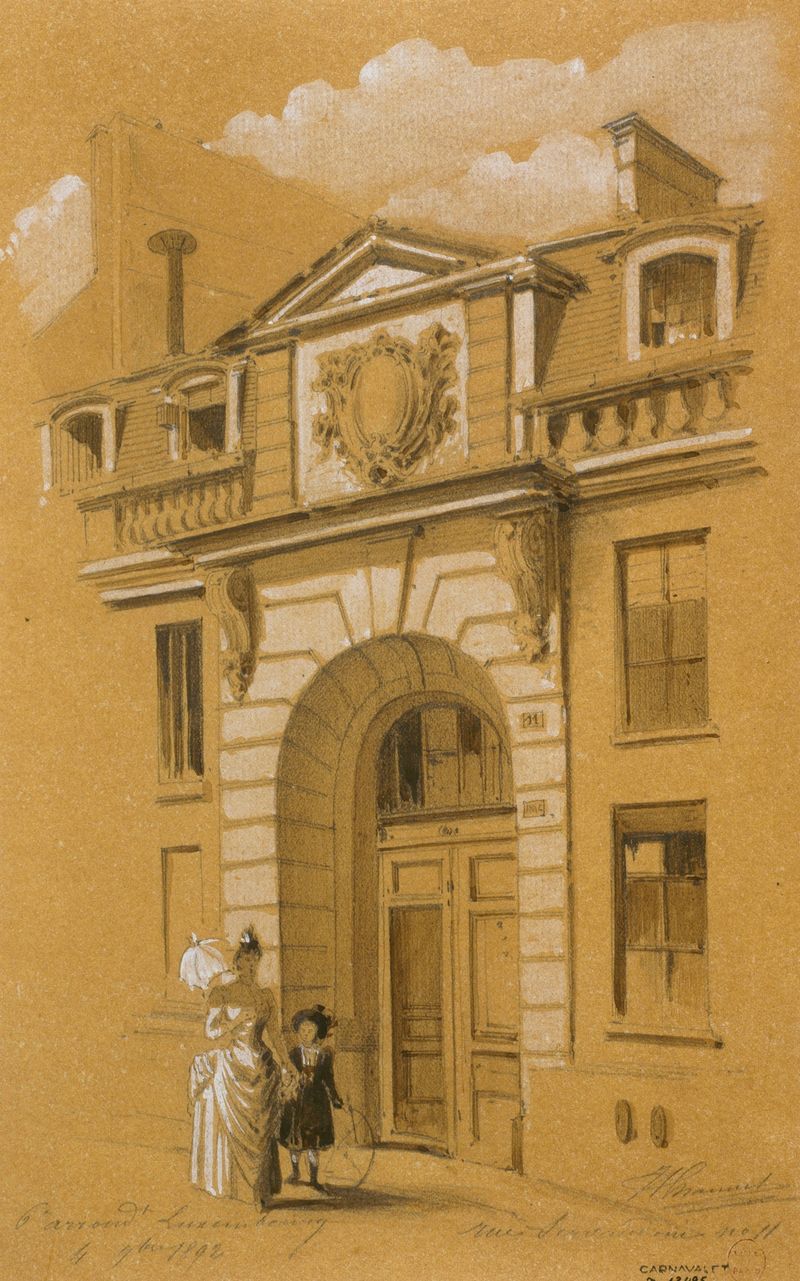
Porte d’entrée du 11 rue Servandoni, 6ème arrondissement
Jules-Adolphe Chauvet
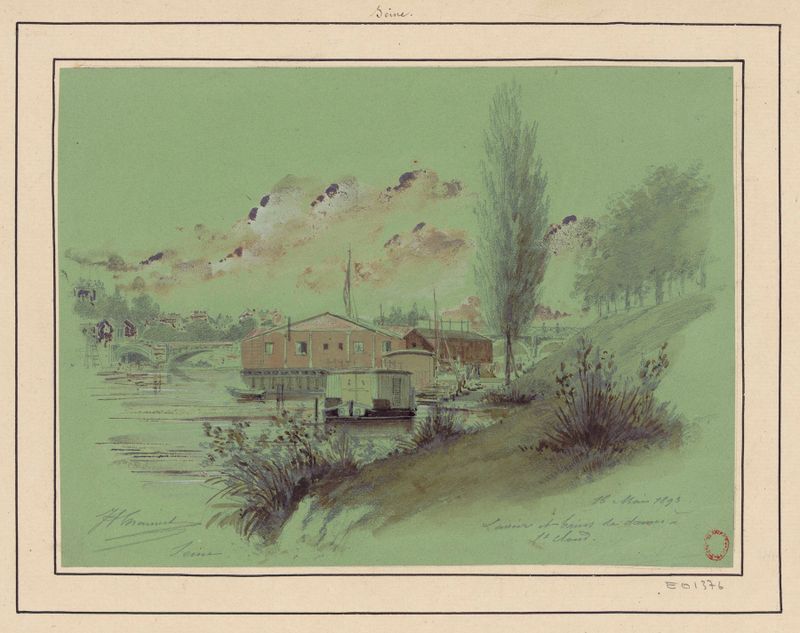
Lavoir et bains de dames à St Cloud – (Département de la) Seine
Jules-Adolphe Chauvet
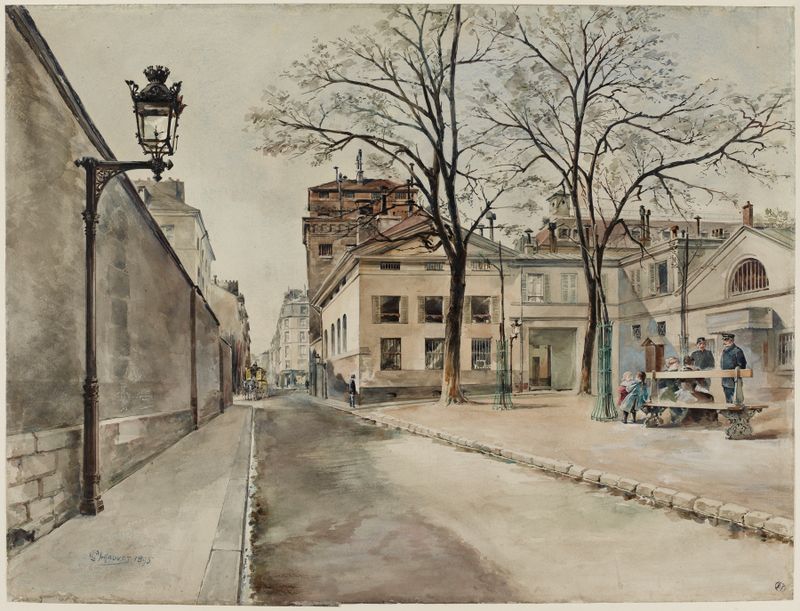
Prison Sainte-Pélagie rue de la Clef en 1895, 5ème arrondissement
Jules-Adolphe Chauvet





