
Porte d’entrée du 11 rue Servandoni, 6ème arrondissement — History & Facts
What secret hides in the quiet of the canvas? The passage of time whispers through the peeling paint and crumbling facade, revealing layers of history beneath. This serene yet haunting entrance beckons, inviting contemplation of the lives once lived behind its door. Look to the right at the delicate ironwork perched above the entrance, intricately woven yet muted by years of neglect. Focus on the faded colors that blend gracefully—ochre, gray, and hints of green—evoking a bittersweet nostalgia for what has faded.
Notice how the light gently washes over the surface, illuminating both the beauty and decay, creating a dialogue between solidity and fragility. As you absorb the details, consider the contrast between the inviting threshold and the desolation that surrounds it. The archway stands proud, yet the wall’s crumbling edges reflect a story of abandonment and loss. This juxtaposition evokes a sense of longing—a reminder of the transient nature of life and the stories that linger in quiet corners of the city. Jules-Adolphe Chauvet painted this piece in 1892, at a time when Paris was undergoing rapid transformation, yet smaller streets still held the essence of the past.
Emerging as a prominent figure in the French art scene, Chauvet sought to capture the beauty of urban architecture in the face of inevitable decay, reflecting both his artistic vision and the societal shifts of his era.
More Artworks by Jules-Adolphe Chauvet
Browse all →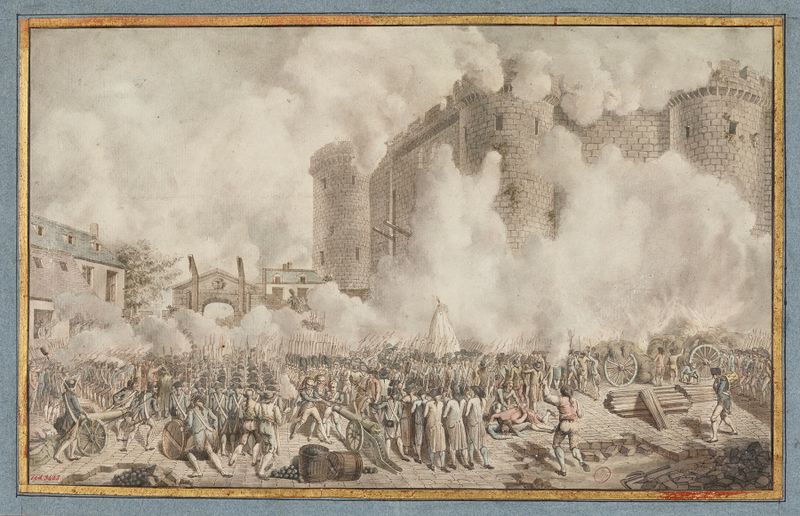
La prise de la Bastille, 14 juillet 1789
Jules-Adolphe Chauvet
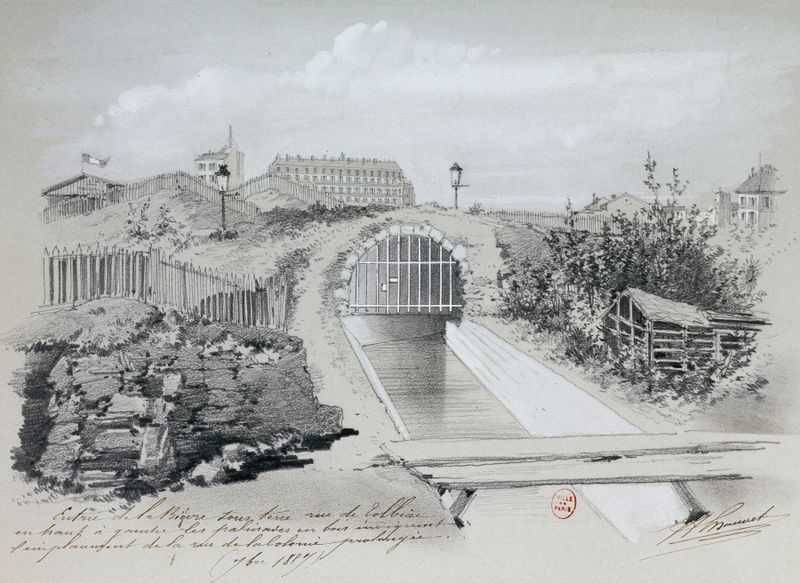
L’entrée de la Bièvre dans Paris rue de Tolbiac, 13ème arrondissement
Jules-Adolphe Chauvet
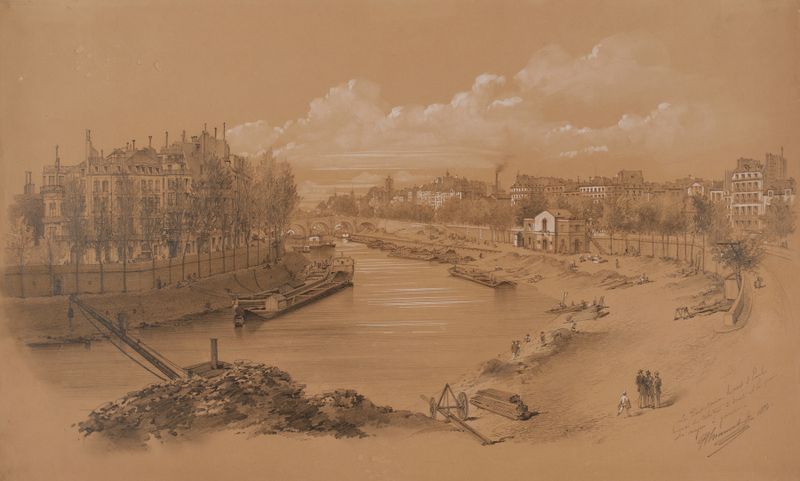
Le port Saint-Paul (absorbé par le port des Célestins en 1905), le Pont-Marie, le quai des Célestins à droite et le quai
Jules-Adolphe Chauvet
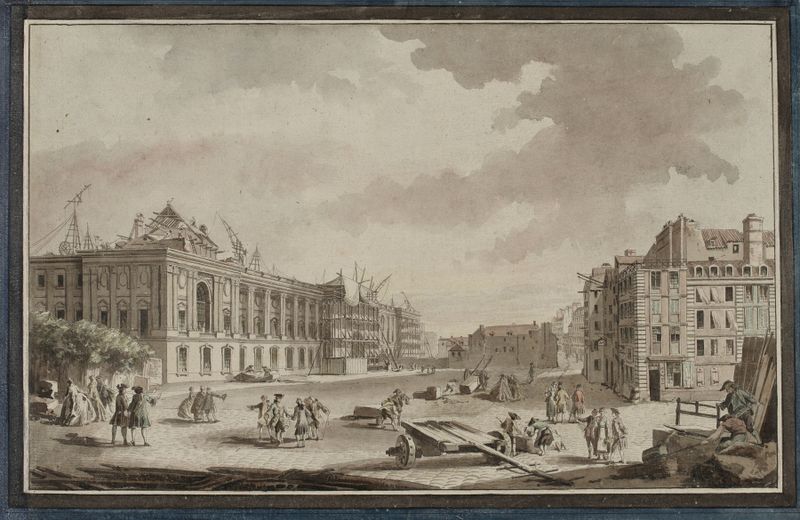
Dégagement de la colonnade du Louvre vers 1770.
Jules-Adolphe Chauvet
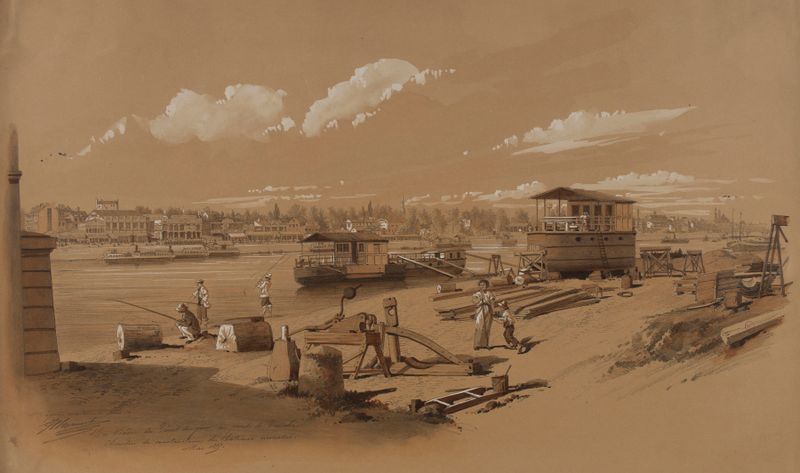
Du Viaduc du Point du jour au pont de Grenelle, chantier de construction des bateaux mouches
Jules-Adolphe Chauvet
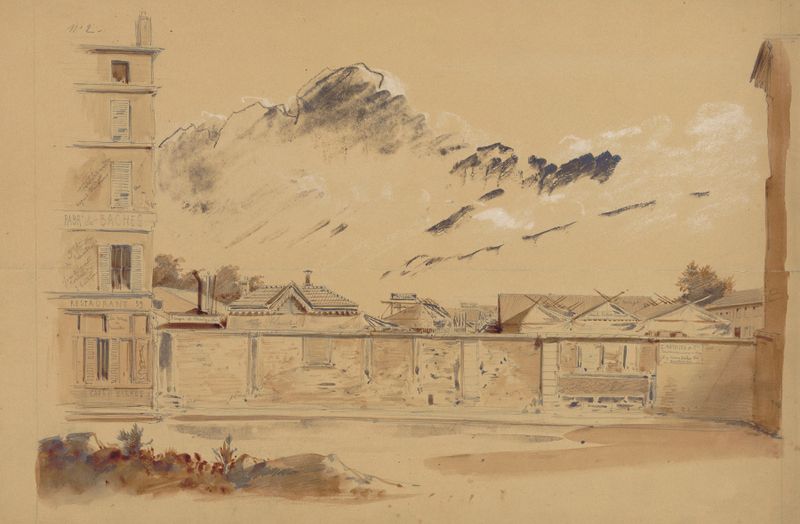
Vieux Bercy, N° 2
Jules-Adolphe Chauvet
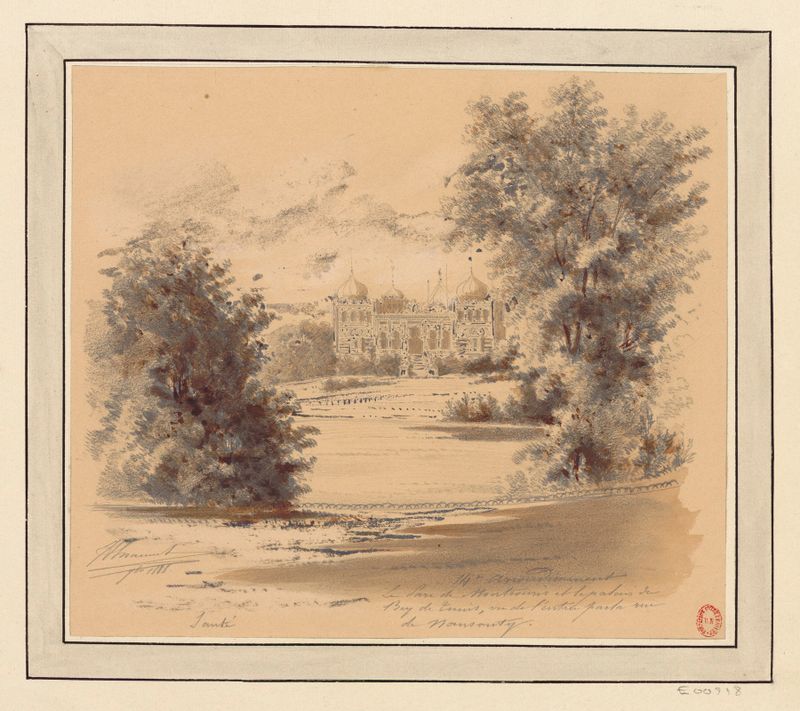
Le Parc de Montsouris et le palais du bey de Tunis, vu de l’entrée par la rue Nansouty
Jules-Adolphe Chauvet
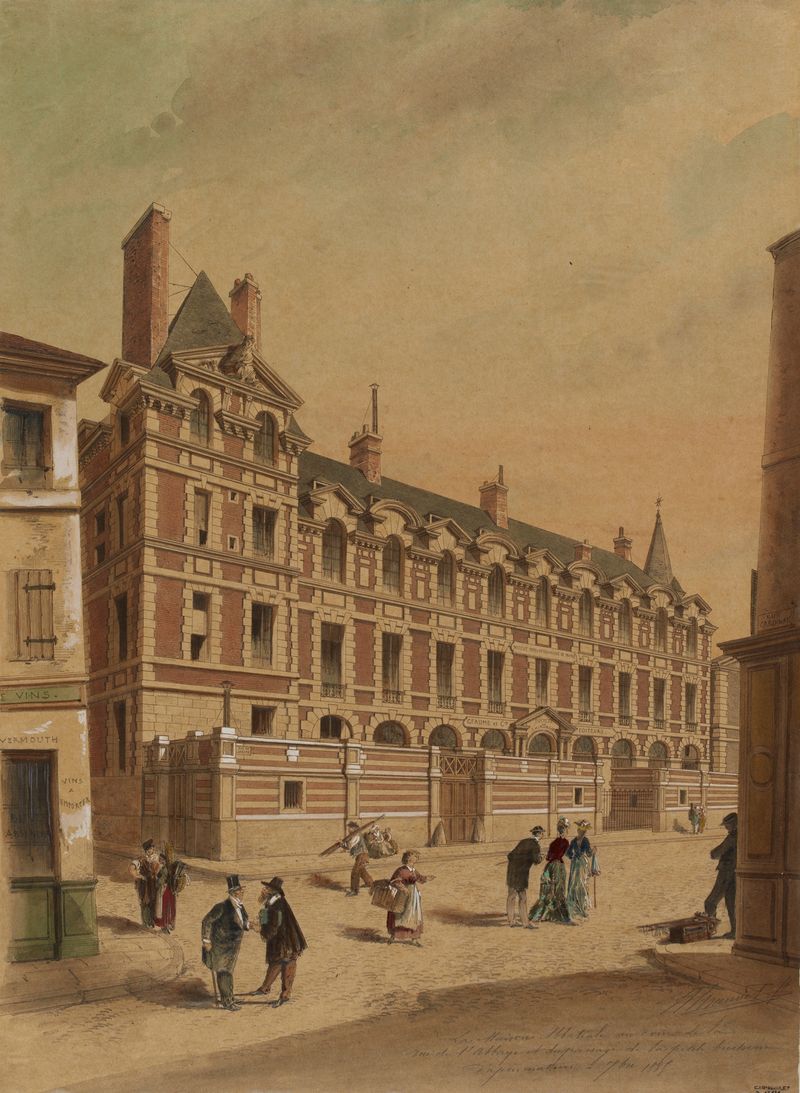
Maison Abbatiale à l’angle de la rue de l’Abbaye, de la rue Cardinale et du passage de la Petite-Boucherie, 6ème arrondi
Jules-Adolphe Chauvet
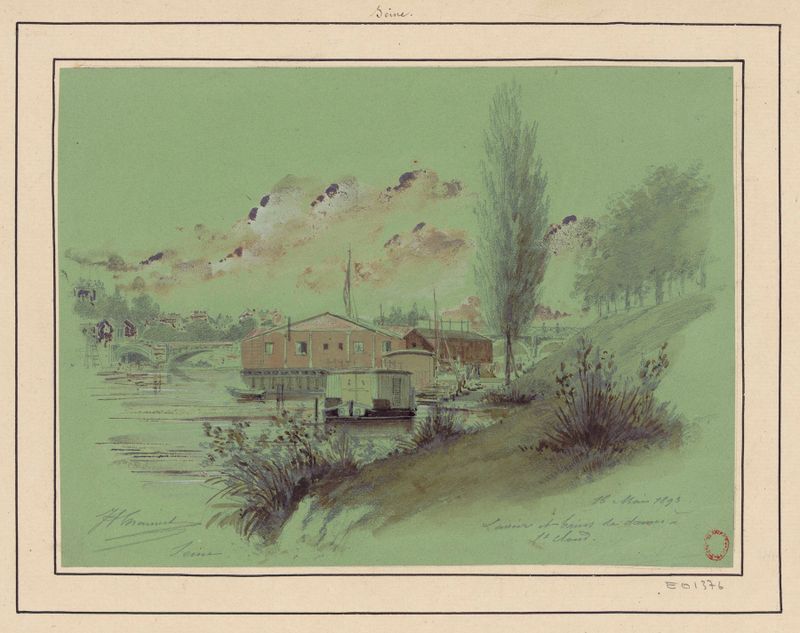
Lavoir et bains de dames à St Cloud – (Département de la) Seine
Jules-Adolphe Chauvet
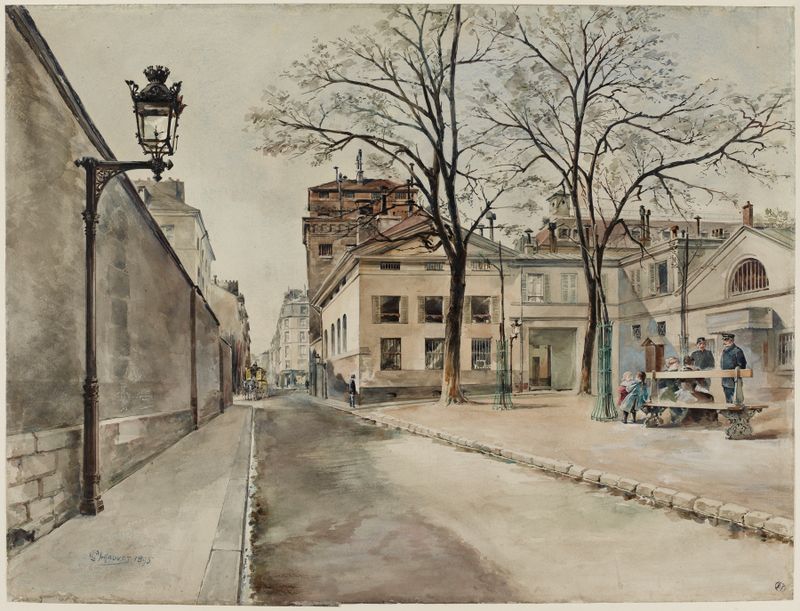
Prison Sainte-Pélagie rue de la Clef en 1895, 5ème arrondissement
Jules-Adolphe Chauvet
More Architecture Art
Browse all →
The statue of Liberty
Frédéric Auguste Bartholdi

View of Houses in Delft, Known as ‘The Little Street’
Johannes Vermeer

View of Houses in Delft, Known as ‘The Little Street’
Johannes Vermeer

The Cathedral in Rouen. The portal, Grey Weather
Claude Monet

The yellow house
Vincent van Gogh

The Church in Auvers-sur-Oise, View from the Chevet
Vincent van Gogh