
Diana Discovers Callisto's Slip — History & Facts
A single gesture electrifies this gathering of nymphs: the outstretched arm of the standing figure, her finger leveled in accusation or revelation, draws every eye—and the viewer’s—toward the seated woman at the center. The drama unfolds in a hush of dark foliage, the figures’ pale skin glowing against the shadowed woods, as if the forest itself recoils from the sudden breach. The cluster of bodies leans in, some recoiling, others peering with concern or curiosity, their postures a choreography of surprise and shame.
The careful play of light heightens the tension, isolating the key players while the rest dissolve into the gloom, their faces half-seen, their roles ambiguous. The palette is warm and intimate, the air thick with the sense that something forbidden has just been revealed. Painted in 1704 by Adriaen van der Werff, this work belongs to an age when mythological scenes offered artists a stage for both technical bravura and subtle moral commentary. In the early eighteenth century, such paintings were prized by collectors who sought both the sensual beauty of the human form and the intellectual pleasure of deciphering ancient stories.
The Dutch tradition, by then steeped in both classical learning and a taste for polished surfaces, found in these subjects a way to blend narrative and display. Today, Diana Discovers Callisto's Slip resides in the collection of Museum Boijmans Van Beuningen, a testament to the enduring fascination with moments when the ordinary rules of decorum are upended by myth, and the forest glade becomes a theater for revelation. Look again at the faces in shadow, and imagine the whispered stories that once circled through salons and studios.
More Artworks by Adriaen van der Werff

Descent from the Cross
Adriaen van der Werff
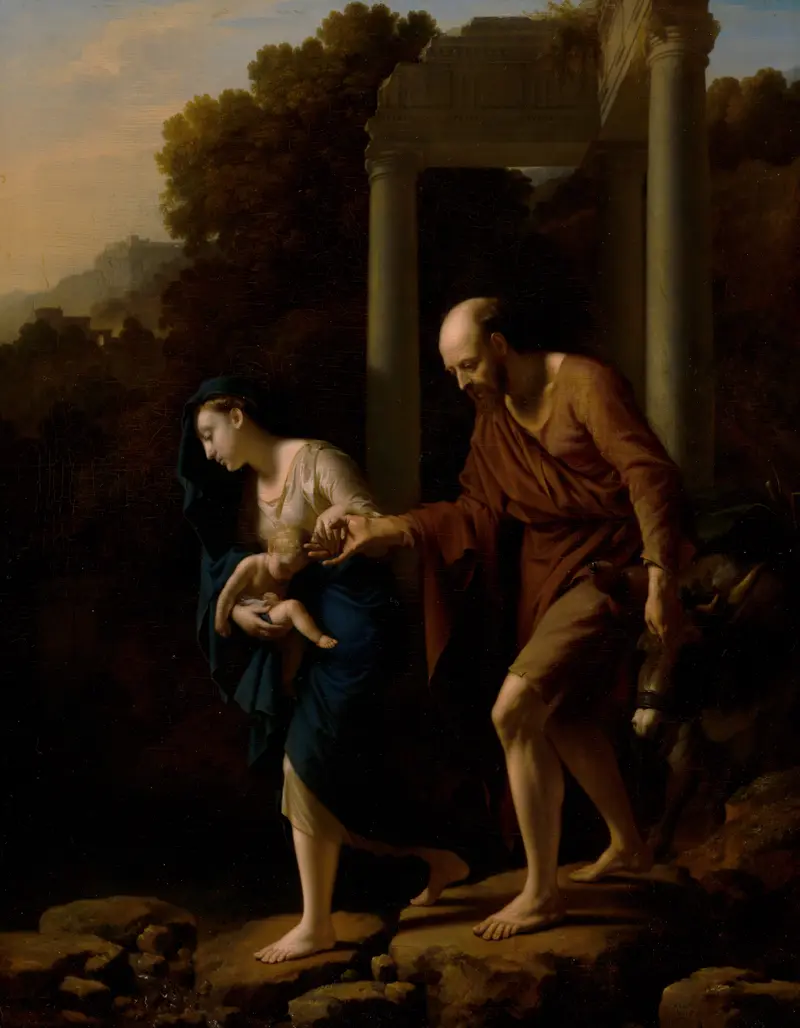
The Flight into Egypt
Adriaen van der Werff
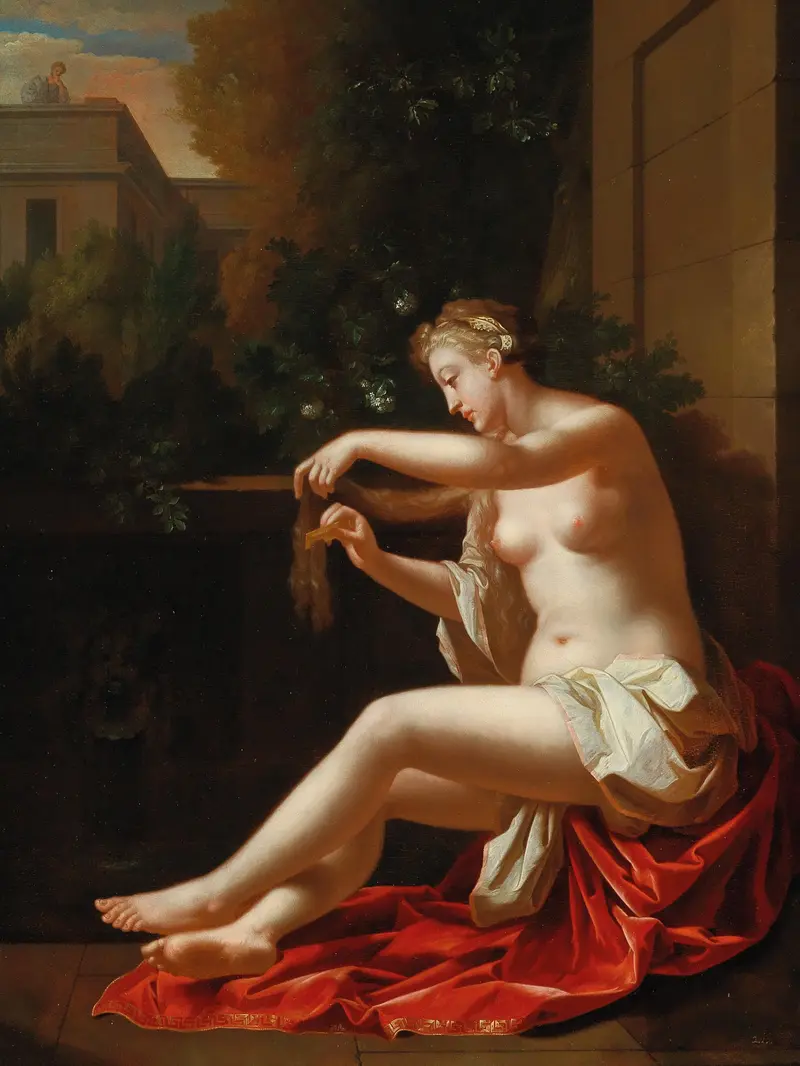
Bathsheba
Adriaen van der Werff
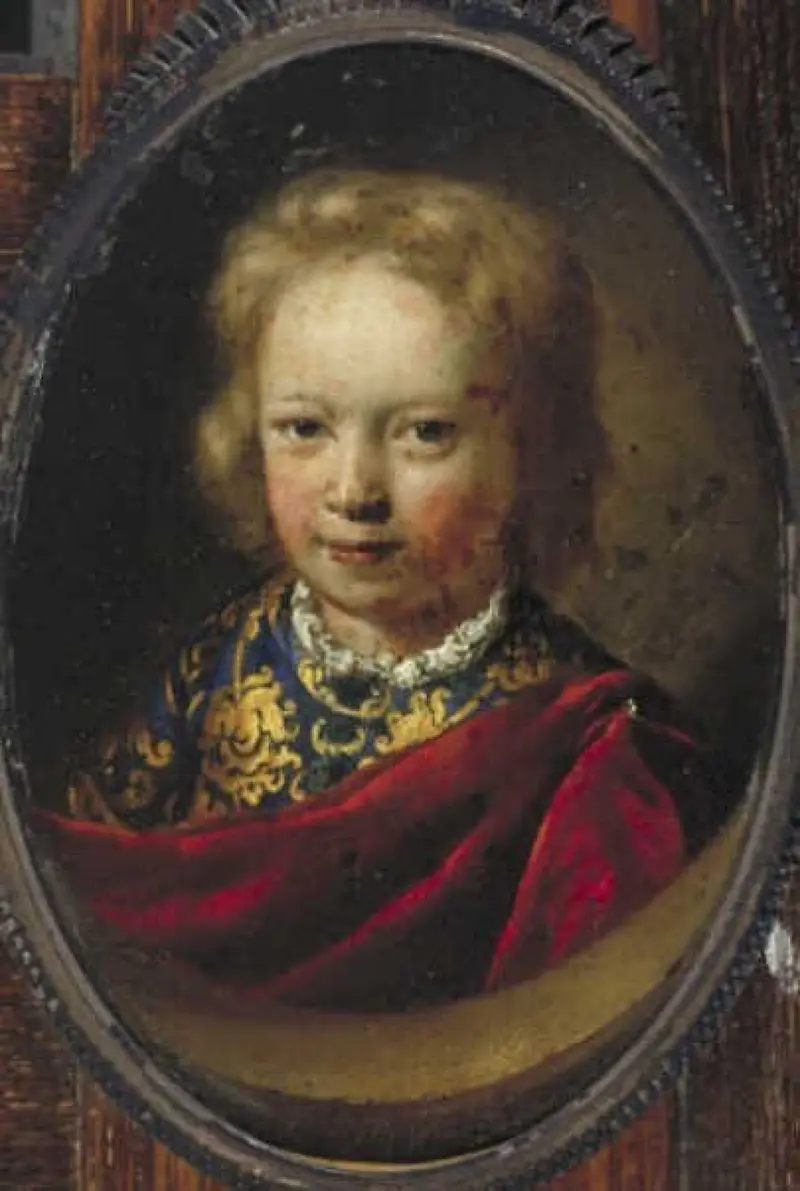
Portrait of Johan Versijden de Jonge
Adriaen van der Werff
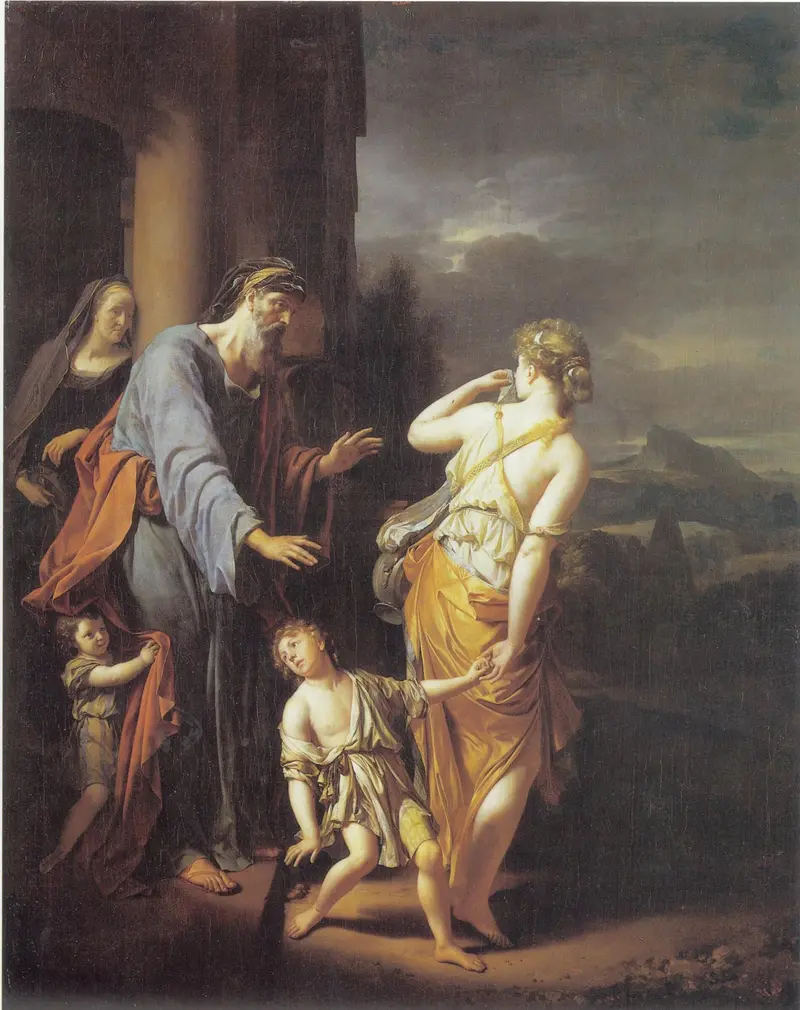
The Banishment of Hagar
Adriaen van der Werff
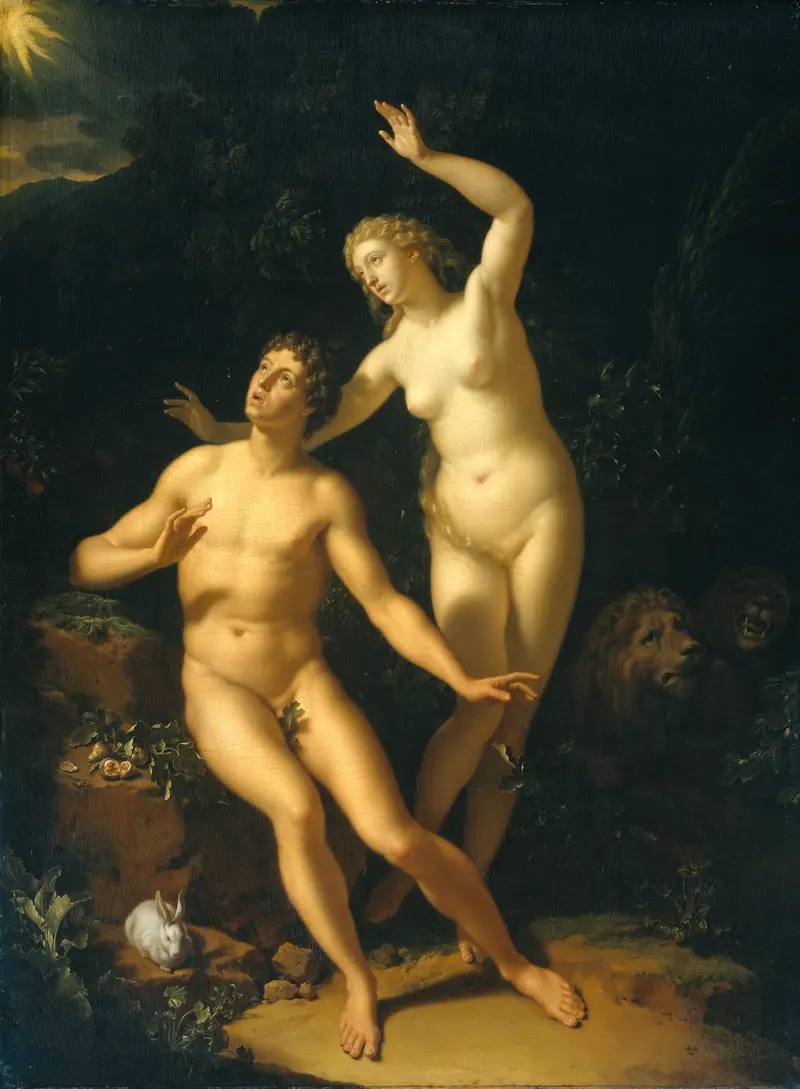
God Holds Adam and Eve Responsible
Adriaen van der Werff
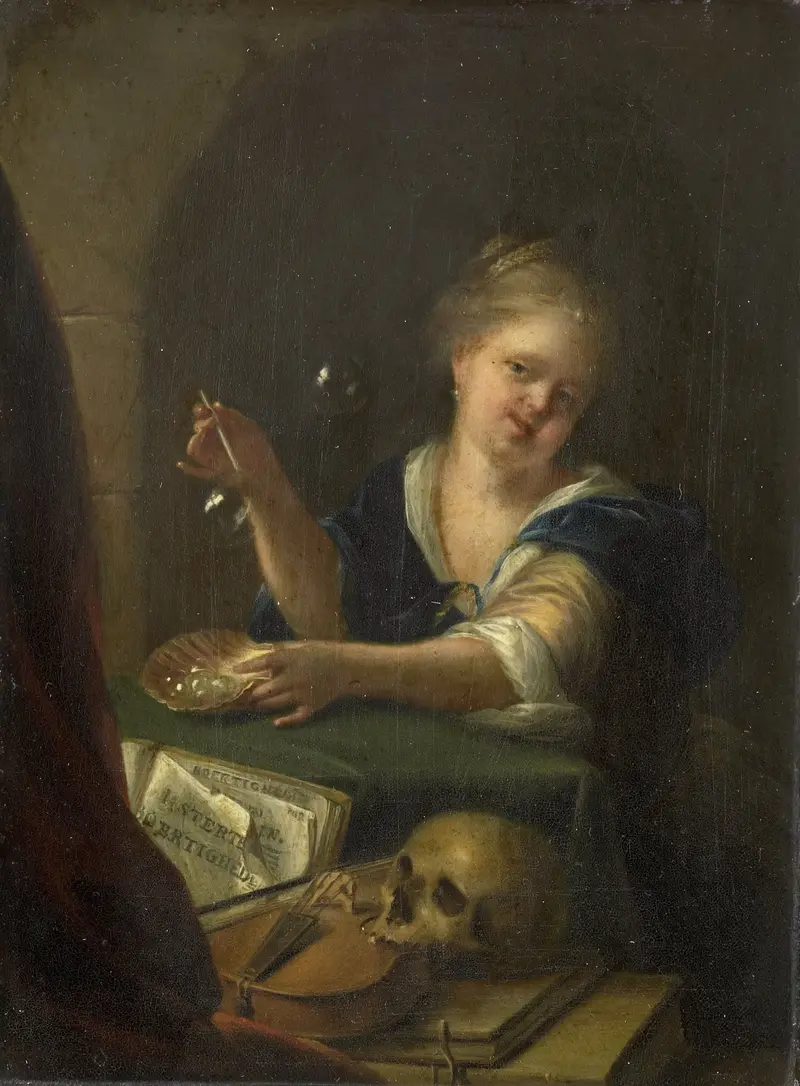
Bubble-blowing Girl with a Vanitas Still Life
Adriaen van der Werff
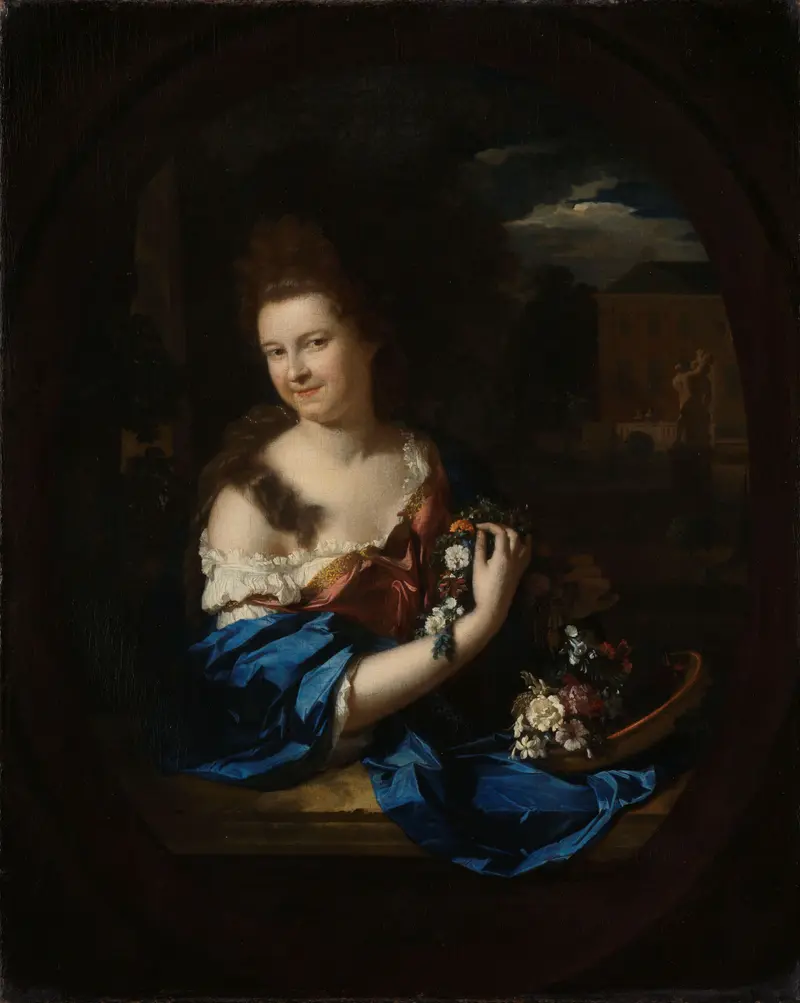
Portrait of Margaretha Rendorp (1673-1730), wife of Jan van de Poll
Adriaen van der Werff
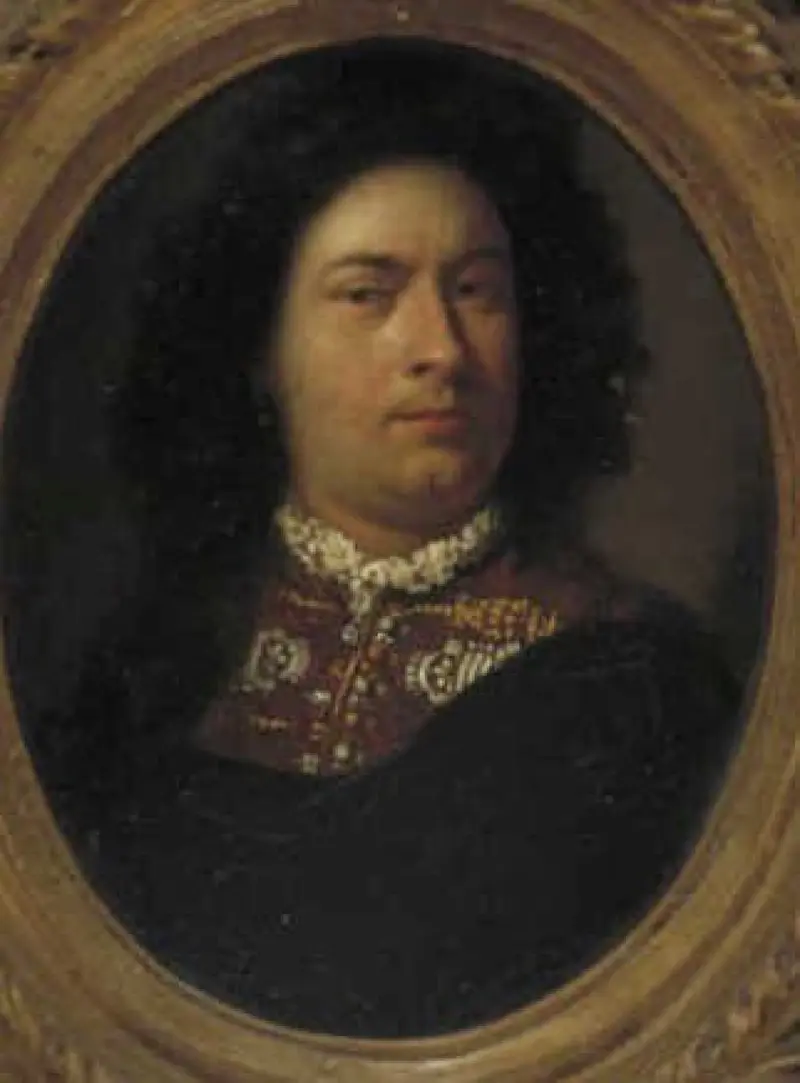
Portrait of Jacob Hendricksz. Vingerhoed
Adriaen van der Werff
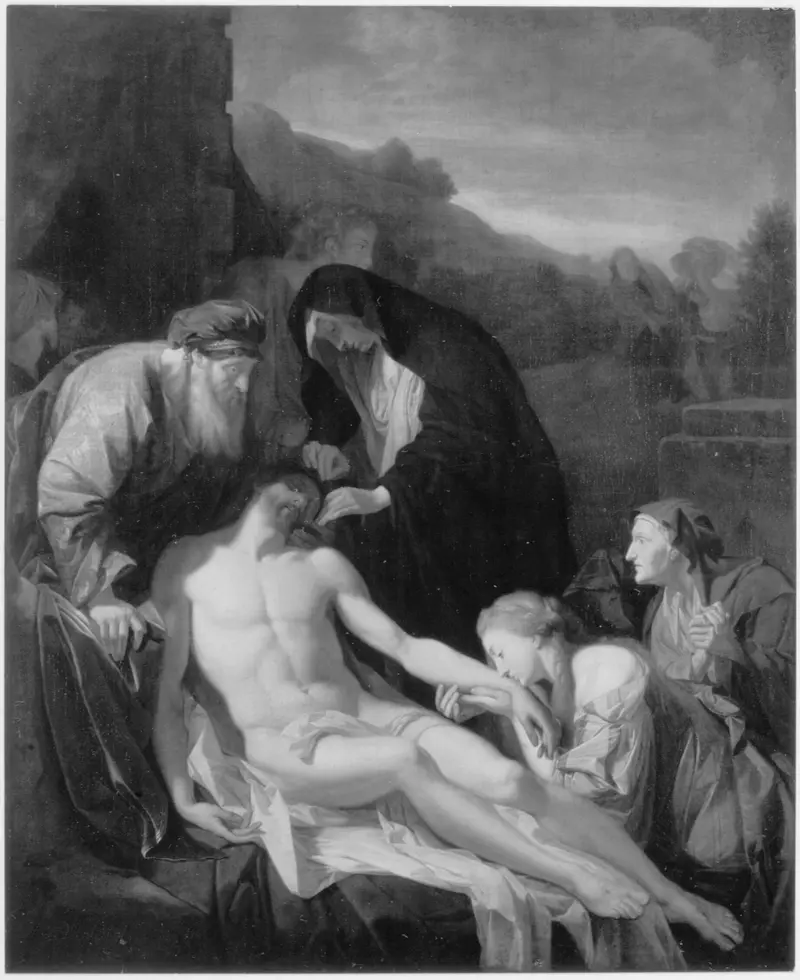
The burial of Christ
Adriaen van der Werff





