Diana geflankeerd door Minerva en Mercurius — History & Facts
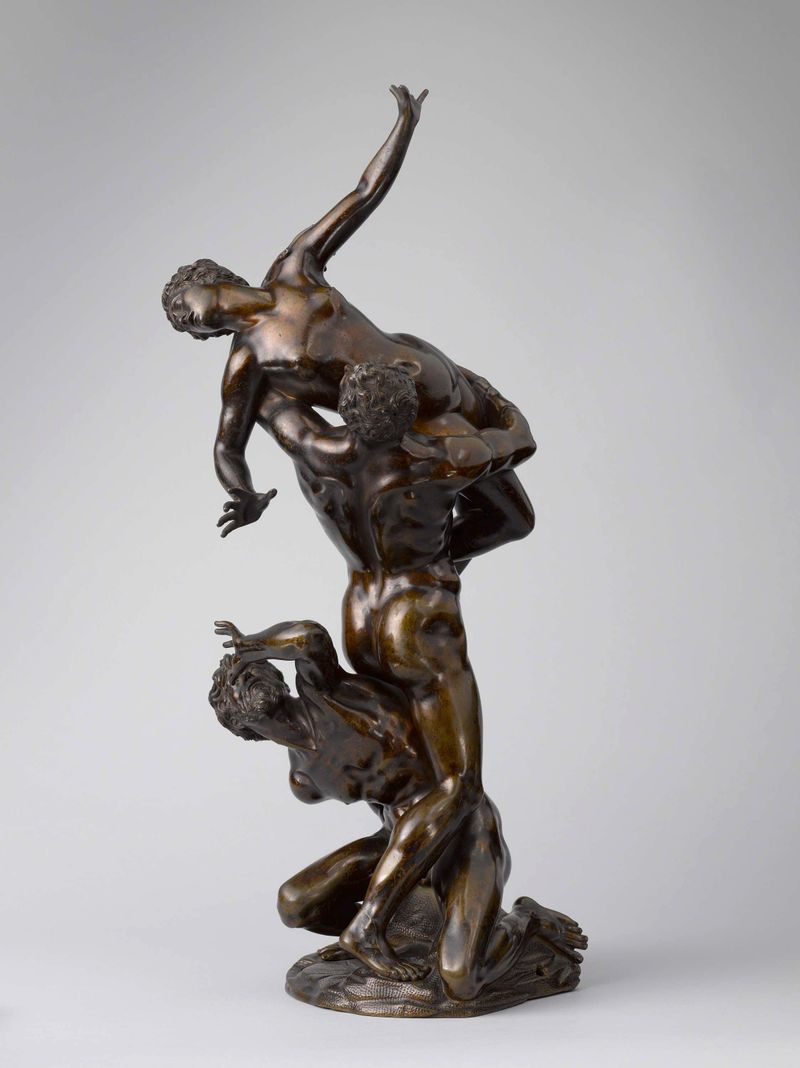
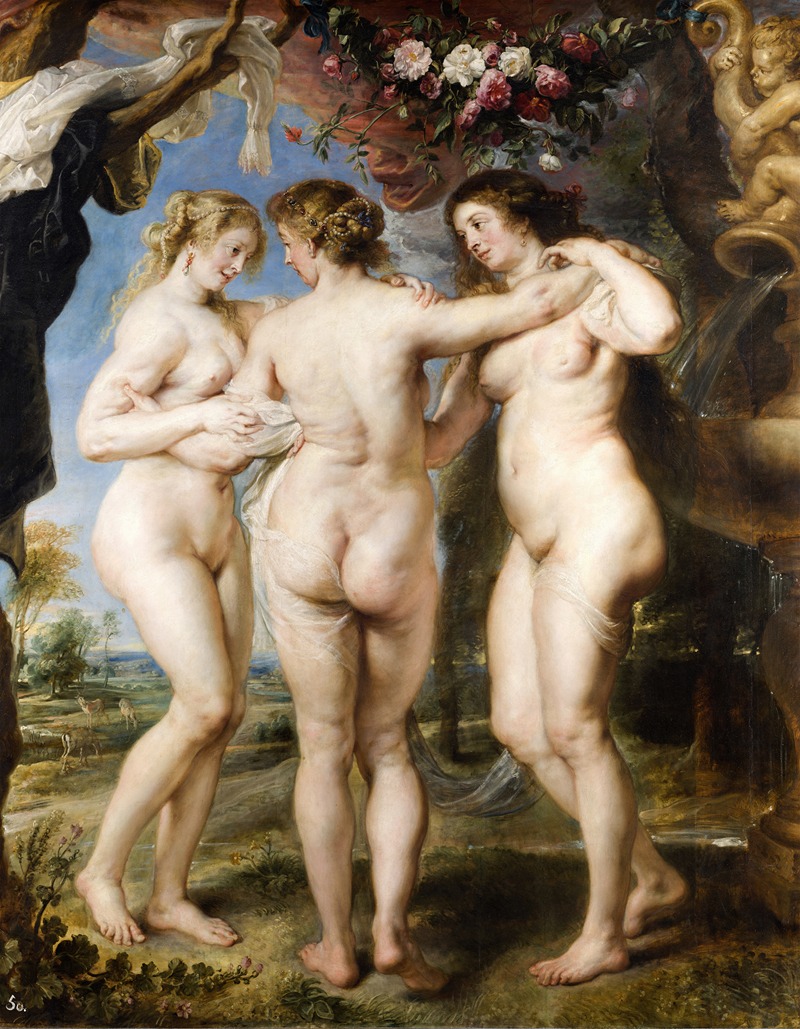
What if beauty was never meant to be finished? In Diana geflankeerd door Minerva en Mercurius, the intricate details whisper of longing, capturing a moment suspended between the divine and the temporal. Look to the center where a majestic Diana stands, poised with a bow, her gaze both serene and resolute. The delicate etching reveals the intricate interplay of light and shadow, emphasizing her graceful posture. Surrounding her are Minerva and Mercurius, each figure rendered with meticulous precision, embodying wisdom and eloquence.
The subtle variations in texture invite the viewer to explore every line and curve, while the delicate hatching creates a dynamic sense of depth. Within this composition lies a tension between the ethereal and the real. Diana, the goddess of the hunt, stands as a potent symbol of independence, yet her companions—each representing intellect and communication—suggest a longing for connection and guidance. The way their hands gesture toward each other indicates an unspoken bond, hinting at the emotional undercurrents that accompany beauty and power.
The interplay of figures evokes a narrative that transcends mere representation. Wenceslaus Hollar created this etching in 1650 while residing in London, having fled his native Prague due to political turmoil. During this period, the artist was largely influenced by the burgeoning Baroque style, which emphasized drama and emotional depth. His work reflects the tension of his time, capturing the nuanced struggles between personal identity and the larger forces at play in the world of art and society.
More Artworks by Wenceslaus Hollar
Browse all →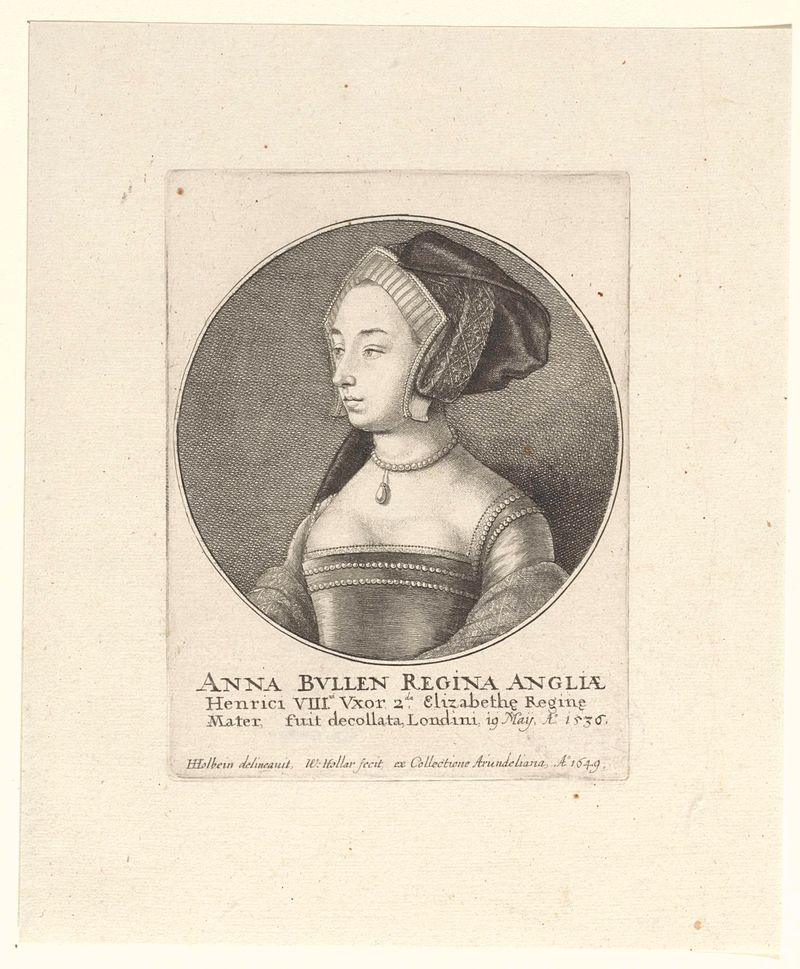
Portret van Anna Boleyn, koningin van Engeland
Wenceslaus Hollar
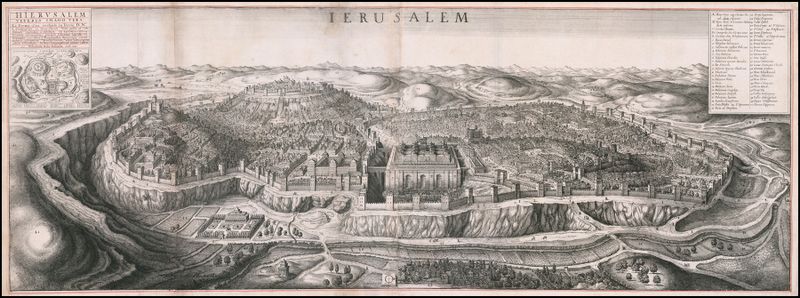
Bird’s eye view of Jerusalem
Wenceslaus Hollar
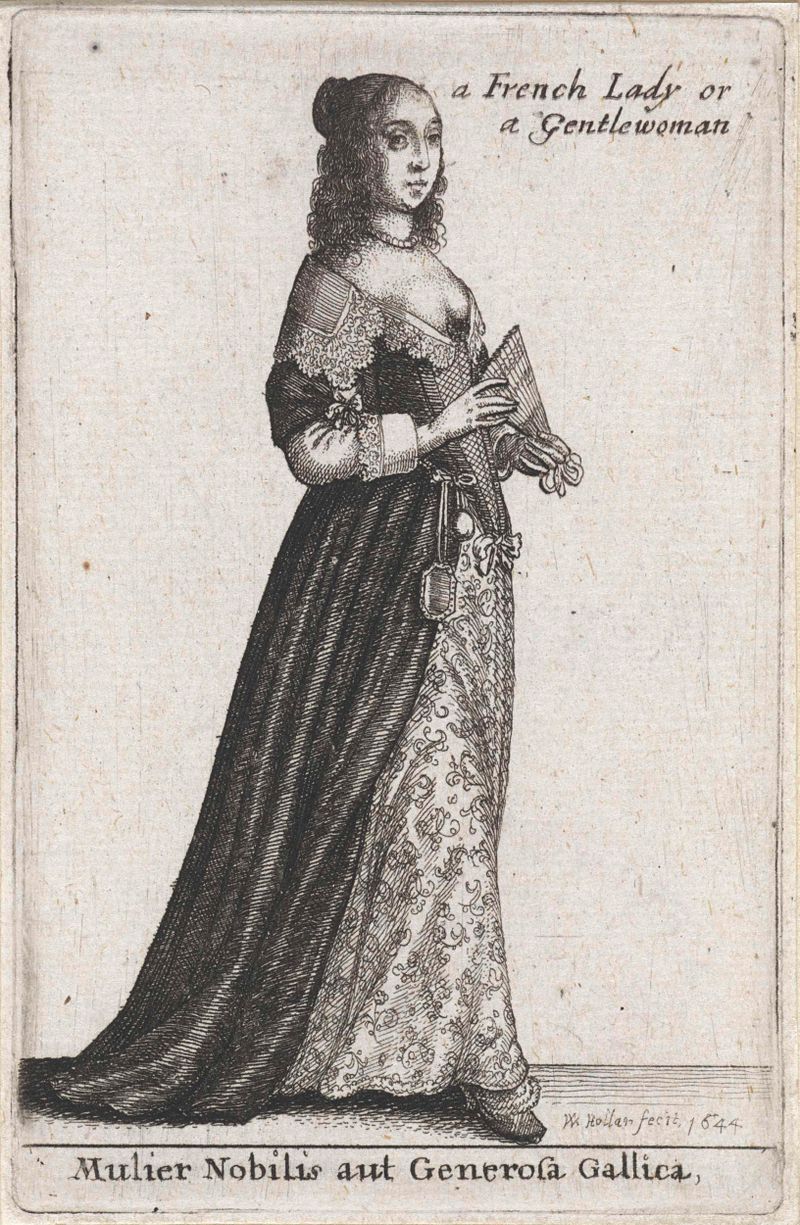
Mulier Nobilis aut Generosa Gallica / a French Lady or Gentlewoman
Wenceslaus Hollar
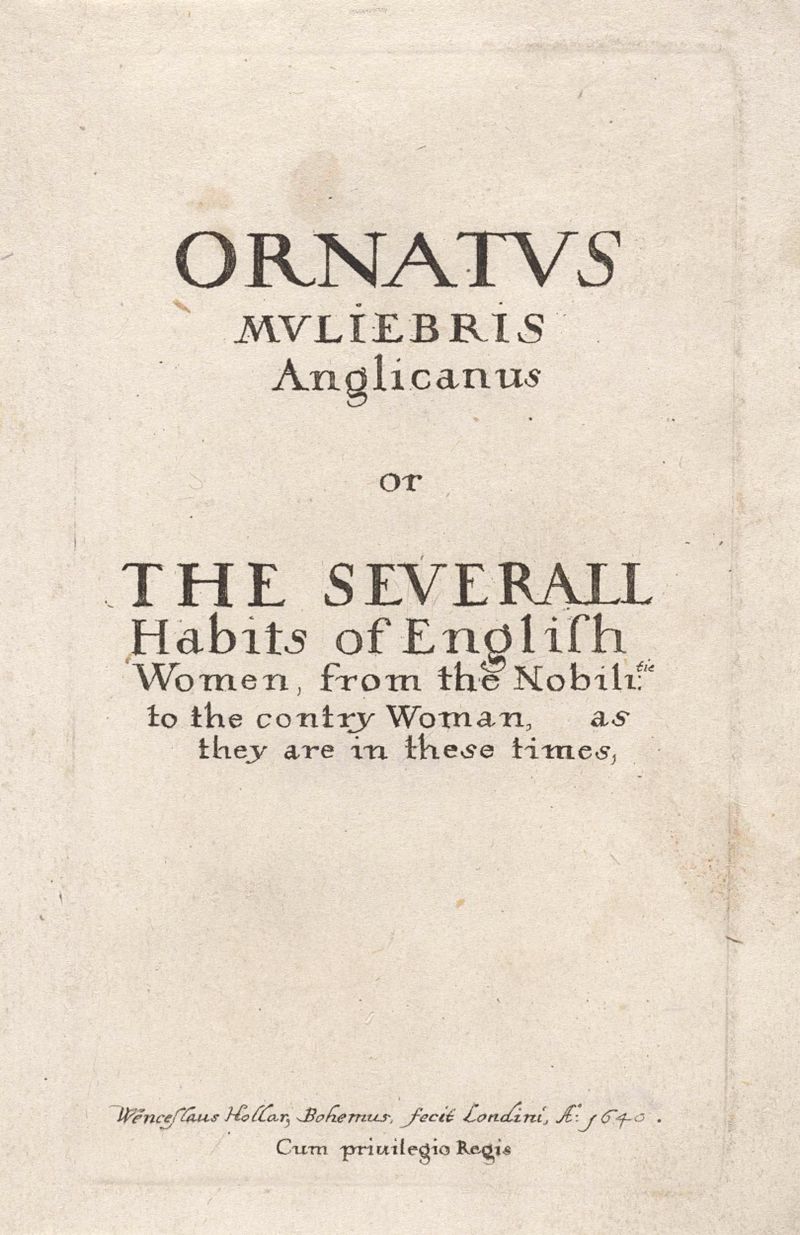
Titelprent voor: Ornatus Muliebris Anglicanus
Wenceslaus Hollar
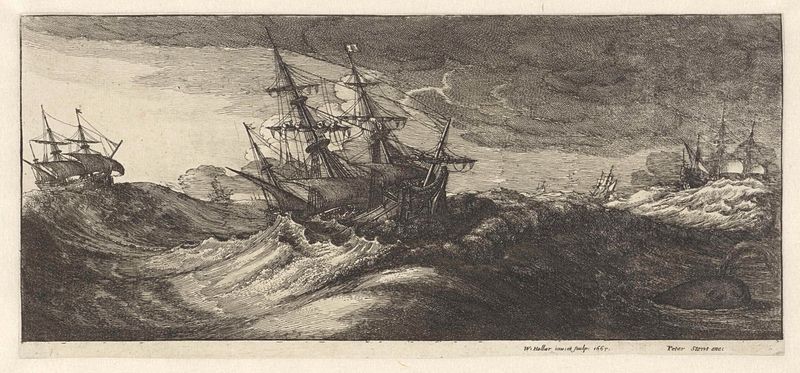
Oorlogsschepen en een walvis in een zeestorm
Wenceslaus Hollar
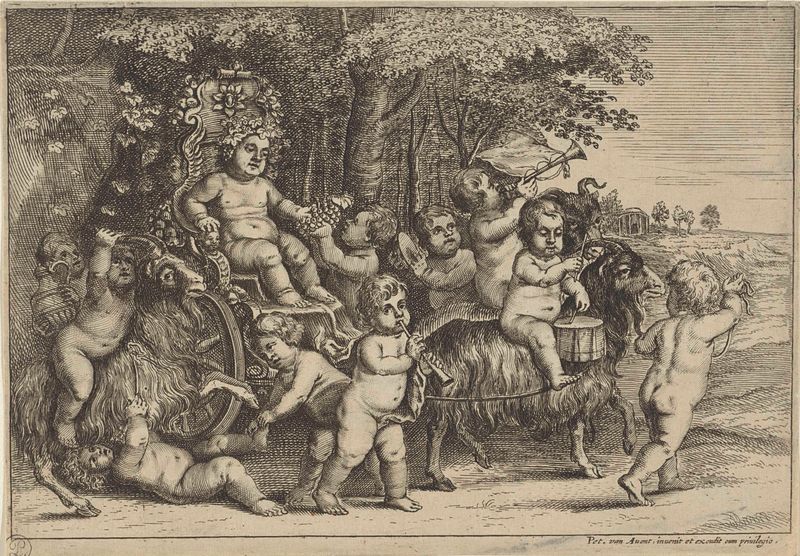
Optocht van bacchant en jongetjes op geiten
Wenceslaus Hollar
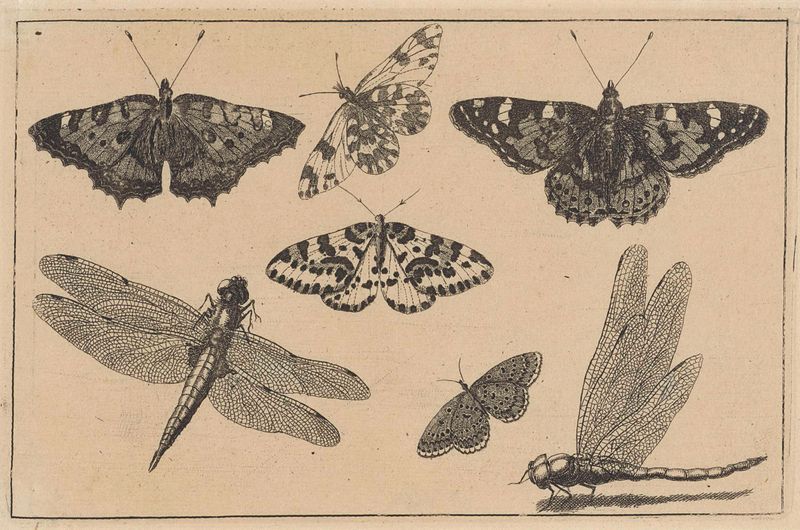
Twee libellen en vijf vlinders
Wenceslaus Hollar
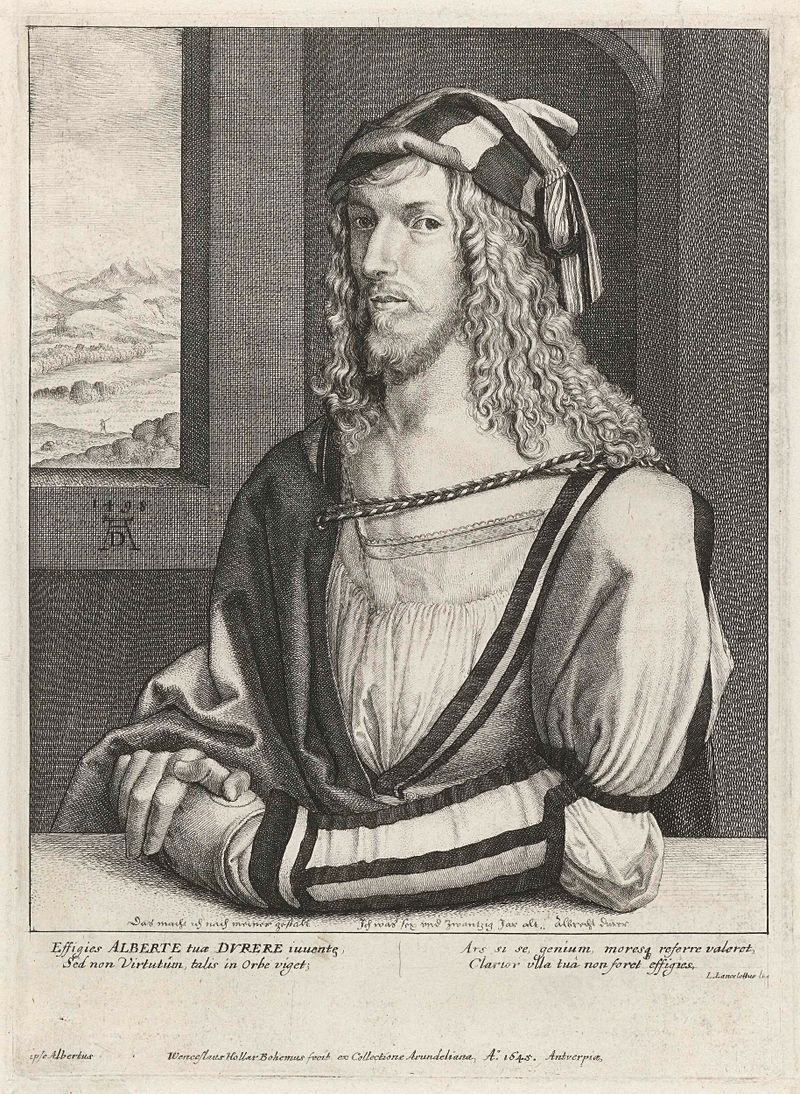
Portret van Albrecht Dürer
Wenceslaus Hollar
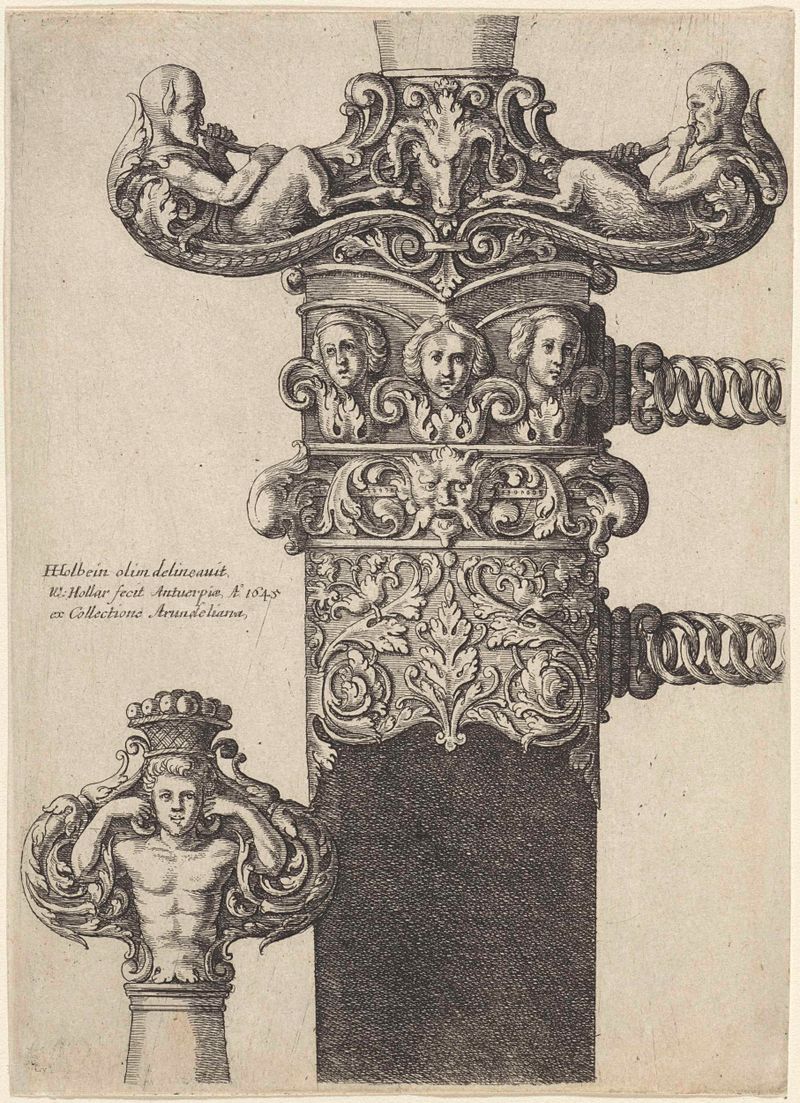
Ornamenteel ontwerp voor een dolk
Wenceslaus Hollar
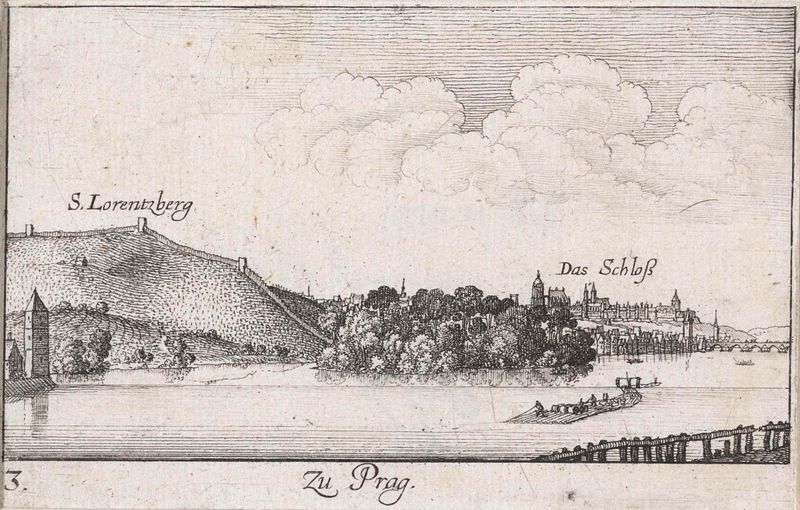
Gezicht op Praag vanaf de Moldau
Wenceslaus Hollar