Diana geflankeerd door Minerva en Mercurius — History & Facts
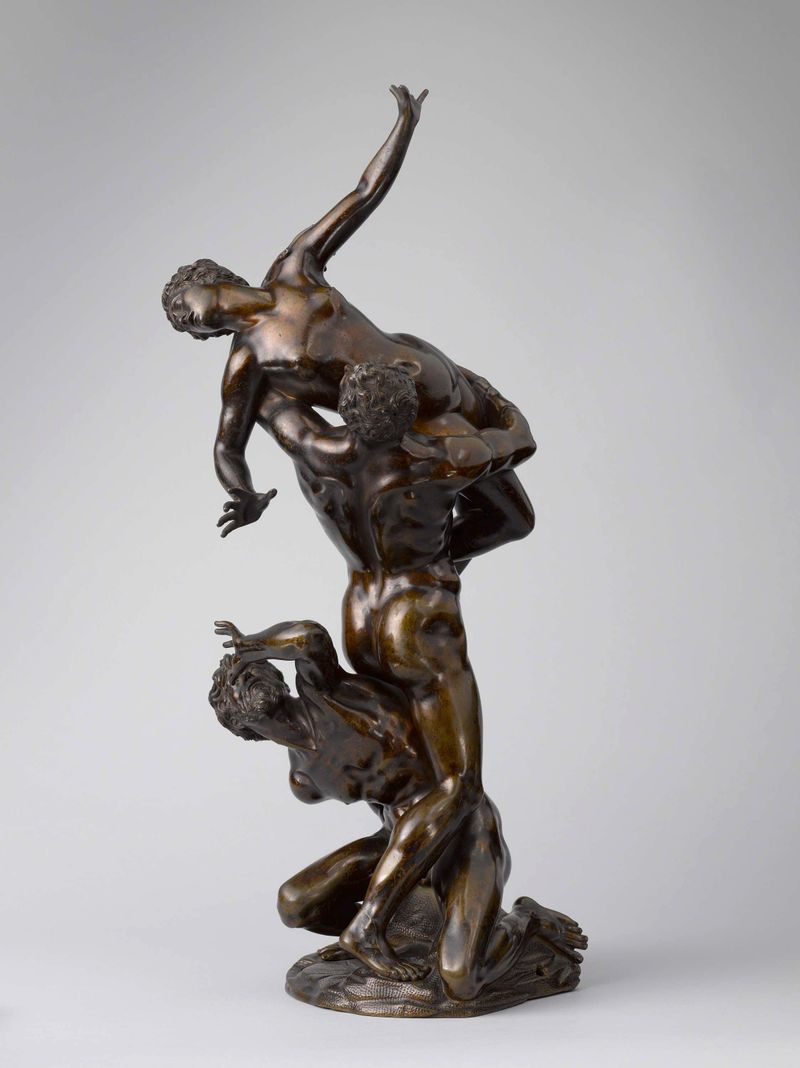
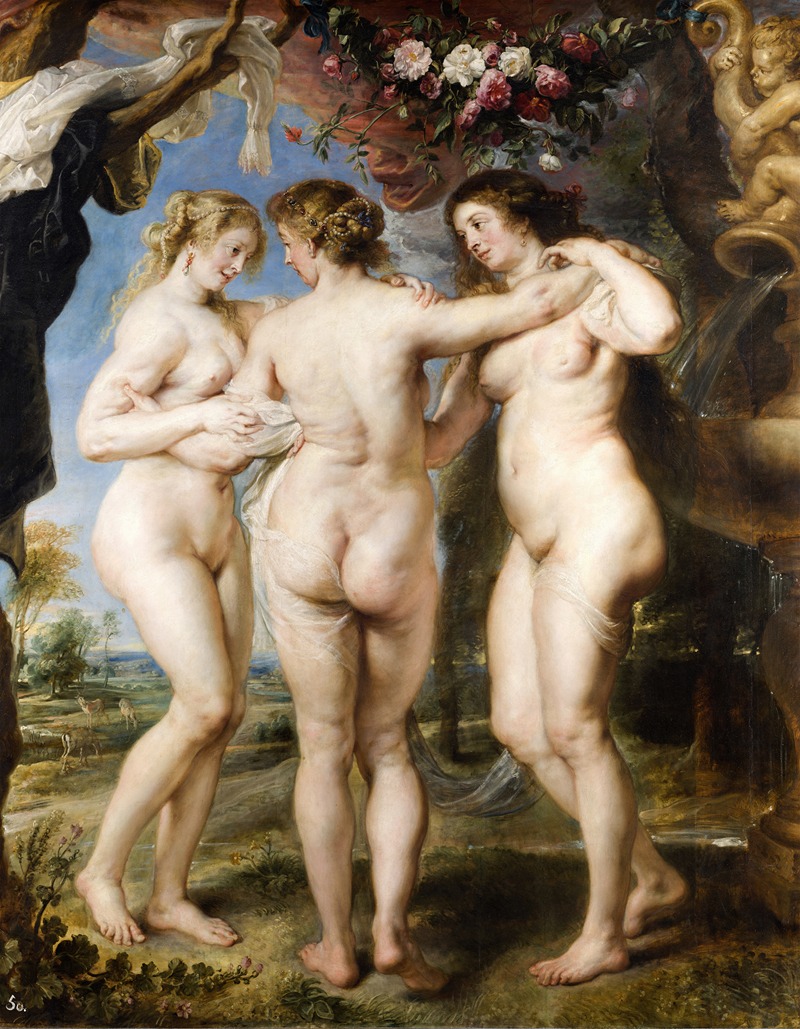
Can beauty exist without sorrow? In Diana geflankeerd door Minerva en Mercurius, we find that beauty is intricately entwined with the weight of existence, each element revealing layers of truth and illusion. Focus on the central figure of Diana, poised with grace, her gaze meeting the viewer’s with an intensity that feels both inviting and distant. Notice the delicate interplay of light and shadow that caresses her form, enhancing the ethereal quality of her presence. To the left, the stoic Minerva stands in armor, a contrast to Diana’s softness, embodying wisdom and strength.
Meanwhile, Mercurius, with his winged sandals and staff, adds a sense of movement and connection, suggesting that these figures inhabit a realm where divine and earthly concerns intertwine. The composition is rich with symbolism; Diana represents purity, while Minerva conveys intellect, hinting at the duality of beauty and wisdom. The subtle tension between their postures evokes a dialogue, reflecting the struggle between the ideal and the real. The presence of Mercurius, often seen as a messenger, emphasizes the notion of communication between the divine and human realms, suggesting that every glimpse of beauty carries an undercurrent of deeper truths and unseen burdens. Wenceslaus Hollar created this intricate etching in 1650, during a period of artistic innovation in Europe.
Residing in London after fleeing his native Prague, he was immersed in the flourishing art scene of the English court, where his detailed engravings captured the imagination of patrons. This work exemplifies the merging of classical themes with personal expression, a hallmark of the artist's evolving style amid the shifting tides of the Baroque period.
More Artworks by Wenceslaus Hollar
Browse all →
Portret van Anna Boleyn, koningin van Engeland
Wenceslaus Hollar
Bird’s eye view of Jerusalem
Wenceslaus Hollar
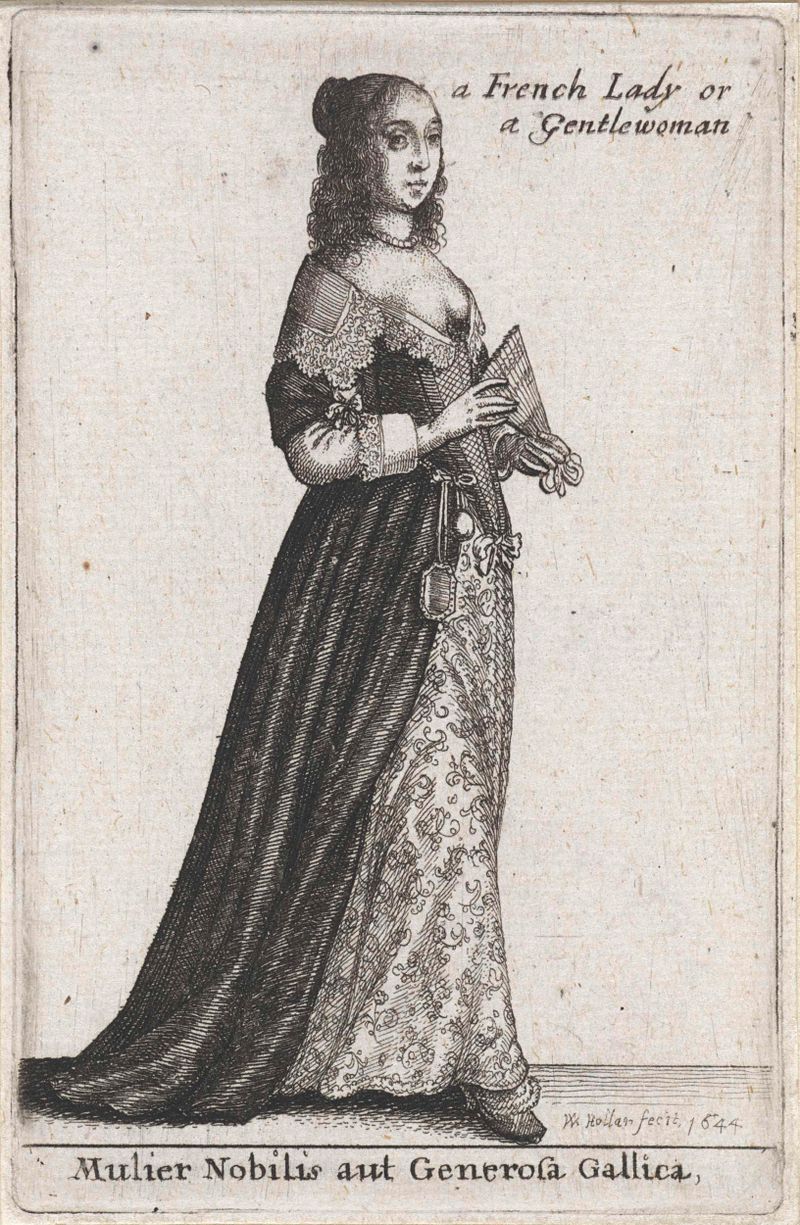
Mulier Nobilis aut Generosa Gallica / a French Lady or Gentlewoman
Wenceslaus Hollar
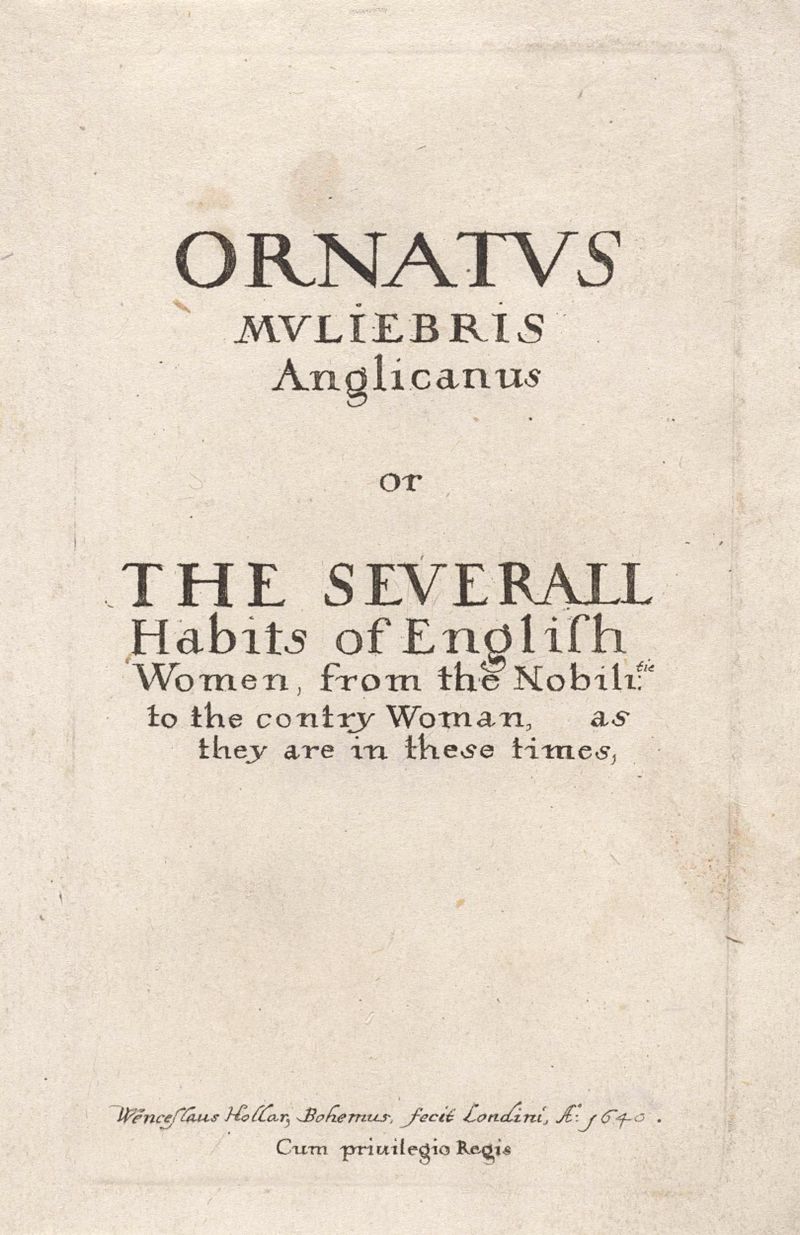
Titelprent voor: Ornatus Muliebris Anglicanus
Wenceslaus Hollar
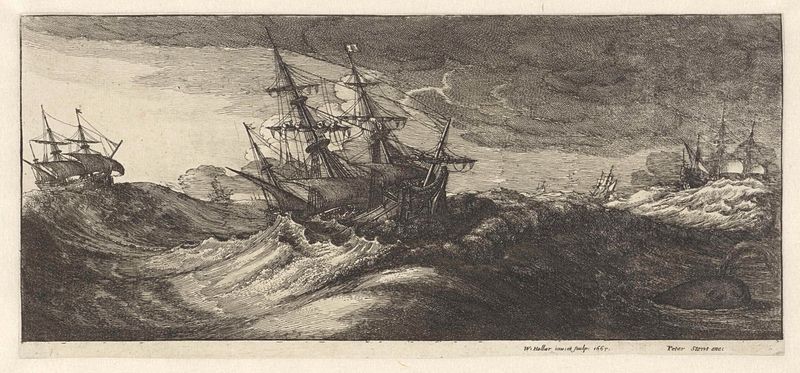
Oorlogsschepen en een walvis in een zeestorm
Wenceslaus Hollar
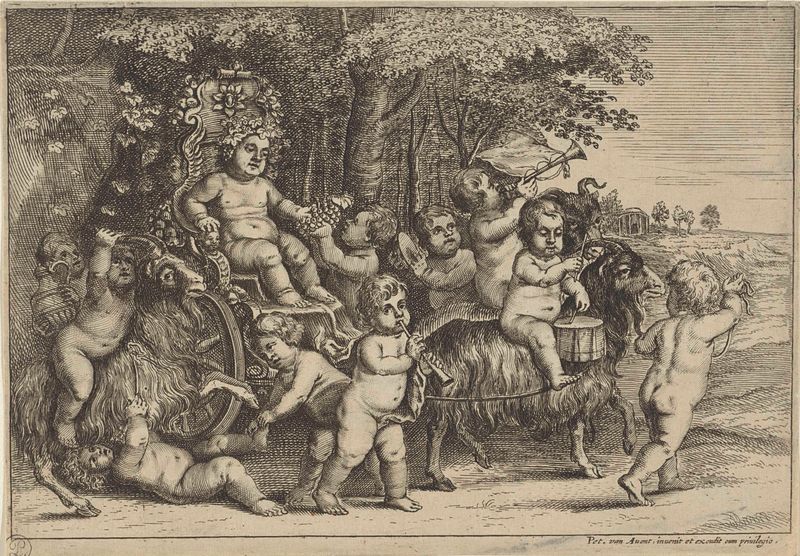
Optocht van bacchant en jongetjes op geiten
Wenceslaus Hollar
Twee libellen en vijf vlinders
Wenceslaus Hollar
Portret van Albrecht Dürer
Wenceslaus Hollar
Ornamenteel ontwerp voor een dolk
Wenceslaus Hollar
Gezicht op Praag vanaf de Moldau
Wenceslaus Hollar