Diana met pijlenkoker, boog en hert — History & Facts
In the quiet corners of the heart, longing resides, captured in the intricate brushstrokes that breathe life into this 16th-century masterpiece. Look to the center of Diana met pijlenkoker, boog en hert, where the goddess stands poised. Her gentle figure commands attention, bathed in a warm yet ethereal light that highlights the delicate contours of her form. Notice how the soft hues of her attire contrast with the rich greens and browns of the surrounding landscape, emphasizing her connection to both nature and the divine.
Each detail, from the arrows in her quiver to the attentive gaze of the deer beside her, pulls the viewer deeper into her tranquil world. The painting resonates with deeper meanings of solitude and yearning. Diana's serene expression belies a sense of isolation, an unfulfilled desire woven through her hunting motif. The deer, a symbol of purity and grace, mirrors her own wistfulness, establishing a silent dialogue between goddess and creature.
This interplay captures the tension between desire and acceptance, a poignant reminder of the unfulfilled longings that define the human experience. In 1530, Jacob Binck painted this work during a time when Northern Renaissance art began exploring themes of mythology alongside profound human emotions. Living in Antwerp, he was influenced by the burgeoning interest in classical antiquity and the detailed realism that characterized the era. This piece reflects not only his technical prowess but also a cultural shift toward an introspection that embraced the complexity of longing within the human condition.
More Artworks by Jacob Binck
Browse all →
Portret van Christiaan II, koning van Denemarken
Jacob Binck

Christus en de Samaritaanse vrouw
Jacob Binck
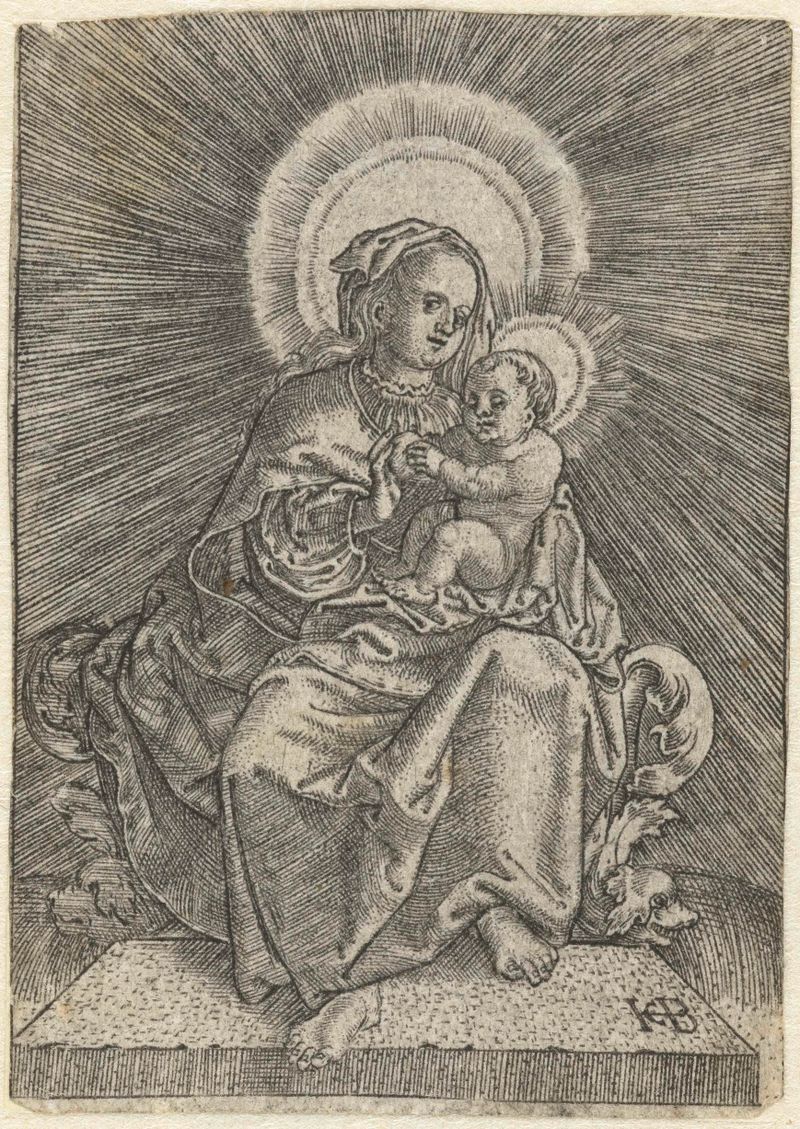
Tronende Maria met kind en appel in stralenkrans
Jacob Binck

Christus op de koude steen
Jacob Binck

Ornament met twee putti op dolfijnen onder een vaas
Jacob Binck
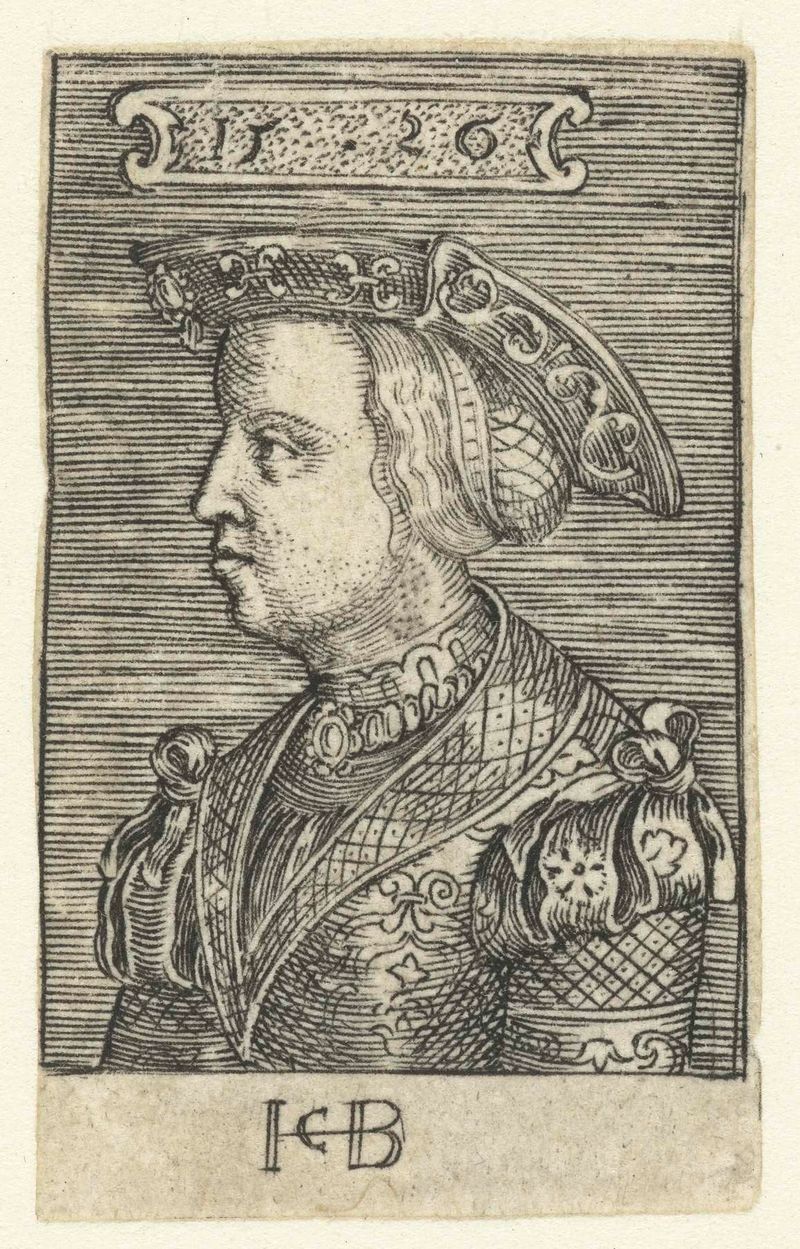
Portret van Claudia van Valois, echtgenote van Frans I
Jacob Binck

Ceres met kroon van korenaren, sikkel, brandende toorts en tweekoppige slang
Jacob Binck
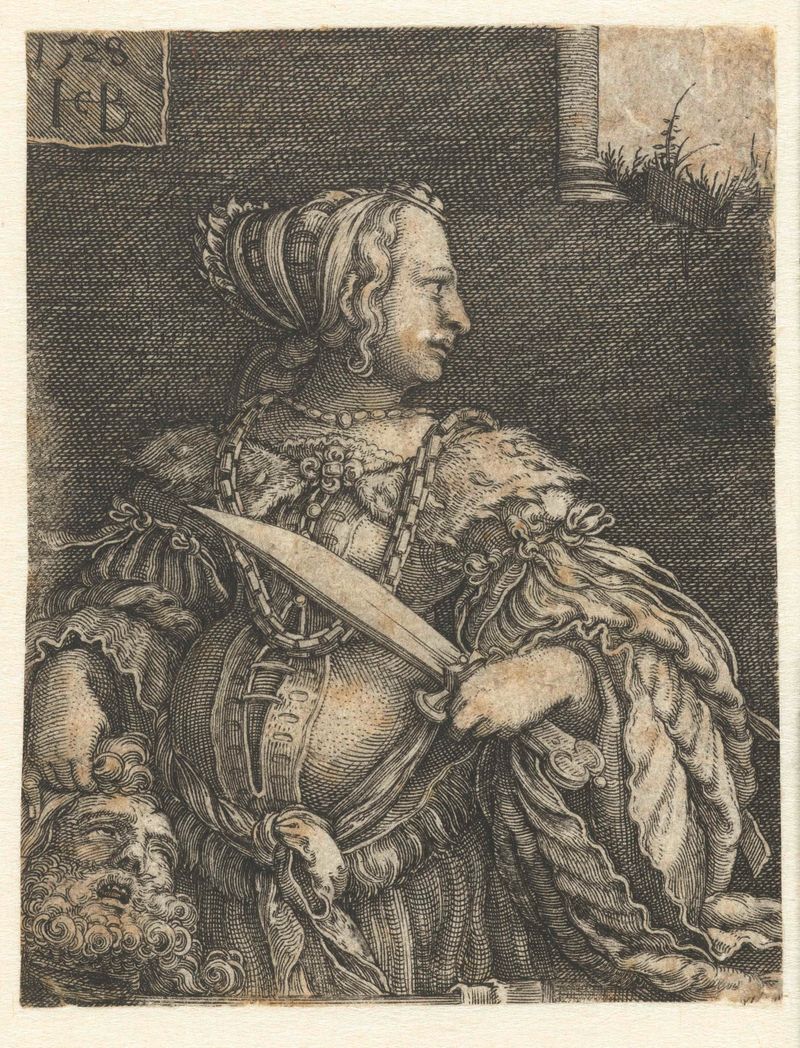
Judith met het hoofd van Holofernes
Jacob Binck
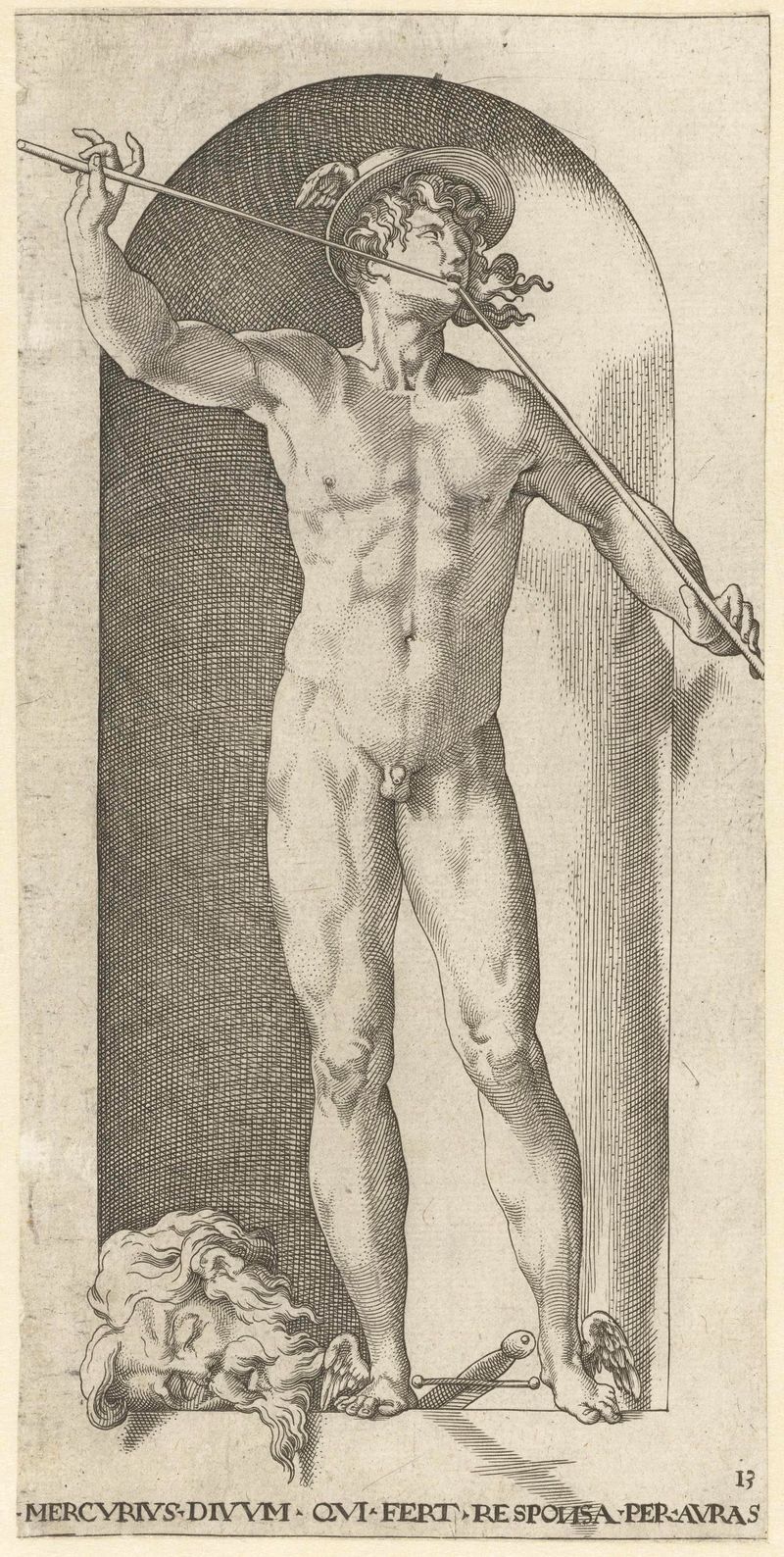
Mercurius met het hoofd van Argus
Jacob Binck

Minerva (Pallas Athena) met Medusahoofd op schild
Jacob Binck