
Die Ebene Von Auvers — History & Facts
In the quietude of Die Ebene Von Auvers, serenity emerges as a refuge amidst the chaos of existence. The landscape unfolds like a whispered secret, inviting us to pause and reflect on the nature of stillness and the passage of time. Look to the left at the gentle undulations of the fields, where vibrant greens and muted yellows blend seamlessly beneath an expansive sky. Notice how the brushstrokes ripple like a soft breeze, creating a textured surface that breathes life into the scene.
The horizon stretches endlessly, embodying both hope and melancholy, as wispy clouds drift lazily, surrendering their shapes to the light that bathes the landscape in a warm glow. There’s a profound contrast between the vibrant earth and the serene sky, evoking a sense of harmony that belies the artist’s inner turmoil. The unblemished fields signify tranquility, yet the restless brushwork hints at an emotional undercurrent—an artist grappling with his demons while yearning for peace. Each stroke pulses with an intensity that reveals deep layers of longing, capturing a fleeting moment that exists between despair and beauty. In June 1890, Van Gogh painted this work during his final months in Auvers-sur-Oise, where he sought solace and healing.
At this juncture, he faced profound personal struggles, yet he channeled his emotional complexity into his art. The Impressionist movement was evolving, and his techniques—the swirling forms and vivid colors—were pushing boundaries, revealing a transformative period in both his life and the wider world of art.
More Artworks by Vincent van Gogh
Browse all →
Starry Night
Vincent van Gogh
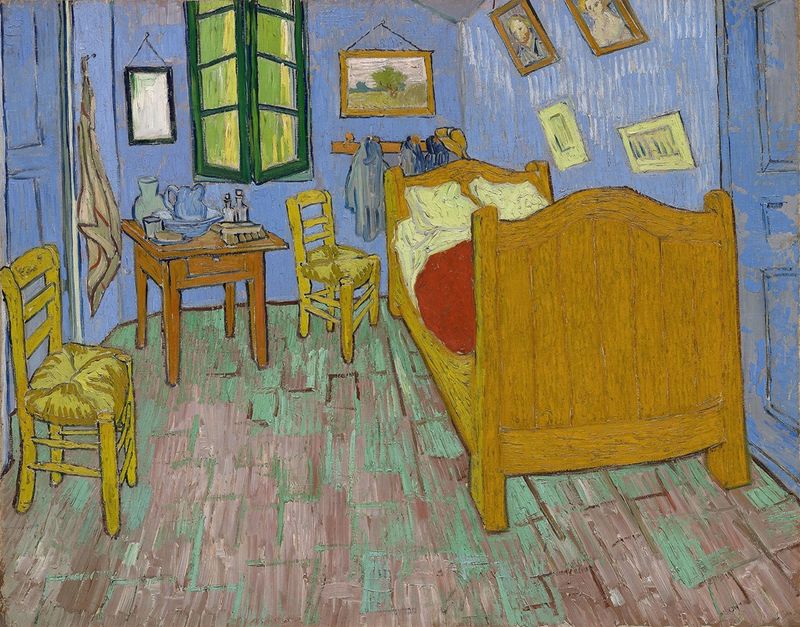
The Bedroom
Vincent van Gogh
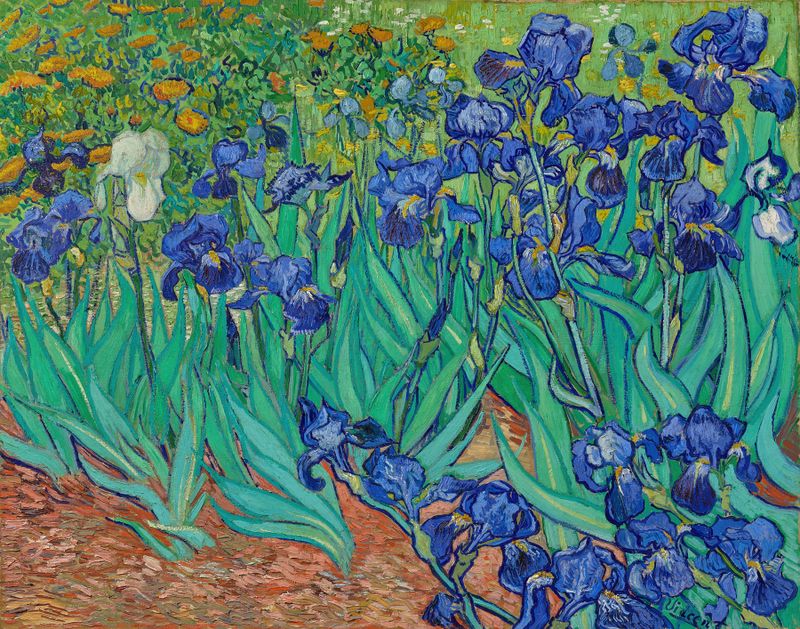
Irises
Vincent van Gogh
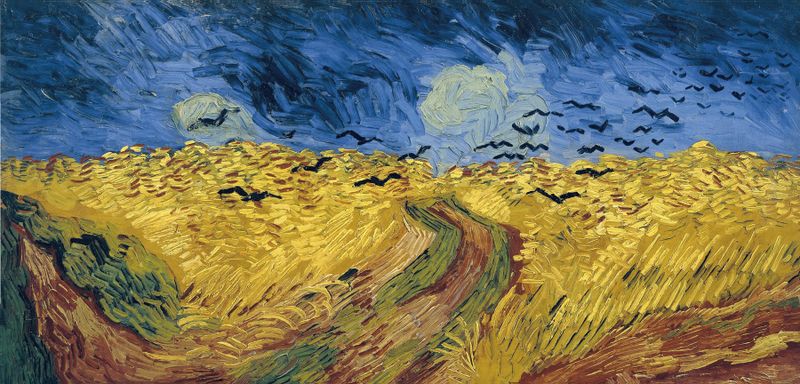
Wheatfield with Crows
Vincent van Gogh
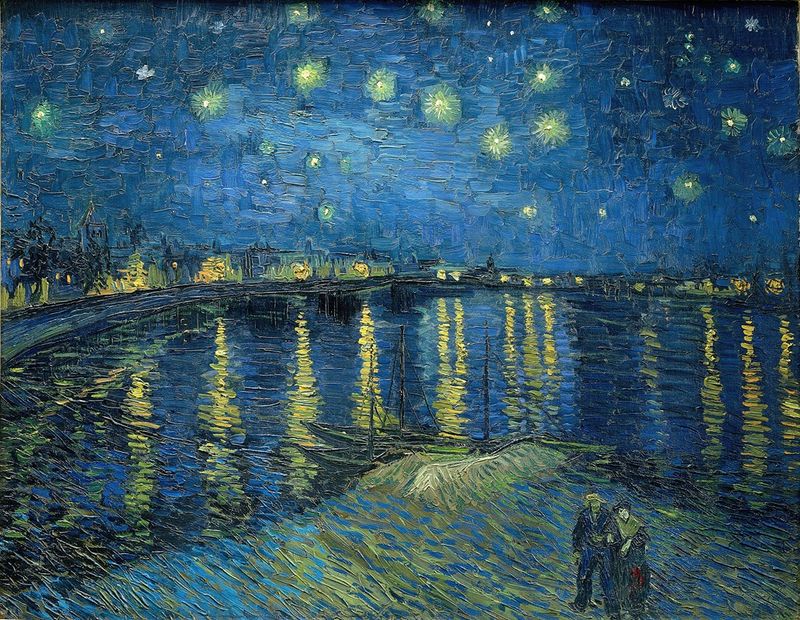
Starry Night over the Rhone
Vincent van Gogh

The yellow house
Vincent van Gogh
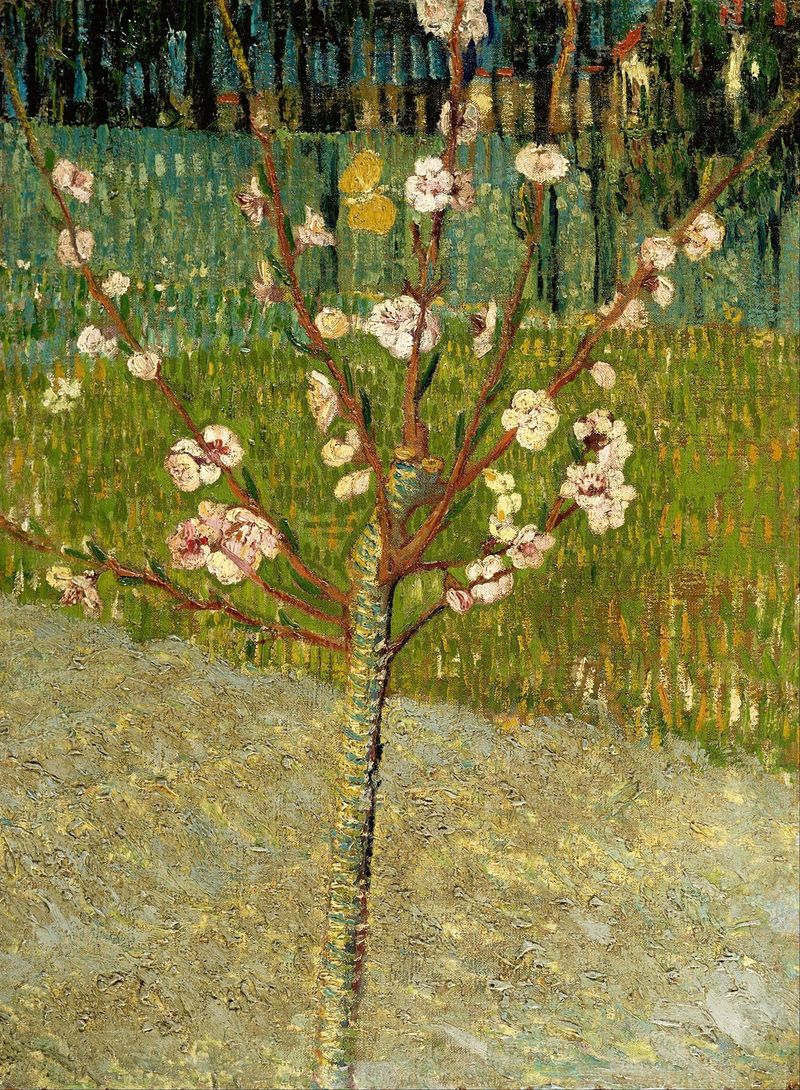
Almond tree in blossom
Vincent van Gogh

Portrait of Dr Gachet
Vincent van Gogh

The Church in Auvers-sur-Oise, View from the Chevet
Vincent van Gogh

Self-Portrait
Vincent van Gogh





