Œdipus — History & Facts
In the echoes of loss, we find ourselves suspended between the past and an uncertain future, grappling with the weight of memory. Begin by examining the central figure, where the gaze of Œdipus draws you in with a profound intensity. His furrowed brow and clenched fists convey an emotional tempest, while his surroundings—a stark, muted palette—contrasts sharply with the potency of his expression. The use of light here is masterful, illuminating his face while casting shadows that hint at an inevitable fate, echoing the tragedy of his story.
As your eyes travel outward, consider how the subtle gestures and the positioning of his body create a narrative tension that invites contemplation of his inner turmoil. Yet, it is in the details that the painting’s deeper significance emerges. The painter's choice to drape Œdipus in dark hues symbolizes the weight of his tragic knowledge, while the desolation of the background speaks to the isolation that follows loss. Each brushstroke seems to capture the essence of despair, inviting the viewer to consider not only the character's fate but also the universal themes of guilt and identity.
The emotional conflict is palpable, embodying both the confrontation with self and the haunting specter of destiny. During the period between 1867 and 1893, the artist was immersed in the academic art scene, navigating the complexities of realism and historical narratives. Gérôme’s works often engaged with themes of antiquity and myth, reflecting both his personal struggles and the broader artistic movements of his time. The creation of this piece spans a significant part of his career, wherein he sought to explore human experience through the lens of ancient tales, delving into the depths of loss and existential reflection.
More Artworks by Jean-Léon Gérôme
Browse all →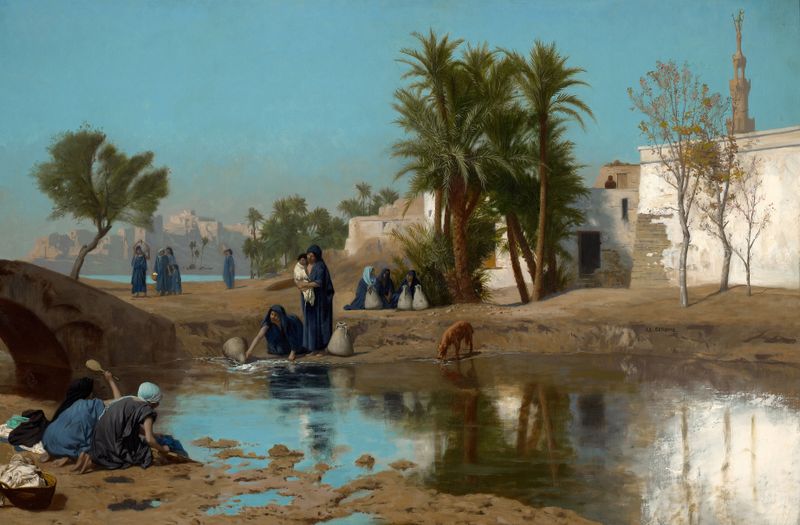
Fellah Women Drawing Water
Jean-Léon Gérôme

Caravan Passing The Colossi Of Memnon, Thebes
Jean-Léon Gérôme
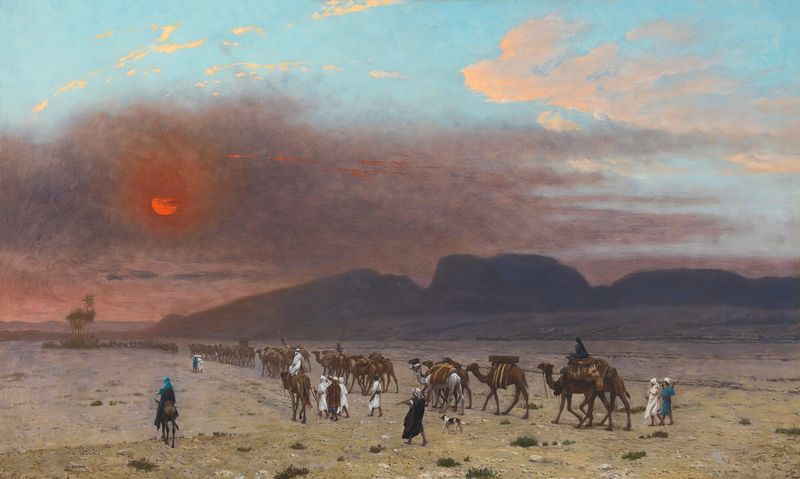
Caravane Dans Le Desert
Jean-Léon Gérôme
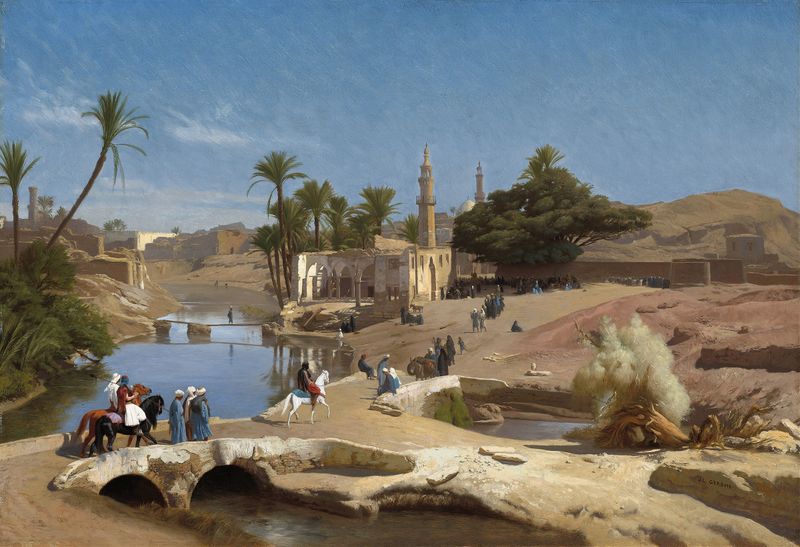
View of Medinet El-Fayoum
Jean-Léon Gérôme

Caravan Passing The Colossi Of Memnon, Thebes
Jean-Léon Gérôme
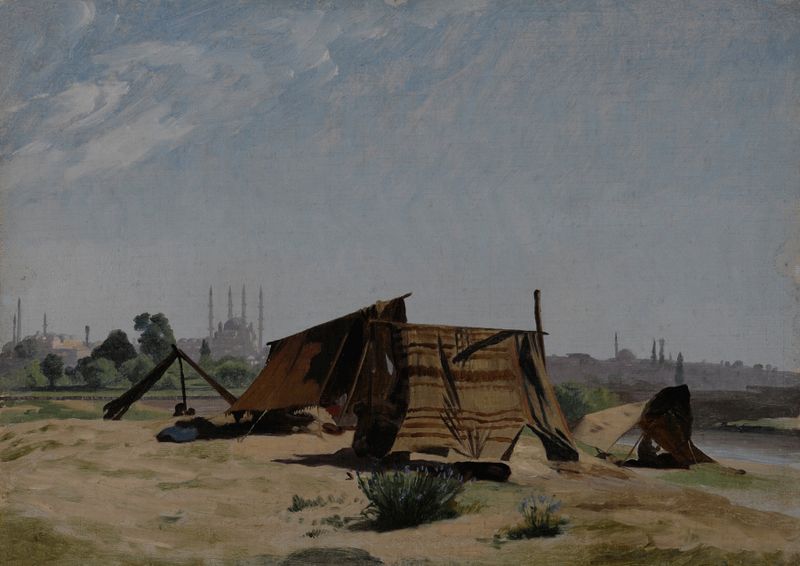
An Encampment before Constantinople
Jean-Léon Gérôme
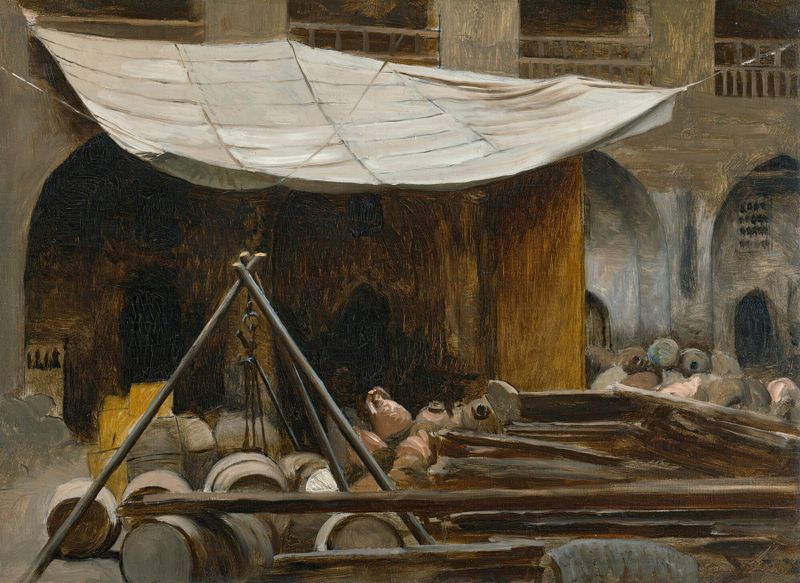
The Citadel, Acre
Jean-Léon Gérôme

Leaving the Oasis
Jean-Léon Gérôme
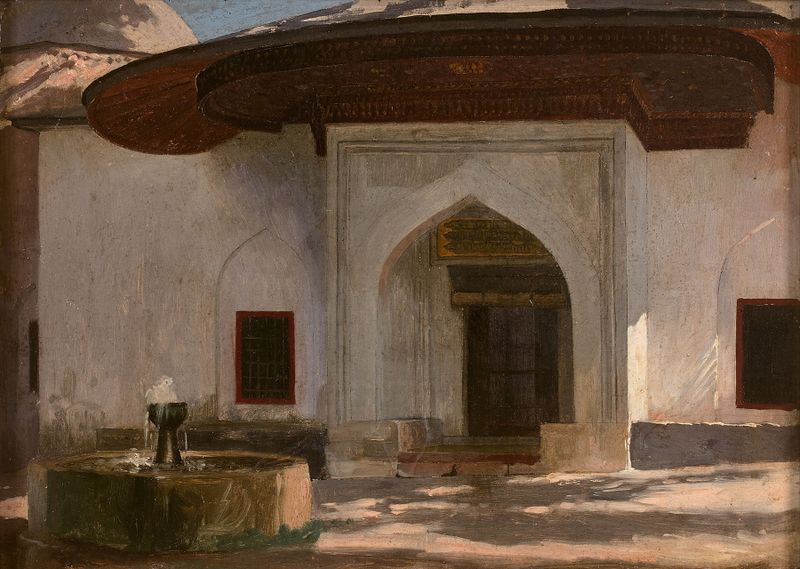
Fontaine à l’entrée d’un monument, probablement en Egypte
Jean-Léon Gérôme

Le monastère de Sainte-Catherine
Jean-Léon Gérôme