
Discovery of the Hudson River — History & Facts
A rainbow arches quietly over the scene, drawing the eye to a moment of encounter that is both charged and uncertain. Light pours through the clouds, illuminating a group of European explorers as they step ashore from their boats, watched intently by the Native inhabitants gathered beneath the trees. The painter sets up a deliberate contrast: the explorers' bright clothing and upright bearing stand out against the shadowed forest, while the indigenous figures, painted in earthier tones, blend with the land itself.
The ships in the background, their sails catching the last of the sunlight, remind us that this is not just a meeting but an arrival—one that will change the river and its people forever. Works like Discovery of the Hudson River belong to a tradition of 19th-century American landscape painting that sought to capture both the grandeur of the land and the drama of its history. Artists of the Hudson River School—a movement that flourished in the mid-1800s—often painted scenes that balanced awe for the natural world with narratives of exploration and encounter, reflecting the era’s fascination with westward expansion and the idea of manifest destiny. While little is recorded about this particular painting’s journey or its original purpose, its presence in a modern collection (dated 03/03/2026, per the source) invites us to reflect on how such images once shaped, and still shape, the stories we tell about discovery, belonging, and landscape.
The rainbow, fragile and fleeting, lingers as a reminder to look again at the meeting of worlds.
More Artworks by Albert Bierstadt

A Storm in the Rocky Mountains, Mt. Rosalie
Albert Bierstadt
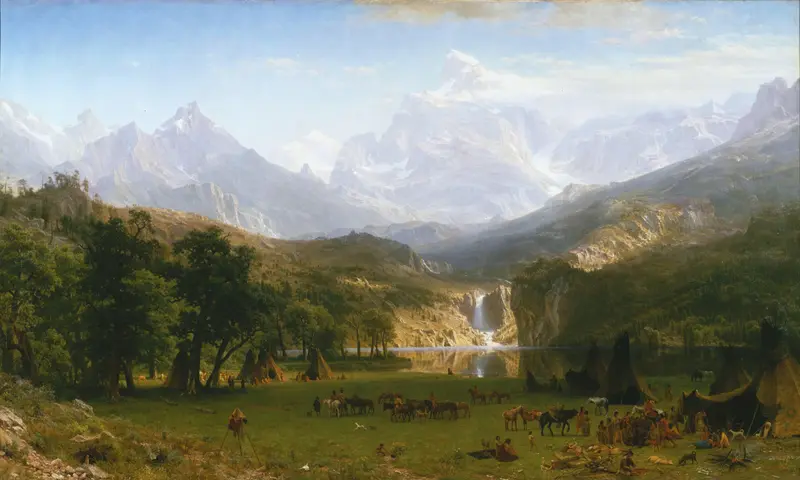
The Rocky Mountains, Lander's Peak
Albert Bierstadt
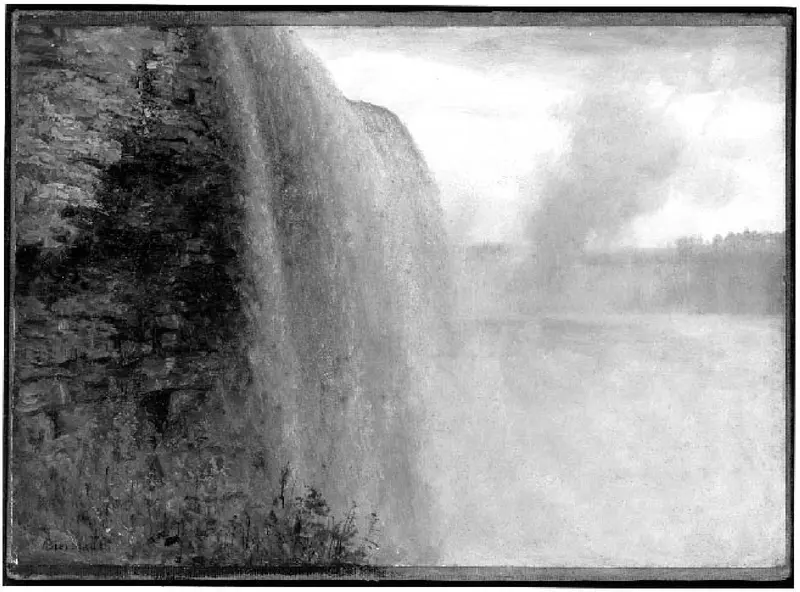
Niagara from the American Side
Albert Bierstadt
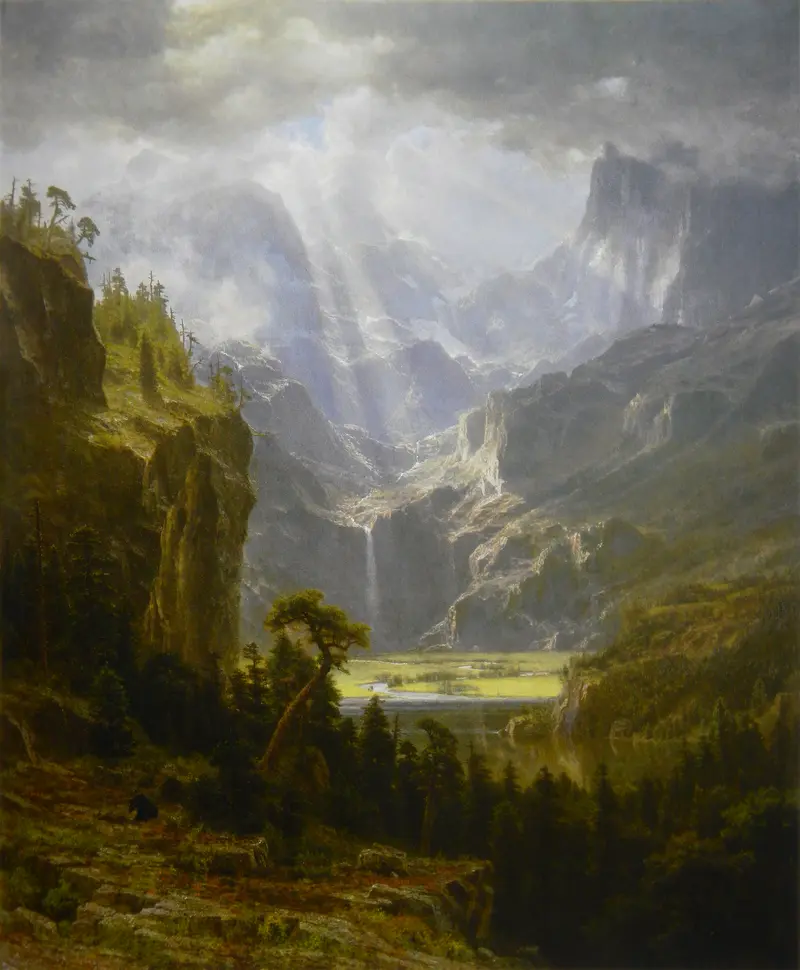
Rocky Mountains, Lander’s Peak
Albert Bierstadt

Valley of the Yosemite
Albert Bierstadt
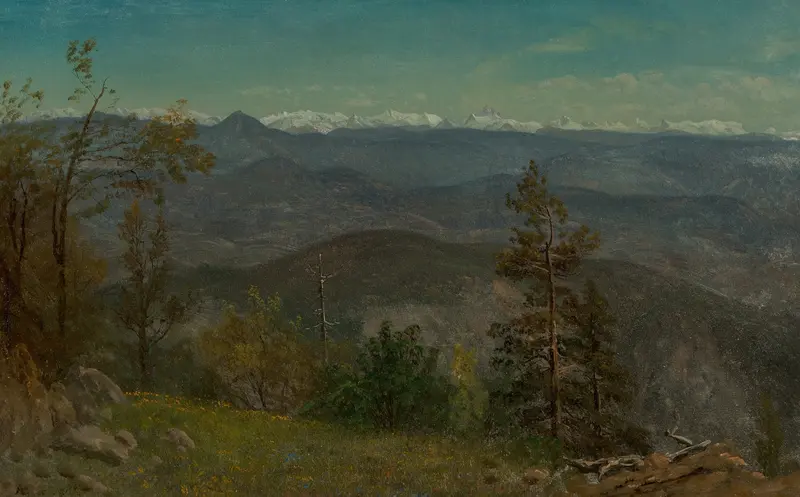
Yosemite Valley, California
Albert Bierstadt
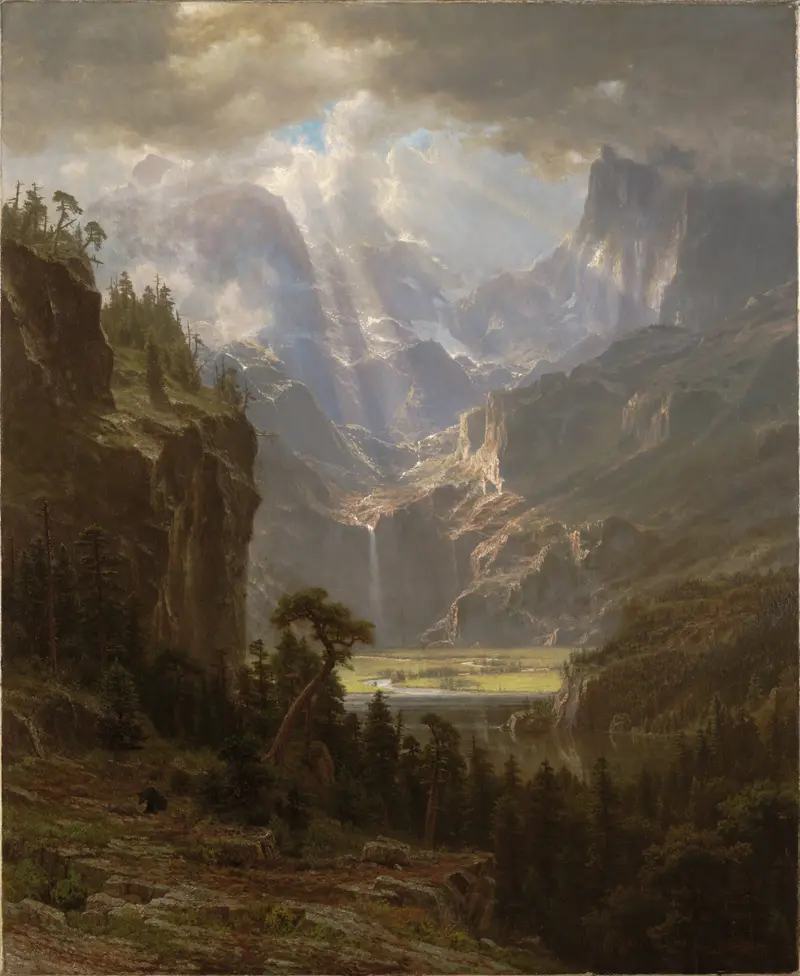
Rocky Mountains, "Lander's Peak"
Albert Bierstadt

Laramie Peak
Albert Bierstadt
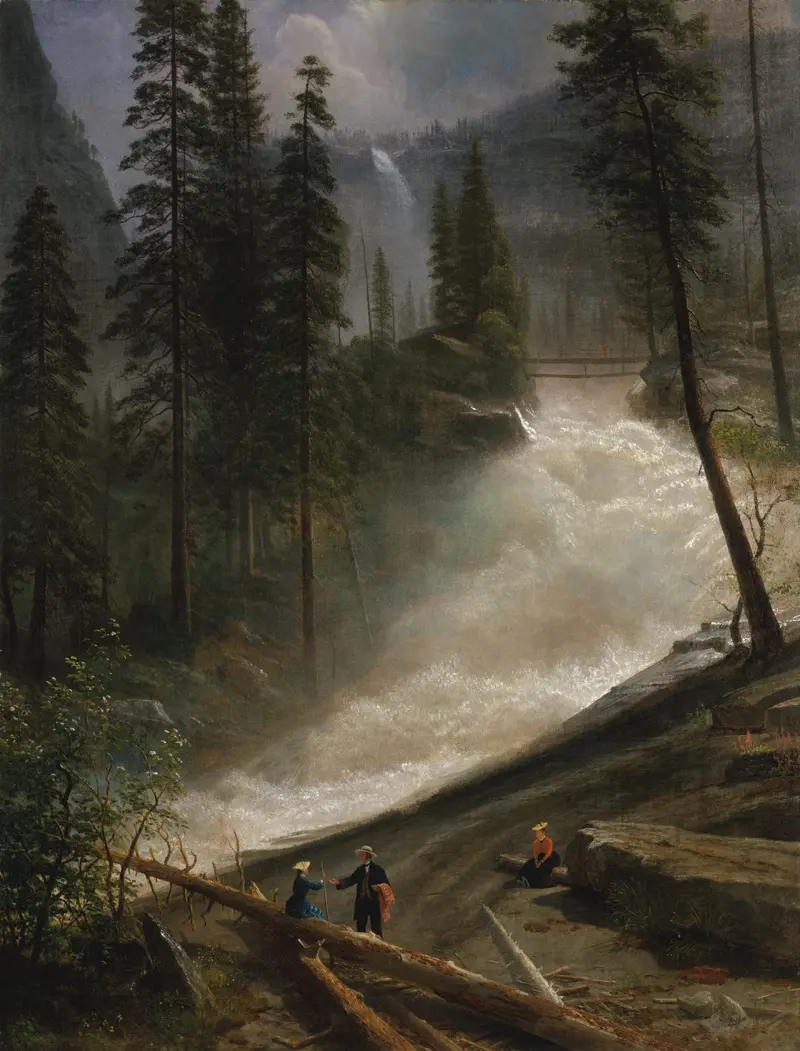
Nevada Falls, Yosemite
Albert Bierstadt
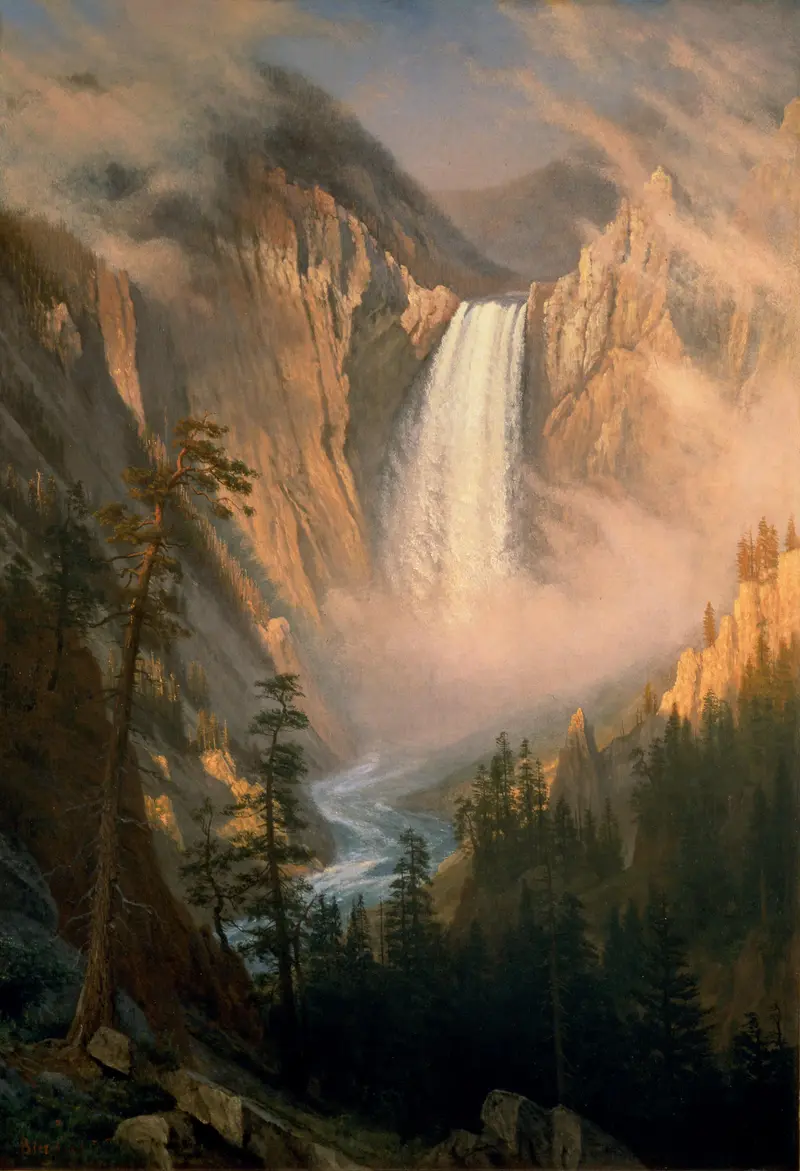
Yellowstone Falls
Albert Bierstadt
More Landscape Art

The Starry Night
Vincent van Gogh

View of Delft
Johannes Vermeer

Water Lilies
Claude Monet

The Grand Canal, Venice, looking north-west from the Ca' Corner to the Ca' Contarini degli Scrigni, with the campanile of Santa Maria della Carità
Canaletto

Windsor Castle
Canaletto

The Grand Canal looking North-East from the Palazzo Dolfin-Manin to the Rialto Bridge
Canaletto