
Division of Sledges passing Cape Lady Franklin; Extraordinary masses of ice pressed against the North Shore of Bathurst Land — History & Facts
In the stillness of an icy expanse, the weight of isolation is palpable. Each brushstroke whispers stories of resilience amidst the relentless chill, inviting reflection on the fragility of both man and nature. Focus on the striking contrast between the tumultuous masses of ice and the fragile figures navigating their unforgiving terrain. The icy blues and whites dominate the canvas, creating a sense of cold confinement.
Notice how the light glimmers on the ice, transforming it into a shimmering labyrinth, while the dark silhouettes of the sledges and figures hint at human vulnerability. The composition draws the eye from the foreground’s struggle to the distant horizon, crafting a powerful narrative of endurance. Within this stark landscape, emotional tensions abound. The immense, oppressive ice serves not only as an obstacle but also as a metaphor for the isolation and melancholy of exploration.
The insignificance of the human figures against nature's grandeur suggests an existential reflection on ambition and the limits of human endeavor. Every detail, from the weary stance of the sledges to the men’s resolute expressions, weaves a complex tapestry of both hope and despair. Walter William May painted this work in 1855 while on an expedition in the Arctic regions, capturing a moment rife with both ambition and uncertainty. At this time, the allure of polar exploration was at its peak, fueled by the age of discovery and scientific inquiry.
May's depiction reflects not only his personal experiences but also the broader cultural fascination with the unknown, bridging the gap between man and the vast, unforgiving wilderness.
More Artworks by Walter William May
Browse all →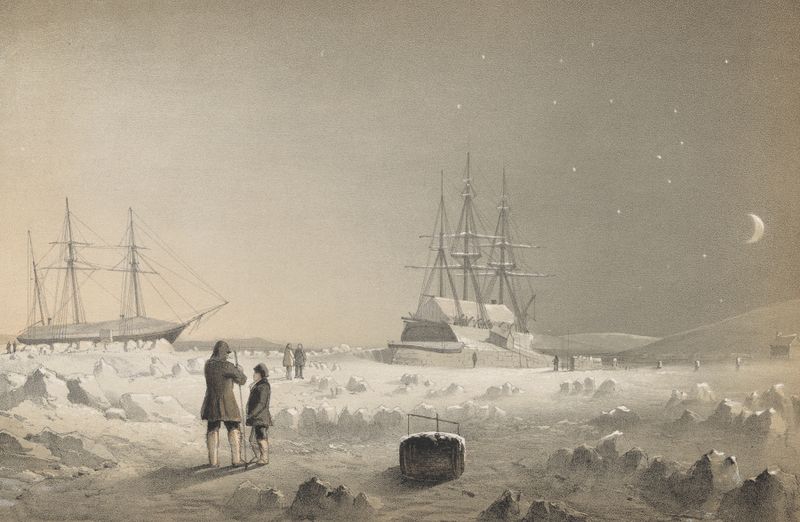
H.M.S. Assistance and Pioneer in Winter Quarters—Returning Daylight
Walter William May
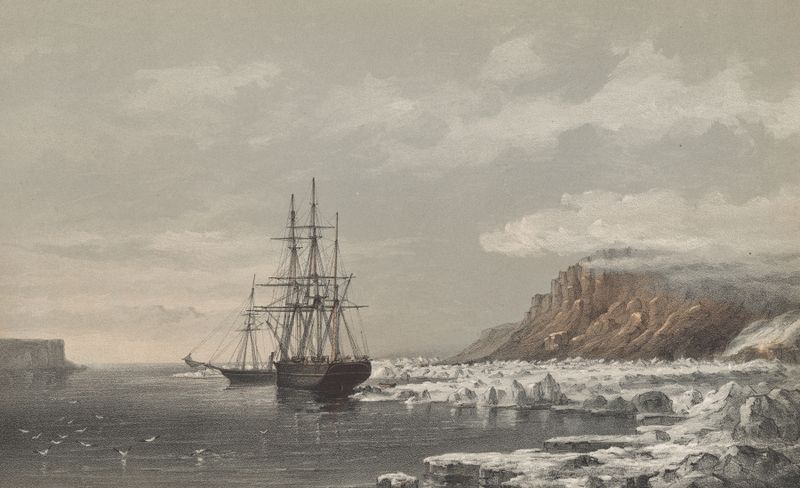
H.M.S. Assistance and Pioneer fast to the Floe, off Cape Majendie, Wellington Channel, 1853
Walter William May
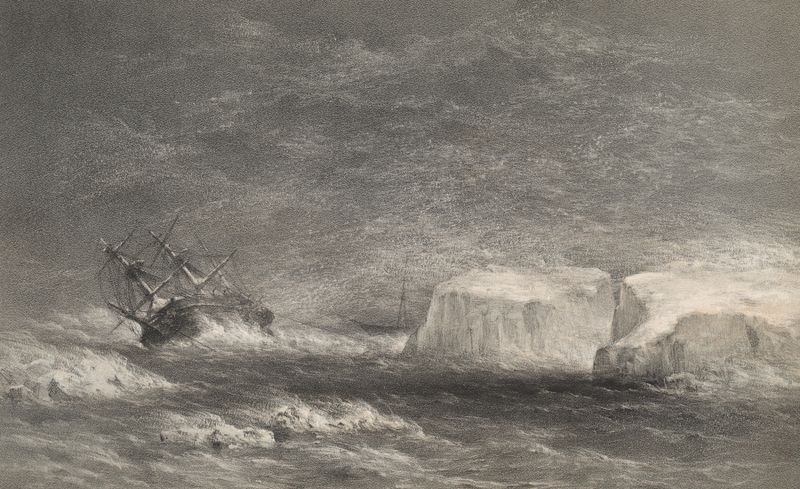
Perilous position of H.M.S. Assistance and Pioneer, on the evening of the 12th of October, 1853.—Disaster Bay
Walter William May
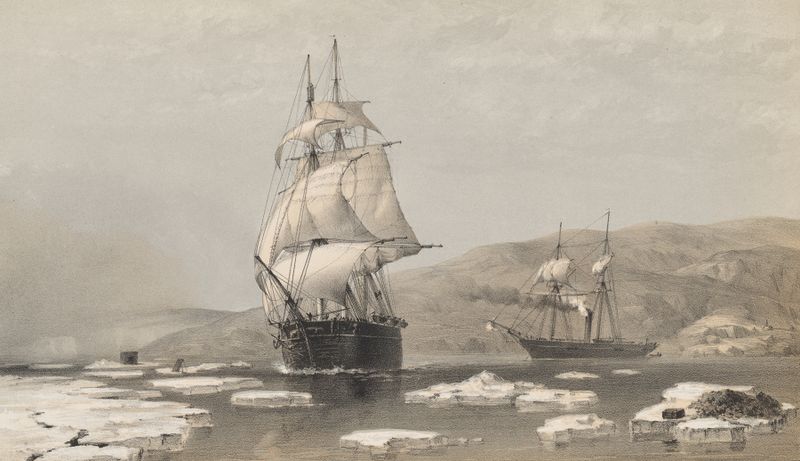
H.M.S. Assistance and Pioneer breaking out of Winter Quarters, 1854
Walter William May
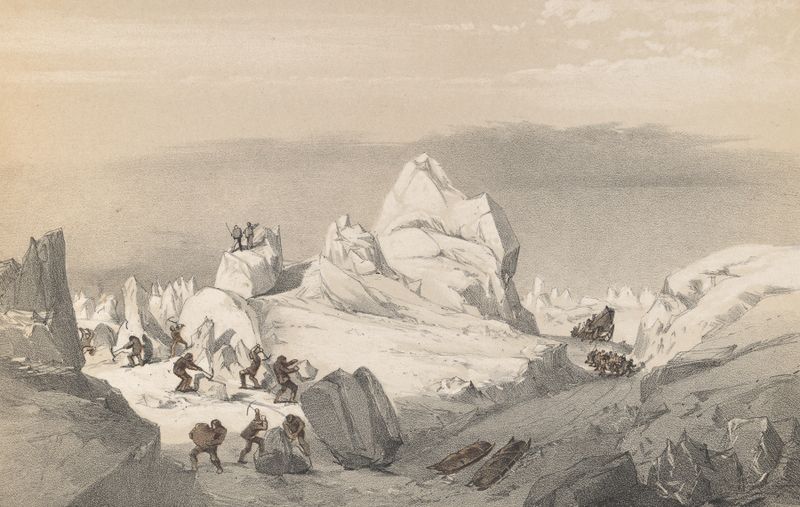
Division of Sledges finding and cutting a road through heavy hummocks, in the Queen’s Channel
Walter William May
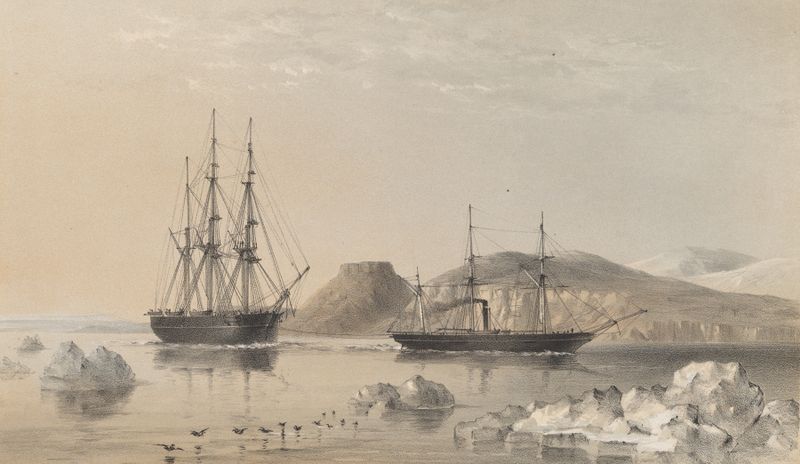
H.M.S. Assistance, in tow of the Pioneer (Captain Sherard Osborn), Passing John Barrow Mount, North of Wellington Channel, 1853
Walter William May
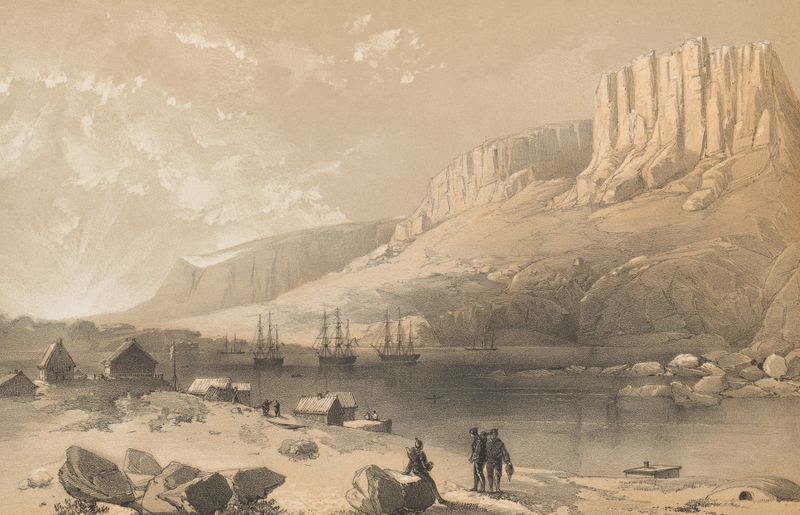
The Arctic Squadron in Leevly Harbour, Island of Disco, West Coast of Greenland
Walter William May
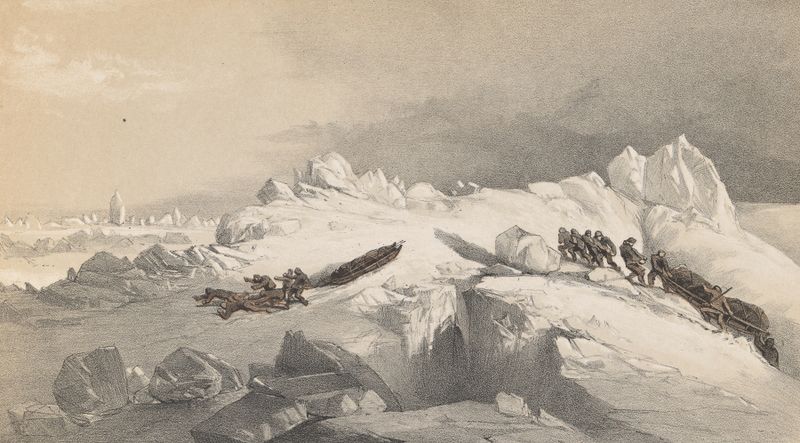
Division of Sledges finding and cutting a road through heavy hummocks, in the Queen’s Channel
Walter William May
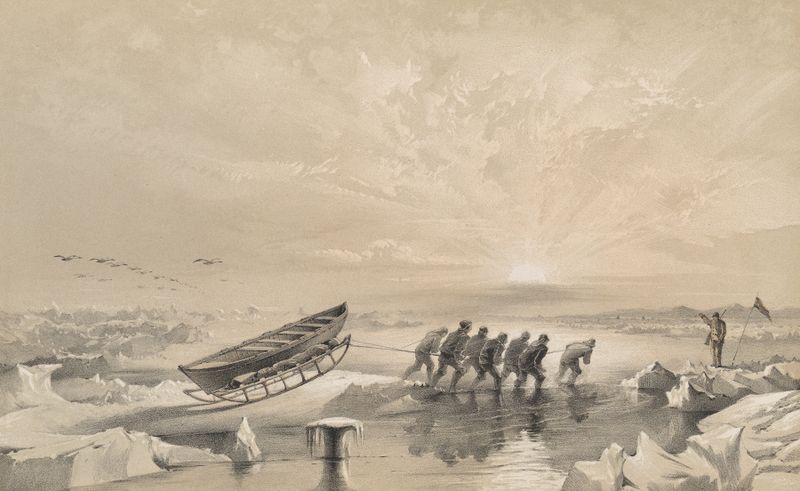
Sledge party returning through water during the month of July
Walter William May
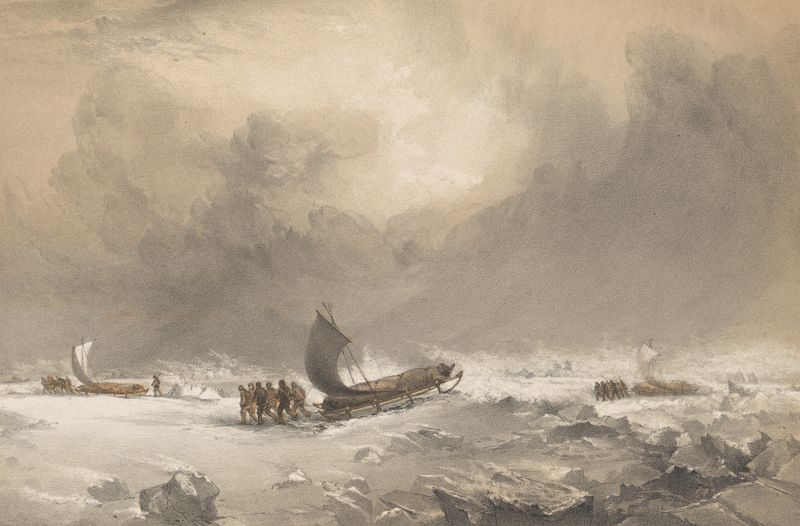
Sledges in a fresh fair wind, going over Hummocky Ice
Walter William May





