
Perilous position of H.M.S. Assistance and Pioneer, on the evening of the 12th of October, 1853.—Disaster Bay — History & Facts
When did color learn to lie? In the hands of Walter William May, hues weave tales that speak louder than reality itself, revealing the fragility of human endeavor against nature's relentless fury. Begin your exploration by focusing on the tumultuous sea, its waves crashing with a chaotic rhythm that demands attention. Look closely at the darkening sky, where ominous clouds loom, capturing the unsettling atmosphere of impending disaster. The ships, caught in this treacherous tableau, appear stark against the swirling, deep blues and greys of the storm.
May's deft brushwork conveys movement, drawing the viewer into the heart of the storm—the swirling eddies of water engage the eye, inviting an emotional response to the struggle of the vessels. Beneath the surface of this maritime nightmare lies a profound commentary on human vulnerability. The sharp contrast between the fragile ships and the immense, uncaring ocean evokes a sense of existential dread. The light piercing through the clouds serves as a fleeting symbol of hope, suggesting that even in chaos, resilience can flicker.
Yet, the muted palette hints at the melancholy of failure, reminding us of the stark reality that nature often prevails over human ambition. Created in 1855, this piece reflects a pivotal moment for May, who was navigating the waters of artistic reputation during a time of maritime exploration. The mid-19th century saw burgeoning interest in marine subjects, propelled by advances in naval technology and a romantic fascination with the sea. May's work captures not just the visual, but the emotional essence of an era grappling with the boundaries of human strength against the vastness of nature.
More Artworks by Walter William May
Browse all →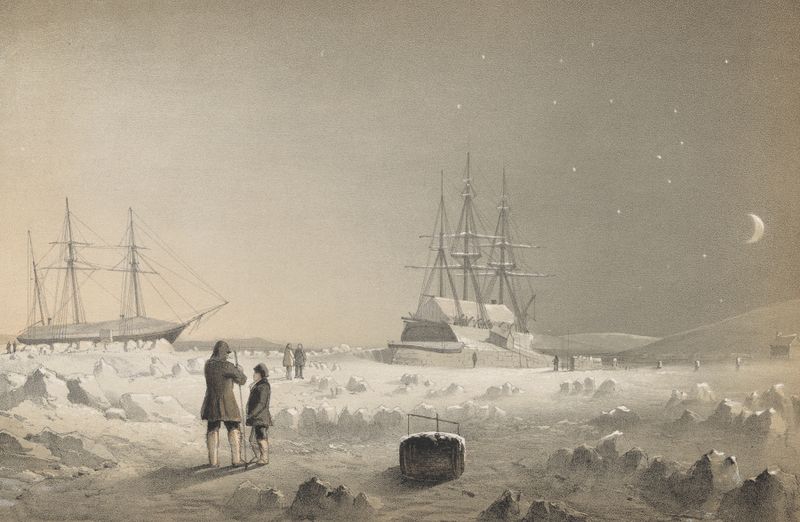
H.M.S. Assistance and Pioneer in Winter Quarters—Returning Daylight
Walter William May
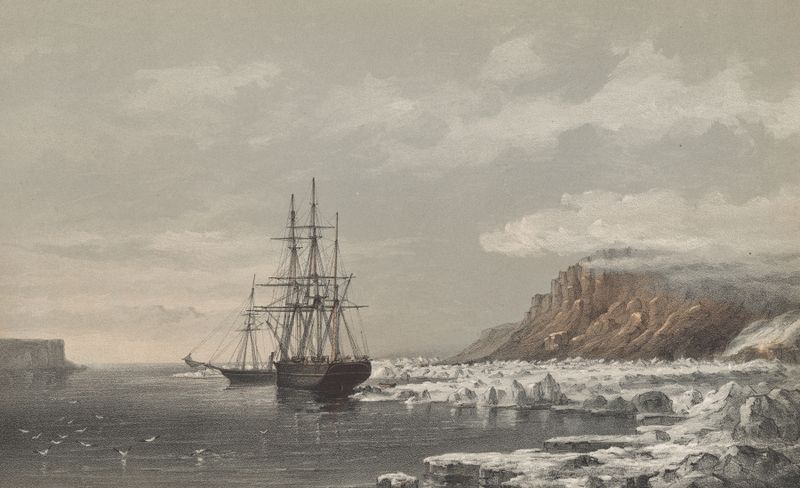
H.M.S. Assistance and Pioneer fast to the Floe, off Cape Majendie, Wellington Channel, 1853
Walter William May
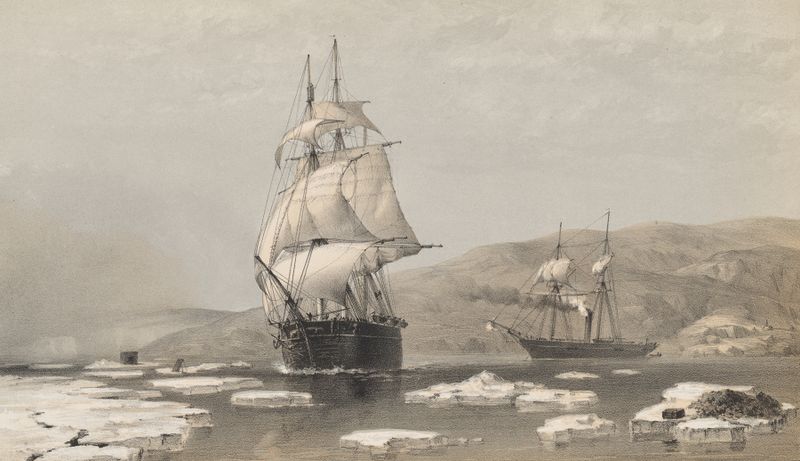
H.M.S. Assistance and Pioneer breaking out of Winter Quarters, 1854
Walter William May
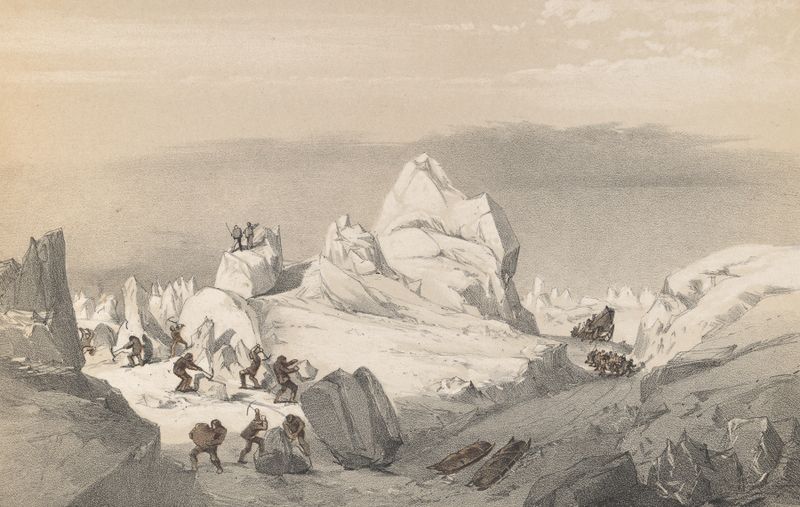
Division of Sledges finding and cutting a road through heavy hummocks, in the Queen’s Channel
Walter William May
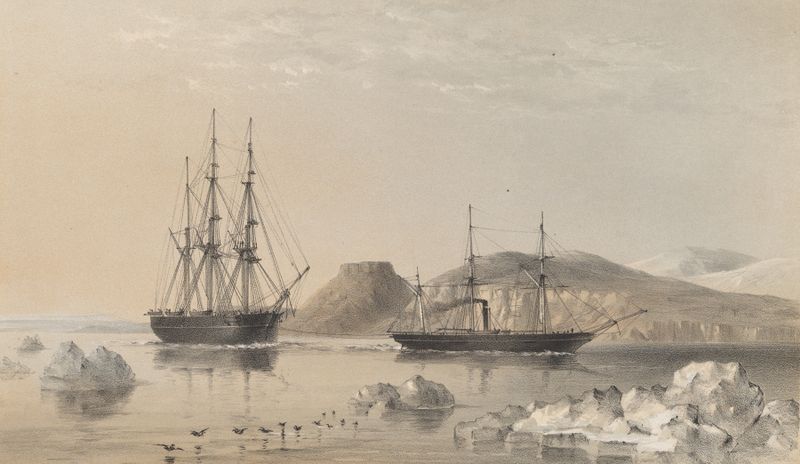
H.M.S. Assistance, in tow of the Pioneer (Captain Sherard Osborn), Passing John Barrow Mount, North of Wellington Channel, 1853
Walter William May
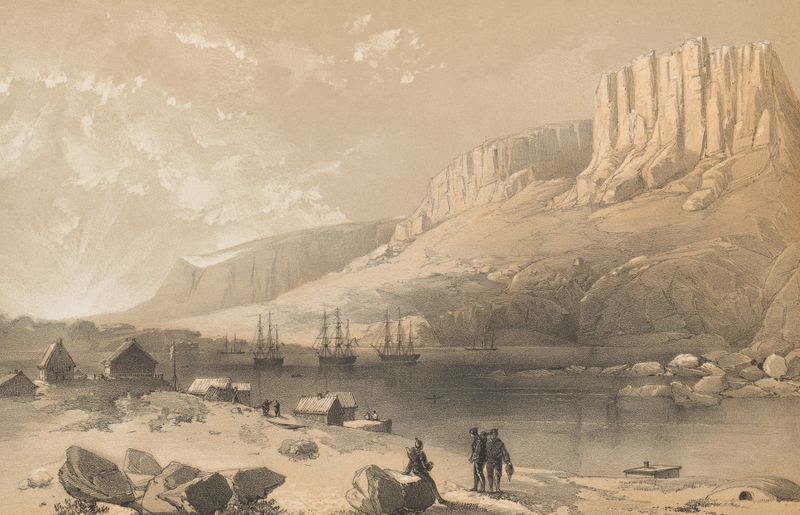
The Arctic Squadron in Leevly Harbour, Island of Disco, West Coast of Greenland
Walter William May
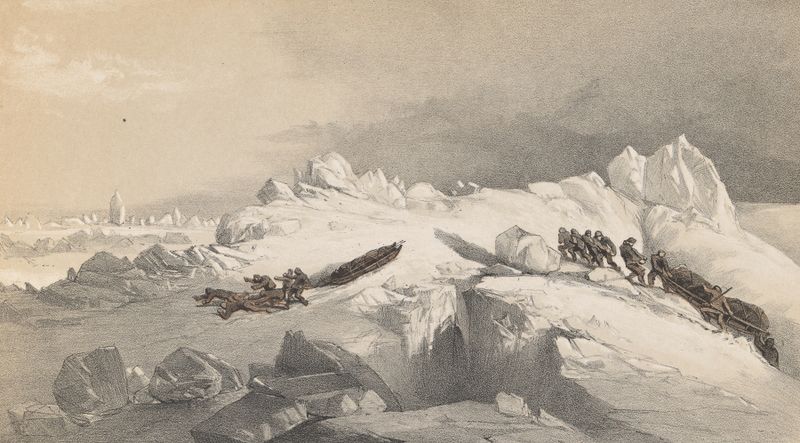
Division of Sledges finding and cutting a road through heavy hummocks, in the Queen’s Channel
Walter William May
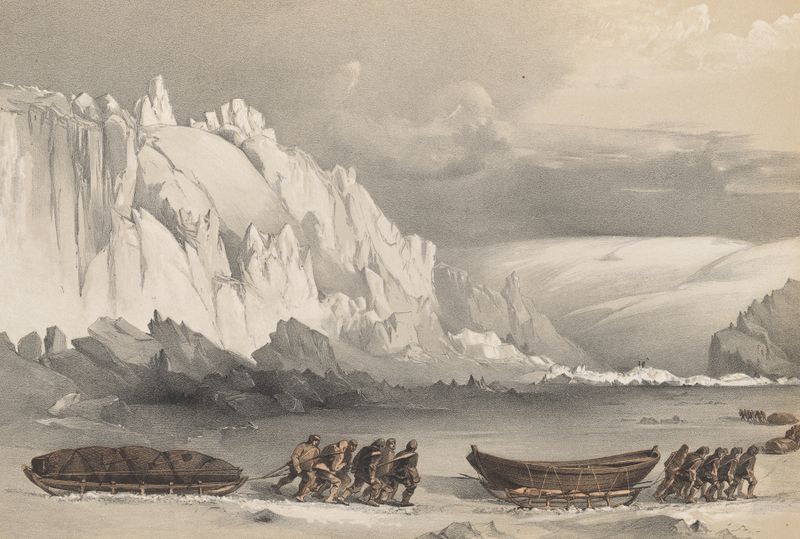
Division of Sledges passing Cape Lady Franklin; Extraordinary masses of ice pressed against the North Shore of Bathurst Land
Walter William May
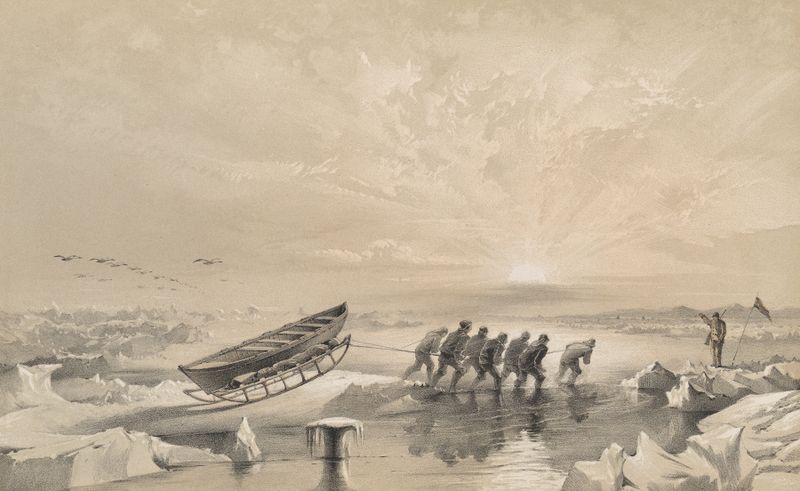
Sledge party returning through water during the month of July
Walter William May
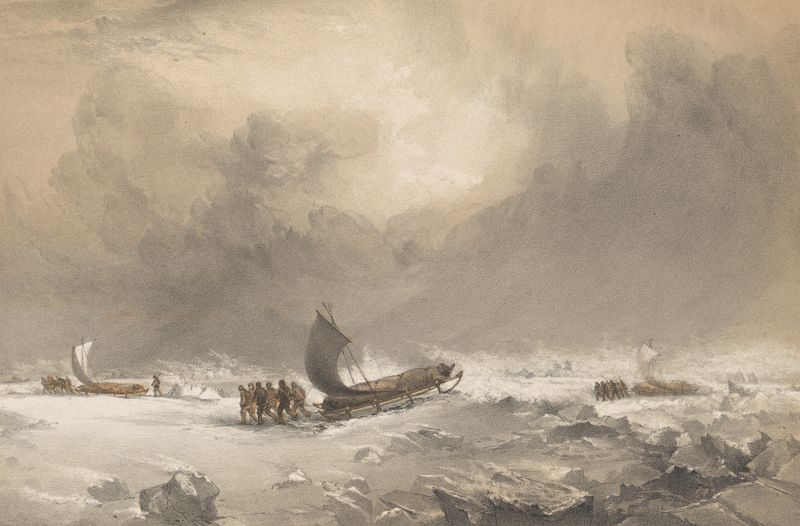
Sledges in a fresh fair wind, going over Hummocky Ice
Walter William May





