
H.M.S. Assistance, in tow of the Pioneer (Captain Sherard Osborn), Passing John Barrow Mount, North of Wellington Channel, 1853 — History & Facts
In the realm of dreams, the vast expanse of nature whispers tales of exploration and solitude. Here, we find ourselves anchored in a moment suspended between reality and the ethereal. Focus on the left side of the canvas where the ship, H.M.S. Assistance, emerges with a sense of purpose against the muted blues and grays of the sky.
Notice how the brushstrokes mimic the restless waves, each stroke a gentle reminder of the sea's temperament. The warm hues of sunlight kiss the ship’s sails, contrasting beautifully with the cool tones of the ocean, inviting the eye to traverse this maritime expanse. The composition draws the viewer's gaze toward the distant silhouette of John Barrow Mount, a tranquil yet imposing presence that looms over the scene. The painting encapsulates the tension between human endeavor and the formidable power of nature.
The ship's sturdy structure represents human resilience, while the ominous clouds hint at the unpredictability of the voyage ahead. This contrast between the bright sails and the encroaching storm serves as a metaphor for the duality of hope and uncertainty that accompanies every journey into the unknown. The distant mountains, shrouded in fog, reflect the mystery that lies beyond what is visible, inviting contemplation of what is left unseen. Walter William May painted this remarkable scene in 1855, during a time when maritime exploration was both dangerous and exhilarating.
He was deeply influenced by the Romantic movement, which emphasized the sublime power of nature and humanity’s place within it. In this period, the world was brimming with discoveries as explorers sought to chart the uncharted, making the backdrop of this artwork resonate with the spirit of adventure that defined the era.
More Artworks by Walter William May
Browse all →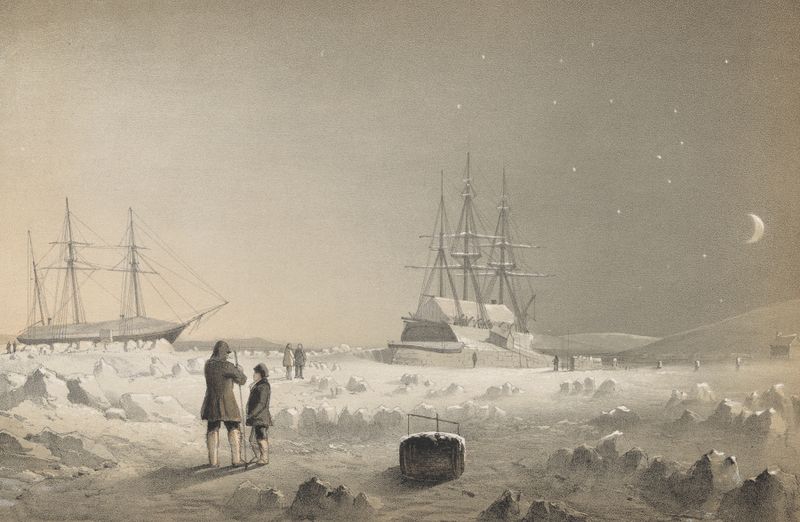
H.M.S. Assistance and Pioneer in Winter Quarters—Returning Daylight
Walter William May
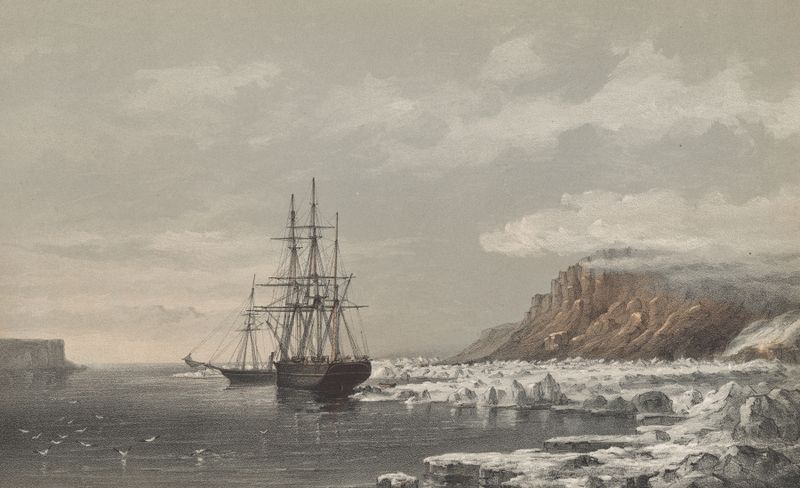
H.M.S. Assistance and Pioneer fast to the Floe, off Cape Majendie, Wellington Channel, 1853
Walter William May
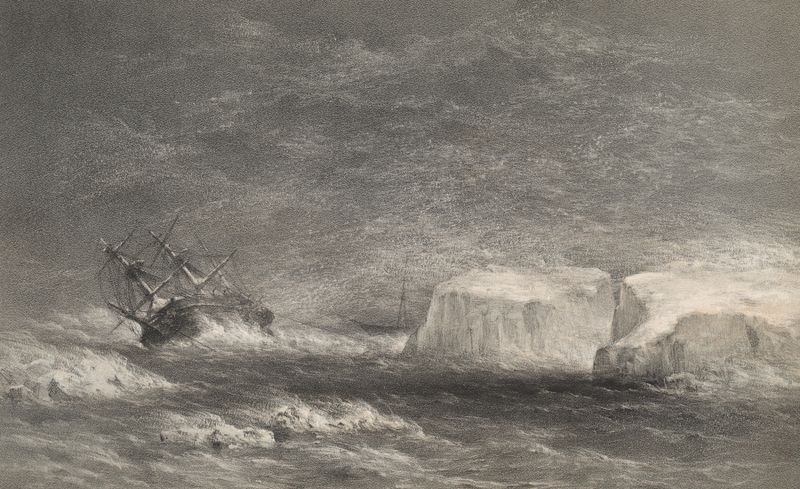
Perilous position of H.M.S. Assistance and Pioneer, on the evening of the 12th of October, 1853.—Disaster Bay
Walter William May
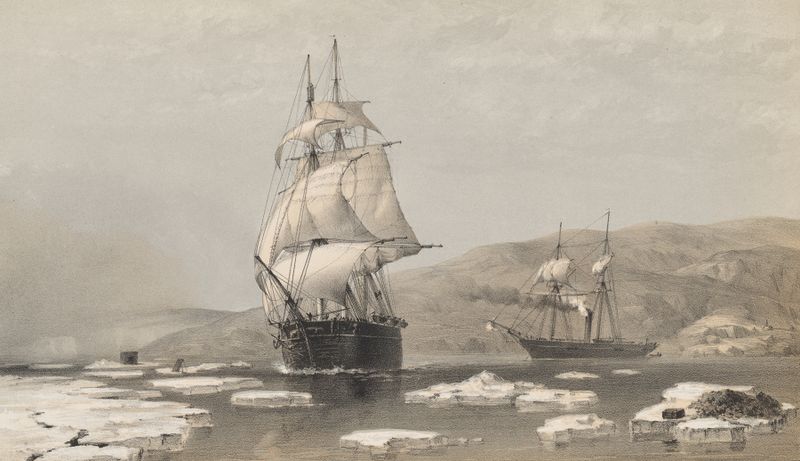
H.M.S. Assistance and Pioneer breaking out of Winter Quarters, 1854
Walter William May
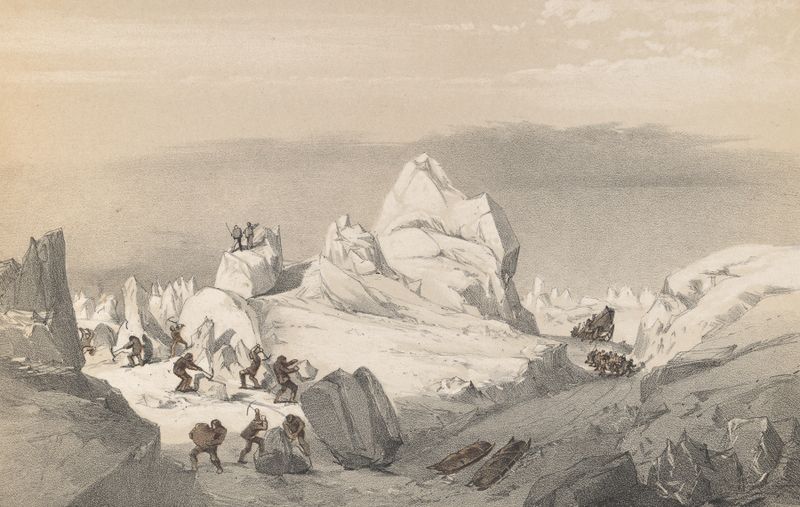
Division of Sledges finding and cutting a road through heavy hummocks, in the Queen’s Channel
Walter William May
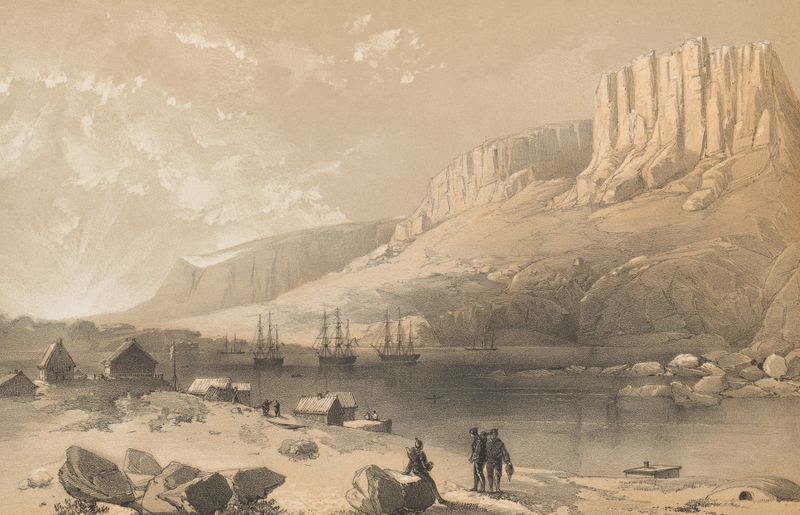
The Arctic Squadron in Leevly Harbour, Island of Disco, West Coast of Greenland
Walter William May
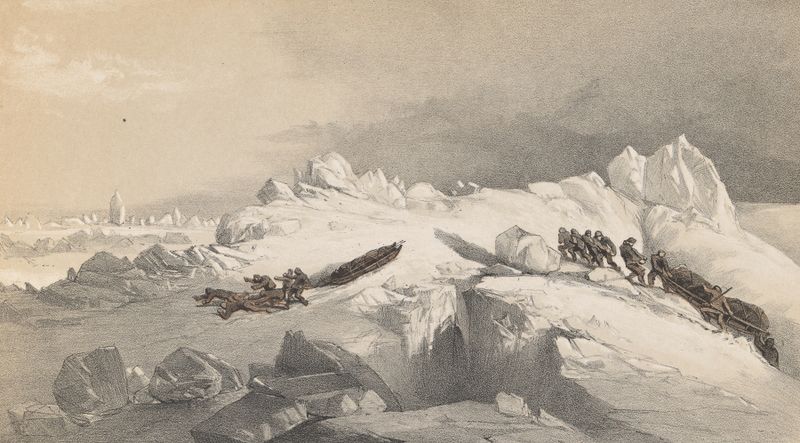
Division of Sledges finding and cutting a road through heavy hummocks, in the Queen’s Channel
Walter William May
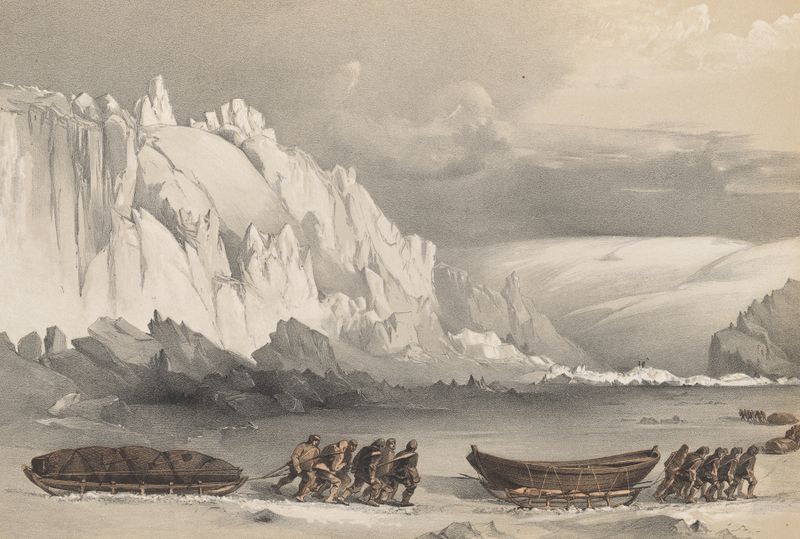
Division of Sledges passing Cape Lady Franklin; Extraordinary masses of ice pressed against the North Shore of Bathurst Land
Walter William May
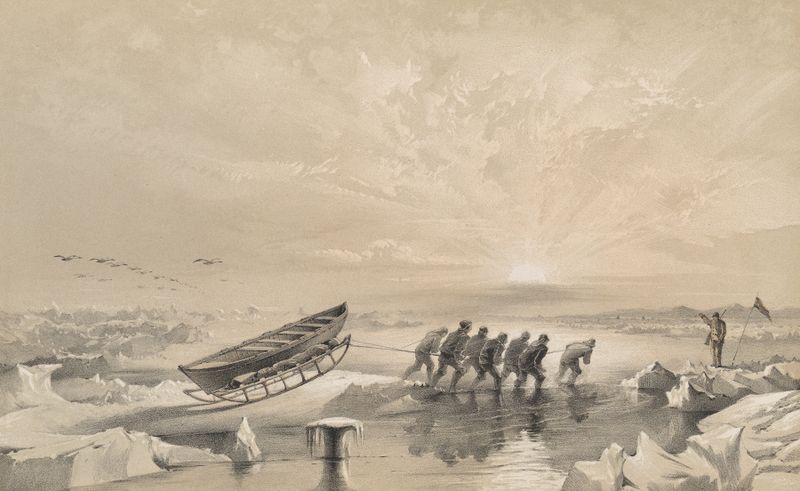
Sledge party returning through water during the month of July
Walter William May
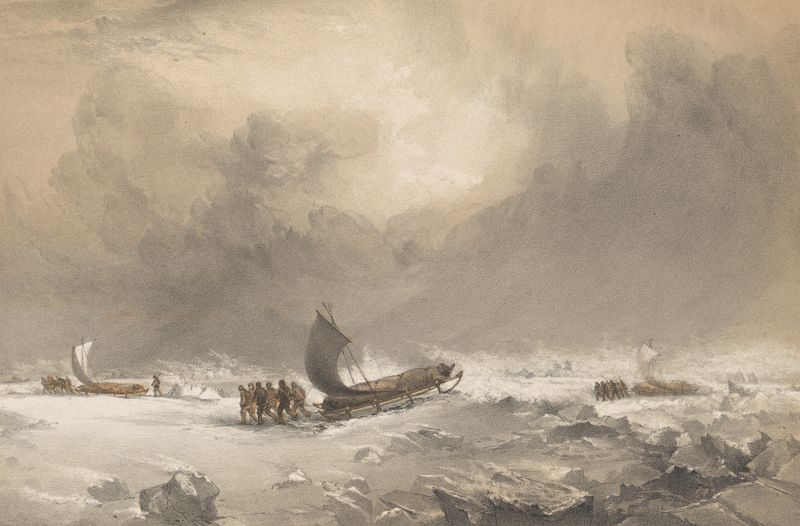
Sledges in a fresh fair wind, going over Hummocky Ice
Walter William May





