
H.M.S. Assistance and Pioneer in Winter Quarters—Returning Daylight — History & Facts
Where does light end, and longing begin? In the delicate interplay of twilight and shadow, H.M.S. Assistance and Pioneer in Winter Quarters—Returning Daylight encapsulates the profound yearning for warmth amid desolation. Look to the center of the canvas, where two ships rest immobile against the stark backdrop of a cold, steel-blue sky. Notice how the dim glow of the setting sun casts a pale light, illuminating the crisp lines of the vessels' masts and hulls.
The muted palette of whites, grays, and blues evokes an atmosphere of stark yet serene isolation, while the soft brushstrokes suggest a gentle caress of winter, creating a tender contrast with the harsh reality of the surroundings. There’s a haunting emptiness that resonates throughout the painting, as the ships stand alone, cradled by the vastness of snow and ice. The proximity of the vessels to one another speaks of companionship in solitude, yet the distant horizon hints at a world beyond reach—a yearning for daylight that transcends mere illumination. Each frozen landscape detail whispers of forgotten tales and the bittersweet embrace of endurance, inviting the viewer to reflect on their own sense of longing and hope. In 1855, Walter William May created this work while stationed in the Arctic during the search for the lost Franklin Expedition.
At this time, the art world was shifting towards capturing the sublime beauty of nature, and May's depiction of these ships, poised in their winter quarters, stands as both a testament to human endeavor and an exploration of the stark beauty found in isolated environments. His experience of the extreme Arctic conditions heavily influenced his artistic vision, merging reality and emotion into a poignant narrative of survival.
More Artworks by Walter William May
Browse all →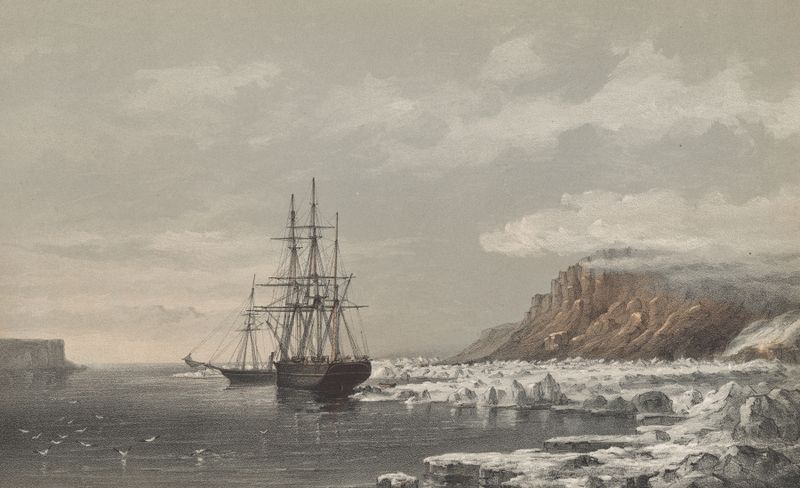
H.M.S. Assistance and Pioneer fast to the Floe, off Cape Majendie, Wellington Channel, 1853
Walter William May
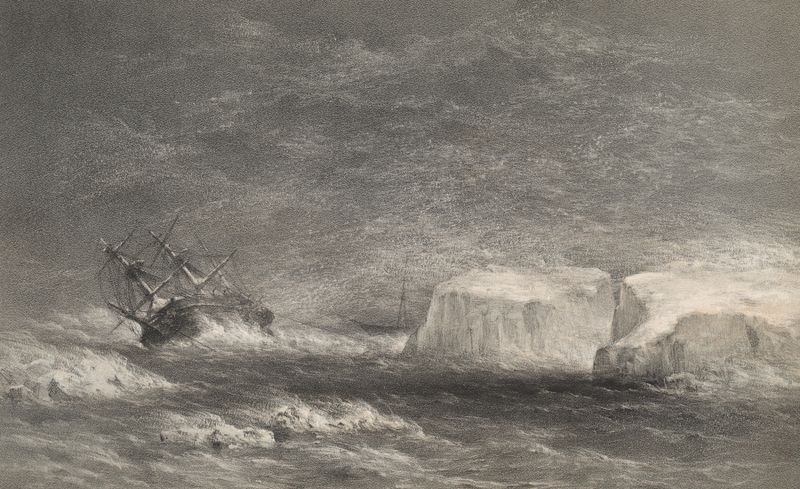
Perilous position of H.M.S. Assistance and Pioneer, on the evening of the 12th of October, 1853.—Disaster Bay
Walter William May
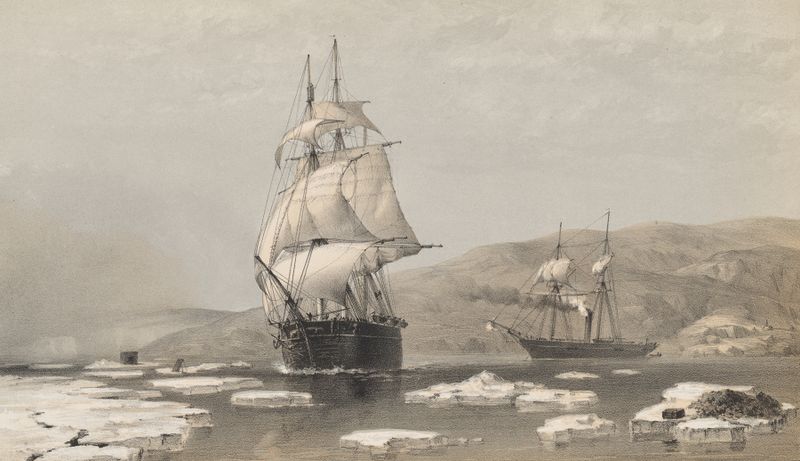
H.M.S. Assistance and Pioneer breaking out of Winter Quarters, 1854
Walter William May
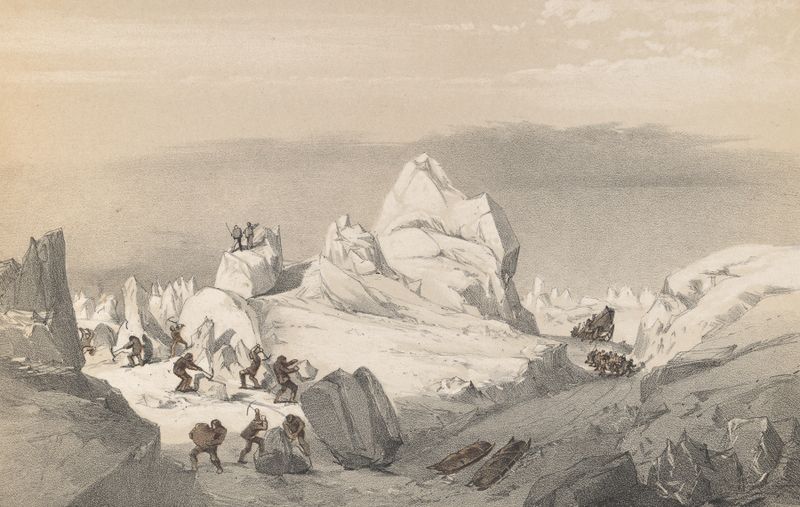
Division of Sledges finding and cutting a road through heavy hummocks, in the Queen’s Channel
Walter William May
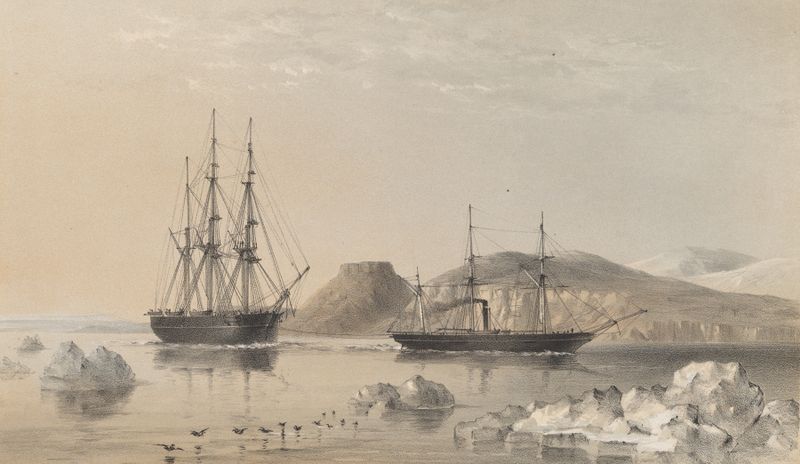
H.M.S. Assistance, in tow of the Pioneer (Captain Sherard Osborn), Passing John Barrow Mount, North of Wellington Channel, 1853
Walter William May
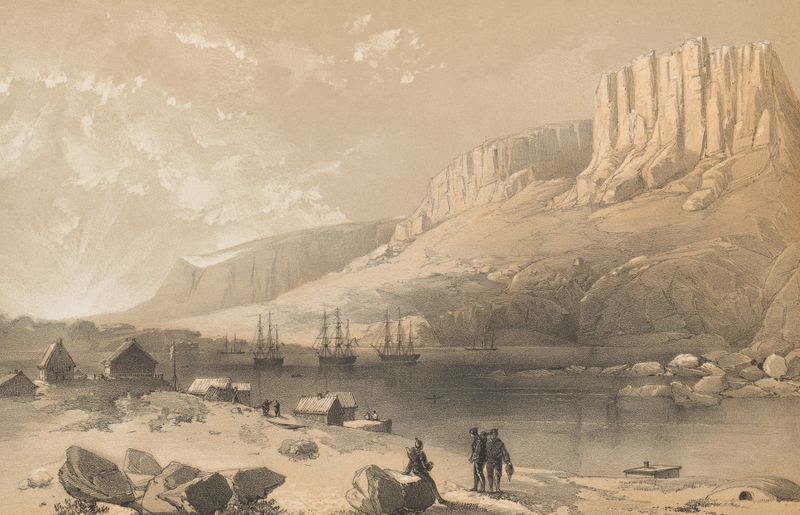
The Arctic Squadron in Leevly Harbour, Island of Disco, West Coast of Greenland
Walter William May
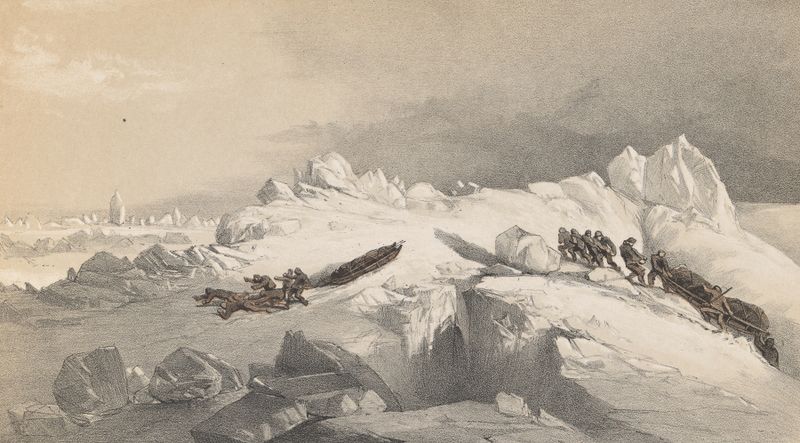
Division of Sledges finding and cutting a road through heavy hummocks, in the Queen’s Channel
Walter William May
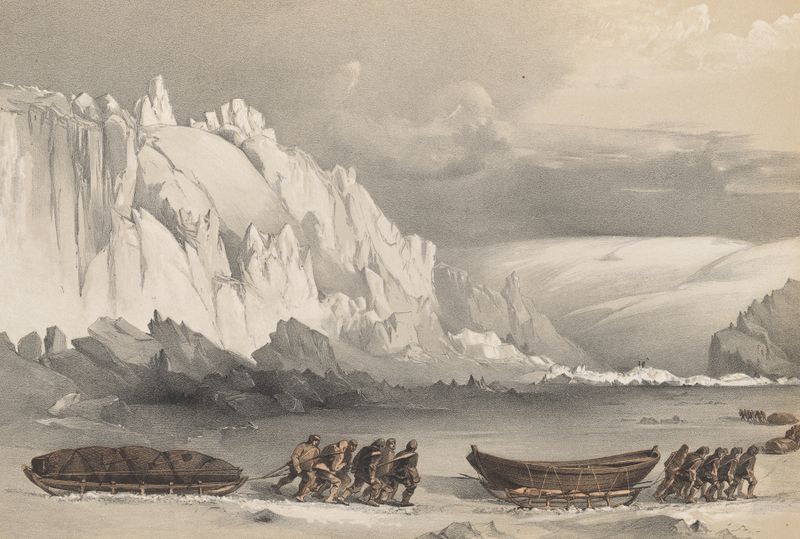
Division of Sledges passing Cape Lady Franklin; Extraordinary masses of ice pressed against the North Shore of Bathurst Land
Walter William May
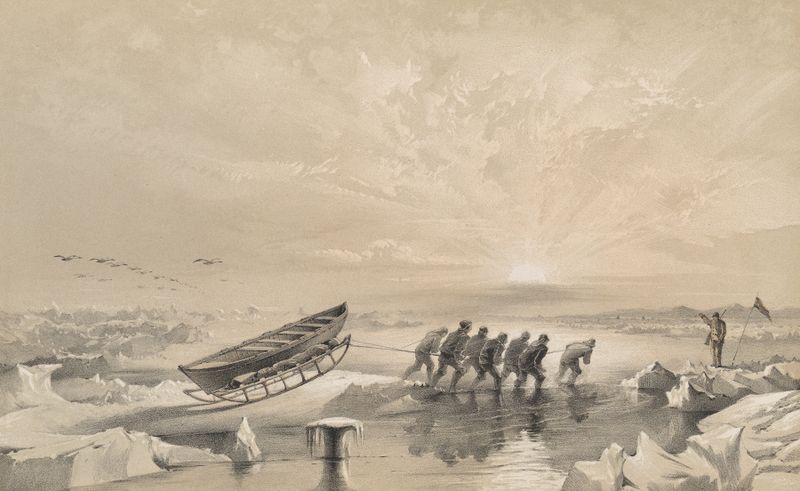
Sledge party returning through water during the month of July
Walter William May
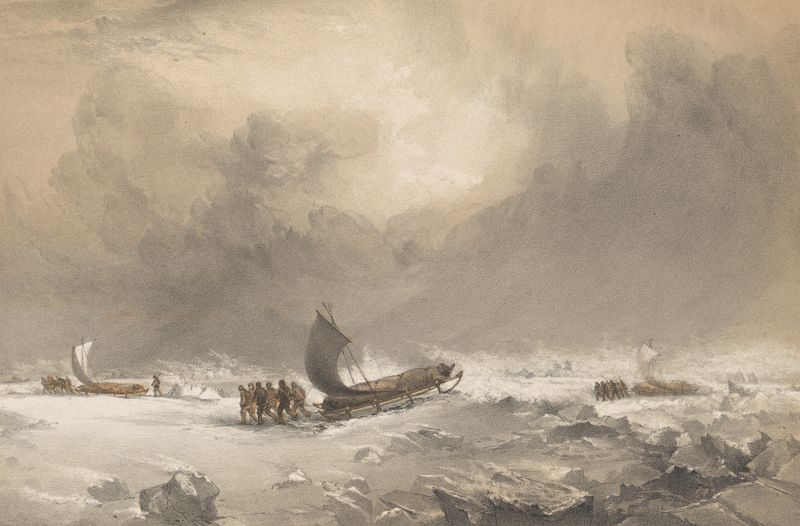
Sledges in a fresh fair wind, going over Hummocky Ice
Walter William May





