
H.M.S. Assistance and Pioneer breaking out of Winter Quarters, 1854 — History & Facts
What if beauty was never meant to be finished? The transient nature of human endeavor is captured in the tumultuous scene of a ship breaking free from its icy confines, embodying the spirit of revolution against nature's grip. Look to the center of the composition where the ships, H.M.S. Assistance and Pioneer, emerge from a sea of white, their hulls painted in hues of rust and blue, stark against the cold backdrop. The artist employs dynamic brush strokes to suggest movement, as swirling clouds converge over the horizon, echoing the tension in the air.
The contrast of the heavy, shadowed ice and the radiant sky creates a visual dialogue, drawing the eye to the struggle of man against the elements. Beneath the surface, this artwork speaks to resilience. The battered vessels symbolize human ingenuity and the quest for exploration, contrasting against the unforgiving landscape of winter. Observing the crew, their determined gestures convey a sense of urgency and purpose, hinting at the stories of sacrifice and the relentless pursuit of discovery.
These details reflect not just the struggle with nature, but a broader narrative of change and the relentless push towards progress. In 1855, Walter William May painted this piece during the height of the Victorian Era, a time marked by industrial advancement and colonial ambitions. The artist was in the midst of the Arctic expedition to the Northwest Passage, surrounded by the urgency of maritime exploration. The world was awakening to a new era, and through this painting, May captured not only the moment of liberation but also the spirit of an age poised on the brink of revolution.
More Artworks by Walter William May
Browse all →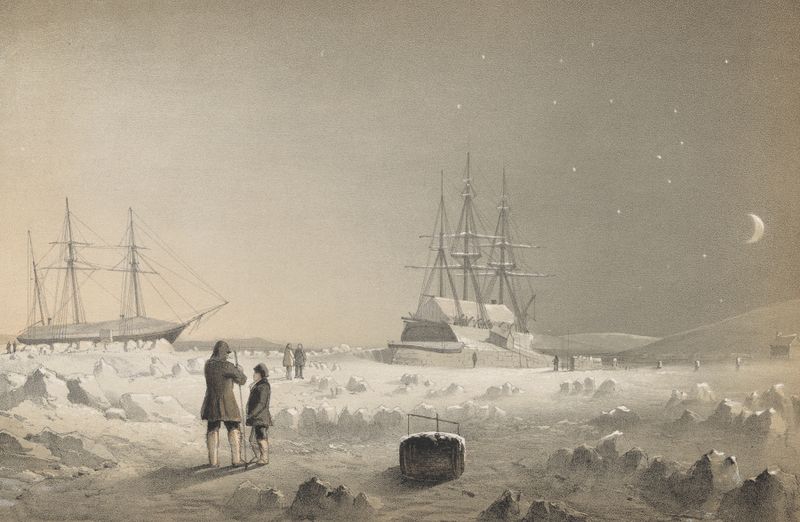
H.M.S. Assistance and Pioneer in Winter Quarters—Returning Daylight
Walter William May
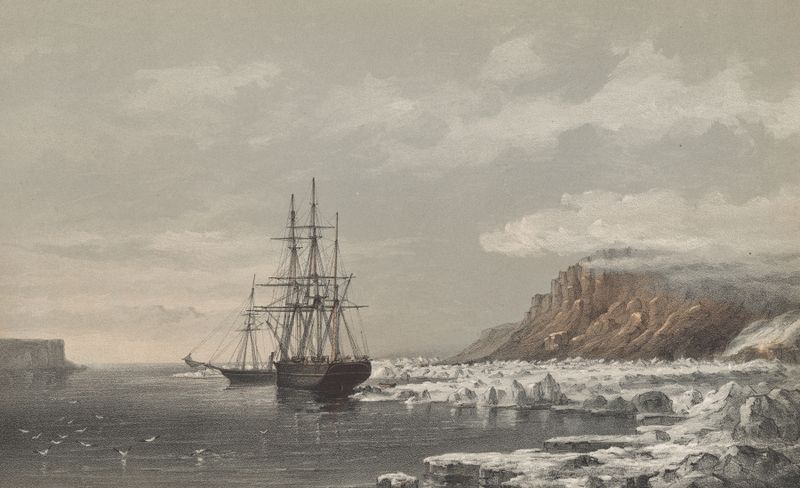
H.M.S. Assistance and Pioneer fast to the Floe, off Cape Majendie, Wellington Channel, 1853
Walter William May
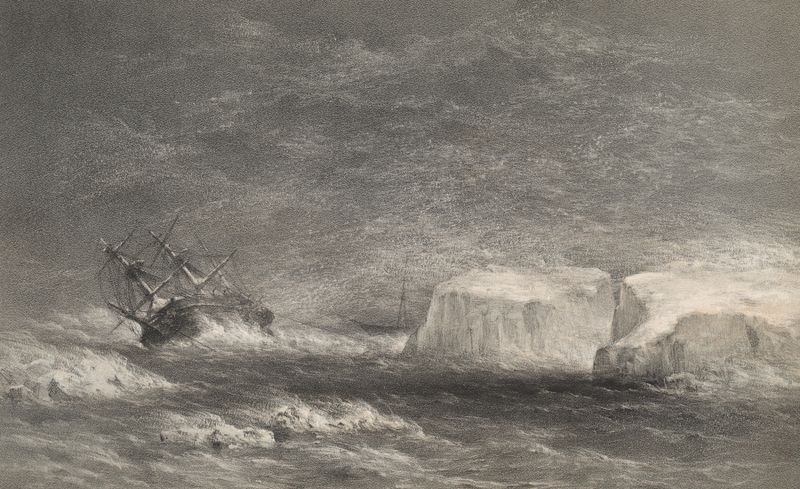
Perilous position of H.M.S. Assistance and Pioneer, on the evening of the 12th of October, 1853.—Disaster Bay
Walter William May
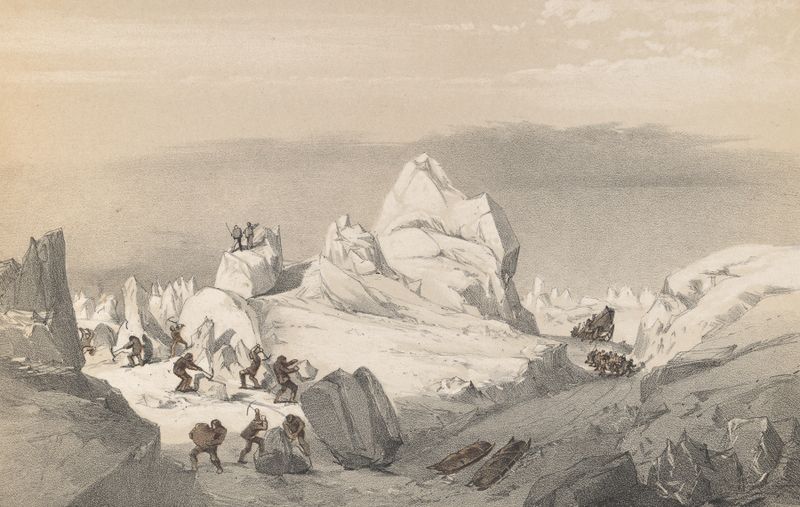
Division of Sledges finding and cutting a road through heavy hummocks, in the Queen’s Channel
Walter William May
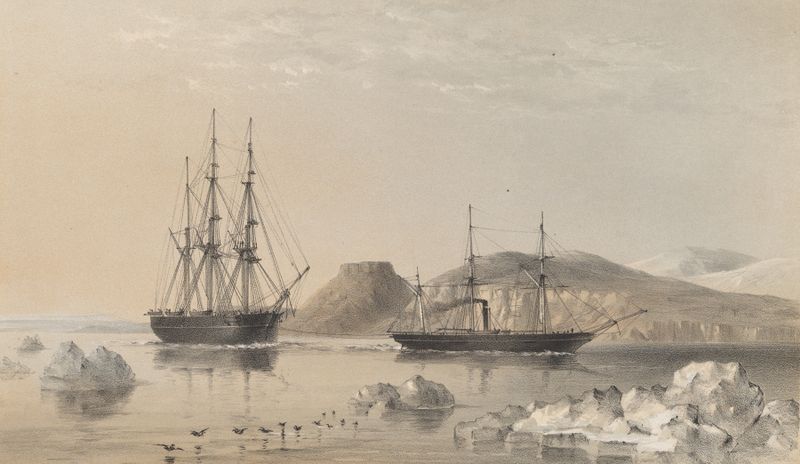
H.M.S. Assistance, in tow of the Pioneer (Captain Sherard Osborn), Passing John Barrow Mount, North of Wellington Channel, 1853
Walter William May
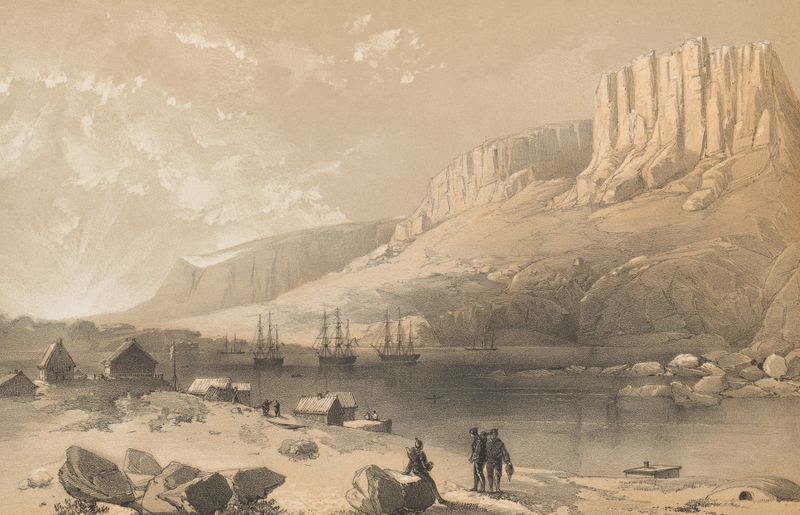
The Arctic Squadron in Leevly Harbour, Island of Disco, West Coast of Greenland
Walter William May
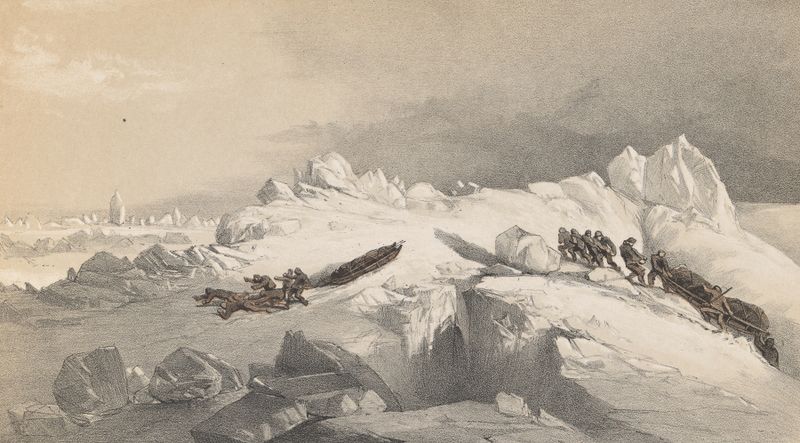
Division of Sledges finding and cutting a road through heavy hummocks, in the Queen’s Channel
Walter William May
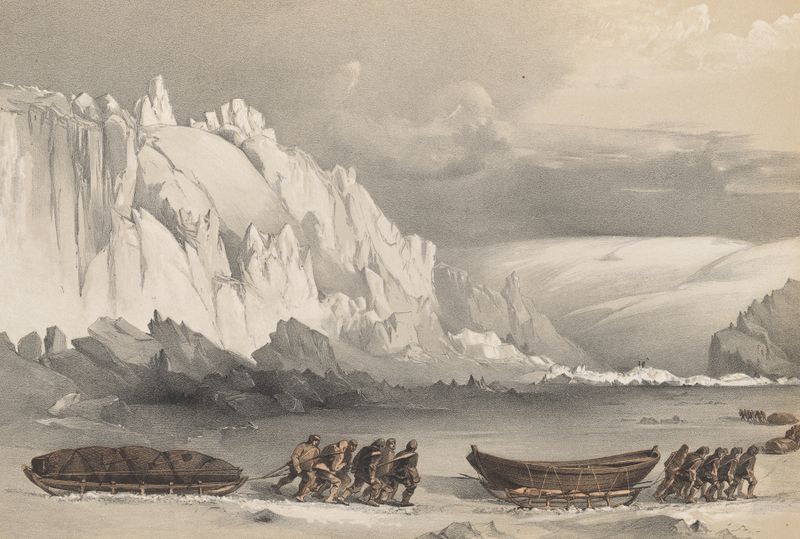
Division of Sledges passing Cape Lady Franklin; Extraordinary masses of ice pressed against the North Shore of Bathurst Land
Walter William May
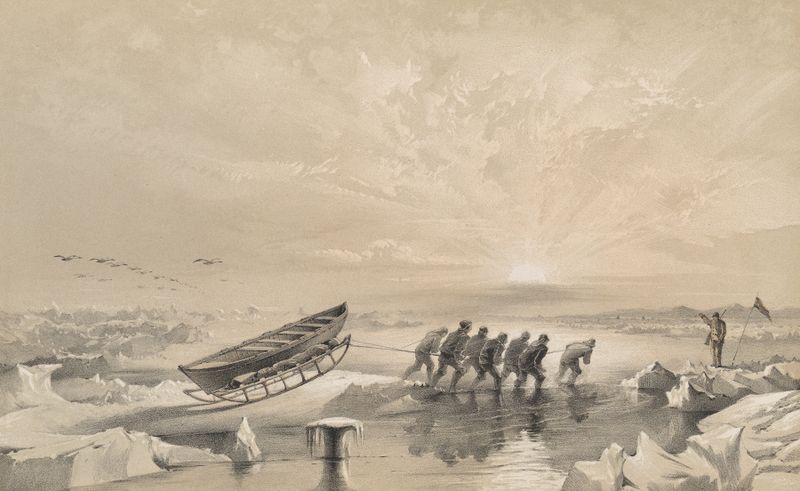
Sledge party returning through water during the month of July
Walter William May
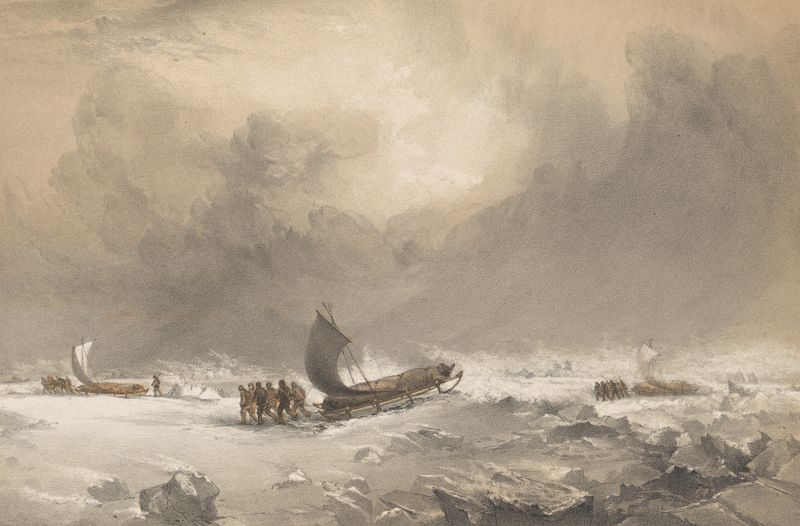
Sledges in a fresh fair wind, going over Hummocky Ice
Walter William May





